Halloween: History, Traditions, and Modern Celebrations Around the World

Halloween is one of the most celebrated festivals across the world, known for its spooky decorations, creative costumes, pumpkin carvings, and trick-or-treating. Observed annually on October 31st, Halloween is a fascinating blend of ancient Celtic traditions, Christian influences, and modern pop culture. Over the centuries, this festival has evolved from a harvest celebration marking the end of summer to a global phenomenon enjoyed by people of all ages.
Thank you for reading this post, don't forget to subscribe!In this comprehensive blog, we’ll explore the history, meaning, customs, and modern trends of Halloween, and why it continues to capture the imagination of millions worldwide.
Origins of Halloween: The Celtic Festival of Samhain
The story of Halloween dates back more than 2,000 years to the ancient Celtic festival of Samhain (pronounced “sow-in”). The Celts, who lived in what is now Ireland, the United Kingdom, and northern France, celebrated Samhain as the end of the harvest season and the beginning of winter a time often associated with death and darkness.
According to Celtic belief, the night of October 31st marked a blurred boundary between the world of the living and the dead. It was believed that on this night, the spirits of the dead returned to earth to visit their loved ones or cause mischief. To protect themselves, people lit bonfires and wore disguises to ward off wandering ghosts.
This early ritual of dressing up and lighting fires laid the groundwork for what we now recognize as Halloween celebrations.
Christian Influence: All Saints’ Day and All Hallows’ Eve
As Christianity spread across Europe, pagan festivals like Samhain were gradually adapted into Christian traditions. In the 8th century, Pope Gregory III designated November 1st as All Saints’ Day, a day to honor saints and martyrs. The evening before October 31st became known as All Hallows’ Eve, which eventually shortened to Halloween.
Church leaders encouraged people to replace pagan rituals with Christian observances. However, many local customs persisted, resulting in a rich fusion of folklore, religion, and superstition that shaped the modern concept of Halloween.
Halloween Symbols and Their Meanings
Every element associated with Halloween carries a deep symbolic meaning rooted in history, folklore, and spirituality. Let’s explore a few of the most iconic symbols:
Jack-o’-Lanterns
The tradition of carving pumpkins comes from an old Irish legend about Stingy Jack, a man who tricked the devil and was doomed to wander the Earth with only a burning coal inside a hollowed-out turnip. When Irish immigrants arrived in America, they found that pumpkins native to North America were perfect for carving. Thus, the Jack-o’-Lantern became one of the most recognizable symbols of Halloween.
Ghosts and Spirits
Ghosts symbolize the spirits believed to return during Samhain. Even today, Halloween decor often features ghosts, skeletons, and gravestones reminders of the festival’s origins in honoring the dead.
Spiders, Bats, and Black Cats

These creatures are often linked to witchcraft and superstition. Black cats, in particular, were once thought to be witches’ familiars or shape-shifted witches themselves. Though modern views have softened, these creatures remain a staple in Halloween imagery.
Skeletons and Skulls
Skeletons represent the connection between life and death, a central theme of Halloween. They also serve as symbols of remembrance and the eternal cycle of life.
Witches and Magic: The Dark Mystique of Halloween
The image of the witch flying on a broomstick, wearing a pointed hat, and casting spells became intertwined with Halloween during the Middle Ages. At that time, the church condemned pagan healers and herbalists as witches. Legends grew around witch gatherings, known as Sabbats, where witches were said to worship dark forces.
Today, witches are a fun and popular Halloween costume choice, symbolizing both fear and empowerment. Modern Wiccan and pagan communities, however, celebrate Samhain as a sacred time for honoring ancestors and connecting with nature’s cycles, reclaiming its original spiritual meaning.
Trick-or-Treating: From Soul Cakes to Candy Corn
No Halloween celebration is complete without trick-or-treating. This fun activity has deep historical roots. In medieval Britain, the poor would go from house to house on All Souls’ Day (November 2nd), offering prayers for the dead in exchange for “soul cakes” small sweet breads. This practice was known as “souling.”
In Scotland and Ireland, children took part in “guising” dressing up in costumes and performing tricks, songs, or jokes in exchange for treats. When Irish and Scottish immigrants came to America in the 19th century, these customs merged into what we now call trick-or-treating.
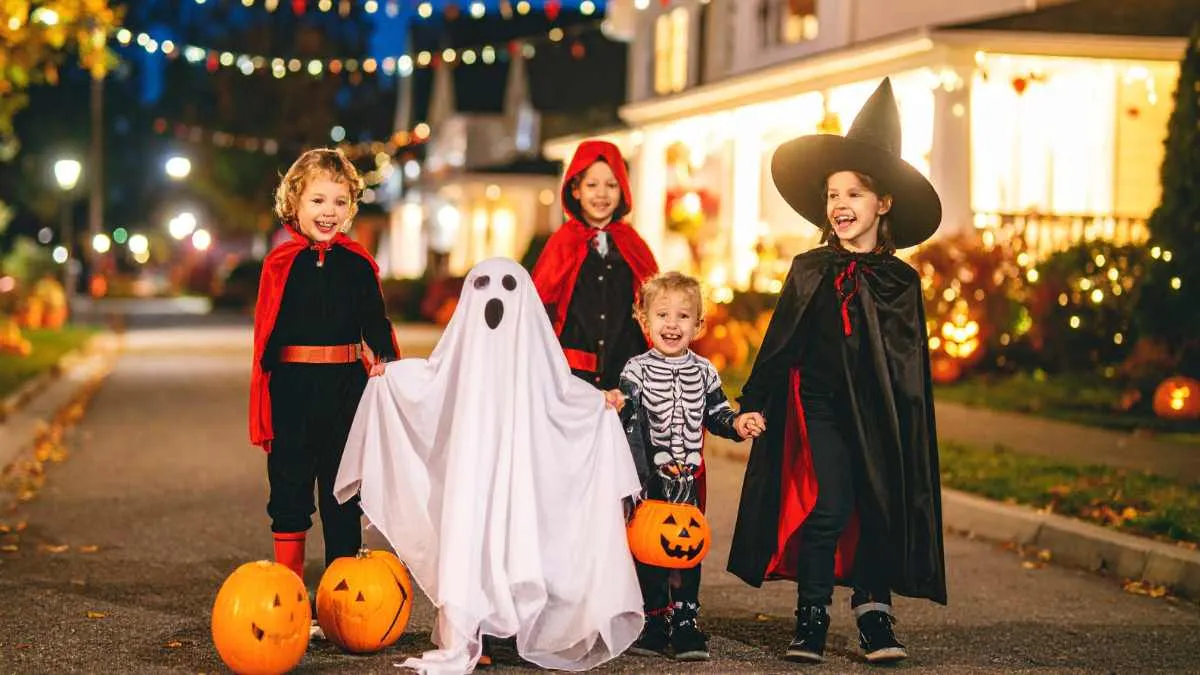
By the 1950s, with the rise of suburban neighborhoods, trick-or-treating became a mainstream family activity. Today, it remains one of the most beloved Halloween traditions, with millions of children filling their bags with candies, chocolates, and sweet treats.
Halloween Decorations: Transforming Homes into Haunted Havens
Decorating homes during Halloween has become an art form. People transform their front yards into haunted houses filled with spooky lights, fake cobwebs, skeletons, tombstones, and scary props. Pumpkins line porches, while ghostly figures dangle from trees.
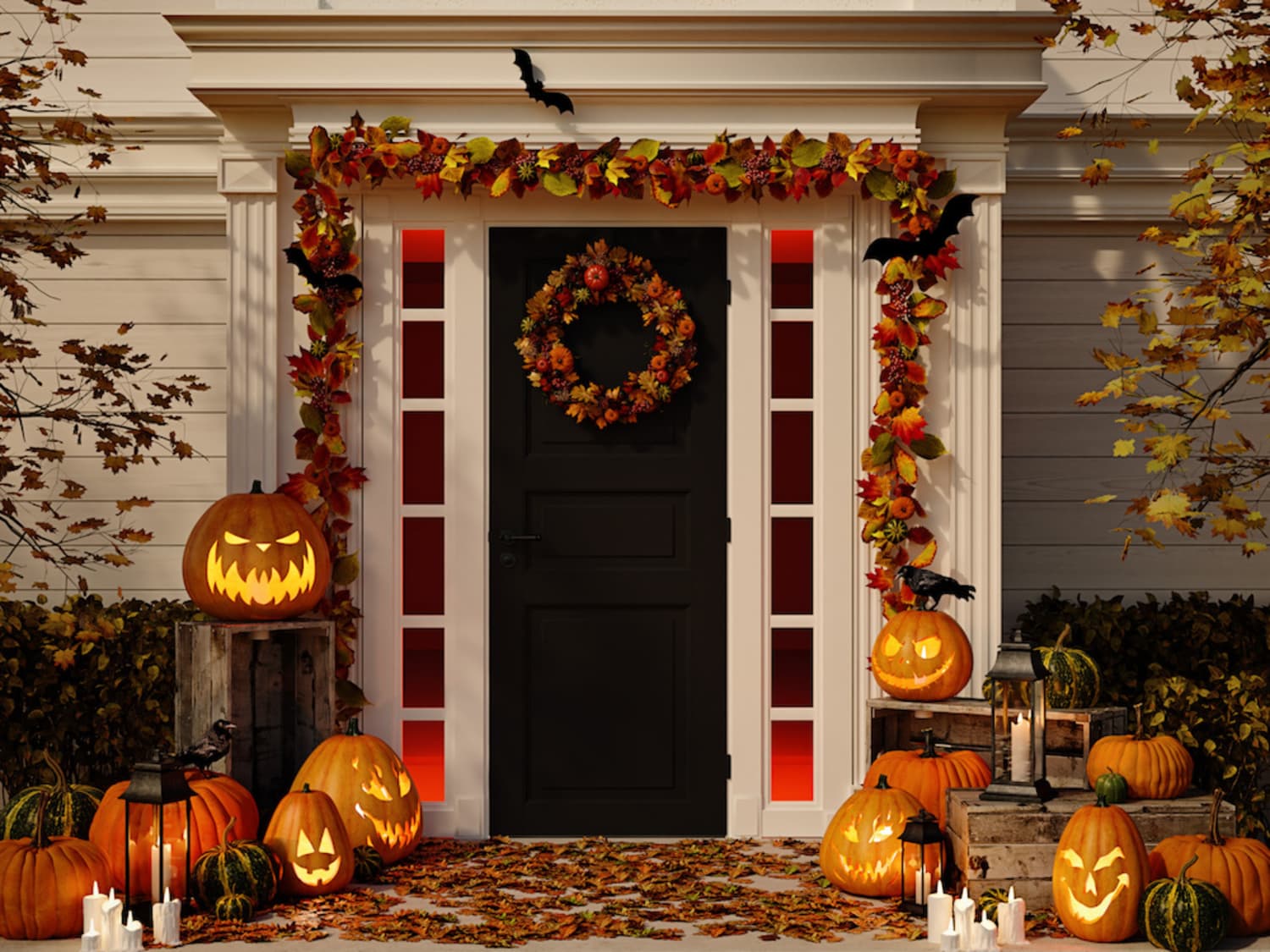
The growing popularity of Halloween-themed decorations has created a billion-dollar industry. Many families compete for the most creative displays, while communities host Halloween decorating contests that bring neighbors together.
Costumes and Cosplay: Expressing Creativity
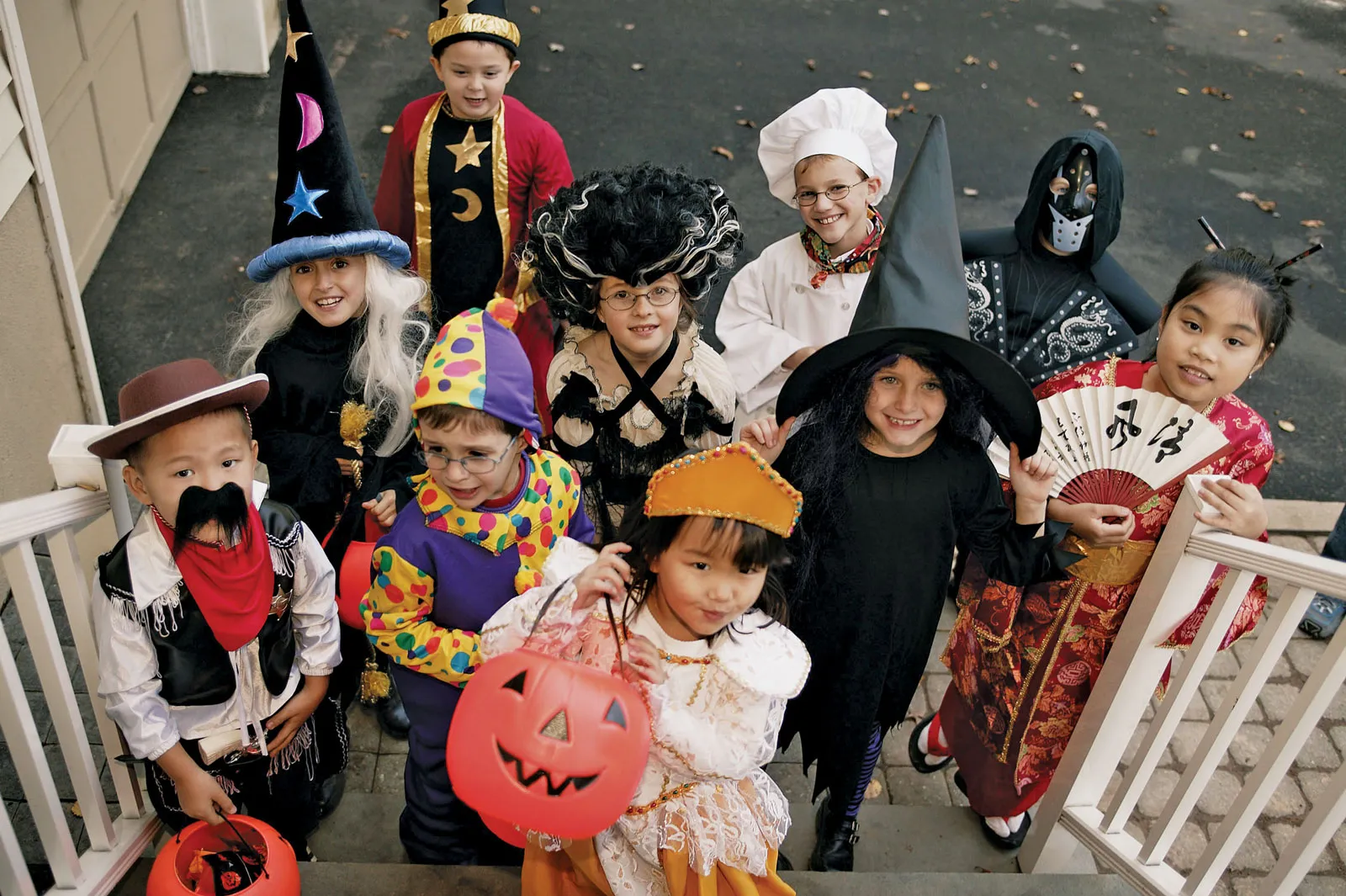
Halloween costumes allow people to step into another persona whether it’s a vampire, superhero, zombie, ghost, or even a favorite movie character. The tradition of disguising oneself originated as a way to ward off evil spirits, but it has evolved into a fun form of self-expression and creativity.
In modern times, costume trends are influenced by pop culture, films, and social media. From children’s cartoon characters to horror icons like Freddy Krueger and Michael Myers, Halloween costumes reflect the changing tastes of society.
Halloween in Popular Culture
Movies, TV shows, and literature have played a massive role in shaping modern Halloween. From classic horror films like Halloween (1978) and The Exorcist to family-friendly favorites like Hocus Pocus and The Nightmare Before Christmas, Halloween has become a cinematic genre of its own.
Television series often release Halloween-themed episodes, while streaming platforms curate spooky collections throughout October. The season’s eerie aesthetic inspires everything from fashion to music even themed food and drinks.
Halloween Around the World
Though Halloween originated in Europe, it’s now celebrated globally often in unique and culturally adapted ways:
- United States: The epicenter of Halloween celebrations, known for trick-or-treating, haunted houses, and costume parties.
- Ireland and Scotland: The birthplace of Halloween traditions like bonfires, guising, and storytelling.
- Mexico: Celebrated as Día de los Muertos (Day of the Dead), honoring deceased loved ones with colorful altars, food, and marigolds.
- Japan: Known for elaborate costume parades and themed events, especially in Tokyo’s Shibuya district.
- Philippines: Celebrated as Pangangaluluwa, where people visit homes singing for prayers for the dead.
- France and Germany: Halloween celebrations have grown recently, influenced by American culture, with costume parties becoming increasingly popular.
Bonfires and Festivals: The Spirit of Halloween Night
Bonfires were central to ancient Samhain rituals, symbolizing purification and protection. Communities gathered around the fire to share stories, perform dances, and celebrate the cycle of life and death. Modern Halloween festivals continue this spirit through pumpkin festivals, parades, and haunted attractions.
Cities like New York, London, and Dublin host massive Halloween parades, featuring floats, music, and thousands of participants dressed in dazzling costumes.
Halloween Foods and Treats
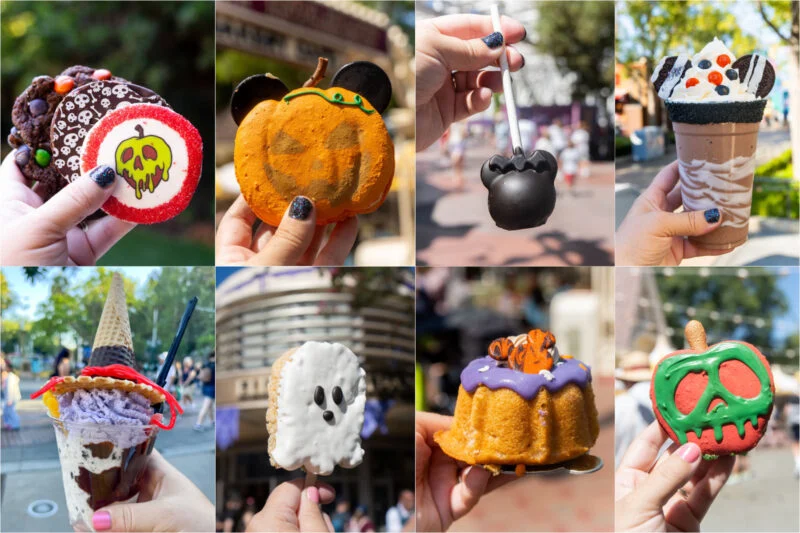
Food plays a significant role in Halloween festivities. While candy dominates modern celebrations, traditional Halloween foods include:
- Pumpkin pie and pumpkin soup — celebrating the fall harvest.
- Toffee apples (candy apples) — symbolizing sweetness and good fortune.
- Barmbrack — an Irish fruitcake with hidden charms predicting one’s future.
- Roasted nuts and corn — echoing the agricultural roots of Samhain.
Even beverages like pumpkin spice lattes and apple cider have become seasonal favorites, enjoyed during the Halloween season.
Family and Community: The Heart of Halloween
Beyond its spooky surface, Halloween fosters community spirit and family bonding. Parents and children carve pumpkins together, neighborhoods organize trick-or-treat routes, and schools hold costume parades.
In many ways, Halloween bridges generations blending ancient rituals with modern joy, and spirituality with creativity.
Eco-Friendly and Safe Halloween Practices
In recent years, there’s been a growing focus on sustainability and safety during Halloween celebrations. People are opting for eco-friendly costumes, reusable decorations, and organic treats. Communities promote safe trick-or-treating, with reflective costumes, well-lit areas, and allergen-free candy options.
Such efforts ensure that Halloween remains enjoyable and responsible for everyone.
The Evolution of Halloween: From Ancient Rituals to Modern Fun
From the sacred fires of Samhain to the glowing Jack-o’-Lanterns of today, Halloween has undergone a remarkable transformation. What began as a ritual to honor the dead has become a celebration of life, imagination, and togetherness.
It embodies humanity’s timeless fascination with mystery, mortality, and the supernatural, yet it also reflects our desire to connect, create, and celebrate.
FAQs about Halloween
Q1: What is the origin of Halloween?
Halloween originated from the ancient Celtic festival of Samhain, marking the end of the harvest and the beginning of winter.
Q2: Why do we carve pumpkins on Halloween?
Pumpkin carving comes from the Irish legend of Stingy Jack, who roamed the Earth with a glowing turnip. Pumpkins replaced turnips when Irish immigrants reached America.
Q3: What does “trick or treat” mean?
It’s a playful tradition where children dress in costumes, knock on doors, and say “trick or treat” to receive candies. The “trick” refers to playful pranks if no treat is given.
Q4: Why do people wear costumes on Halloween?
Originally, costumes were worn to disguise oneself from evil spirits. Today, they’re a fun expression of creativity and imagination.
Q5: Is Halloween celebrated in India?
Yes, Halloween has gained popularity in urban areas of India, with themed parties, events, and costume contests.
Final Thoughts
Halloween is far more than just a night of ghosts and candy it’s a living tradition that connects the ancient and the modern, the mystical and the playful. Whether you celebrate it with bonfires and folklore or costumes and candy, Halloween continues to enchant hearts across the world.
It reminds us that even in darkness, there’s room for light, laughter, and community.