Jonbeel Mela: Assam’s Living Barter Festival

Introduction
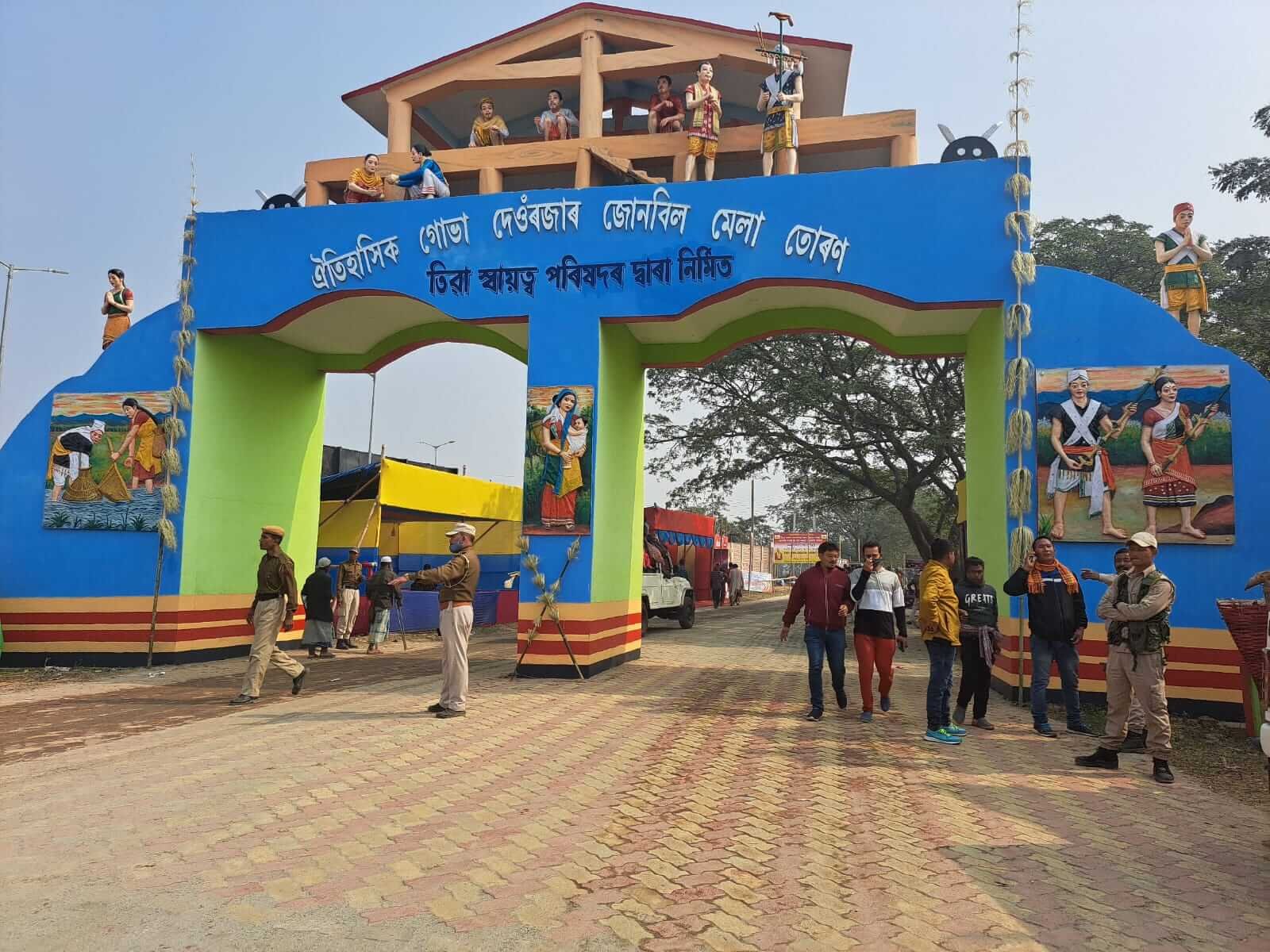
Jonbeel Mela, also known as Chunbîl Melâ in the Tiwa language, is a vibrant three-day fair held near the historic Dayang Belguri at Joonbeel. It is situated just 3 km from Jagiroad in the Morigaon district of Assam, approximately 65 km from Guwahati. The fair has a rich history dating back to at least the 15th century AD. Initially organized by the Tiwa (Lalung) community to discuss political matters, it evolved into a celebration of culture, trade, and harmony.
Thank you for reading this post, don't forget to subscribe!Jonbeel Mela shows us the importance of unity, cooperation, and peaceful living. It brings together people from different tribes, regions, and cultures. In a world that is changing very fast, Jonbeel Mela reminds us of the value of tradition and community life.
1. Location: Jonbeel Mela takes place near Dayang Belguri, just 3 km from Jagiroad in the Morigaon district of Assam.
2. Historical Roots: The fair’s origins trace back to the 15th century AD, when it served as a platform for political discussions among indigenous communities. Over time, it transformed into a vibrant celebration of Assamese culture and tradition.
When is Jonbeel Mela Celebrated?
Jonbeel Mela is celebrated every year in January, during the time of Magh Bihu, the harvest festival of Assam. Magh Bihu marks the end of the harvesting season, and it is a time of joy, food, and community celebrations.
The mela usually lasts for three days:
- Day 1: People from different regions arrive and set up their stalls
- Day 2: Main events such as barter trade, Rajdarbar, and community feast take place
- Day 3: Cultural programs are held and the mela comes to an end
What is Jonbeel Mela?
Jonbeel Mela is a traditional fair held every year in the Morigaon district of Assam. The fair is organized mainly by the Tiwa (Lalung) tribe, but many other tribal and non-tribal communities also take part in it.
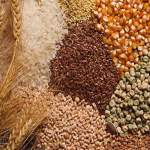
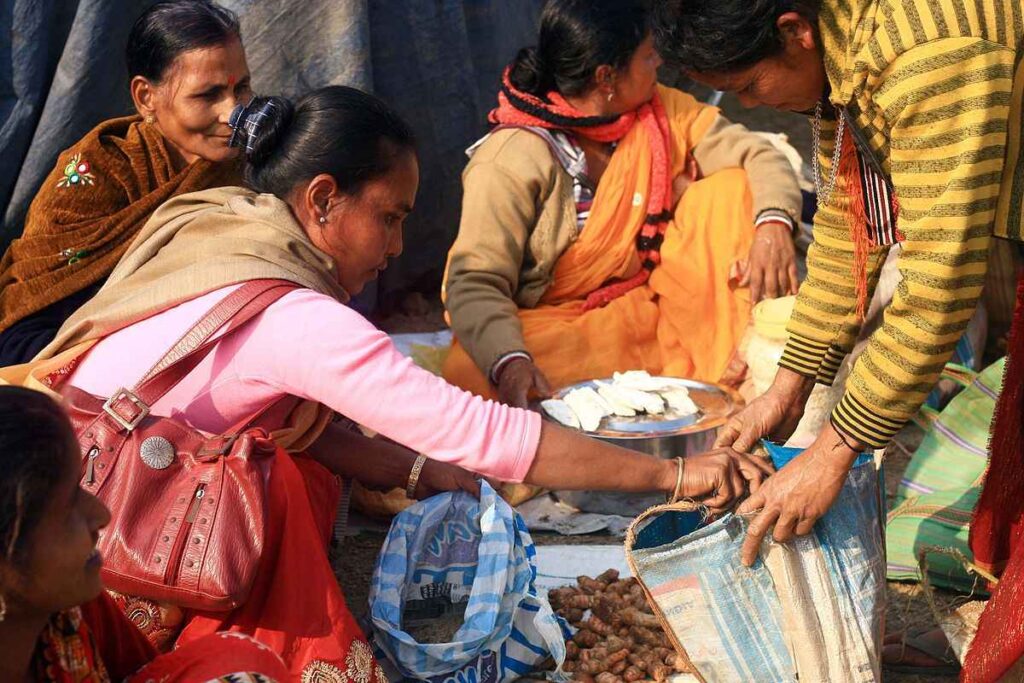
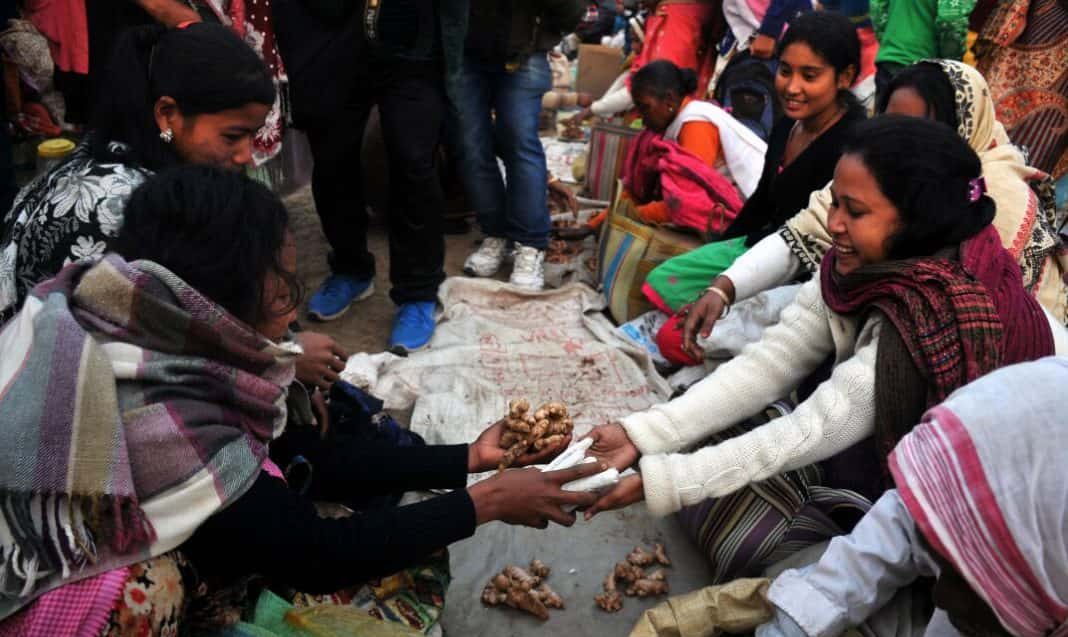
The most important feature of Jonbeel Mela is the barter system. Instead of buying and selling goods with money, people exchange items directly. For example, rice is exchanged for vegetables, fish for spices, and forest products for grains. This system is very rare in today’s money-based world.
The mela is held near Jonbeel, a crescent-shaped wetland. The word “Jon” means moon, and “Beel” means wetland or lake. Because the wetland looks like a half-moon, it is called Jonbeel. This natural setting adds beauty and importance to the mela.
Why Jonbeel Mela is Unique
Jonbeel Mela is special for many reasons. It is not just a festival but a living tradition.
1. Barter System
Jonbeel Mela is one of the last remaining barter trade fairs in India. People exchange goods without money. This system is based on trust, fairness, and mutual need.
2. Royal Assembly (Rajdarbar)
The Rajdarbar, led by the Tiwa king (Gobha Raja), is a rare sight in modern India. It keeps alive ancient tribal governance systems.
3. Community Feast
People from all communities sit and eat together. This shared meal removes social differences and strengthens friendship.
4. Cultural Diversity
Communities from Assam, Meghalaya, and Arunachal Pradesh take part, making the mela truly multicultural.
5. Natural Location
The mela is held near Jonbeel wetland, connecting culture with nature and ecology.
Rituals and Themes at Jonbeel Mela
- Agni Puja (Fire Worship):
- Before the festivities kick off, an Agni Puja takes place. This ritual symbolizes well-being and prosperity for all attendees.
- The sacred fire represents purity and unity, setting the tone for the entire event.
- Community Fishing:
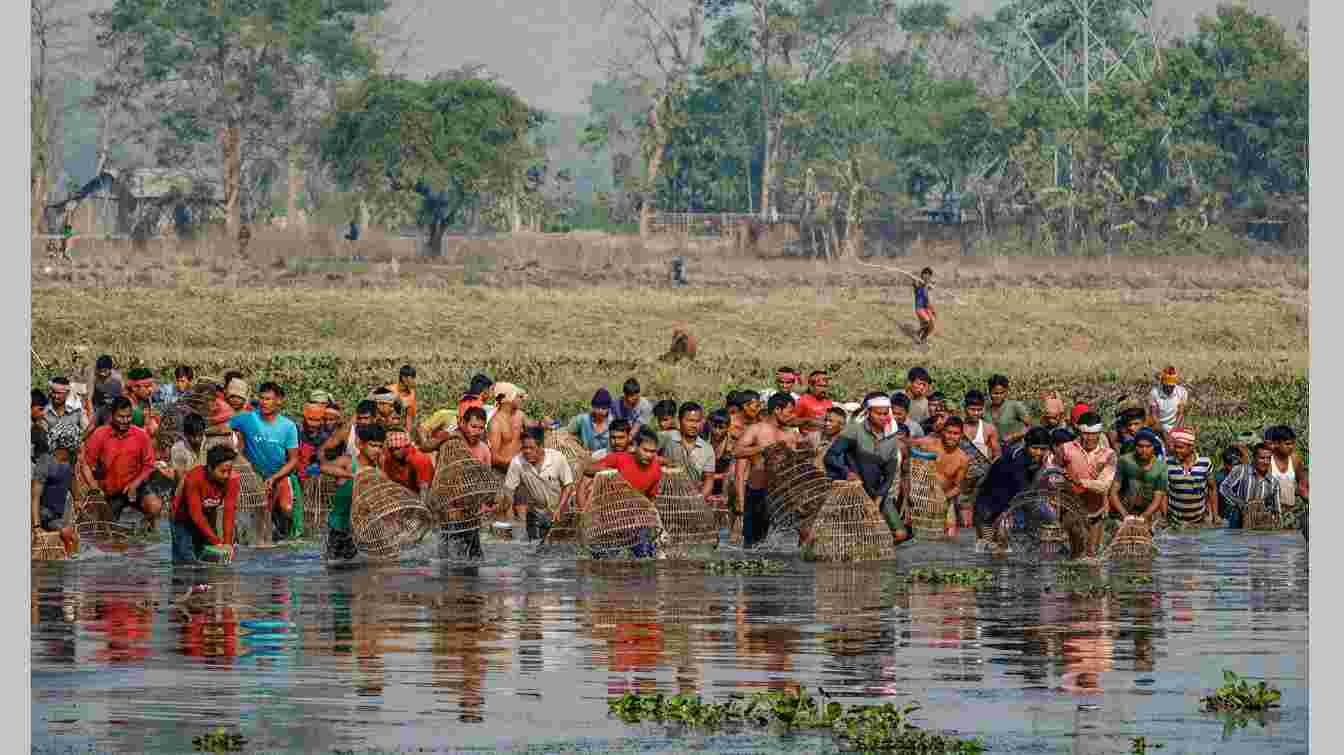
- The mela begins with community fishing in the crescent-shaped Chunbîl wetland.
- This activity fosters a sense of unity and shared purpose among the diverse communities.
- Participants engage in traditional fishing techniques, reinforcing their connection to nature and each other.
- Harmony and Brotherhood:
- The overarching theme of Jonbeel Mela revolves around fostering harmony and brotherhood.
- Indigenous Assamese communities and tribes scattered across Northeast India come together.
- Traditional dances, music, and cultural performances create an atmosphere of joy and celebration.
- The fair serves as a bridge between the past and the present, emphasizing cultural continuity.
Gobha King and Royal Allowance
Gobha King:
- The Gobha King (also known as Kobâ rajâ or Gobha raja) is a central figure in the Jonbeel Mela tradition. Here are the key points:
- Role: The Gobha King plays a significant role during the mela. He represents the indigenous Tiwa community and acts as a symbolic leader.
- Tax Collection: The Gobha King collects taxes from his subjects during the fair. This tax collection is part of the ancient customs and rituals associated with the mela.
- Ceremonial Presence: His presence adds a touch of regality to the event, emphasizing the historical and cultural significance of Jonbeel Mela.
Royal Allowance:
- The Royal Allowance is a more recent development related to the Gobha King. Here’s what you need to know:
- Introduction: In 2009, the Assam government introduced an annual allowance specifically for the 19 customary kings under the Gobha Kingdom.
- Purpose: The allowance aims to recognize and support the traditional leaders who continue to uphold cultural heritage and community cohesion.
- Coverage: It covers parts of Morigaon, Nagaon, and Kamrup districts, where the Gobha Kingdom’s influence extends.
Jonbeel Mela stands as a remarkable testament to the rich cultural heritage and enduring traditions of Assam. This unique fair, with its roots stretching back several centuries, showcases the vitality of the barter system, offering a living example of an ancient economic practice. The mela is more than just a marketplace; it is a vibrant celebration of community, unity, and cultural exchange among various tribes and communities in Northeast India.
Importance of Barter in Modern Times
Even today, the barter system teaches important lessons:
- Sustainable living
- Use of local products
- Community cooperation
- Less dependence on money
- Reduced environmental harm
Economic and Social Impact of Jonbeel Mela
Economic Benefits
Jonbeel Mela supports:
- Farmers
- Artisans
- Small traders
- Transport workers
- Food sellers
Tourism during the mela also boosts the local economy.
Social Harmony
The mela strengthens relationships between hill and plain communities. Sharing food, trade, and culture builds trust and peace.
Rural Development
Jonbeel Mela helps in:
- Job creation
- Women empowerment
- Promotion of local products
- Cultural preservation
Challenges and Future of Jonbeel Mela
Some challenges faced by Jonbeel Mela include reduced use of the barter system, less participation from young people, and environmental pressure on the wetland.
However, there are many future opportunities such as cultural tourism, heritage education, digital promotion, and eco-friendly initiatives to keep this tradition alive.
Conclusion
Participants not only engage in trade but also partake in traditional rituals, folk dances, and communal feasts, underscoring the fair’s role in preserving indigenous customs and fostering social cohesion. The annual gathering at Jonbeel Mela is a poignant reminder of the resilience of traditional practices in the face of modernity, illustrating how cultural heritage can be a source of identity and continuity for future generations. Through this festival, the people of Assam continue to honor their past while embracing the present, ensuring that the rich tapestry of their cultural legacy remains vibrant and relevant.
FAQ’s
Q. What is Jonbeel Mela?
A: Jonbeel Mela is a primitive barter fair where people gather to exchange agricultural goods without using money. It’s a tradition that has been continued for many centuries.
Q. When does it happen?
A: The mela takes place around a week after the Assamese festival of Magh Bihu.
Q. Where does it take place?
A: Jonbeel Mela is held at Dayang Belguri, located just 3 km away from Jagiroad in Morigaon District, Assam.