FIFA World Cup Winners: Complete History, Key Matches, and Fascinating Facts About Every Champion

Introduction to the FIFA World Cup
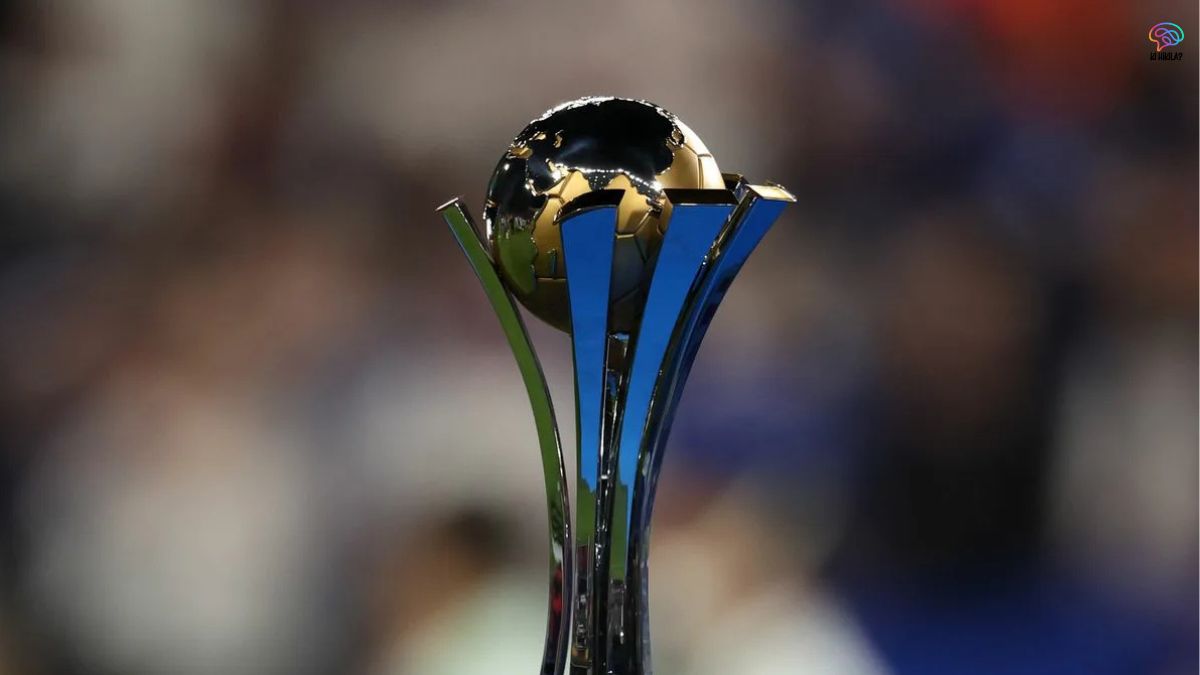
The FIFA World Cup, organized by the Fédération Internationale de Football Association (FIFA), is the pinnacle of international football, bringing together national teams every four years to compete for the prestigious title of world champion. Since its inception in 1930, the tournament has been a stage for iconic moments, legendary players, and unforgettable matches. .
Thank you for reading this post, don't forget to subscribe!Understanding the FIFA World Cup Winners List
The FIFA World Cup Winners List is a record of footballing excellence, showcasing the nations that have claimed the coveted trophy. The tournament, held quadrennially except during World War II (1942 and 1946), has seen 22 editions from 1930 to 2022, with only eight countries emerging as champions. Brazil leads with five titles, followed closely by Germany and Italy with four each. The FIFA World Cup Winners List not only highlights these victories but also reflects the evolution of global football, from Uruguay’s inaugural triumph to Argentina’s dramatic 2022 victory.
Historical Context of the FIFA World Cup
The FIFA World Cup began in 1930 in Uruguay, with 13 teams competing in the first tournament. Unlike modern editions, early tournaments had varied formats, including the unique 1950 round-robin final group. Over time, the competition expanded, incorporating more teams and refining its knockout structure. The FIFA World Cup Winners List reflects this evolution, with early dominance by South American teams like Uruguay and later by European powerhouses like Germany and Italy. The tournament’s global appeal has grown, with recent editions hosted in diverse regions, from Qatar in 2022 to the upcoming 2026 event across the United States, Canada, and Mexico.
FIFA World Cup Winners List: A Detailed Overview
The FIFA World Cup Winners List is a testament to football’s competitive spirit. Below is a comprehensive table listing all winners from 1930 to 2022, including host countries, final scores, runners-up, and notable details. This table provides a clear snapshot of the tournament’s history, emphasizing key moments and trends.
| Year | Host Country | Winner | Score | Runner-Up | Key Details |
|---|---|---|---|---|---|
| 1930 | Uruguay | Uruguay | 4-2 | Argentina | First-ever World Cup; Uruguay won at home in Montevideo’s Centenario Stadium. |
| 1934 | Italy | Italy | 2-1 (AET) | Czechoslovakia | Italy’s first title under Vittorio Pozzo; extra time decided the final. |
| 1938 | France | Italy | 4-2 | Hungary | Italy became the first team to win consecutive titles. |
| 1950 | Brazil | Uruguay | 2-1 | Brazil | Known as the “Maracanazo”; Uruguay’s upset in a round-robin final group. |
| 1954 | Switzerland | West Germany | 3-2 | Hungary | The “Miracle of Bern”; West Germany’s first title against a favored Hungary. |
| 1958 | Sweden | Brazil | 5-2 | Sweden | Emergence of 17-year-old Pelé; Brazil’s first of five titles. |
| 1962 | Chile | Brazil | 3-1 | Czechoslovakia | Brazil retained the title despite Pelé’s injury; Garrincha starred. |
| 1966 | England | England | 4-2 (AET) | West Germany | England’s only title; Geoff Hurst’s hat-trick in the final. |
| 1970 | Mexico | Brazil | 4-1 | Italy | Pelé’s third World Cup win; Brazil’s attacking style dominated. |
| 1974 | West Germany | West Germany | 2-1 | Netherlands | Johan Cruyff’s Netherlands fell to West Germany’s efficiency. |
| 1978 | Argentina | Argentina | 3-1 (AET) | Netherlands | Argentina’s first title on home soil; Mario Kempes was the star. |
| 1982 | Spain | Italy | 3-1 | West Germany | Paolo Rossi’s goals led Italy to their third title. |
| 1986 | Mexico | Argentina | 3-2 | West Germany | Diego Maradona’s brilliance, including the “Hand of God” goal. |
| 1990 | Italy | West Germany | 1-0 | Argentina | A defensive final; West Germany’s third title. |
| 1994 | United States | Brazil | 0-0 (3-2 pens) | Italy | First final decided by penalties; Brazil’s fourth title. |
| 1998 | France | France | 3-0 | Brazil | Zinedine Zidane’s two goals secured France’s first title. |
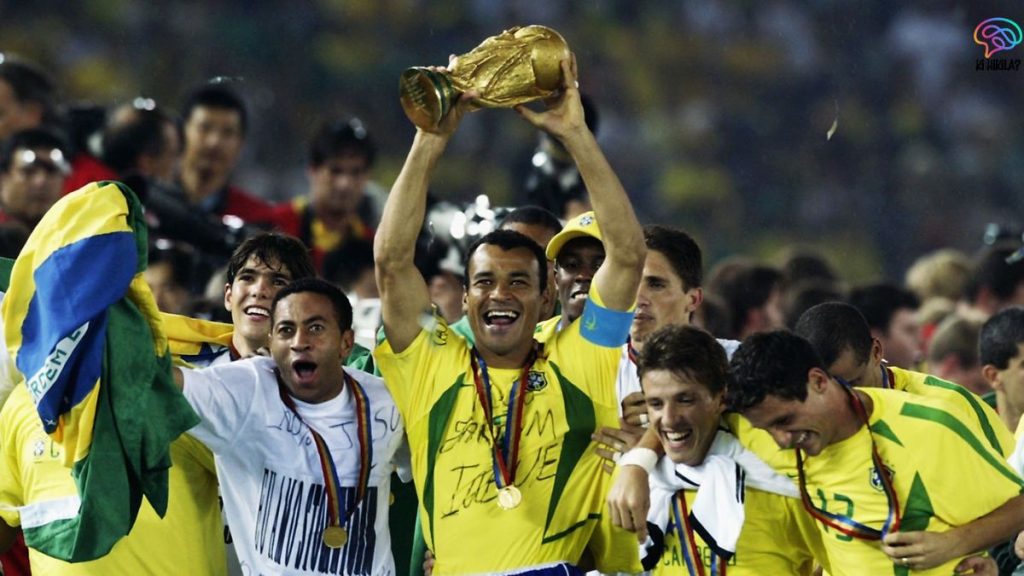
| 2002 | South Korea/Japan | Brazil | 2-0 | Germany | Ronaldo’s redemption; Brazil’s fifth title. |
| 2006 | Germany | Italy | 1-1 (5-3 pens) | France | Infamous for Zidane’s headbutt; Italy’s fourth title. |
| 2010 | South Africa | Spain | 1-0 (AET) | Netherlands | Andrés Iniesta’s extra-time goal; Spain’s first title. |
| 2014 | Brazil | Germany | 1-0 (AET) | Argentina | Mario Götze’s extra-time goal; Germany’s fourth title. |
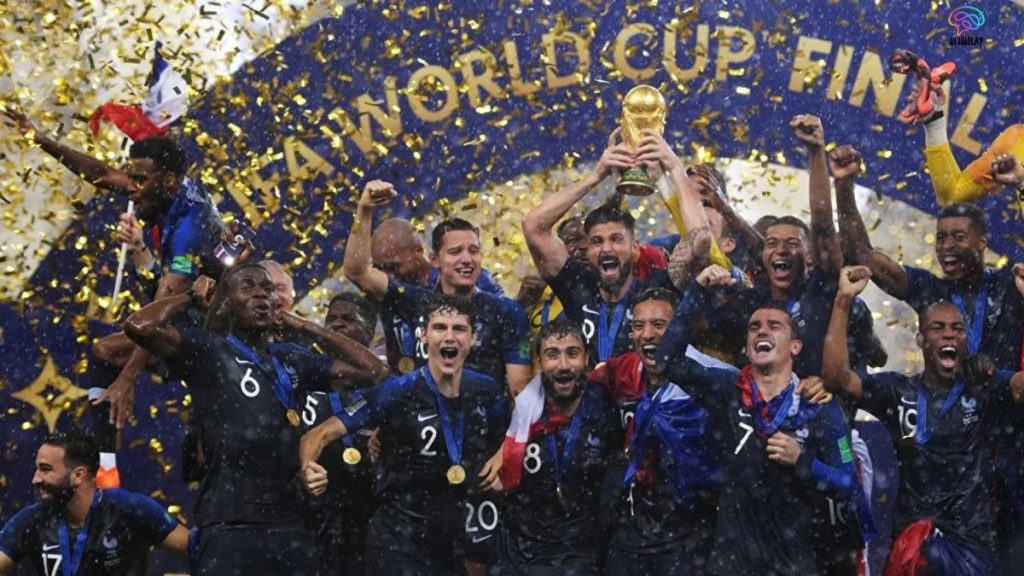
| 2018 | Russia | France | 4-2 | Croatia | France’s second title; Kylian Mbappé’s emergence. |
| 2022 | Qatar | Argentina | 3-3 (4-2 pens) | France | Lionel Messi’s crowning moment; Argentina’s third title. |
This table encapsulates the FIFA World Cup Winners List, highlighting the diversity of champions and the drama of final matches.
Regional Dominance in the FIFA World Cup Winners List
South America: A Footballing Powerhouse
South American nations have been integral to the FIFA World Cup Winners List, with Brazil, Argentina, and Uruguay collectively winning 10 titles. Brazil’s five victories (1958, 1962, 1970, 1994, 2002) make it the most successful nation, driven by legends like Pelé and Ronaldo. Argentina’s three titles (1978, 1986, 2022) include iconic performances by Diego Maradona and Lionel Messi. Uruguay’s early triumphs (1930, 1950) set the stage for South America’s footballing legacy. This region’s dominance reflects its passion and technical prowess in the sport.
Europe: Consistent Excellence
Europe has contributed significantly to the FIFA World Cup Winners List, with 12 titles across Germany (4), Italy (4), France (2), England (1), and Spain (1). Germany’s consistent appearances in finals (eight times) underscore their footballing discipline, while Italy’s tactical mastery shone in 1934, 1938, 1982, and 2006. France’s modern successes (1998, 2018) highlight their blend of flair and strategy. England’s 1966 triumph and Spain’s 2010 victory add to Europe’s rich World Cup history.
Notable Moments in the FIFA World Cup Winners List
The FIFA World Cup Winners List is filled with iconic moments. Uruguay’s 1950 “Maracanazo” stunned host Brazil, while West Germany’s 1954 “Miracle of Bern” defied expectations against Hungary. Brazil’s 1970 team, led by Pelé, is often cited as the greatest ever, with their 4-1 rout of Italy. Maradona’s 1986 “Hand of God” and “Goal of the Century” defined Argentina’s triumph. Italy’s 2006 win was marred by Zidane’s headbutt, while Argentina’s 2022 penalty shootout victory over France capped Lionel Messi’s legacy. These moments make the FIFA World Cup Winners List a treasure trove of football history.
Recent Results and Trends
The 2022 World Cup in Qatar saw Argentina defeat France 4-2 on penalties after a thrilling 3-3 draw, marking their third title and Lionel Messi’s first World Cup triumph. France’s 2018 victory over Croatia (4-2) showcased their depth, with stars like Kylian Mbappé. Germany’s 2014 extra-time win against Argentina and Spain’s 2010 triumph over the Netherlands highlight the trend of tightly contested finals, often decided by a single goal or penalties. The FIFA World Cup Winners List reflects an increasing competitiveness, with no new winners since Spain in 2010.
Significance of the FIFA World Cup Winners List
The FIFA World Cup Winners List is more than a record; it’s a narrative of global football’s evolution. It highlights the dominance of Brazil, Germany, and Italy, the emergence of France and Spain, and the enduring legacy of South American pioneers like Uruguay. For fans, it’s a source of pride and nostalgia, while for analysts, it offers insights into tactical trends and national strengths. The list is also valuable for students and quiz enthusiasts, as it’s a frequent topic in general knowledge and sports trivia.
Challenges and Controversies
The FIFA World Cup Winners List is not without controversy. The 1950 final’s round-robin format confused some, while Argentina’s 1978 win on home soil raised questions about political influence. Italy’s 2006 victory followed a domestic match-fixing scandal, adding scrutiny. Recent tournaments, like Qatar 2022, faced debates over hosting decisions. Despite these issues, the FIFA World Cup Winners List remains a celebrated record of footballing achievement, with each title hard-earned on the global stage.
Looking Ahead: FIFA World Cup 2026
The 2026 World Cup, hosted by the United States, Canada, and Mexico, will expand to 48 teams, potentially diversifying the FIFA World Cup Winners List. While traditional powerhouses like Brazil, Germany, and Argentina are favorites, emerging nations could challenge the status quo. The tournament’s expanded format and joint hosting promise new dynamics, making the next addition to the FIFA World Cup Winners List highly anticipated.
The FIFA World Cup Winners List is a chronicle of football’s greatest triumphs, from Uruguay’s 1930 victory to Argentina’s 2022 masterpiece. With only eight nations claiming the title across 22 tournaments, the list underscores the exclusivity of World Cup success. The table above provides a clear, detailed overview, while the regional analysis and notable moments add depth to the narrative. Whether you’re a fan, student, or researcher, the FIFA World Cup Winners List offers a rich tapestry of history, drama, and inspiration. For further exploration, refer to resources like FIFA’s official records or detailed guides on Wikipedia.
Also Read:
Healthy Millets in India for a Better Lifestyle
Comprehensive Guide to the Indian Financial System: Structure and Importance
Exploring Aarogya Setu Portal: India’s Health Tracking Application
Frequently Asked Questions (FAQ) on FIFA World Cup Winners
1. What is the FIFA World Cup?
The FIFA World Cup is an international football (soccer) tournament held every four years, where national teams compete for the championship.
2. Who are the most successful FIFA World Cup winners?
Brazil is the most successful team, winning 5 times, followed by Germany and Italy, each with 4 titles.
3. Which team won the first FIFA World Cup?
Uruguay won the first FIFA World Cup in 1930, defeating Argentina 4-2 in the final.
4. Which country hosted the most FIFA World Cups?
Brazil has hosted the tournament twice, along with Italy, France, Germany, and Mexico, which have also hosted multiple times.
5. Who are some notable players in World Cup history?
Famous players include Pelé, Diego Maradona, Zinedine Zidane, Ronaldo, Lionel Messi, and Kylian Mbappé, known for their incredible performances.
6. What is the fastest goal in FIFA World Cup history?
The fastest goal was scored by Hakan Şükür (Turkey) in 2002, just 11 seconds after kickoff.
7. How many teams compete in the FIFA World Cup?
Since 1998, 32 national teams have competed in the tournament. Starting 2026, the number will increase to 48 teams.
8. What are some of the most memorable finals?
Memorable finals include:
- 1950: Uruguay vs Brazil (the “Maracanazo”)
- 1970: Brazil vs Italy
- 2014: Germany vs Argentina
9. Which country is the defending FIFA World Cup champion?
Argentina is the defending champion, winning the 2022 FIFA World Cup in Qatar by defeating France in the final.
10. Why is the FIFA World Cup so popular?
The FIFA World Cup is popular because it unites nations, showcases top football talent, creates unforgettable moments, and has a rich history full of exciting stories.