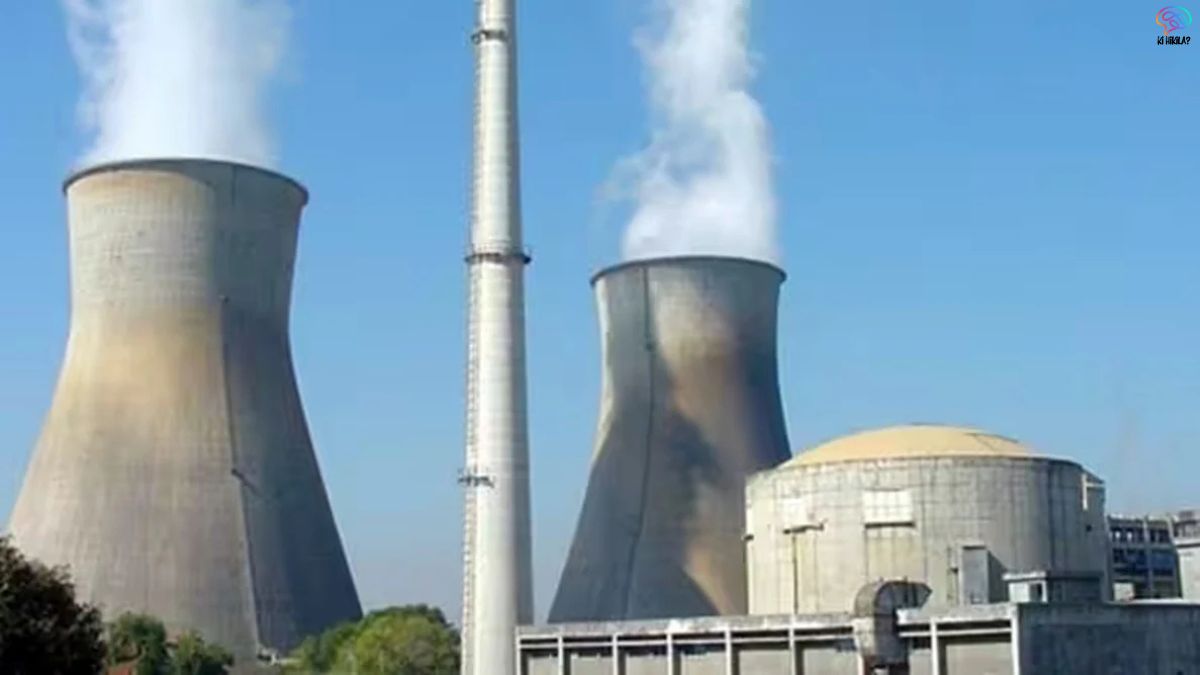
Nuclear Power Plants in India: History, Operations, Technology, and Future Prospects

India’s energy landscape is evolving rapidly to meet the demands of its growing population and industrialization. Among the various energy sources, nuclear power plays a pivotal role in providing clean, reliable, and sustainable electricity. the details of nuclear power plants in India, exploring their history, current status, operational details, technological advancements, and future plans. With a focus on sustainability and energy security, nuclear power is a cornerstone of India’s energy strategy.
Thank you for reading this post, don't forget to subscribe!History of Nuclear Power Plants in India
India’s journey in nuclear energy began in the mid-20th century with the establishment of the Atomic Energy Commission in 1948. The first significant milestone was the commissioning of the Apsara reactor in 1956, Asia’s first nuclear reactor. The Tarapur Atomic Power Station (TAPS), operational since 1969, marked the beginning of commercial nuclear power generation in India. Despite international sanctions following India’s 1974 nuclear test, the country pursued self-reliance through indigenous technology, particularly Pressurized Heavy Water Reactors (PHWRs). The 2008 Indo-U.S. nuclear deal and the Nuclear Suppliers Group (NSG) waiver opened doors for international collaboration, enabling India to import nuclear fuel and technology.
Current Status of Nuclear Power Plants in India
As of April 2025, India operates 25 nuclear reactors across 8 nuclear power plants, with a total installed capacity of 8,880 MW. These plants contribute approximately 3% of the country’s total electricity generation, producing 57 TWh in FY 2024-25. The Nuclear Power Corporation of India Limited (NPCIL) oversees the operation of these facilities, ensuring safety and efficiency. Additionally, 11 reactors with a combined capacity of 8,700 MW are under construction, signaling significant expansion in the sector.
Table: Operational Nuclear Power Plants in India (2025)
| S.No. | Plant Name | Location | Units | Capacity (MW) | Year of Commissioning (First Unit) |
|---|---|---|---|---|---|
| 1 | Tarapur Atomic Power Station (TAPS) | Tarapur, Maharashtra | 2 x 160 MW, 2 x 540 MW | 1,400 | 1969 |
| 2 | Rajasthan Atomic Power Station (RAPS) | Rawatbhata, Rajasthan | 1 x 200 MW, 4 x 220 MW | 1,080 | 1973 |
| 3 | Madras Atomic Power Station (MAPS) | Kalpakkam, Tamil Nadu | 2 x 220 MW | 440 | 1984 |
| 4 | Kaiga Generating Station (KGS) | Kaiga, Karnataka | 4 x 220 MW | 880 | 2000 |
| 5 | Kudankulam Nuclear Power Station (KKNPS) | Kudankulam, Tamil Nadu | 2 x 1,000 MW | 2,000 | 2014 |
| 6 | Narora Atomic Power Station (NAPS) | Narora, Uttar Pradesh | 2 x 220 MW | 440 | 1991 |
| 7 | Kakrapar Atomic Power Station (KAPS) | Kakrapar, Gujarat | 2 x 220 MW, 2 x 700 MW | 1,840 | 1993 |
| 8 | Prototype Fast Breeder Reactor (PFBR) | Kalpakkam, Tamil Nadu | 1 x 500 MW | 500 | 2024 |
| Total | 25 Units | 8,880 MW |
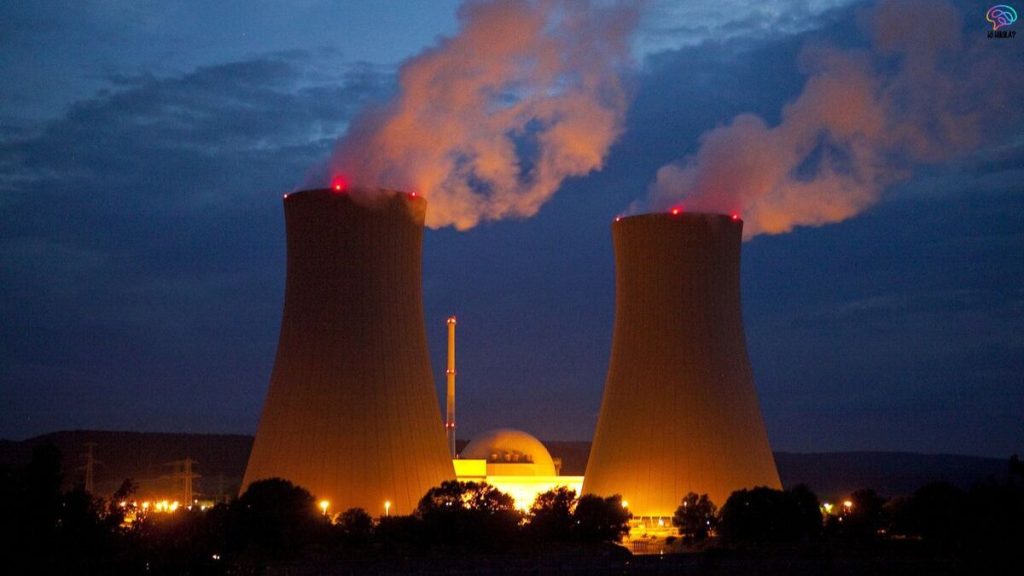
Types of Reactors in Nuclear Power Plants in India
India employs a variety of reactor technologies to meet its energy needs:
Pressurized Heavy Water Reactors (PHWRs)
PHWRs, developed indigenously, form the backbone of India’s nuclear power program. These reactors use natural uranium as fuel and heavy water as a moderator and coolant. They are highly efficient and support India’s self-reliance by reducing dependence on enriched uranium.
Boiling Water Reactors (BWRs)
The Tarapur Atomic Power Station operates BWRs, which were among India’s earliest reactors. These use light water as both coolant and moderator and were built with U.S. technical assistance in the 1960s.
Pressurized Water Reactors (PWRs)
The Kudankulam Nuclear Power Station uses Russian-designed PWRs, which operate with enriched uranium and light water. These reactors are known for their high capacity and reliability.
Fast Breeder Reactors (FBRs)
The Prototype Fast Breeder Reactor (PFBR) at Kalpakkam represents India’s advancements in thorium-based nuclear technology. FBRs produce more fissile material than they consume, supporting India’s three-stage nuclear program aimed at utilizing abundant thorium reserves.
Nuclear Fuel Cycle and Supporting Organizations
India’s nuclear power plants rely on a robust nuclear fuel cycle managed by several organizations:
- Uranium Corporation of India Ltd. (UCIL): Mines and processes uranium at facilities like Jaduguda, Jharkhand.
- Indian Rare Earths Limited (IREL): Extracts thorium and other rare earths from monazite sands.
- Nuclear Fuel Complex (NFC): Manufactures fuel assemblies for reactors.
- Heavy Water Board (HWB): Produces heavy water for PHWRs.
- Bhabha Atomic Research Centre (BARC): Conducts R&D, including thorium-based reactor designs.
These organizations ensure a steady supply of fuel and technological support for nuclear power plants in India.
Safety Measures in Nuclear Power Plants in India
Safety is paramount in nuclear power operations. The Atomic Energy Regulatory Board (AERB) oversees safety protocols, ensuring compliance with international standards. Post-Fukushima (2011), India enhanced safety measures, including stress tests, improved cooling systems, and stricter regulatory oversight. Public concerns, particularly protests against projects like Jaitapur and Kudankulam, have prompted greater transparency and community engagement.
Future Plans for Nuclear Power Plants in India
India has ambitious plans to expand its nuclear capacity to 100 GW by 2047, aligning with its net-zero emissions goal by 2070. Key initiatives include:
- Small Modular Reactors (SMRs): The 2025-26 Union Budget allocated ₹20,000 crore for SMR development, which offers scalability and flexibility.
- Private Sector Participation: Recent reforms allow private firms to engage in uranium mining and reactor operations, boosting capacity.
- International Collaboration: Partnerships with the U.S., Russia, and France enhance technology transfer and fuel supply.
- Thorium-Based Reactors: India’s three-stage nuclear program focuses on thorium utilization, with the PFBR as a critical step.
Nuclear Power Plants Under Construction
| S.No. | Plant Name | Location | Units | Capacity (MW) | Expected Completion |
|---|---|---|---|---|---|
| 1 | Kakrapar Atomic Power Station | Kakrapar, Gujarat | 2 x 700 MW | 1,400 | 2026 |
| 2 | Rajasthan Atomic Power Station | Rawatbhata, Rajasthan | 2 x 700 MW | 1,400 | 2027 |
| 3 | Kudankulam Nuclear Power Station | Kudankulam, Tamil Nadu | 4 x 1,000 MW | 4,000 | 2027-2029 |
| 4 | Madras Atomic Power Station | Kalpakkam, Tamil Nadu | 1 x 500 MW | 500 | 2025 |
| 5 | Gorakhpur Haryana Anu Vidyut Pariyojana | Fatehabad, Haryana | 2 x 700 MW | 1,400 | 2028 |
| Total | 11 Units | 8,700 MW |
Challenges Facing Nuclear Power(NP) Plants in India
Despite progress, several challenges persist:
- Regulatory Constraints: The Atomic Energy Act, 1962, limits private sector involvement, though recent reforms aim to address this.
- Public Opposition: Protests against projects like Jaitapur and Kudankulam highlight safety and environmental concerns.
- High Initial Costs: NP plants require significant upfront investment, though long-term costs are competitive.
- Geopolitical Factors: Dependence on imported uranium and technology necessitates strong international partnerships.
Why Nuclear Power Plants in India Matter
Nuclear power plants in India are critical for several reasons:
- Energy Security: They reduce reliance on fossil fuel imports, enhancing strategic autonomy.
- Low Carbon Emissions: Nuclear power supports India’s climate goals by providing low-carbon electricity.
- Stable Power Supply: Unlike solar or wind, nuclear plants offer consistent base-load power.
- Economic Growth: Expansion of nuclear capacity supports industrialization and job creation.
Blog Writing Tips for Optimal Engagement
To create an engaging blog on nuclear power plants in India, consider these tips:
- Keyword Density: Aim for a 1% keyword density. For a 1,000-word blog, use “Nuclear Power Plants in India” approximately 10 times, naturally integrated into the title, subheadings, and body.
- Subheadings: Use clear, descriptive subheadings (H2, H3) to break content into digestible sections, as demonstrated above.
- Tables and Lists: Incorporate tables (like those above) for data clarity and bullet points for key insights.
- Visual Appeal: Include images or infographics (e.g., maps of plant locations) to enhance readability, if feasible.
- Call-to-Action: Encourage readers to explore further resources or comment on their views about nuclear energy.
Nuclear power plants in India are a vital component of the nation’s energy mix, balancing sustainability, reliability, and economic growth. With ongoing expansions, technological advancements, and a focus on thorium-based reactors, India is poised to become a global leader in nuclear energy. By addressing challenges and leveraging international cooperation, the country can achieve its ambitious 100 GW target by 2047, paving the way for a cleaner, energy-secure future.
Also Read:
Fascinating Highest Mountains in India – Complete List
Comprehensive List of Indian Navy Chief Admirals: An Authoritative Guide
Frequently Asked Questions (FAQ) on Nuclear Power Plants in India:
1. What are Nuclear Power Plants in India?
Nuclear Power Plants in India are facilities where electricity is generated using nuclear energy through controlled nuclear fission reactions.
2. How many Nuclear Power Plants are currently operational in India?
India has 23 operational nuclear reactors across 7 power stations, with more under construction and planned.
3. Which was the first Nuclear Power Plant in India?
The Tarapur Atomic Power Station (TAPS) in Maharashtra, commissioned in 1969, was the first nuclear power plant in India.
4. Who controls and manages Nuclear Power Plants in India?
The Nuclear Power Corporation of India Limited (NPCIL), a government-owned company under the Department of Atomic Energy, operates India’s nuclear power plants.
5. What is the total nuclear power capacity of India?
As of 2025, India’s nuclear power capacity is about 7,480 MW, with projects underway to increase it significantly.
6. Why are Nuclear Power Plants important for India?
Nuclear Power Plants provide clean, reliable, and large-scale electricity, helping India reduce dependency on fossil fuels and fight climate change.
7. What safety measures are followed in Nuclear Power Plants in India?
India follows strict Atomic Energy Regulatory Board (AERB) guidelines, multiple safety barriers, and international standards to ensure reactor safety.
8. Which state in India has the highest number of Nuclear Power Plants?
Tamil Nadu has the highest number of nuclear reactors, including the Kudankulam Nuclear Power Plant, India’s largest.
9. What are India’s future plans for Nuclear Power Plants?
India plans to expand its nuclear power capacity to 22,480 MW by 2031, with advanced reactors and international collaborations.
10. How does nuclear energy compare with other energy sources in India?
Nuclear energy contributes a smaller share compared to coal, hydro, and solar, but it is a clean and consistent source of power that supports long-term energy security.