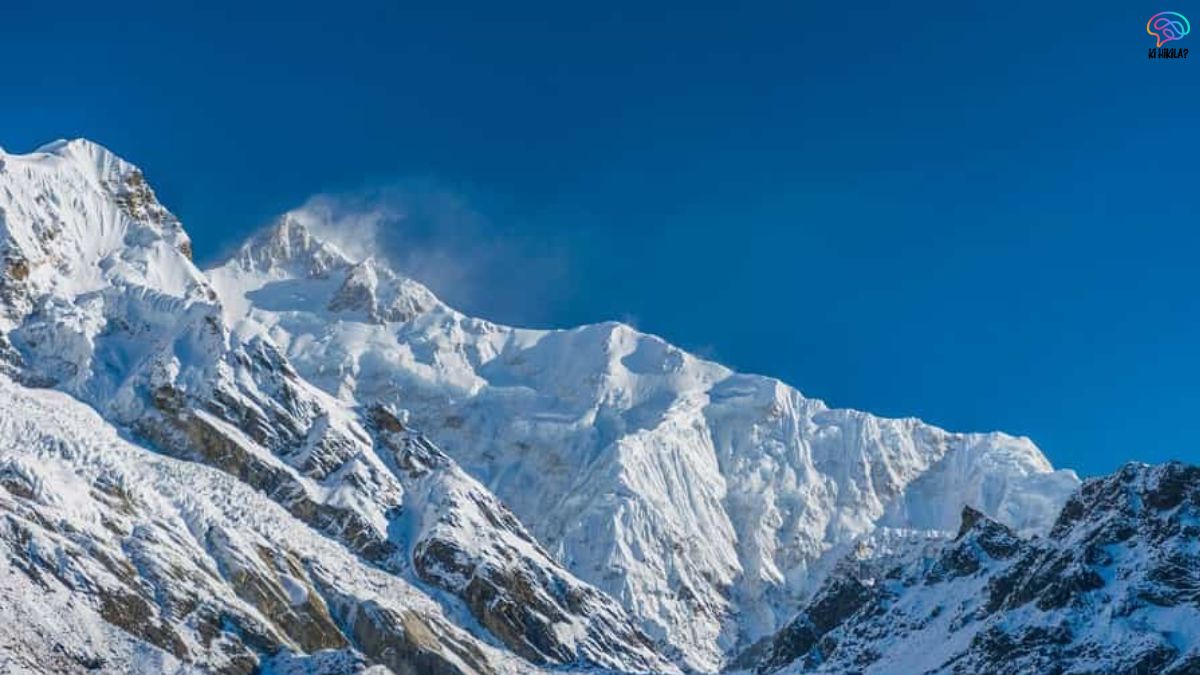
Fascinating Highest Mountains in India – Complete List

India is home to some of the most impressive mountain ranges in the world, primarily due to its position along the Himalayan and Karakoram ranges. The list of highest mountains in India includes peaks that attract climbers, researchers, and nature enthusiasts from around the globe. These mountains not only offer breathtaking views but also play a crucial role in the country’s geography, ecology, and culture. In this detailed exploration, we delve into the list of highest mountains in India, covering their heights, locations, historical significance, and more. This compilation draws from reliable sources to provide a comprehensive overview.
Thank you for reading this post, don't forget to subscribe!Overview of the List of Highest Mountains in India
The list of highest mountains in India is dominated by peaks in the northern regions, particularly in states like Sikkim, Uttarakhand, and Ladakh. Many of these mountains are part of the greater Himalayan system, which forms a natural barrier and influences weather patterns across the subcontinent. The highest peaks are often ultra-prominent, meaning they rise significantly from their surroundings, adding to their allure and challenge. For instance, the top entries in the list of highest mountains in India exceed 7,000 meters, with some bordering neighboring countries like Nepal and Pakistan. Understanding these peaks requires looking at their geological formation, which resulted from the collision of the Indian and Eurasian tectonic plates millions of years ago.
To give a structured view, here is a table summarizing the top 10 peaks in the list of highest mountains in India, based on elevation and prominence:
| Rank | Mountain Name | Height (meters) | Height (feet) | Location (State/Union Territory) | Range |
|---|---|---|---|---|---|
| 1 | Kangchenjunga | 8,586 | 28,169 | Sikkim | Himalayas |
| 2 | Nanda Devi | 7,816 | 25,643 | Uttarakhand | Garhwal Himalaya |
| 3 | Kamet | 7,756 | 25,446 | Uttarakhand | Garhwal Himalaya |
| 4 | Saltoro Kangri | 7,742 | 25,400 | Ladakh | Karakoram |
| 5 | Saser Kangri I | 7,672 | 25,171 | Ladakh | Karakoram |
| 6 | Mamostong Kangri | 7,516 | 24,659 | Ladakh | Karakoram |
| 7 | Saser Kangri II E | 7,513 | 24,649 | Ladakh | Karakoram |
| 8 | Saser Kangri III | 7,495 | 24,594 | Ladakh | Karakoram |
| 9 | Teram Kangri I | 7,462 | 24,482 | Ladakh | Karakoram |
| 10 | Jongsong Peak | 7,462 | 24,482 | Sikkim | Himalayas |
This table highlights the concentration of high peaks in Ladakh, underscoring the region’s dominance in the list of highest mountains in India.
Detailed Profiles of Key Peaks in the List of Highest Mountains in India
To provide more depth, let’s examine the top peaks individually, including their geographical features, climbing histories, and cultural relevance.
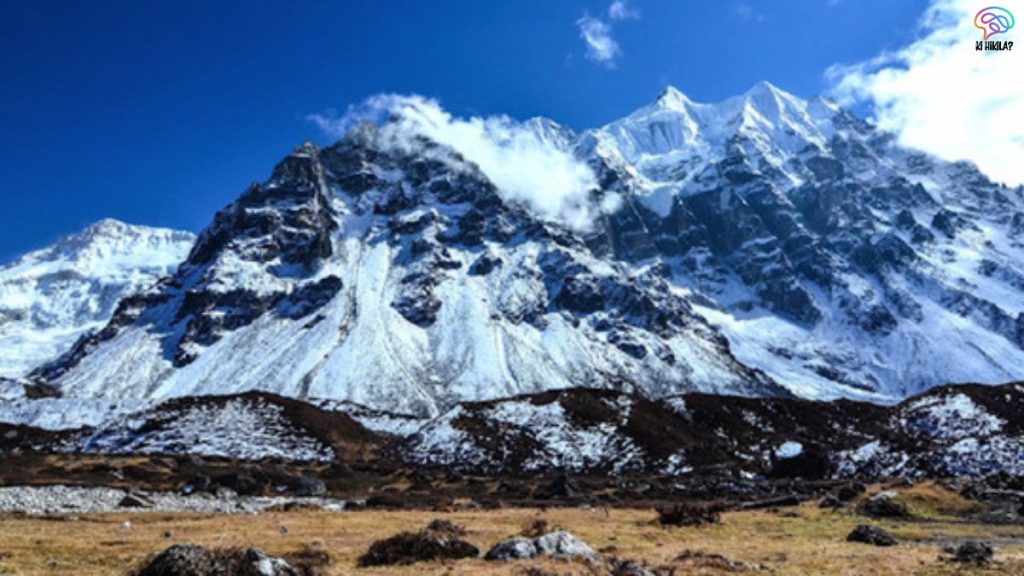
Kangchenjunga: The Pinnacle of the List of Highest Mountains in India
Kangchenjunga stands as the undisputed leader in the list of highest mountains in India, with an elevation of 8,586 meters. Located on the border between Sikkim in India and Nepal’s Koshi Province, it is the third-highest mountain globally, after Mount Everest and K2. The mountain’s massif includes multiple peaks, such as Kangchenjunga West, Main, Central, and South, forming a complex structure bounded by rivers like the Tamur, Lhonak, and Teesta.
Geographically, Kangchenjunga is vital for its role in river basins and monsoon patterns. It features four main glaciers covering about 314 square kilometers, supporting diverse ecoregions with species like snow leopards and red pandas. Until 1856, it was believed to be the world’s highest peak, but surveys confirmed its position.
Climbing history dates back to the 19th century, with early explorations by Joseph Dalton Hooker. The first ascent occurred on May 25, 1955, by Joe Brown and George Band of a British expedition, who stopped short of the true summit to respect local beliefs. The route involved the Yalung Glacier and Face, with a fatality rate over 20% in recent decades due to avalanches and weather.
Culturally, Kangchenjunga means “the five treasures of the high snow” in Tibetan, symbolizing sacred elements. It is revered in Sikkim, with legends of hidden valleys and demons. The surrounding Khangchendzonga National Park is a UNESCO World Heritage Site.
Nanda Devi: A Sacred Gem in the List of Highest Mountains in India
Ranking second in the list of highest mountains in India, Nanda Devi reaches 7,816 meters in Uttarakhand’s Chamoli Garhwal district. It is the highest peak entirely within India and forms a two-peaked massif with an eastern summit called Sunanda Devi. Surrounded by a ring of high mountains, it creates the Nanda Devi Sanctuary, a UNESCO World Heritage Site.
The peak’s steep rise—over 3,300 meters in just 4.2 kilometers—makes it one of the world’s steepest. Glaciers like Uttari Nanda Devi and Dakshini Nanda Devi drain into major rivers, enhancing its ecological importance.
Exploration began in 1883, but access through the Rishi Gorge proved challenging. The first ascent was on August 29, 1936, by Noel Odell and Bill Tilman via the south ridge. Later expeditions included controversial CIA operations in the 1960s to place nuclear devices, leading to environmental concerns and closures.
Named “Bliss-Giving Goddess,” Nanda Devi is the patron deity of the Garhwal Himalayas. The sanctuary was closed in 1983 for protection but allows limited eco-tourism. Recent events include a 2019 avalanche and 2021 glacier burst causing floods.
Kamet: A Prominent Entry in the List of Highest Mountains in India
Kamet, at 7,756 meters, is third in the list of highest mountains in India, located in Uttarakhand’s Chamoli District. It resembles a pyramid with a flat summit and two peaks, near the Tibetan Plateau, exposing it to harsh winds.
Surrounded by glaciers like West Kamet and East Kamet, it feeds rivers such as the Saraswati and Dhauliganga. Neighboring peaks include Abi Gamin and Mukut Parbat.
Climbing started in 1855, with the first ascent on June 21, 1931, by Frank Smythe and team via Meade’s Col. It was the highest climbed peak until 1936. Modern routes require multiple camps and technical skills.
The name may derive from Tibetan words meaning “huge grandmother” or “lower snows.” Notable ascents include a 1955 Indian team and award-winning face climbs in 2008 and 2012. A 2010 avalanche claimed lives during an expedition.
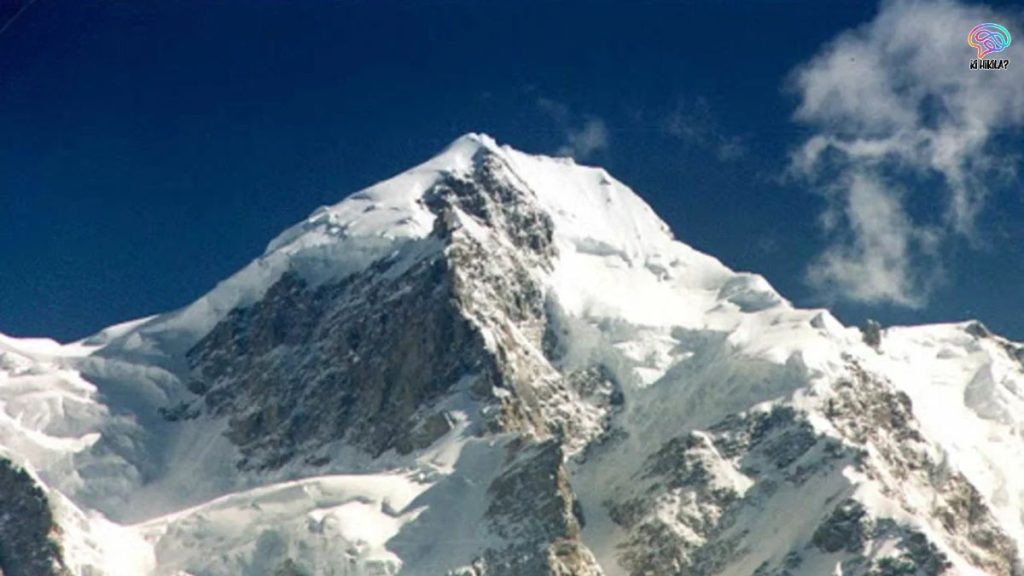
Saltoro Kangri: A Frontier Peak in the List of Highest Mountains in India
Saltoro Kangri, fourth in the list of highest mountains in India at 7,742 meters, is in Ladakh’s Saltoro Mountains, part of the Karakoram. It lies on the Actual Ground Position Line between India and Pakistan.
Its prominence makes it an ultra-peak. Early reconnaissance was by Fanny Bullock Workman in 1911-12.
The first ascent was on July 24, 1962, by a Japanese-Pakistani team via the southeast ridge. An Indian ascent followed in 1981. Due to geopolitical issues, ascents are limited.
No specific cultural details are noted, but its location ties it to regional conflicts like the Siachen dispute.
Saser Kangri I: Dominating the Karakoram in the List of Highest Mountains in India
At 7,672 meters, Saser Kangri I is fifth in the list of highest mountains in India, in Ladakh’s Saser Muztagh. Meaning “Yellow Snow Mountain,” it heads a massif with multiple peaks.
Glaciers like North Shukpa Kunchang and Sakang drain into the Nubra River.
Early exploration was in 1909, with the first ascent on June 5, 1973, by Indo-Tibetan Border Police via the southeast. The western side was climbed in 1987.
A 2018 crevasse incident highlighted rescue challenges. Its ultra-prominence ranks it globally.
Mamostong Kangri: A Remote Contender in the List of Highest Mountains in India
Mamostong Kangri, sixth at 7,516 meters, is in Ladakh’s Rimo Muztagh. It sources glaciers like South Chong Kumdan and Mamostong.
First explored in 1907, the initial ascent was on September 13, 1984, by an Indo-Japanese team via the northeast ridge. Multiple Indian expeditions followed.
Its disputed status limits access, tying it to military history.
Geographical Distribution in the List of Highest Mountains in India
The list of highest mountains in India shows a clear pattern: most are in the north. Ladakh hosts many Karakoram peaks, Uttarakhand the Garhwal Himalayas, and Sikkim the eastern Himalayas. Other states have lower peaks, like Anamudi (2,695 m) in Kerala or Arma Konda (1,680 m) in Andhra Pradesh.
Climbing Challenges and History Across the List of Highest Mountains in India
Climbing these peaks involves extreme conditions, from avalanches to geopolitical restrictions. Early British expeditions paved the way, with modern efforts by Indian teams. Environmental concerns have led to protections, like bans in sensitive areas.
Ecological and Cultural Significance of the List of Highest Mountains in India
These mountains support biodiversity and hold spiritual value, influencing local traditions and economies through tourism.
Exploring the List of Highest Mountains in India
The list of highest mountains in India represents natural wonders that continue to inspire. Whether for adventure or study, they remain integral to India’s heritage.
Also Read:
Important Role of Members of Parliament in Building a Strong Nation
Ramsar Award: Celebrating Global Champions of Wetland Wise Use
FAQs About the List of Highest Mountains in India
- What is the highest mountain in India? Kangchenjunga, standing at 8,586 meters, tops the list of highest mountains in India. It is located in Sikkim, on the border with Nepal, and is the third-highest peak globally.
- How many peaks in the list of highest mountains in India are above 7,000 meters? There are at least 10 peaks in the list of highest mountains in India that exceed 7,000 meters, primarily in the Himalayan and Karakoram ranges, such as Nanda Devi, Kamet, and Saltoro Kangri.
- Where are most of the peaks from the list of highest mountains in India located? Most peaks in the list of highest mountains in India are found in Ladakh, Uttarakhand, and Sikkim, within the Karakoram and Himalayan ranges.
- Is Kangchenjunga entirely in India? No, Kangchenjunga lies on the border between India (Sikkim) and Nepal. It is included in the list of highest mountains in India due to its significant presence in Indian territory.
- What is the significance of Nanda Devi in the list of highest mountains in India? Nanda Devi, at 7,816 meters, is the highest peak entirely within India and holds cultural importance as the “Bliss-Giving Goddess” in Uttarakhand, surrounded by a UNESCO-protected sanctuary.
- Are the peaks in the list of highest mountains in India open for climbing? Some peaks, like Nanda Devi, have restricted access due to environmental or geopolitical reasons. Others, like Kangchenjunga, are climbable with permits, but climbers face extreme challenges.
- Which range dominates the list of highest mountains in India? The Himalayan and Karakoram ranges dominate the list of highest mountains in India, with Ladakh hosting many Karakoram peaks and Uttarakhand and Sikkim featuring Himalayan ones.
- What are the ecological roles of the peaks in the list of highest mountains in India? These mountains support glaciers that feed major rivers, like the Ganges and Indus, and host unique ecosystems with species such as snow leopards, contributing to India’s biodiversity.
- Who were the first to climb Kangchenjunga from the list of highest mountains in India? Joe Brown and George Band, part of a British expedition, made the first confirmed ascent of Kangchenjunga on May 25, 1955, stopping just below the summit to respect local beliefs.
- How can one visit the regions containing the list of highest mountains in India? Visiting requires permits for restricted areas like Ladakh or Sikkim. Trekking and eco-tourism are possible in places like Nanda Devi Sanctuary, with guided tours available through licensed operators.