World War I: Causes, Events and Effects

World War I, also known as the Great War, was one of the most devastating conflicts in human history. It lasted from 28 July 1914 to 11 November 1918 and involved many of the world’s most powerful nations. The war was fought mainly between two major groups: the Allied Powers and the Central Powers. The Allied Powers included France, Russia, and Britain, and later the United States joined them in 1917. On the other side, the Central Powers consisted of Germany, Austria-Hungary, the Ottoman Empire, and Bulgaria.
Thank you for reading this post, don't forget to subscribe!This war changed the political, economic, and social structure of the entire world. It not only caused millions of deaths but also reshaped nations and laid the foundation for future global conflicts.
Causes of World War I
World War I did not start because of a single event. Instead, it was the result of several long-term and short-term causes that gradually increased tensions in Europe.
1. Expansionist Policy of Germany
In 1890, Germany’s new emperor, Kaiser Wilhelm II, adopted an aggressive foreign policy aimed at making Germany a global power. This policy alarmed other European nations, especially Britain and France. Germany’s rapid industrial growth and military strength made it a major threat, increasing tension across Europe.
2. System of Alliances
Before the war, many European countries formed alliances for protection. These alliances created two powerful groups:
- Triple Alliance (1882): Germany, Austria-Hungary, and Italy
- Triple Entente (1907): Britain, France, and Russia
These alliances meant that if one country was attacked, others would join the war. This system turned a small conflict into a large-scale war.
3. Imperialism
European nations competed to expand their empires, especially in Africa and Asia. They wanted raw materials and new markets. This competition increased rivalry and hostility among powerful nations.
4. Militarism
Militarism refers to the belief in building strong armed forces. By the early 20th century, European countries were heavily investing in their military. Germany and Britain, in particular, were engaged in a naval arms race. This military buildup made war more likely.
5. Nationalism
Nationalism played a key role in causing the war. Many ethnic groups wanted independence or unity. In the Balkans, Slavic people in Bosnia and Herzegovina wanted to join Serbia instead of being ruled by Austria-Hungary. This created tension in the region.
6. Assassination of Archduke Franz Ferdinand
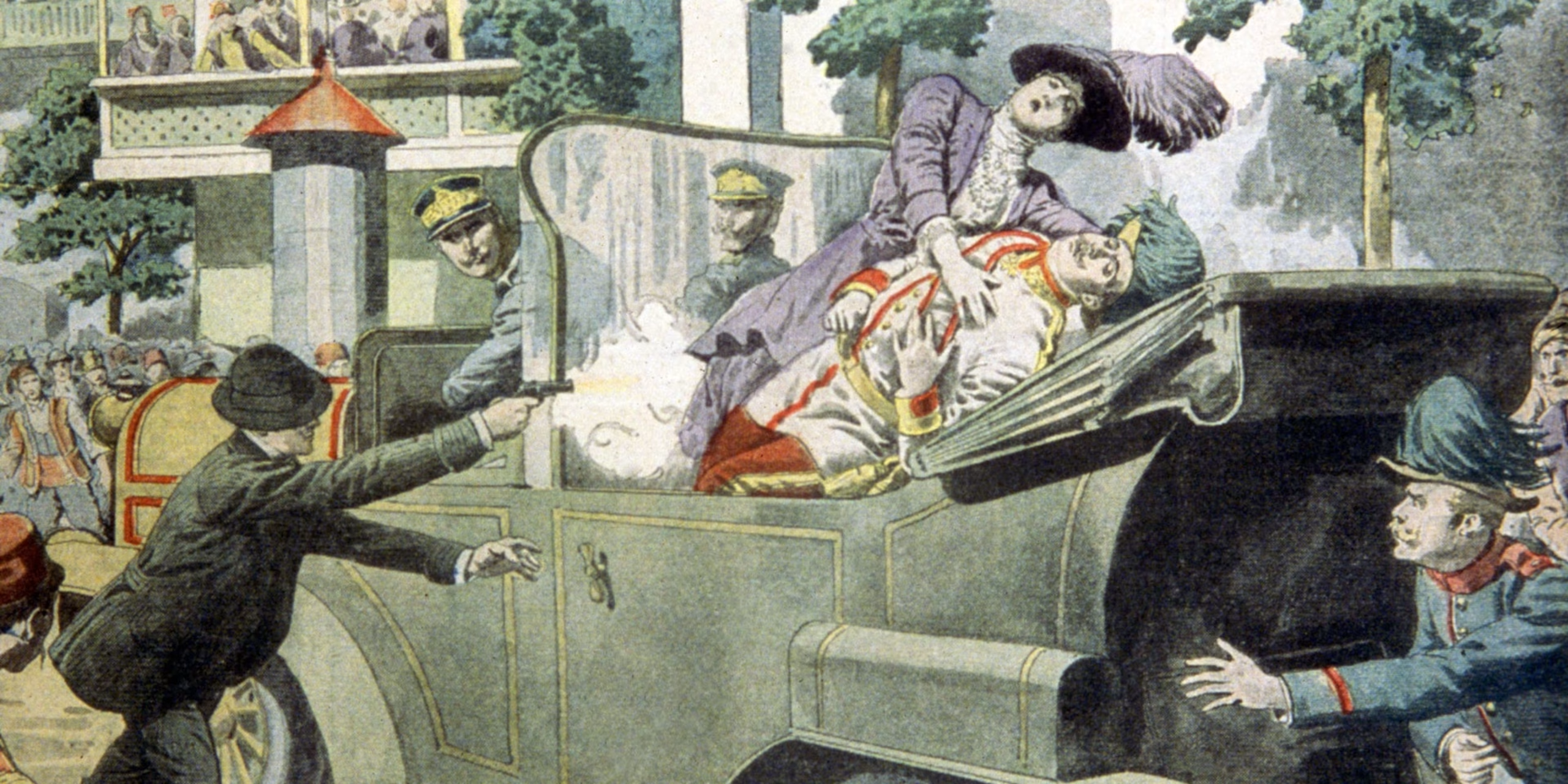
The immediate cause of the war was the assassination of Archduke Franz Ferdinand, heir to the throne of Austria-Hungary, in June 1914 in Sarajevo. He was killed by a Serbian nationalist.
This event triggered a chain reaction:
- Austria-Hungary declared war on Serbia
- Russia supported Serbia
- Germany supported Austria-Hungary and declared war on Russia
- Germany attacked France through Belgium
- Britain declared war on Germany
Thus, a regional conflict turned into a world war.
Major Battles of World War I
World War I witnessed several major and deadly battles:
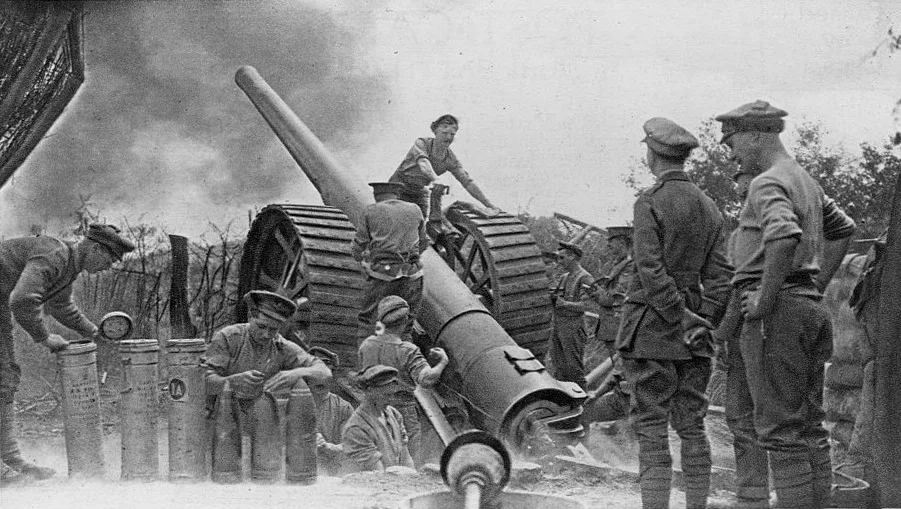
- First Battle of the Marne (1914): Stopped German advance into France
- Battle of Verdun (1916): One of the longest battles, with heavy casualties
- Battle of the Somme (1916): Known for massive loss of life
- Battle of Tannenberg (1914): Germany defeated Russia
- Gallipoli Campaign (1915–16): Failed Allied attempt to control sea route to Russia
These battles showed the brutality and scale of the war.
Phases of the War
Western Front
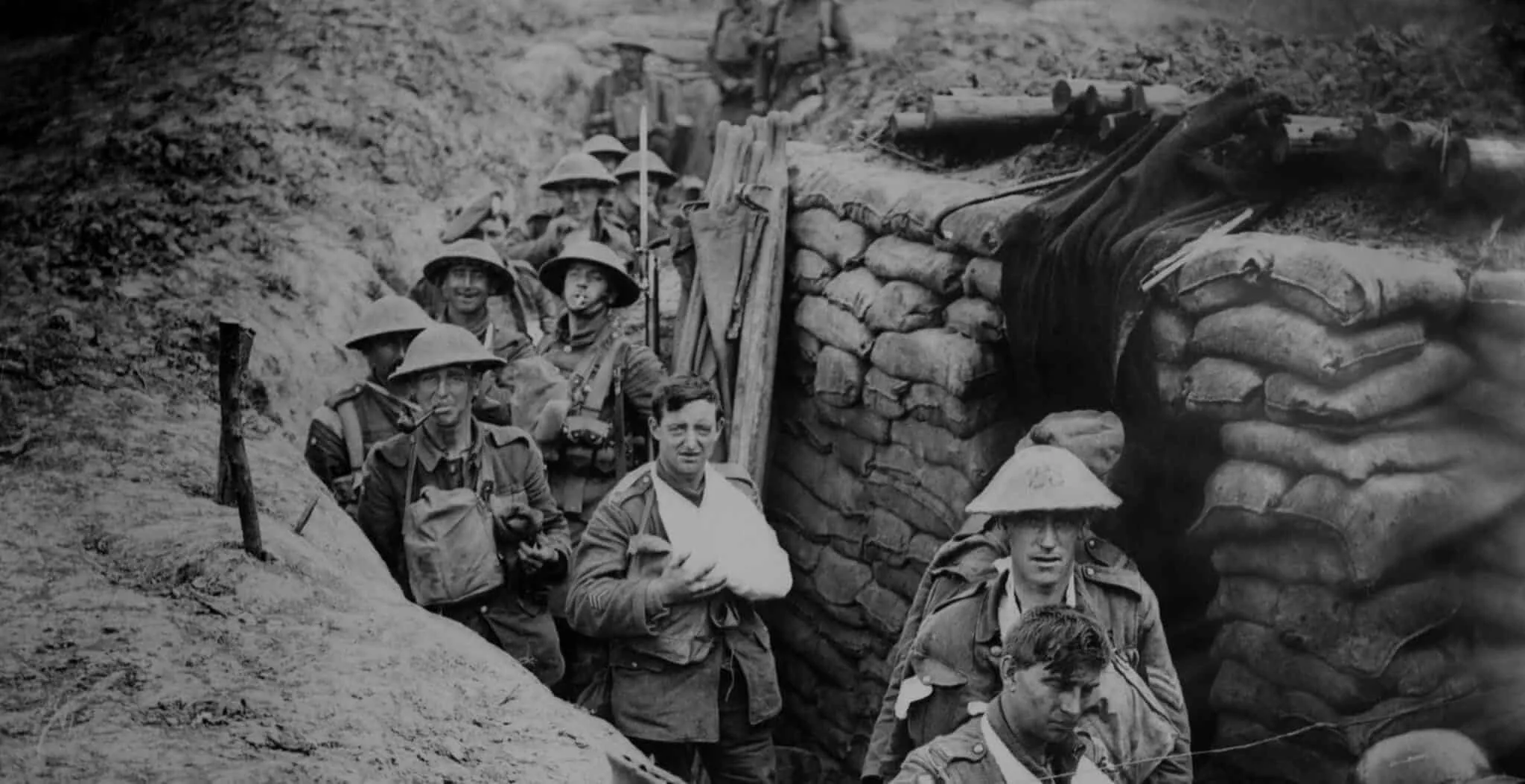
The Western Front included France and Belgium, where Germany fought against Britain, France, and later the United States. After initial movement, the war turned into trench warfare. Soldiers lived in trenches for long periods, leading to a slow and deadly “war of attrition.”
Eastern Front
On the Eastern Front, Russia fought against Germany and Austria-Hungary. The fighting here was more mobile, but Russia suffered heavy losses.
Turning Point (1917)
Two major events changed the course of the war:
- The United States entered the war on the side of the Allies
- Russia withdrew after the Russian Revolution
End of the War (1918)
Germany launched a final offensive in 1918 but failed. The Allied forces counterattacked and forced Germany to retreat. Internal unrest in Germany led to the abdication of Kaiser Wilhelm II. Finally, an armistice was signed on 11 November 1918, ending the war.
Consequences of World War I
1. Economic Consequences
The war caused massive economic destruction. Countries spent huge amounts of money:
- Germany and Britain spent nearly 60% of their national income
- Governments raised taxes and borrowed money
- Printing of money caused inflation
Many economies were left in crisis after the war.
2. Political Consequences
World War I ended several powerful empires:
- Russian Empire
- German Empire
- Austro-Hungarian Empire
- Ottoman Empire
New nations were created, such as Poland, Czechoslovakia, and Yugoslavia. The map of Europe changed completely.
3. Social Consequences
The war deeply affected society:
- Millions of soldiers died or were injured
- Many families were left without breadwinners
- Birth rates declined
Women played an important role during the war. They worked in factories and offices, replacing men. After the war, many countries granted women more rights, including voting rights.
Social structure also changed, as middle and lower classes demanded more political power.
Treaty of Versailles (1919)
The Treaty of Versailles officially ended World War I on 28 June 1919. It aimed to prevent future wars but had harsh terms for Germany.
Key Terms:
Territorial Changes
- France regained Alsace and Lorraine
- Poland received German territories
- Germany lost all colonies
- New boundaries were drawn in Europe
Military Restrictions
- German army limited to 100,000 soldiers
- No tanks, aircraft, or heavy weapons allowed
- Rhineland demilitarized
War Reparations
Germany was forced to accept blame for the war and pay heavy compensation to the Allies.
Other Treaties
- Treaty of Neuilly (1919): Imposed penalties on Bulgaria
- Treaty of Sevres (1920): Imposed harsh terms on the Ottoman Empire
These treaties further reshaped Europe and the Middle East.
League of Nations
After the war, the League of Nations was formed to maintain peace and prevent future conflicts. It was the first international organization of its kind. However, it had limited success due to lack of power and participation from major countries.
Impact on India
India, under British rule, played a significant role in World War I.
Contribution of India
- Over 1 million Indian soldiers served in the war
- They fought in Europe, Africa, and the Middle East
- Around 70,000 Indian soldiers died
India also provided:
- Money (about 100 million British pounds)
- Food and war supplies
British Promises
The British promised self-rule to India after the war in return for its support. However, these promises were not fulfilled, which increased dissatisfaction among Indians and strengthened the freedom movement.
Long-Term Effects of World War I
World War I brought several long-term changes:
- The United States emerged as a global power
- The Russian Revolution led to the rise of communism
- Economic problems and political instability increased
- Extreme nationalism grew in many countries
The harsh terms of the Treaty of Versailles created anger in Germany. This eventually led to the rise of Adolf Hitler and the outbreak of World War II.
Conclusion
World War I was one of the most important events in modern history. It changed the political map of the world, destroyed empires, and caused immense human suffering. Although it was called “the war to end all wars,” it failed to bring lasting peace. Instead, it created conditions that led to another global conflict just two decades later.
The lessons of World War I continue to remind us of the dangers of war, nationalism, and political rivalry, and the importance of international cooperation for peace.
FAQs
1. What was World War I?
World War I was a global war fought from 1914 to 1918 between the Allied Powers and Central Powers.
2. What caused World War I?
The war was caused by militarism, alliances, imperialism, nationalism, and the assassination of Archduke Franz Ferdinand.
3. Which countries fought in World War I?
Allied Powers included Britain, France, Russia, and the USA, while Central Powers included Germany, Austria-Hungary, and the Ottoman Empire.
4. What was the Treaty of Versailles?
It was the peace treaty signed in 1919 that ended World War I and imposed harsh penalties on Germany.
5. What was India’s role in World War I?
India supported Britain by sending soldiers, money, and supplies to different war fronts.
6. Why is World War I important?
It changed world politics, ended empires, and led to the rise of World War II.