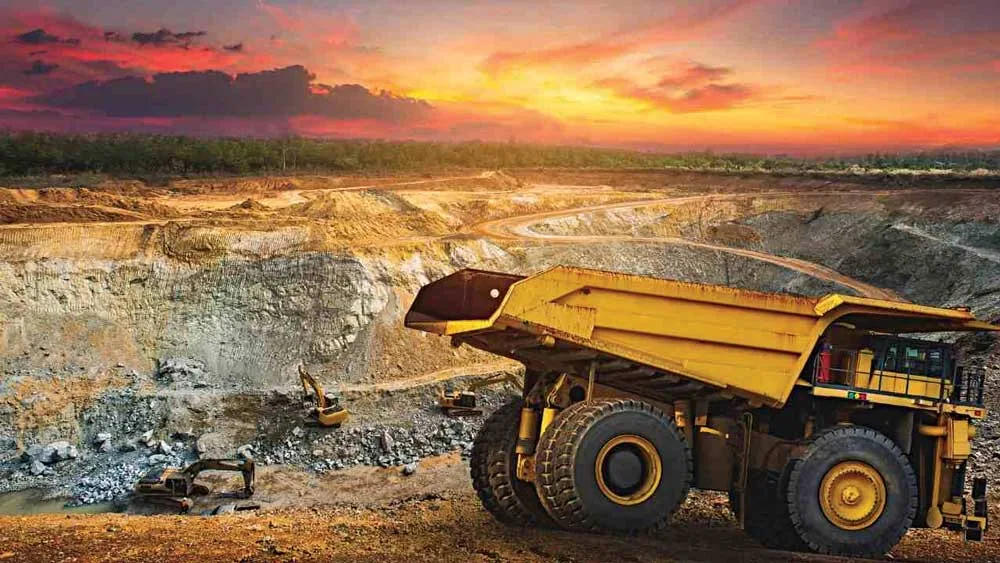
Mining Sector in India Explained

Mining Sector in India plays a very important role in the country’s growth and development. It provides essential raw materials like coal, iron, copper, and bauxite that are needed for industries such as construction, electricity, and manufacturing. Without mining, modern life would not be possible because almost everything we use depends on minerals.
Thank you for reading this post, don't forget to subscribe!India is rich in mineral resources, both on land and under the sea. However, only a small portion of these resources is actually explored and mined. At the same time, the sector faces many problems such as environmental damage, safety risks, and displacement of people.
Why Mining Sector is in News
- India recorded 377 mine-related deaths in the last 3 years, showing safety concerns.
- The government is planning to explore deep-sea mining to extract minerals from the ocean floor.
Background of Mining in India
India has a total geographical area of about 328 million hectares, but mining activities take place in only a very small part of it.
- Mining lease area is just 0.14% of total land.
- Only about 20% of this area is actively mined.
India is rich in many minerals such as:
- Coal
- Iron ore
- Bauxite
- Copper
- Crude oil and natural gas
- Rare earth minerals
India produces around 95 types of minerals, which include:
| Type of Mineral | Number |
|---|---|
| Fuel minerals | 4 |
| Metallic minerals | 10 |
| Non-metallic minerals | 23 |
| Atomic minerals | 3 |
| Minor minerals | 55 |
There were more than 2,100 mines operating in India (excluding some categories).
Role of Mining Sector in Indian Economy
Mining is a backbone of industrial development. It supports many important sectors.

Key Contributions
- Supports Industrial Growth
Mining provides raw materials for industries like steel, cement, and power. - GDP Contribution
- Around 2.3% to 2.5% of India’s GDP comes from mining.
- Employment Generation
- Provides jobs to both skilled and unskilled workers.
- Many rural people depend on mining for livelihood.
- Boost to Infrastructure
- Roads, railways, and industries develop near mining areas.
- Reduces Imports
- India produces large amounts of steel and minerals, reducing dependency on imports.
- Export Earnings
- Minerals like iron ore and mica are exported.
Growth Data
- Mineral production value: about $16.6 billion (2017-18)
- Growth rate: around 5.7% annually
Geographical Distribution of Minerals in India
Minerals are not evenly distributed. Some states are very rich in minerals.
Major Mineral Regions
| Region/State | Important Minerals |
|---|---|
| Jharkhand | Coal, Iron ore |
| Odisha | Bauxite, Iron ore |
| Chhattisgarh | Coal, Limestone |
| Karnataka | Iron ore |
| Rajasthan | Marble, Zinc |
| Meghalaya | Coal (rat-hole mining) |
Legal Framework of Mining Sector
Mining in India is controlled by both Central and State Governments.
Key Laws and Rules
- MMDR Act, 1957
- Main law for mining regulation in India.
- State Government Role
- Owns minerals within their boundaries.
- Central Government Role
- Controls minerals in offshore areas (sea region).
- International Seabed Authority (ISA)
- Regulates mining in international waters.
- India has rights to explore minerals in the Central Indian Ocean Basin.
Important Government Policies
MMDR Amendment Act, 2015
- Introduced auction system for transparency
- Created District Mineral Foundation (DMF)
- Established National Mineral Exploration Trust (NMET)
- Focus on reducing illegal mining
National Mineral Policy 2019
This policy aims to improve the mining sector.

Key Features
- Encourages private sector participation
- Promotes modern technology and e-governance
- Supports mineral transport through waterways
- Focus on sustainable development
- Introduces intergenerational equity (saving resources for future generations)
- Proper use of DMF funds for local development
Challenges Faced by Mining Sector in India
The mining sector in India faces many serious challenges. These problems affect people, the environment, and the economy. Below is a detailed and simple explanation of all major issues.
1. Displacement and Social Issues
- Large-scale mining projects force local people to leave their homes and land.
- Poor rehabilitation and compensation create anger and dissatisfaction among people.
- It is not just loss of land, but also loss of tribal culture, traditions, and lifestyle.
- This has increased distrust towards government authorities.
- In mineral-rich states like Chhattisgarh, Jharkhand, and Odisha, such issues have even contributed to left-wing extremism.
2. Safety Issues in Mining
- Mining is a dangerous activity, especially when done without proper safety measures.
- Many mines still use old and unsafe methods.
- Workers often do not get proper safety equipment and training.
- This leads to frequent accidents and deaths.
Examples of accidents:
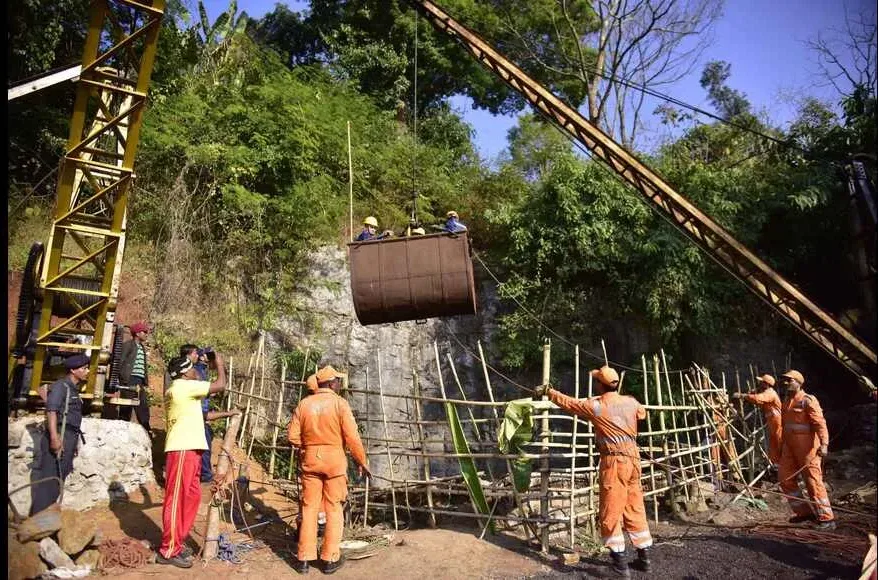
- Ksan coal mine accident in Meghalaya (2018)
- Chasnala mine disaster near Dhanbad (1975)
These incidents show the need for better safety rules and strict implementation.
3. Illegal Mining (Rat-Hole Mining)
- Rat-hole mining is a type of illegal and unsafe mining mainly seen in Meghalaya.
- It involves digging very small tunnels (3–4 feet high) where workers crawl inside.
- This method is done both vertically and horizontally, making it extremely risky.
- The National Green Tribunal (NGT) banned rat-hole mining in 2015 because:
- It is unscientific
- It is unsafe for workers
Why it is still practiced:
- Coal seams in Meghalaya are very thin
- Other mining methods are costly and not practical
- It is a locally developed technique and widely used
4. Environmental Problems
Mining causes serious damage to nature:
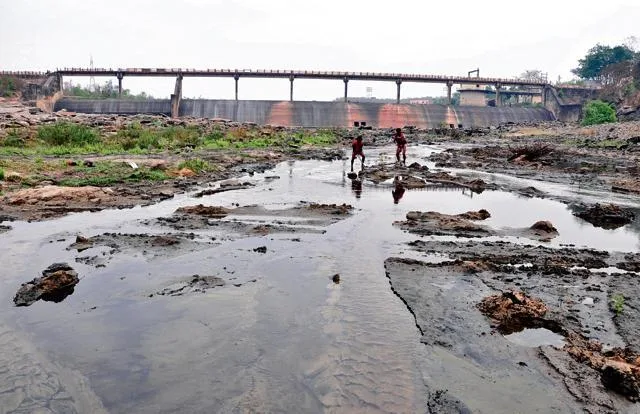
- Water Pollution
- Rivers like Damodar and Kopili have become polluted
- Water becomes acidic and unsafe for drinking
- Air Pollution
- Dust particles increase, causing breathing problems
- Land Degradation
- Large pits and holes are left after mining
- Example: Granite mines in Karnataka
- Loss of Biodiversity
- Forests are destroyed
- Wildlife and plants are affected
- Examples of damage
- Makrana marble mines in Rajasthan
- Coal mining pollution in Damodar river
5. Health Problems
Mining affects the health of both workers and nearby residents.
- Common diseases include:
- Silicosis
- Pneumoconiosis
- Fibrosis
- Lung and breathing problems
- Polluted air and water make living conditions worse in mining areas.
6. Human Rights Issues
- Mining activities sometimes lead to human rights violations.
- Issues include:
- Mine-related deaths
- Poor rehabilitation
- Lack of development in affected areas
- Many protests have taken place, such as:
- Niyamgiri Hills (Odisha)
- POSCO project protests
- Sterlite protest in Tamil Nadu
7. Administrative Issues
- Unfair allocation of mining blocks has led to corruption allegations.
- Many cases go to court, causing long delays and losses.
- Environmental clearances take too much time due to bureaucracy.
Examples:
- Supreme Court penalties on illegal mining (2017)
- Ban on mining in Niyamgiri Hills (Odisha)
- Closure of 88 illegal mining leases in Goa (2018)
Government Initiatives to Improve Mining Sector
The government has taken several important steps to solve these problems.
Key Initiatives
- Star Rating System
- Promotes sustainable and responsible mining
- Satellite Monitoring (ISRO + IBM)
- Mining Surveillance System (MSS)
- Uses remote sensing technology to detect illegal mining
- District Mineral Foundation (DMF)
- Funds used for development of mining-affected areas
- Part of Pradhan Mantri Khanij Kshetra Kalyan Yojana (PMKKKY)
- National Mineral Exploration Policy
- Encourages private companies to explore minerals
- 100% FDI in Mining
- Foreign investment allowed in mineral exploration
Way Forward (Solutions)
To improve the Mining Sector in India, the following steps should be taken:
1. Faster Clearances
- There is a need to speed up the clearance process for better and timely use of mineral resources.
- Reduce delays in environmental approvals while maintaining proper checks.
2. Use of Technology
- Use modern machines and advanced technologies for exploration.
- Strengthen digital monitoring and surveillance systems to detect illegal mining.
3. Strict Laws
- Ensure strict implementation of mining laws, especially banning rat-hole and unscientific mining.
- This will help prevent accidents and improve worker safety.
4. Transparency in Allocation
- Ensure transparent and rule-based allocation of mining blocks.
- This will reduce corruption and increase trust in the system.
5. Protect Environment
- Conduct proper Environmental Impact Assessment (EIA) before starting projects.
- Follow NGT guidelines strictly to protect forests and reduce environmental damage.
6. Social Impact & Rehabilitation
- Conduct Social Impact Assessment (SIA) before mining projects.
- Provide proper rehabilitation and respect tribal rights as per law.
- Ensure fair compensation and better resettlement for affected people.
7. Use of DMF Funds
- Proper use of District Mineral Foundation (DMF) funds for building:
- Schools
- Hospitals
- Roads
- Focus on overall development of mining-affected areas and integrate local people.
8. Worker Safety
- Provide proper safety equipment and training.
- Adopt global safety standards to avoid occupational hazards and diseases.
9. Sustainable Mining
- Follow eco-friendly and sustainable mining practices.
- Ensure long-term resource use with minimal harm to nature.
10. Adopt Global Best Practices
- Use international standards in mining operations.
- Ensure safe working conditions and efficient resource management.
FAQs on Mining Sector in India
1. What is mining?
Mining is the process of extracting minerals from the earth.
2. Why is mining important in India?
It provides raw materials for industries and supports economic growth.
3. Which state is richest in minerals?
States like Jharkhand, Odisha, and Chhattisgarh are very rich in minerals.
4. What is rat-hole mining?
It is a dangerous method of mining using small tunnels, mainly in Meghalaya.
5. What are the main problems in mining?
Environmental damage, displacement of people, and safety issues.