World Mental Health Day: Shining a Light on Mental Well-being in Times of Crisis

World Mental Health Day is more than just a date on the calendar it’s a global call to action that unites people, organizations, and governments in the fight for better mental health awareness and support. Observed annually on October 10th, World Mental Health Day serves as a reminder that mental health is a fundamental human right, deserving of the same attention and resources as physical health. As we approach World Mental Health Day 2025, with its timely theme “Access to Services: Mental Health in Catastrophes and Emergencies,” it’s crucial to reflect on how far we’ve come and how much further we need to go. In a world increasingly plagued by natural disasters, conflicts, and humanitarian crises, this year’s focus highlights the urgent need to integrate mental health services into emergency responses. Whether you’re reading this as someone affected by mental health challenges, a supporter, or simply someone curious about the topic, this blog will dive deep into the history, significance, statistics, and practical ways to engage with World Mental Health Day.
Thank you for reading this post, don't forget to subscribe!The History of World Mental Health Day: From Inception to Global Movement
The story of World Mental Health Day begins in the early 1990s, a time when mental health was still shrouded in stigma and misunderstanding across much of the world. It was first celebrated in 1992, initiated by the World Federation for Mental Health (WFMH), an international organization dedicated to promoting mental health advocacy and education. The WFMH, founded in 1948, recognized the need for a dedicated day to raise awareness about mental health issues and mobilize efforts to support those affected. Richard Hunter, the then-Deputy Secretary General of the WFMH, played a pivotal role in launching this initiative, envisioning it as a platform to educate the public and reduce the discrimination faced by individuals with mental health conditions.
In its inaugural year, World Mental Health Day was observed without a specific theme, focusing instead on general awareness. However, by 1994, themes were introduced to provide a focused lens for discussions and activities. Over the years, these themes have evolved to address pressing global issues, such as “Women and Mental Health” in 1996, “Mental Health and Aging” in 2003, and more recently, “Mental Health in the Workplace” in 2024. The World Health Organization (WHO) has been a key partner since the beginning, amplifying the day’s reach through its global campaigns and resources.
What started as a modest effort has grown into a worldwide phenomenon. Today, World Mental Health Day is recognized by the United Nations and observed in over 150 countries, involving governments, NGOs, schools, workplaces, and communities. Events range from seminars and workshops to social media campaigns and policy discussions. The day’s evolution reflects broader societal shifts: in the 1990s, the focus was on destigmatization; in the 2000s, it expanded to include prevention and treatment; and now, in the 2020s, it emphasizes equity, access, and integration with other health services.
One notable milestone was in 2013 when the WHO launched its Mental Health Action Plan 2013-2020, aligning with World Mental Health Day to push for comprehensive strategies. This plan was extended and updated, influencing policies worldwide. In recent years, the COVID-19 pandemic brought unprecedented attention to mental health, with World Mental Health Day 2020 themed “Mental Health for All: Greater Investment – Greater Access,” highlighting the surge in anxiety and depression during lockdowns.
The history of World Mental Health Day is not just about dates and themes it’s about real change. It has led to increased funding for mental health programs, better training for healthcare providers, and greater public discourse. For instance, in many countries, the day has spurred legislative reforms, like improved workplace mental health policies. As we mark World Mental Health Day 2025, we honor this legacy while looking forward to addressing new challenges, such as those in humanitarian settings.
To truly appreciate the impact, consider how World Mental Health Day has influenced cultural narratives. In media and entertainment, there’s been a shift from portraying mental illness as a weakness to viewing it as a manageable condition. Celebrities sharing their stories on this day have helped normalize conversations. Educational institutions now incorporate mental health curricula, thanks in part to advocacy tied to World Mental Health Day. This historical context sets the stage for understanding why mental health remains a critical global priority.
The Importance of Mental Health: Why It Matters More Than Ever
Mental health is the foundation of our overall well-being, influencing how we think, feel, and act in daily life. Yet, for too long, it has been sidelined in favor of physical health concerns. World Mental Health Day underscores that mental health is not a luxury it’s essential for individuals, communities, and societies to thrive. In an era of rapid change, from technological advancements to climate-induced disasters, prioritizing mental health is key to building resilience.
At its core, good mental health enables us to cope with stress, maintain relationships, and contribute productively. Poor mental health, on the other hand, can lead to debilitating conditions like depression, anxiety, and substance abuse, affecting productivity and quality of life. According to experts, mental health disorders are among the leading causes of disability worldwide. This importance is amplified during crises, where mental health support can mean the difference between recovery and long-term trauma.
World Mental Health Day plays a vital role in breaking down barriers. Stigma remains a major obstacle; many people avoid seeking help due to fear of judgment. By promoting open dialogue, the day encourages empathy and understanding. For example, in workplaces, recognizing mental health leads to better employee retention and innovation. In schools, it fosters environments where students can flourish without the weight of unspoken struggles.
Economically, the case is compelling. Untreated mental health issues cost the global economy trillions annually in lost productivity. Investing in mental health yields high returns every dollar spent on treatment can generate up to four dollars in improved health and productivity. World Mental Health Day advocates for such investments, pushing for policies that integrate mental health into primary care.
On a personal level, mental health affects everyone. Whether dealing with everyday stress or major life events, tools like mindfulness and therapy can make a difference. World Mental Health Day reminds us to check in on ourselves and others, fostering a culture of care. In diverse cultures, mental health perceptions vary, but the day promotes universal access, respecting cultural nuances while advocating for evidence-based approaches.
As we face global challenges like inequality and environmental threats, mental health’s importance grows. Resilient minds are needed to tackle these issues. World Mental Health Day 2025, with its emergency focus, highlights how mental health support in crises can prevent long-term societal damage, emphasizing prevention over cure.
In summary, the importance of mental health lies in its interconnectedness with all aspects of life. Ignoring it risks widespread suffering; embracing it leads to healthier, happier societies. As World Mental Health Day approaches, let’s commit to making mental health a priority every day.
Exploring the 2025 Theme: Access to Services in Catastrophes and Emergencies
The theme for World Mental Health Day 2025, “Access to Services: Mental Health in Catastrophes and Emergencies,” couldn’t be more relevant in our turbulent world. Humanitarian emergencies be they natural disasters like earthquakes and floods, armed conflicts, or pandemics exacerbate mental health issues, often leaving survivors with profound psychological scars. This theme calls for urgent action to ensure mental health and psychosocial support (MHPSS) is integrated into emergency responses.
In emergencies, people commonly experience anxiety, sadness, hopelessness, sleep disturbances, fatigue, irritability, and physical aches. These reactions are normal, but without support, they can evolve into chronic conditions like PTSD, depression, or substance abuse. Vulnerable groups, including children, women, the elderly, and refugees, are particularly at risk. For instance, in conflict zones, exposure to violence can lead to long-term trauma, affecting generations.
Access to services is a major barrier. In low-resource settings, mental health infrastructure is often inadequate or destroyed during crises. Humanitarian aid traditionally focuses on physical needs like food and shelter, overlooking mental health, which is underfunded receiving less than 1% of aid budgets despite comprising 10% of global disease burden.
Organizations like WHO and UNHCR advocate for MHPSS frameworks, such as the Inter-Agency Standing Committee (IASC) guidelines, which promote multi-layered support: from community-based interventions to specialized care. Psychological First Aid (PFA), a simple yet effective tool, helps stabilize individuals immediately after trauma.
Case studies illustrate the need. After the 2023 Turkey-Syria earthquake, mental health needs surged, with aid groups providing counseling to prevent suicide spikes. In Ukraine, ongoing conflict has led to widespread PTSD, prompting mobile mental health units.
To improve access, strategies include training local responders, using telehealth in remote areas, and integrating mental health into disaster preparedness plans. World Mental Health Day 2025 encourages governments to allocate resources and reduce stigma in emergency contexts.
Challenges persist: cultural barriers, lack of trained professionals, and coordination issues among aid agencies. However, successes like community resilience programs in post-disaster Japan show promise.
This theme for World Mental Health Day urges us to rethink humanitarian aid, making mental health central. By doing so, we can help communities rebuild not just physically, but emotionally.
Global Mental Health Statistics: A Wake-Up Call
The numbers surrounding mental health are staggering and underscore the urgency of World Mental Health Day. As of 2025, over one billion people worldwide live with mental health disorders, according to the WHO a figure that has risen due to recent global events. Anxiety disorders affect 4.4% of the global population, depression 4%, bipolar disorder 0.5%, and schizophrenia 0.3%.
In the United States, 23.4% of adults over 60 million experienced any mental illness in the past year, with 5.5% facing serious mental illness. Youth are not spared: 16.5% of those aged 6-17 have experienced a mental health disorder.
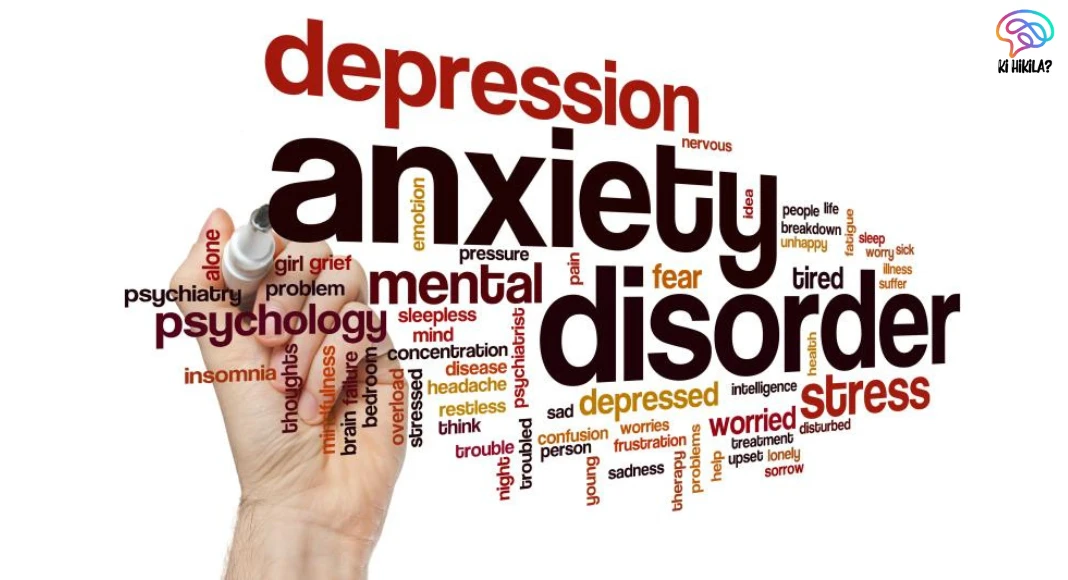
Globally, the burden is uneven, with low- and middle-income countries bearing the brunt due to limited access. Suicide, often linked to untreated mental health, claims nearly 800,000 lives annually. The economic toll is immense, with mental disorders accounting for 10% of the global disease burden but only 1% of health workers dedicated to them.
In emergencies, these statistics worsen: up to 20% of affected populations develop moderate to severe mental health issues. Gen Z reports high stigma, with 4 in 10 feeling they needed help but facing barriers.
These stats highlight gaps in services, but also opportunities. World Mental Health Day uses them to advocate for change, pushing for better data collection and targeted interventions.
| Mental Disorder | Global Prevalence (2025) | Key Impact |
|---|---|---|
| Anxiety | 4.4% | Leading cause of disability in young adults |
| Depression | 4% | Contributes to suicide rates |
| Bipolar | 0.5% | Affects mood stability |
| Schizophrenia | 0.3% | Requires lifelong management |
By addressing these through World Mental Health Day, we can work toward a healthier world.
Ways to Celebrate World Mental Health Day: Get Involved Today
Celebrating World Mental Health Day doesn’t require grand gestures small actions can make a big difference. Here are practical ways to participate:
- Host or Attend Events: Organize workshops on mindfulness or join virtual seminars. Many organizations offer free resources.
- Practice Self-Care: Take a mental health day nap, walk, or meditate. Encourage others to do the same.
- Raise Awareness on Social Media: Share stories, facts, or green ribbons (the symbol for mental health). Use #WorldMentalHealthDay.
- Support in the Workplace: Advocate for no-meeting days or wellness programs.
- Volunteer or Donate: Contribute to mental health charities or volunteer at local centers.
- Educate Yourself and Others: Read books on mental health or discuss with friends without distractions.
- Incorporate Fun Activities: Play games, do art therapy, or host a yellow-themed day (yellow for happiness).
- Advocate for Policy Change: Contact lawmakers to support mental health funding.
- Check on Loved Ones: Start conversations with “How are you really feeling?”
- Join Global Campaigns: Participate in UN or WHO events.
These activities align with World Mental Health Day’s goal of fostering community and reducing stigma.
Personal Stories and Case Studies: Humanizing the Issue
While statistics provide context, personal stories bring World Mental Health Day to life. Consider Maria, a survivor of a 2024 flood in Brazil. Amid loss, she accessed MHPSS through a local NGO, learning coping strategies that prevented depression. Or Ahmed, a refugee from Syria, who found solace in group therapy during displacement, rebuilding his life.
These narratives, drawn from real-world examples, show resilience. In emergencies, stories like these emphasize the need for accessible services. World Mental Health Day amplifies such voices, encouraging sharing to inspire hope.
Hypothetically, imagine a teacher using the day to share her anxiety journey, motivating students. Such stories reduce isolation and promote empathy.
The Role of Governments and Organizations in Advancing Mental Health
Governments and organizations are pivotal in World Mental Health Day’s success. Through policies like the WHO’s action plans, they ensure funding and integration. NGOs like WFMH coordinate global efforts, while companies implement workplace programs.
Future outlook includes digital tools like apps for remote support, especially in emergencies. World Mental Health Day drives these innovations.
Conclusion: A Call to Action for World Mental Health Day
As we wrap up, remember that World Mental Health Day is about ongoing commitment. With over a billion affected, let’s prioritize access, especially in crises. Join the movement your action matters.
FAQs for World Mental Health Day
1. What is World Mental Health Day?
World Mental Health Day, observed on October 10th, is a global initiative to raise awareness about mental health issues, reduce stigma, and promote access to support services. It was first established in 1992 by the World Federation for Mental Health (WFMH).
2. What is the theme for World Mental Health Day 2025?
The theme for 2025 is “Access to Services: Mental Health in Catastrophes and Emergencies,” focusing on integrating mental health support into humanitarian responses.
3. Why is mental health important in emergencies?
Crises like natural disasters or conflicts can trigger or worsen mental health issues, such as anxiety, depression, or PTSD. Access to timely support prevents long-term harm.
4. How can I participate in World Mental Health Day?
You can host events, share on social media with #WorldMentalHealthDay, practice self-care, volunteer, donate, or advocate for mental health policies.
5. What are some common mental health disorders highlighted on this day? Common disorders include anxiety (4.4% prevalence), depression (4%), bipolar disorder (0.5%), and schizophrenia (0.3%), affecting over 1 billion globally.
6. How does stigma affect mental health support?
Stigma prevents many from seeking help due to fear of judgment. World Mental Health Day promotes open conversations to normalize mental health care.
7. What is Psychological First Aid (PFA)?
PFA is a simple, evidence-based approach to provide immediate emotional support to individuals affected by crises, often used in emergency settings.
8. How can workplaces support World Mental Health Day?
Workplaces can implement wellness programs, offer mental health days, or host workshops to foster supportive environments and reduce stress.
9. Are there global statistics on mental health issues?
Yes, over 1 billion people live with mental disorders. In emergencies, up to 20% of affected populations may develop moderate to severe mental health issues.
10. How can I advocate for better mental health services?
Contact policymakers, support mental health organizations, or share educational resources to push for increased funding and access to services.