Climate Integrity COP30 Opens in Belem with Global Climate Push

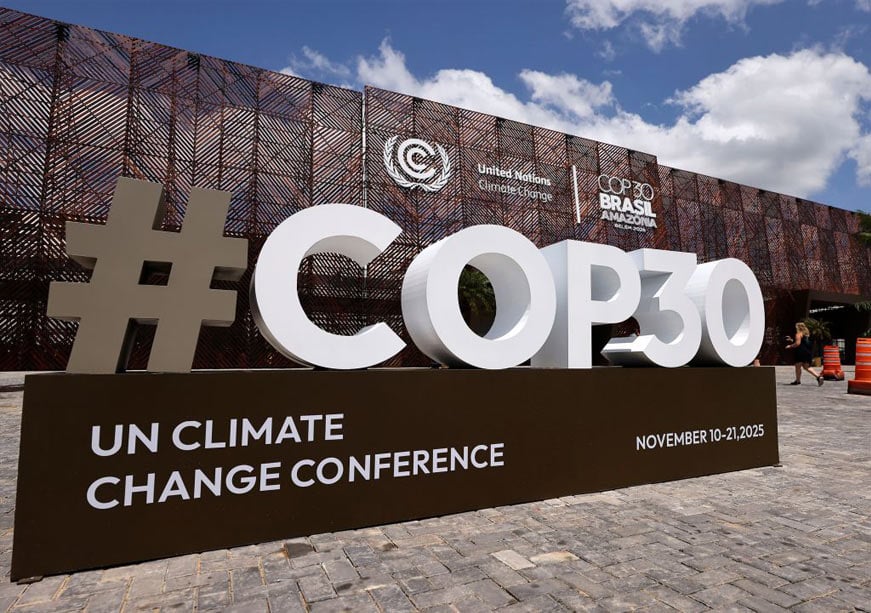
Climate Integrity COP30 has taken center stage as the 30th United Nations Climate Change Conference officially opens in Belem, Brazil, gathering leaders, scientists, business groups, and climate advocates from more than 190 countries. Held from November 10 to 21, 2025, the summit aims to build stronger cooperation and accelerate commitments to fight climate change, rising global temperatures, and environmental vulnerabilities affecting millions worldwide.
Thank you for reading this post, don't forget to subscribe!This year’s conference carries a heightened sense of urgency. With extreme weather events intensifying and global emissions still rising, nations are under mounting pressure to demonstrate genuine ambition and integrity in climate action making COP30 one of the most significant climate gatherings of the decade.
Climate Integrity COP30: Focus of COP30 and the Path to Net-Zero
This year’s COP is geared toward accelerating Paris Agreement progress and setting a clear pathway toward global net-zero emissions by mid-century. Delegates are expected to negotiate stronger:
- Nationally Determined Contributions (NDCs)
- Climate adaptation financing
- Technology-sharing mechanisms
- Strategies for sustainable development and decarbonisation
A major expected outcome is the Belem Declaration, a document that will outline strengthened global pledges and reinforce collective commitment to climate resilience, climate justice, and environmental protection.
With climate integrity becoming a global theme, countries are being urged to ensure their promises are measurable, transparent, and aligned with scientific pathways for limiting warming to 1.5°C.
Climate Integrity COP30: Key Participants and Themes of the Summit
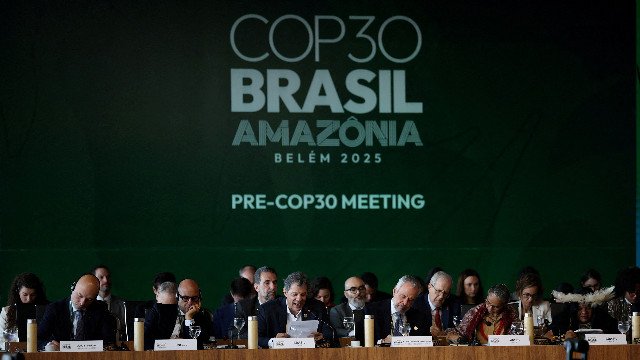
The opening ceremony saw participation from several high-profile global figures, including:
- UK Prime Minister Sir Keir Starmer
- Special envoys from China and the United States
- Delegations from the European Union, African Union, and major developing economies
- Indigenous community representatives from the Amazon Basin
- Environmental NGOs and youth climate movements
Key global themes being discussed include:
- Renewable energy transition
- Climate financing for vulnerable nations
- Deforestation control and forest restoration
- Corporate climate accountability
- Climate technology and carbon markets
Belem’s location in the Amazon significantly shapes the agenda. The region, home to the world’s largest rainforest, symbolizes the global struggle to balance human development with ecological preservation.
Climate Integrity COP30: Belem’s Significance and Environmental Vision
Hosting COP30 in the Amazon Basin reflects Brazil’s ambition to reposition itself as a leader in climate protection. The government has transformed the venue into a “green zone” featuring:
- Indigenous-led conservation initiatives
- Low-carbon agricultural models
- Renewable energy innovations
- Exhibitions on Amazon biodiversity
Brazil seeks to use the global platform to secure stronger international commitments on:
- Ending illegal deforestation
- Supporting forest-dependent communities
- Financing rainforest protection
- Transitioning to sustainable economic models
Belem’s setting also highlights the rising recognition that protecting biodiversity is essential for climate stability.
What the World Expects from This Summit
Negotiators aim to connect the outcomes of COP29 in Baku with the forward-looking agenda of COP30. Key areas include:
- Transparent climate finance mechanisms
- Technology transfer for developing nations
- Enhanced carbon market rules under Article 6
- Clear accountability systems for emission reductions
As climate emergencies intensify from floods and droughts to wildfires countries are under pressure to demonstrate credible, implementable plans. Trust and cooperation will be central to determining whether COP30 becomes a turning point in the global climate response.
GRI Launches UN-Backed Climate Integrity Checklist to Support Global Climate Goals
In a parallel development connected to the COP30 momentum, the Global Reporting Initiative (GRI) has introduced a new UN-endorsed tool designed to improve corporate transparency and accountability in climate commitments. The Integrity Matters Checklist aims to ensure that companies and investors align their climate reporting with globally accepted standards for credible net-zero commitments and transition plans.
The launch reinforces the growing emphasis on climate integrity, not only among governments but within the private sector, whose role is essential for delivering meaningful climate progress.
Climate Integrity COP30: Operationalising the UN Climate Integrity Framework
The checklist maps recommendations from the UN High-Level Expert Group (HLEG) outlined in its “Integrity Matters” report and links them directly to GRI’s sustainability reporting standards.
It offers practical guidance for companies to report on:
- GHG emissions
- Transition plans and timelines
- Progress on fossil fuel phase-outs
- Just transition principles
- Climate risk management
This tool is designed to help organisations move beyond vague pledges and deliver evidence-based climate strategies.
Climate Integrity COP30: Alignment with Updated GRI Climate Standard
The new checklist complements the updated GRI 102: Climate Change 2025 Standard, ensuring that corporate disclosures match the UN’s integrity framework.
GRI CEO Robin Hodess emphasised that climate reporting must provide “decision-useful data” that connects climate promises with real measurable action.
The timing of the launch just as COP30 begins signals growing global scrutiny of corporate accountability.
Climate Integrity COP30: UN Officials Endorse Stronger Accountability
UN leaders welcomed the tool as a major step in strengthening climate accountability.
- Selwin Hart, UN Assistant Secretary-General for Climate Change, described it as a “bridge between ambition and transparency.”
- Catherine McKenna, Chair of the UN High-Level Expert Group, stated that rising corporate pledges must be matched with clear integrity measures.
The tool gives organisations a transparent method for demonstrating true progress toward net-zero targets.
Climate Integrity COP30: Strengthening Corporate Role in Climate Transition
UN Global Compact CEO Sanda Ojiambo highlighted that the checklist will promote:
- Credibility
- Transparency
- Accountability
- Science-based climate progress
With stricter global disclosure requirements approaching, adoption of the tool is expected to grow rapidly. Experts believe it will greatly influence how companies prepare climate reports leading into COP30 and beyond.