Congo Lakes Carbon Release: Ancient Carbon Emerging From Congo Basin Lakes

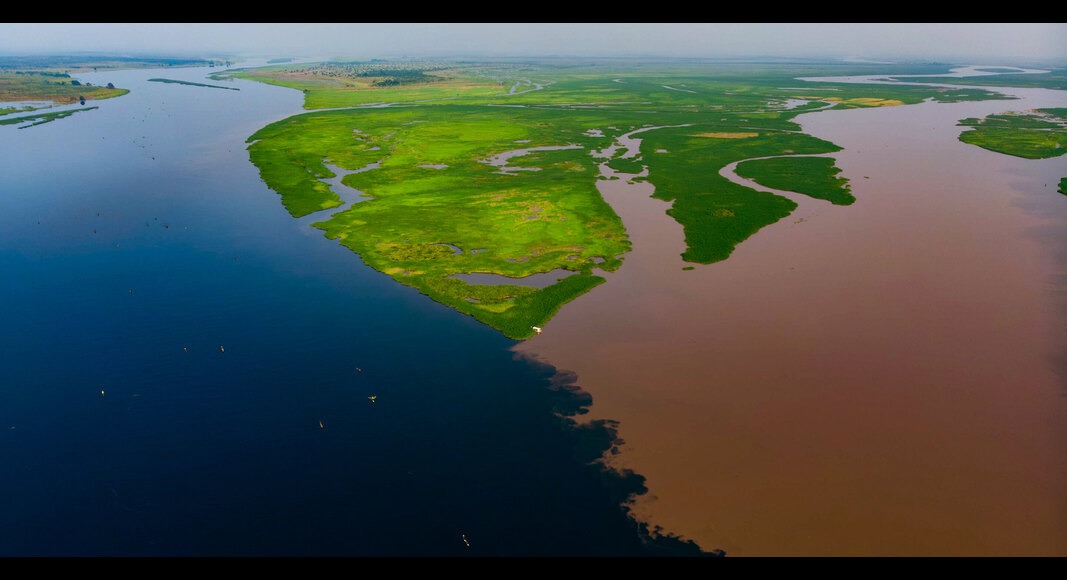
The Congo Lakes Carbon Release phenomenon has drawn global attention after scientists discovered that two lakes in the Democratic Republic of the Congo are releasing ancient carbon stored for thousands of years in nearby peatlands. This unexpected finding has raised concerns among climate researchers because it challenges the long-held belief that tropical peatlands can securely store carbon for thousands of years without releasing it into the atmosphere.
Thank you for reading this post, don't forget to subscribe!Ancient Carbon Emerging From Congo Lakes
During the study, researchers measured carbon emissions coming from the two lakes. They discovered that nearly 40 percent of the carbon dioxide released from the lakes comes from ancient peat deposits. Some of this carbon has been trapped in the surrounding peatlands for more than 3,000 years.
This discovery surprised scientists because peatlands are generally considered stable carbon storage systems. The finding suggests that the carbon reservoir in these peatlands may not be as secure as previously believed.
Researchers explained that the carbon stored in the peat soils may be slowly leaking into nearby water systems. Once the carbon enters the lakes, it can be released into the atmosphere as carbon dioxide. However, scientists are still trying to understand the exact process that allows this ancient carbon to move from peatlands into the lakes.

Importance of Tropical Peatlands in Carbon Storage
Peatlands are special wetland ecosystems where plant material accumulates over thousands of years. In waterlogged conditions, plants do not fully decompose. Instead, layers of partially decomposed material build up and form peat.
This process locks carbon in the soil and prevents it from returning to the atmosphere. Because of this ability, peatlands are considered one of the most important natural carbon sinks on Earth.
The peat swamps of the Congo Basin are particularly significant. Even though they cover only a small part of the planet’s land area, they store enormous amounts of carbon. Scientists estimate that the peatlands in this region hold about one-third of all carbon found in tropical peatlands worldwide.
Climate Change and Human Activities Increasing Risk
Scientists warn that climate change and human activities could make the situation worse. Rising temperatures and changing rainfall patterns may cause drought conditions in tropical regions. When peatlands dry out, the stored plant material begins to decompose.
This decomposition releases carbon dioxide into the atmosphere, contributing to global warming. Deforestation and the conversion of forests into farmland can also accelerate this process.
In the Congo Basin, forests are sometimes cleared for agriculture and development. Such changes can reduce moisture levels in the soil and disturb peat deposits. If peatlands become unstable, they may release massive amounts of stored carbon.
Why Congo Lakes Carbon Release Is Concerning for Scientists
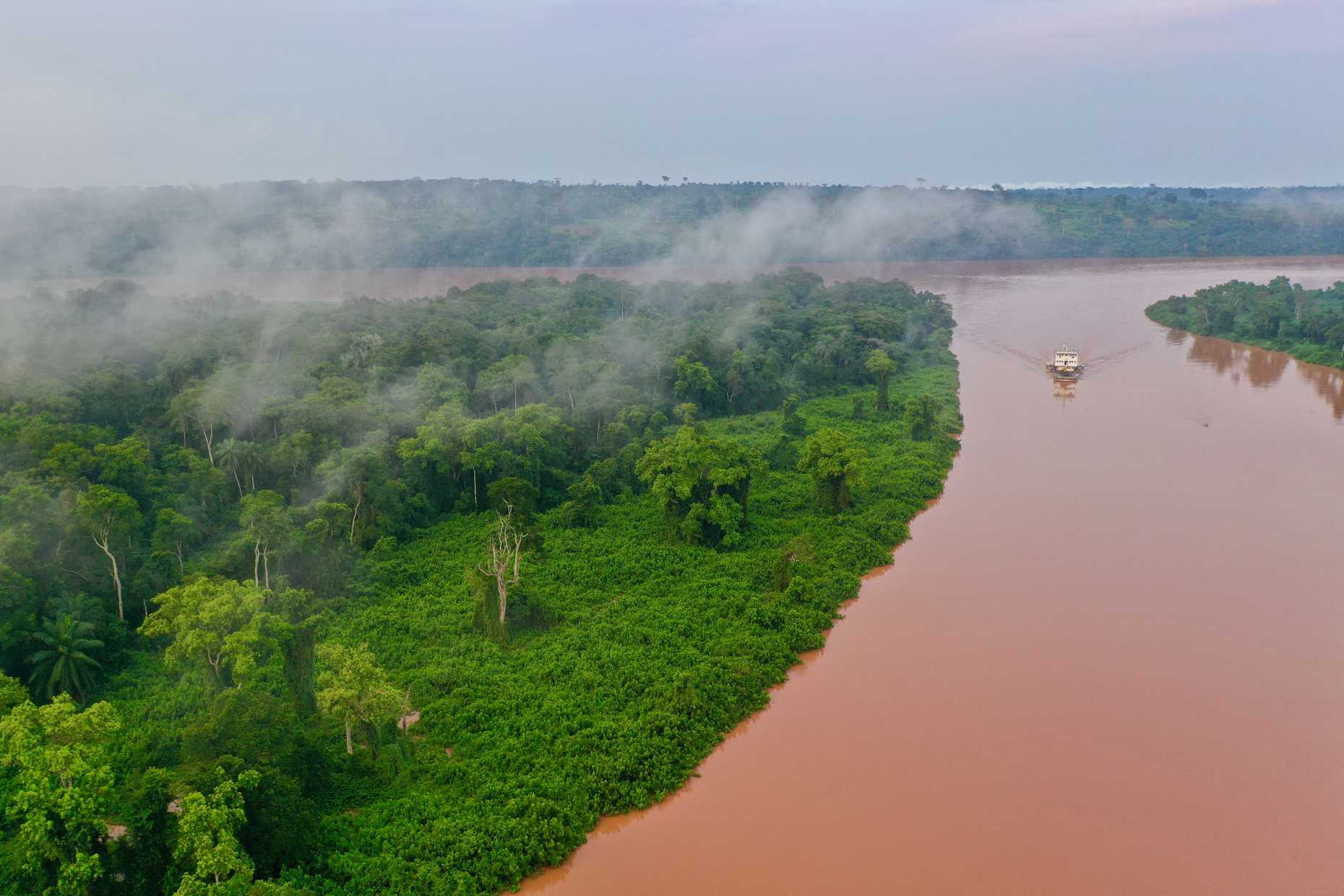
The Congo Basin is the second-largest rainforest region in the world after the Amazon. Because of its size and rich biodiversity, it plays a major role in regulating the Earth’s climate.
However, scientists say this region remains one of the least studied major forest ecosystems on the planet. The discovery of carbon emissions from the lakes shows that more research is needed to understand how these ecosystems function.
Monitoring the lakes, peatlands, and surrounding forests will help researchers learn how climate change and land-use changes affect carbon storage in the region. Understanding these processes is important because any large release of ancient carbon could influence global climate systems.
As scientists continue studying the Congo Basin, they hope to better understand how these hidden carbon reserves behave and how they may impact the future of the planet’s climate.