

H3 Rocket Launch: Japan’s Low-Cost Variant Success

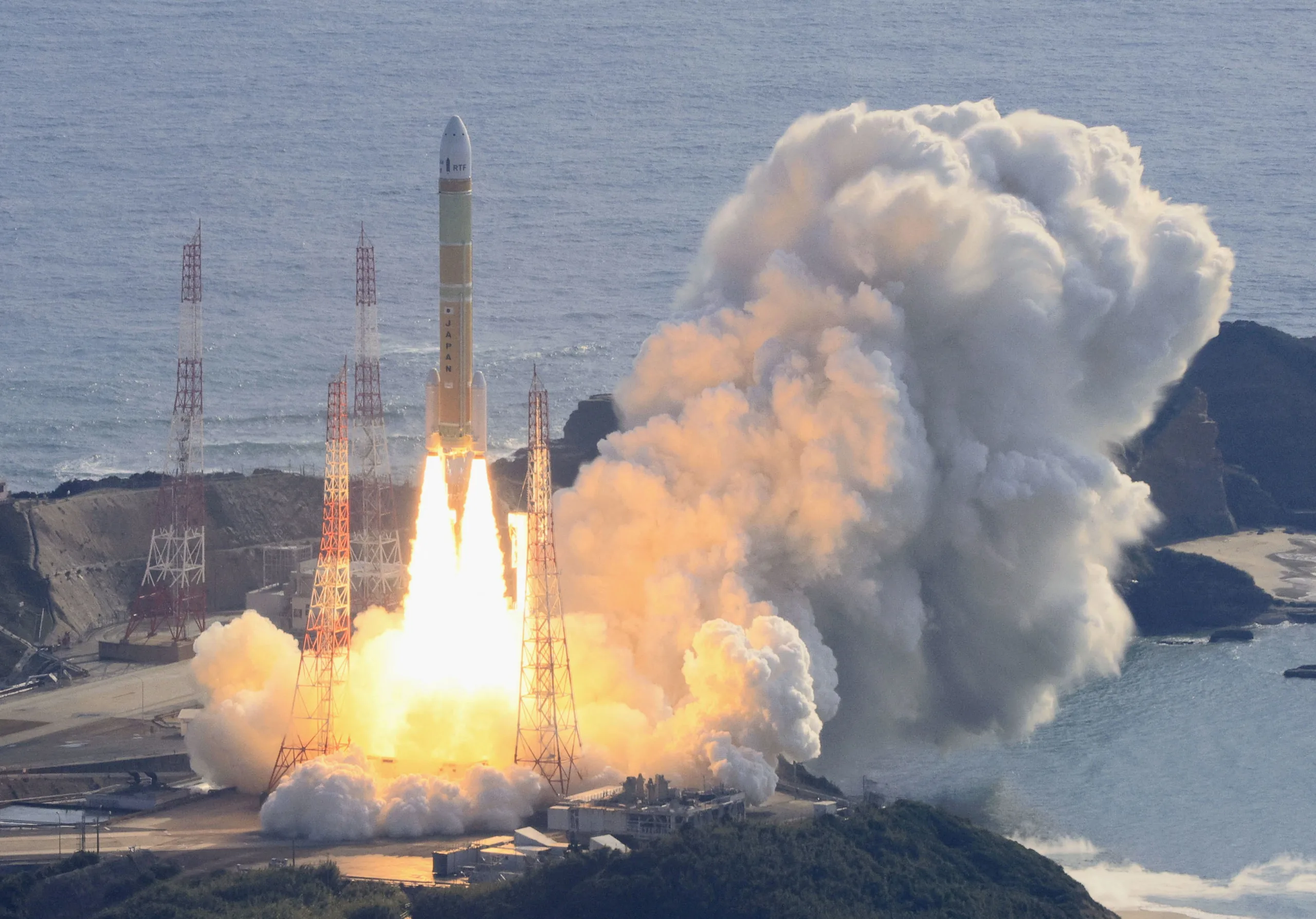
H3 Rocket Launch has marked an important moment for Japan’s space program as the country successfully launched its next-generation rocket with a new low-cost design. The launch took place on 12 June 2026 from the Tanegashima Space Center, one of Japan’s main space launch sites.
Thank you for reading this post, don't forget to subscribe!This mission, known as Flight 6, showed that Japan is ready to move forward after earlier setbacks. The rocket carried six small satellites developed by universities and research groups, showing a growing focus on innovation and collaboration in space technology.
What Makes the H3 Rocket Special
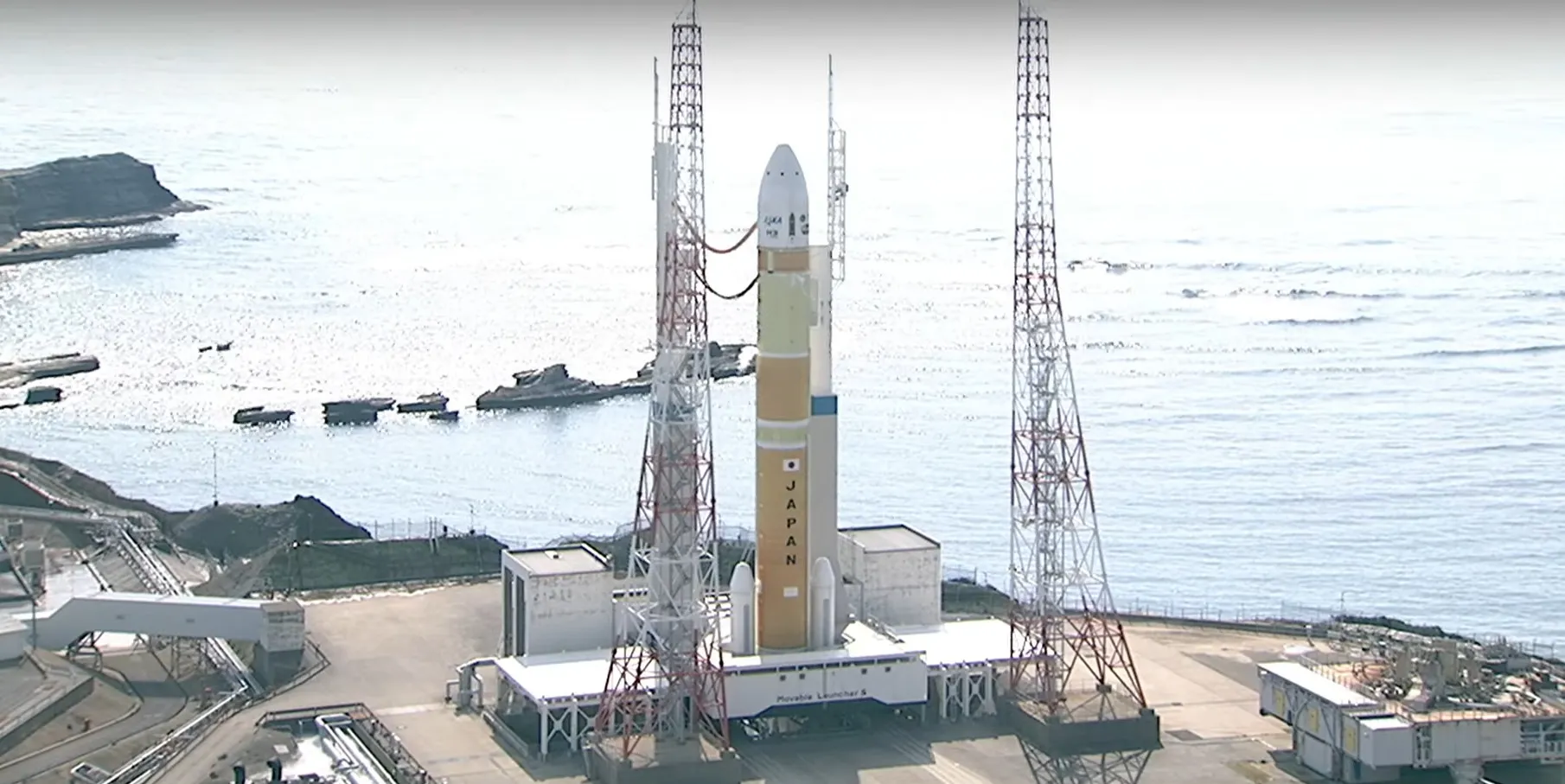
The H3 rocket is Japan’s latest launch vehicle, developed by Japan Aerospace Exploration Agency along with Mitsubishi Heavy Industries. It is designed to be more flexible and cost-effective compared to older rockets.
The new “30 configuration” used in this launch is a low-cost version. It uses three advanced LE-9 liquid-fuel engines and does not include solid rocket boosters. This design helps reduce costs while still delivering strong performance.
Lower launch costs are important today as more countries and private companies compete in the global space market.
Mission Details and Satellite Deployment
During the launch, the rocket successfully reached its planned orbit. The second stage performed as expected, and the satellites were believed to have separated correctly.
These satellites were built by universities and other organisations, showing how space missions are becoming more accessible to smaller players. This trend is growing worldwide, where educational and private institutions are actively participating in space research.
Such missions also support new ideas in communication, earth observation, and scientific research.
Recovery After Earlier Failures
The success of this launch is especially important because the H3 program had faced challenges in earlier missions. A previous failure in late 2025 had raised concerns about the rocket’s reliability.
That mission failed due to a technical issue related to a satellite mount, which prevented the payload from reaching orbit. After that, engineers worked to fix the problems and improve the system.
The latest successful launch shows that those issues have been addressed, restoring confidence in Japan’s launch capabilities.
Focus on Low-Cost Space Access
One of the main goals of the H3 rocket program is to reduce the cost of launching satellites. Space missions are usually expensive, and lowering costs can open new opportunities for many users.
Countries and companies are now focusing on affordable space access to support industries like communication, weather forecasting, navigation, and even climate monitoring.
Japan’s new rocket design is part of this global trend, where efficiency and cost control are becoming as important as performance.
Japan’s Growing Space Ambitions
Japan is working to strengthen its position in the global space industry. The H3 rocket is expected to play a key role in future missions, including satellite launches and scientific research.
The country aims to increase the number of launches each year, targeting up to six to eight missions annually. This will help Japan compete with other major space players like the United States, China, and private companies.
There is also growing interest in reusable rocket technology, which can further reduce costs in the future.
Role of Innovation and Technology
The H3 rocket uses advanced liquid-fuel engines known as LE-9 engines. These engines are designed for better efficiency and performance.
Innovation in rocket design is essential as space missions become more complex. New technologies help improve safety, reduce costs, and increase success rates.
Japan’s focus on innovation also includes partnerships with universities and startups, which bring fresh ideas into the space sector.
Global Competition in Space Industry
The global space industry is becoming more competitive than ever. Many countries and private companies are investing heavily in space technology.
Low-cost launches are a key factor in this competition. Companies like SpaceX have already changed the market with reusable rockets, and other countries are now working to match or improve these capabilities.
Japan’s H3 rocket is part of this competition, aiming to offer reliable and affordable launch services to international customers.
Future Outlook for H3 Rocket
The successful launch of the H3 rocket’s low-cost variant is a positive sign for future missions. It shows that Japan is ready to move ahead with its space plans.
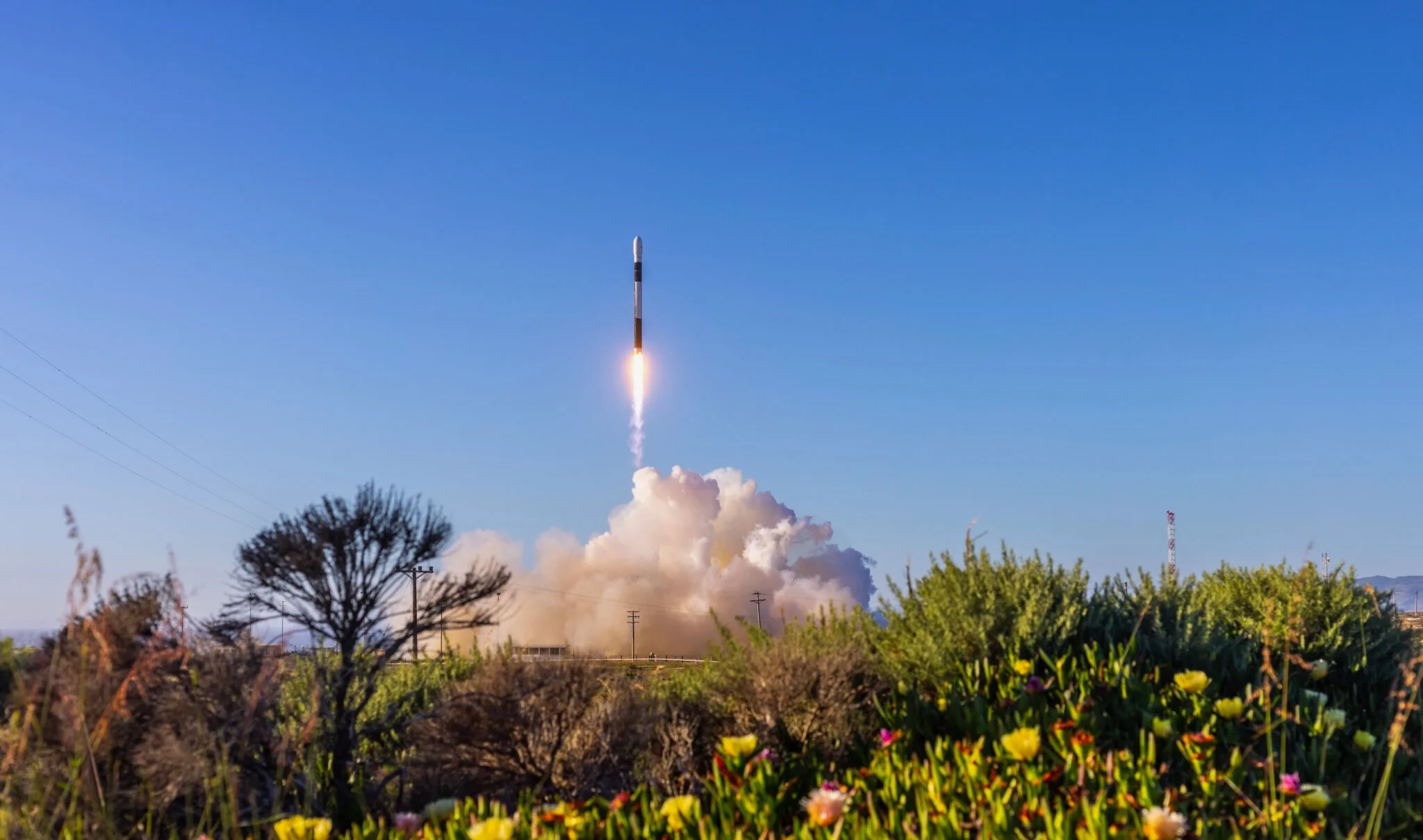
With more launches planned in the coming years, the H3 rocket could become a regular part of global satellite deployment. Its flexibility and cost advantages may attract both domestic and international clients.
The focus will now be on maintaining consistent success and improving technology further.