
India-Pakistan Soft Diplomacy

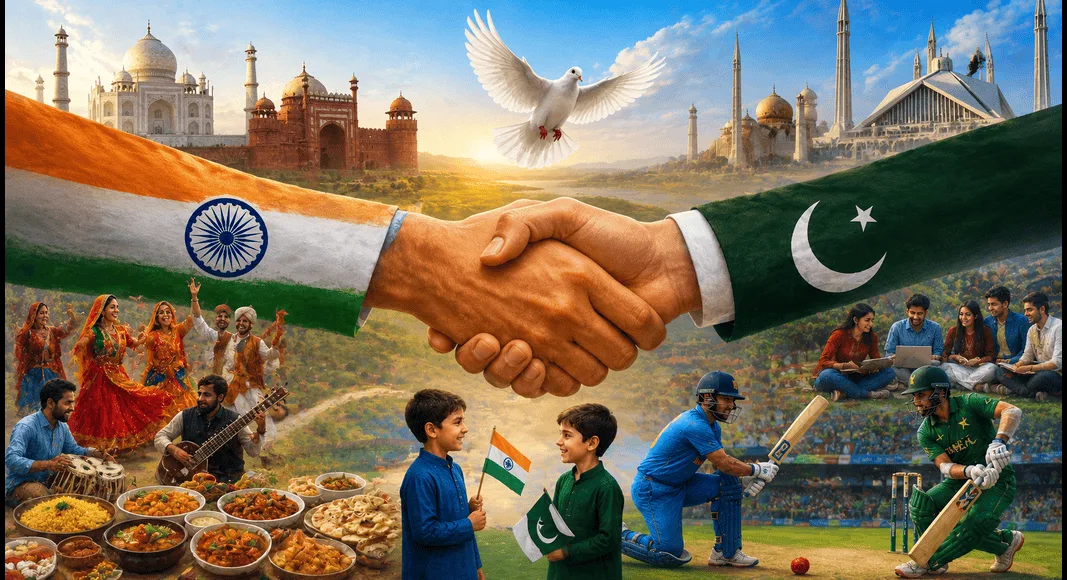
India-Pakistan Soft Diplomacy refers to the use of cultural, social, economic, and people-to-people connections to improve relations between India and Pakistan. Since their partition in 1947, the two countries have shared a complex and often tense relationship. Several disputes, especially over Kashmir, have led to wars, military confrontations, and diplomatic breakdowns.
Thank you for reading this post, don't forget to subscribe!Despite these challenges, India and Pakistan share a common history, culture, language, traditions, food habits, and social values. These common features can become powerful tools for building trust and reducing hostility. This approach is known as soft diplomacy or soft power diplomacy.
As both countries possess nuclear weapons, any major conflict can have devastating consequences. Therefore, peaceful engagement through soft diplomacy can play an important role in promoting stability and cooperation in South Asia.
Understanding Soft Power and Soft Diplomacy
In international relations, countries use different types of power to achieve their goals.
Hard Power
Hard power involves the use of military strength, economic pressure, sanctions, or threats to influence another country. It is based on force and coercion.
Examples include:
- Military action
- Economic sanctions
- Trade restrictions
- Political pressure
Soft Power
The concept of soft power was introduced by political scientist Joseph Nye. Soft power is the ability of a country to influence others through attraction rather than force.
Soft power is based on:
- Culture
- Political values
- Foreign policy
- Education
- Traditions
- Art and entertainment
A country with strong soft power can gain international support and goodwill without using military force.
Importance of Soft Diplomacy
Soft diplomacy helps countries:
- Build trust
- Improve people-to-people relations
- Reduce misunderstandings
- Promote peace
- Encourage cooperation
- Strengthen cultural connections
For India and Pakistan, soft diplomacy can help create a positive environment for dialogue and conflict resolution.
Historical Background of India-Pakistan Relations
India and Pakistan emerged as independent nations after the partition of British India in 1947.
The partition led to:
- Massive migration
- Communal violence
- Political tensions
Since independence, the two countries have fought several wars:
- First Kashmir War (1947-48)
- War of 1965
- Bangladesh Liberation War (1971)
- Kargil Conflict (1999)
Apart from wars, both countries have experienced:
- Border disputes
- Terrorist attacks
- Diplomatic tensions
- Ceasefire violations
Major incidents such as the Mumbai attacks (2008), Uri attack (2016), and Pulwama attack (2019) severely damaged bilateral relations.
However, both countries have also made efforts to improve relations through peace talks, cultural exchanges, and confidence-building measures.
India’s Sources of Soft Power
India possesses several forms of soft power that are recognized globally.
Yoga
Yoga has become a global movement. The International Day of Yoga is celebrated worldwide and reflects India’s cultural influence.
Ayurveda
India’s traditional healthcare system has gained international recognition and attracts people from many countries.
Bollywood
Indian films enjoy huge popularity across the world, including Pakistan. Bollywood movies often act as cultural bridges.
Democracy
India’s democratic system is one of the largest in the world and contributes significantly to its global image.
Cricket
Cricket is one of the strongest emotional connections between India and Pakistan.
Indian Cuisine
Indian food is famous globally. Shared food traditions create cultural connections between neighboring countries.
Gandhian Philosophy
The ideas of Mahatma Gandhi regarding peace, non-violence, and tolerance continue to influence people around the world.
Cultural Heritage
India’s rich traditions, music, dance, literature, and spirituality strengthen its soft power.
Role of Soft Diplomacy in India-Pakistan Relations
Soft diplomacy offers several opportunities to improve relations between India and Pakistan.
Cultural Diplomacy
Cultural diplomacy involves the exchange of ideas, traditions, arts, and cultural practices.
India and Pakistan share:
- Similar languages
- Common history
- Music traditions
- Literary heritage
- Festivals
- Social customs
Promoting cultural exchanges can reduce hostility and create mutual understanding.
Examples include:
Popular Pakistani ghazals, Urdu poetry, and music have large audiences in India. Similarly, Indian films and television programs have significant popularity in Pakistan.
Such cultural interactions can help create emotional connections between people.
People-to-People Contact
Strong relations between ordinary citizens can help improve bilateral relations.
People-to-people engagement can include:
- Student exchanges
- Academic cooperation
- Tourism
- Religious pilgrimages
- Business interactions
- Civil society cooperation
When citizens interact directly, stereotypes and misunderstandings decrease.
Personal relationships often become stronger foundations for peace than official political agreements.
Cricket Diplomacy
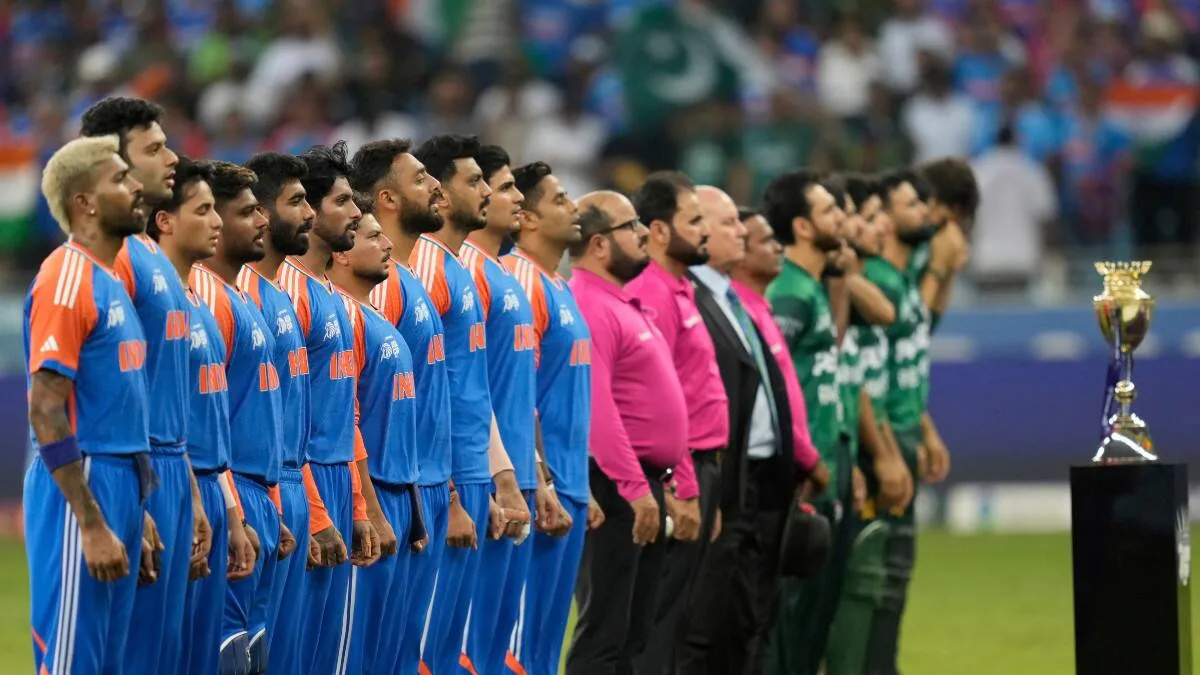
Cricket is one of the most powerful soft diplomacy tools between India and Pakistan.
Whenever the teams play against each other, millions of people watch the matches.
Historical Examples
In 2005, Pakistan’s President visited India during a cricket series. The visit created opportunities for diplomatic discussions.
Even during periods of political tension, cricket has sometimes helped maintain communication between the two countries.
Benefits of Cricket Diplomacy
Cricket diplomacy can:
- Promote goodwill
- Encourage interaction among fans
- Reduce hostility
- Build trust
- Create positive media coverage
Sport has the ability to unite people beyond political differences.
Religious Diplomacy
Religion plays an important role in connecting communities across borders.
Kartarpur Corridor
One of the most important examples of religious diplomacy is the Kartarpur Corridor.
The corridor connects:
- Gurdwara Darbar Sahib in Pakistan
- Dera Baba Nanak in Punjab, India
This allows Sikh pilgrims from India to visit one of the holiest Sikh shrines without a visa.
Importance
The corridor:
- Promotes religious tourism
- Encourages people-to-people contact
- Builds trust
- Creates positive diplomatic engagement
It demonstrates how religious and cultural ties can contribute to peace.
Economic Diplomacy
Economic cooperation can significantly improve bilateral relations.
Countries that trade extensively are generally less likely to engage in conflict because their economies become interconnected.
Benefits of Trade
Increased trade can:
- Create jobs
- Improve living standards
- Reduce poverty
- Encourage cooperation
- Increase mutual dependence
Economic prosperity often reduces support for conflict and extremism.
Areas of Cooperation
Potential areas include:
- Agriculture
- Textiles
- Pharmaceuticals
- Information technology
- Tourism
- Manufacturing
Improved trade relations can create long-term incentives for peace.
Water Diplomacy
Water resources can become either a source of conflict or cooperation.
Indus Waters Treaty
The Indus Waters Treaty, signed in 1960, remains one of the most successful agreements between India and Pakistan.
The treaty governs the sharing of waters from:
- Indus River
- Jhelum River
- Chenab River
- Ravi River
- Beas River
- Sutlej River
Despite political tensions, the treaty has largely survived.
Importance of Water Cooperation
Water diplomacy can help:
- Build confidence
- Encourage dialogue
- Improve resource management
- Reduce tensions
Joint water management projects can contribute to regional stability.
Shared Cultural Similarities
India and Pakistan share numerous cultural similarities.
Food
Popular dishes enjoyed in both countries include:
- Biryani
- Kheer
- Halwa
- Lassi
- Daal Chawal
- Chicken Karahi
Food festivals and culinary exchanges can strengthen cultural bonds.
Language
Hindi and Urdu share many similarities.
Literature, poetry, and storytelling traditions remain closely connected.
Music
Music continues to unite people across borders.
Artists from both countries enjoy fans on both sides despite political tensions.
Scientific and Academic Cooperation
Scientific cooperation can contribute to peaceful relations.
Possible areas include:
- Climate research
- Agriculture
- Public health
- Disaster management
- Environmental protection
Joint research projects can create professional relationships and mutual trust.
Limitations of Soft Diplomacy
Although soft diplomacy is important, it cannot solve all problems.
Terrorism
Terrorist attacks often reverse progress made through cultural and diplomatic initiatives.
Examples include:
- Mumbai attacks (2008)
- Pathankot attack (2016)
- Uri attack (2016)
- Pulwama attack (2019)
Such incidents create mistrust and disrupt dialogue.
Political Differences
Major political disputes continue to affect bilateral relations.
These include:
- Kashmir issue
- Border disputes
- Security concerns
Failure of Previous Initiatives
Several peace efforts have faced setbacks.
Examples include:
- Lahore Declaration (1999)
- Composite Dialogue Process
- Various confidence-building measures
Many initiatives collapsed due to security-related incidents.
Therefore, soft diplomacy alone is insufficient.
Need for a Balanced Approach
Experts believe that a combination of soft power and hard power is necessary.
Soft Power
- Cultural exchanges
- Sports diplomacy
- Religious tourism
- Trade cooperation
Hard Power
- National security
- Counter-terrorism measures
- Border management
A balanced approach helps maintain security while encouraging peace.
Role of International Organizations
International institutions can also contribute to stability.
Organizations such as:
- United Nations (UN)
- Financial Action Task Force (FATF)
- South Asian Association for Regional Cooperation (SAARC)
can encourage dialogue and cooperation.
International pressure against terrorism can support regional peace efforts.
Future Opportunities
Several areas offer opportunities for improving relations:
Tourism
Promoting tourism can increase mutual understanding.
Education
Student exchange programs can create future leaders who value cooperation.
Technology
Digital platforms can support communication and collaboration.
Environment
Joint action on climate change and environmental protection can benefit both nations.
Regional Development
Working together for South Asian development can create shared prosperity.
Conclusion
India-Pakistan Soft Diplomacy offers an important path toward improving relations between two neighboring countries with a shared history and culture. Through cultural exchanges, cricket diplomacy, religious tourism, economic cooperation, water diplomacy, and people-to-people contact, both nations can gradually build trust and reduce hostility.
However, soft diplomacy alone cannot solve all challenges. Issues such as terrorism, border disputes, and security concerns require strong political commitment and effective policy measures. A balanced combination of soft diplomacy, national security, economic cooperation, and international support is necessary for long-term peace.
As nuclear-armed neighbors, India and Pakistan cannot afford continuous conflict. Strengthening dialogue, promoting mutual understanding, and encouraging cooperation through soft diplomacy can help create a more peaceful, stable, and prosperous South Asia for future generations.
FAQs on India-Pakistan Soft Diplomacy
1. What is soft diplomacy?
Soft diplomacy is the use of culture, values, education, sports, and people-to-people connections to improve relations between countries.
2. Why is soft diplomacy important between India and Pakistan?
It helps reduce tensions, build trust, and encourage peaceful cooperation between the two countries.
3. What is the difference between hard power and soft power?
Hard power uses military or economic pressure, while soft power uses attraction, culture, and goodwill.
4. Who introduced the concept of soft power?
The concept of soft power was introduced by political scientist Joseph Nye.
5. How does cricket diplomacy help India and Pakistan?
Cricket creates opportunities for interaction, friendship, and dialogue between people and leaders of both countries.
6. What is the Kartarpur Corridor?
It is a border crossing that allows Indian Sikh pilgrims to visit Gurdwara Darbar Sahib in Pakistan.
7. How can cultural diplomacy improve India-Pakistan relations?
Through music, films, literature, art, and cultural exchanges that promote understanding and goodwill.
8. What role does trade play in soft diplomacy?
Trade increases economic cooperation, creates jobs, and encourages peaceful relations.
9. What is the significance of the Indus Waters Treaty?
It is a long-standing agreement that regulates water sharing between India and Pakistan.
10. Can soft diplomacy alone solve India-Pakistan issues?
No. Soft diplomacy must be combined with security measures, political dialogue, and counter-terrorism efforts.