


Government Budgeting in India

Government Budgeting is one of the most important parts of running a country. It helps the government plan how much money it will earn and how much it will spend in a financial year. In India, the financial year starts on 1 April and ends on 31 March of the next year.
Thank you for reading this post, don't forget to subscribe!Every year, the Finance Minister presents the Union Budget in Parliament. The budget shows the government’s income, expenses, taxes, loans, and future financial plans. It also explains how the government will use money for development, welfare, education, healthcare, infrastructure, and many other sectors.
What is Government Budget?
Government Budget is a financial statement that shows the estimated income and expenditure of the government for one year.
According to Article 112 of the Indian Constitution, the Union Budget is called the Annual Financial Statement (AFS).
The budget mainly includes:
- Expected income of the government
- Expected expenditure of the government
- Tax plans and revenue sources
- Borrowing plans
- New schemes and projects
- Details of previous year’s financial performance
In simple words, a budget is like a family financial plan. Just as a family plans earnings and expenses, the government also does the same on a much larger scale.
Budget Presentation in Parliament
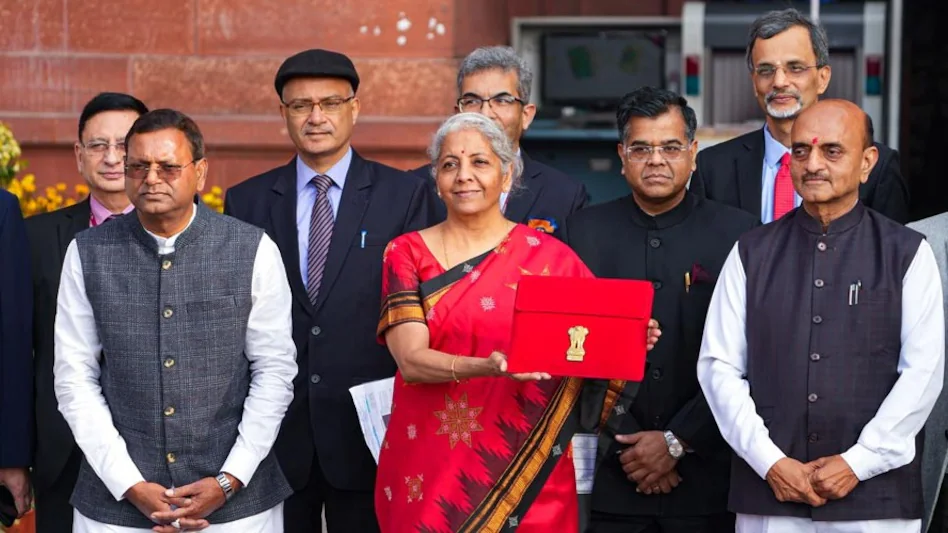
The Union Budget goes through six important stages in Parliament:
| Stage | Meaning |
|---|---|
| Presentation of Budget | Finance Minister presents the budget |
| General Discussion | Members discuss major proposals |
| Committee Scrutiny | Committees study details |
| Voting on Grants | Parliament approves ministry spending |
| Appropriation Bill | Legal approval for spending |
| Finance Bill | Approval for taxes |
The Budget Division of the Department of Economic Affairs, under the Ministry of Finance, prepares the budget.
Major Changes in Budget System
In 2017, India made some important changes in budget presentation:
- Budget presentation shifted to 1 February
- Railway Budget merged with General Budget
- Plan and Non-Plan expenditure system removed
These changes helped improve budget planning and faster implementation.
Important Budget Terms
Receipts
Receipts mean the money received by the government.
This includes:
- Tax collections
- Non-tax income
- Loans and borrowings
- Loan repayments from states
Expenditure
Expenditure means money spent by the government.
Examples:
- Salaries
- Roads and bridges
- Education
- Healthcare
- Defense
Objectives of Government Budgeting
Government budgeting serves many important purposes.
1. Proper Use of Resources
The government uses the budget to distribute resources where they are needed most.
For example:
- Rural development
- Schools
- Hospitals
- Agriculture support
2. Reducing Income Inequality
Rich people generally pay more taxes. The government uses that money to help poorer sections through welfare schemes.
This reduces the gap between rich and poor.
3. Economic Growth
A country grows when investments increase.
The government budget supports growth by spending on:
- Industries
- Infrastructure
- Transport
- Energy
- Technology
4. Economic Stability
Sometimes prices rise too much (inflation), and sometimes demand falls (deflation).
The government uses budget policies to control such situations and maintain economic stability.
5. Managing Public Enterprises
India has many public sector companies.
The government budget provides funds to support these enterprises when needed.
6. Reducing Regional Imbalance
Some regions develop faster than others.
Budgeting helps provide more resources to backward regions to ensure balanced growth.
Components of Government Budget
The government budget has two major parts:
- Revenue Budget
- Capital Budget
Revenue Budget
Revenue Budget includes:
- Revenue Receipts
- Revenue Expenditure
Revenue Receipts
These are receipts that do not create liabilities or reduce assets.
Examples:
- Income tax
- GST
- Customs duty
- Interest income
- Dividends
Revenue Expenditure
This is regular spending that does not create assets.
Examples:
- Salaries
- Pension
- Interest payments
- Administrative expenses
| Revenue Side | Examples |
| Revenue Receipts | Tax, fees, dividends |
| Revenue Expenditure | Salary, pension, interest |
Capital Budget
Capital Budget includes:
- Capital Receipts
- Capital Expenditure
Capital Receipts
These increase liabilities or reduce assets.
Examples:
- Borrowings
- Loan recovery
- Selling government assets
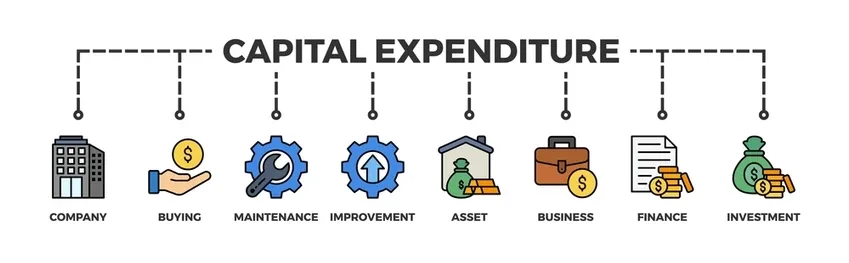
Capital Expenditure
This creates assets or reduces liabilities.
Examples:
- Building roads
- Constructing hospitals
- Railways
- Airports
- Loan repayment
| Capital Side | Examples |
| Capital Receipts | Loans, borrowings |
| Capital Expenditure | Roads, bridges, hospitals |
Types of Budgets
Balanced Budget
A budget is balanced when:
Income = Expenditure
This means the government spends only what it earns.
Surplus Budget
A surplus budget happens when:
Income > Expenditure
The government earns more than it spends.
Deficit Budget
A deficit budget happens when:
Expenditure > Income
This is common in developing countries like India because governments spend heavily on development.
Special Types of Budgeting
Zero-Based Budgeting
In this method, every expense must be justified from zero each year.
Nothing is automatically approved.
This improves efficiency and reduces waste.
Outcome Budget
Outcome Budget checks whether government spending produced actual results.
Example:
If money is spent on education, did school quality improve?
India introduced this in 2005.
Gender Budgeting
Gender budgeting ensures budget planning supports women’s welfare and empowerment.
Funds are allocated for:
- Education of girls
- Women’s health
- Safety programs
- Employment schemes
Its goal is gender equality.
Government Deficit
Deficit happens when spending becomes greater than earnings.
There are three main types of deficit.
Revenue Deficit
Revenue Deficit means:
Revenue Expenditure > Revenue Receipts
Formula:
Revenue Deficit = Revenue Expenditure – Revenue Receipts
This shows the government is spending more on daily expenses than it earns.
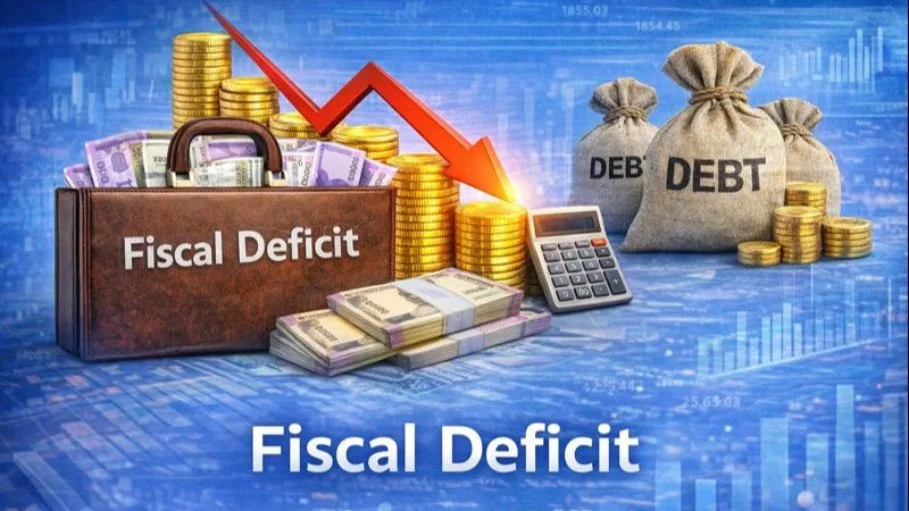
Fiscal Deficit
Fiscal Deficit is one of the most important economic indicators.
It shows how much money the government needs to borrow.
Formula:
Fiscal Deficit = Total Expenditure – (Revenue Receipts + Non-Debt Capital Receipts)
A high fiscal deficit means the government is borrowing heavily.
Primary Deficit
Primary Deficit is calculated by removing interest payments from fiscal deficit.
Formula:
Primary Deficit = Fiscal Deficit – Interest Payments
This helps understand current borrowing without old debt burden.
Fiscal Policy
Fiscal policy means the government’s use of:
- Tax collection
- Public spending
- Borrowing
to influence the economy.
Through fiscal policy, the government tries to maintain growth, jobs, and stable prices.
Fiscal policy works together with the Reserve Bank of India, which manages monetary policy.
Main Objectives of Fiscal Policy in India
Economic Growth
Fiscal policy supports industries and investment to increase GDP growth.
Price Stability
It helps control inflation and price rise.
Employment Generation
Government spending creates jobs in construction, infrastructure, and industries.
Better Distribution of Wealth
Taxes and welfare schemes help reduce inequality.
Importance of Fiscal Policy in India
Fiscal policy is very important in a developing country like India.
It helps in:
- Increasing investments
- Raising savings
- Supporting industries
- Reducing poverty
- Improving public services
Strong fiscal policy improves overall economic health.
Deficit Financing
Sometimes the government does not have enough money for development.
In such cases, it uses deficit financing.
This means the government borrows money, often through the Reserve Bank of India.
The government issues securities, and RBI helps generate money based on them.
Deficit financing supports:
- Infrastructure growth
- Public spending
- Economic expansion
However, too much deficit financing can increase inflation.
FRBM Act
The Fiscal Responsibility and Budget Management Act (FRBM Act), 2003 is an important law in India.
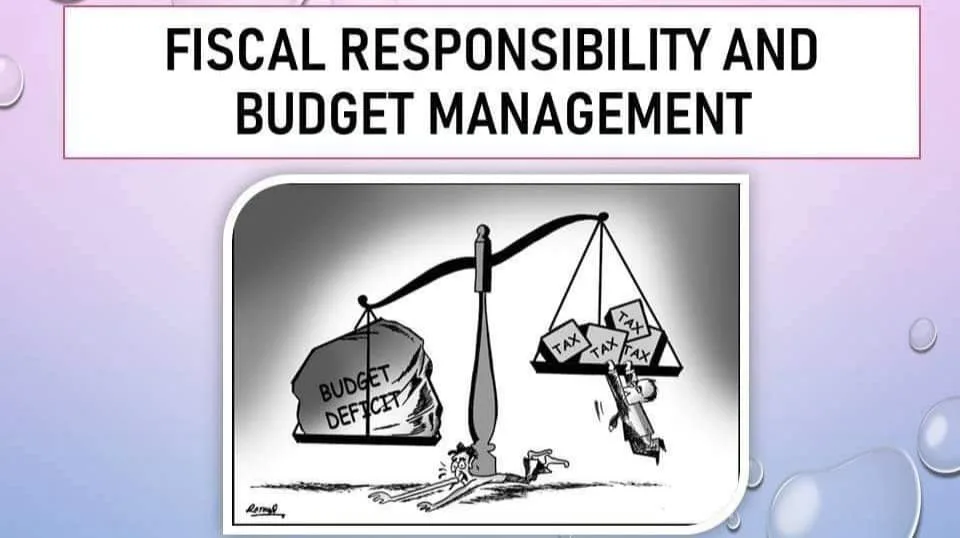
It was created to improve financial discipline.
Main goals of FRBM:
- Reduce fiscal deficit
- Reduce revenue deficit
- Improve transparency
- Ensure responsible spending
- Maintain long-term stability
Objectives of FRBM Act
| Objective | Purpose |
| Fiscal Discipline | Reduce unnecessary borrowing |
| Debt Reduction | Lower future debt burden |
| Stability | Maintain strong economy |
| Transparency | Better financial reporting |
The FRBM Act aimed to reduce fiscal deficit to 3% of GDP.
It also tried to reduce revenue deficit gradually.
FRBM Amendments
The Act was amended in 2012.
The government now presents additional statements with the budget:
- Macro-Economic Framework Statement
- Medium-Term Fiscal Policy Statement
- Fiscal Policy Strategy Statement
These documents improve transparency.
NK Singh Committee Recommendations
In 2016, the government formed the NK Singh Committee to review the FRBM Act.
The committee recommended:
- Fiscal deficit target of 3% of GDP
- Gradual reduction in deficit
- Better debt management
These suggestions aimed to strengthen India’s financial system.
Why Government Budgeting Matters
Government budgeting affects every citizen.
It influences:
- Tax rates
- Petrol prices
- Education funding
- Healthcare facilities
- Employment opportunities
- Infrastructure projects
A well-planned budget can improve people’s lives and boost economic growth.
That is why government budgeting is considered one of the strongest tools for national development.
FAQs
1. What is Government Budgeting?
Government Budgeting is the process of planning the government’s income and expenditure for a financial year.
2. What is the Union Budget in India?
The Union Budget is the annual financial statement presented by the Finance Minister in Parliament showing the government’s expected earnings and spending.
3. What are the main components of Government Budget?
The two main components are Revenue Budget and Capital Budget.
4. What is fiscal deficit?
Fiscal deficit is the difference between the government’s total expenditure and total income excluding borrowings.
5. What is revenue deficit?
Revenue deficit occurs when revenue expenditure becomes higher than revenue receipts.
6. Why is Government Budget important?
Government Budget helps in economic growth, reducing inequality, creating jobs, and improving public services.
7. What is a balanced budget?
A balanced budget occurs when government income is equal to government expenditure.
8. What is deficit financing?
Deficit financing means the government borrows money to meet extra expenses when income is insufficient.