India Fertiliser Demand Surges Amid Strong Monsoon and Supply Shortages

India Fertiliser Demand witnessed an unprecedented rise in 2025 as a favourable southwest monsoon boosted kharif crop sowing across the country. While abundant rainfall improved soil and reservoir conditions, it also led to record fertiliser consumption. However, this sharp increase in demand collided with stagnant production and import challenges, resulting in shortages and stock depletion during the peak season.
Thank you for reading this post, don't forget to subscribe!Monsoon Performance and Agricultural Impact
The 2025 southwest monsoon played a decisive role in shaping agricultural activity and fertiliser demand. Rainfall from June to August was 6.1% higher than the long-term average, ensuring timely sowing and healthy crop prospects.
- June recorded 8.9% above-average rainfall,
- July saw 4.8% higher rainfall,
- August received 5.5% more rain than usual,
- Even May, before the official monsoon, saw an unusually high 106.4% of normal precipitation.
Out of India’s 36 meteorological subdivisions, 33 regions received normal or above-normal rainfall, barring a few northeastern states such as Bihar, Assam, Meghalaya, and Arunachal Pradesh. This favourable distribution allowed farmers to expand the sowing area significantly:
- Rice acreage rose by 7.6% compared to 2024.
- Maize sowing jumped by 11.7%, a clear sign of farmer confidence.
Such widespread planting activity directly translated into higher fertiliser consumption, as farmers sought to maximise crop yields during this promising season.
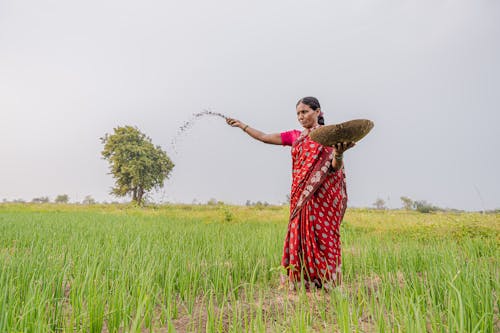
India Fertiliser Demand Growth in 2025
With soil moisture and reservoir levels at comfortable highs, farmers turned aggressively to fertilisers. India fertiliser demand surged across all major categories, except for diammonium phosphate (DAP).
- Urea, SSP (single super phosphate), MOP (muriate of potash), and complex NPKS fertilisers saw a sharp rise in sales between April and July 2025.
- DAP, however, registered a 12.8% decline in sales, continuing a multi-year downtrend driven by limited availability.
Farmers responded to the DAP shortage by shifting towards substitutes like SSP and blended fertilisers such as 20:20:0:13, ensuring crops still received essential nutrients.
This shift highlighted both the adaptability of Indian farmers and the structural weaknesses in fertiliser supply chains.
Supply Constraints and Stock Depletion
While demand rose, the supply side struggled. Domestic production of critical fertilisers either stagnated or declined:
- Urea production fell from 102.1 lakh tonnes (lt) in April–July 2024 to 93.6 lt in the same period of 2025.
- DAP production remained flat at 13.7 lt.
Imports also dipped, largely because of Chinese restrictions on urea and DAP exports, intensifying the mismatch between demand and supply.
As a result, stocks fell sharply:
- Urea inventories on 1 August 2025 stood at 37.2 lt, compared to 86.4 lt the previous year.
- Similar depletion trends were visible for DAP, NPK complexes, and MOP.
This shortfall led to panic buying, long queues, and mounting pressure on distributors in several agricultural states.
Impact on Farmers, Crop Cycle, and India Fertiliser Demand
Fertiliser shortages had a direct bearing on farming operations.
- Phosphatic fertilisers like DAP are essential at the sowing stage, aiding root development and crop establishment.
- Nitrogen-rich urea is typically applied in multiple doses during the growth phase.
With these fertilisers in short supply, many farmers faced difficulties in applying them at the right stage, risking yield losses.
The problem was compounded by cropping patterns. Rice and maize, both nitrogen-hungry crops, saw a significant acreage increase, driving up urea consumption. Conversely, nitrogen-fixing crops like soybeans and pulses saw reduced sowing, further straining nitrogen demand.
The combination of higher sowing and lower availability created a perfect storm, pushing the India fertiliser demand-supply balance to its limits.
Policy Considerations and Future Outlook
The shortages also exposed a policy gap. The government’s demand estimates for the 2025 kharif season underestimated fertiliser requirements, leaving farmers vulnerable during the peak sowing period.
Looking ahead, several factors will shape the outlook:
- Rabi season demand: With reservoirs at 83.5% capacity and groundwater levels replenished, demand for fertilisers is expected to remain strong in the upcoming rabi season.
- Easing import restrictions: Recent relaxation of Chinese export curbs could improve urea and DAP availability in the coming months, though global competition for supplies remains stiff.
- Nutrient management strategies: Experts advocate promoting fertiliser substitution to reduce reliance on urea and DAP. Options include:
- Using ammonium sulphate as a partial substitute for urea, which also supplies sulphur.
- Restricting DAP usage to staple crops while encouraging complex fertilisers for others to optimise nutrient distribution.
- Long-term reforms: Strengthening domestic fertiliser production capacity, diversifying import sources, and promoting balanced fertiliser use are critical for ensuring sustainability.
Conclusion
The 2025 kharif season demonstrated the close link between monsoon performance, cropping patterns, and India fertiliser demand. While abundant rains boosted agricultural prospects, they also magnified structural weaknesses in fertiliser supply chains. Rising consumption against stagnant production and import challenges led to sharp shortages, affecting farmers at a crucial stage.
Going forward, effective policy planning, timely imports, and fertiliser diversification will be key to stabilising supplies. With a strong rabi season ahead, India’s agricultural growth story depends on ensuring farmers have access to the right nutrients at the right time. The experience of 2025 makes one lesson clear: managing fertiliser demand is as critical as managing monsoon rains for India’s food security.