India Hydrogen Train: Pioneering Sustainable Rail Transport on the Jind–Sonipat Route

The India hydrogen train has successfully completed its trial run at the Integral Coach Factory in Chennai, marking a significant milestone in the country’s sustainable transport initiatives. This innovative train is set to operate between Jind and Sonipat in Haryana, showcasing India’s commitment to cleaner and greener mobility solutions. The project is part of the National Green Hydrogen Mission, which aims to produce five million metric tonnes of green hydrogen annually by 2030. This ambitious mission aligns with India’s vision of achieving net zero carbon emissions by 2070.
Thank you for reading this post, don't forget to subscribe!Hydrogen Train Technology in India
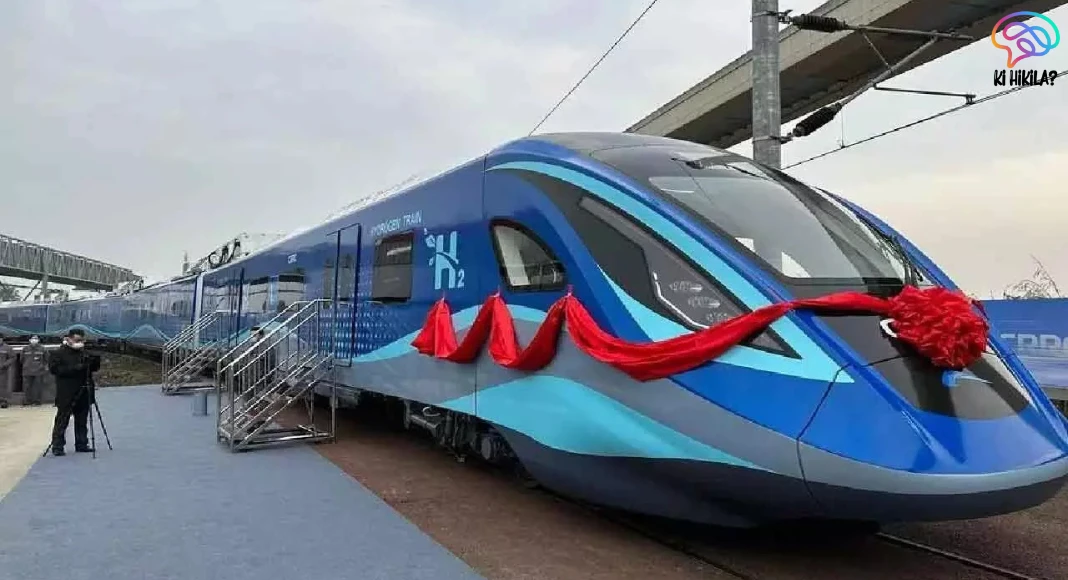
The India hydrogen train operates using advanced hydrogen fuel cell technology to generate electricity. The hydrogen required for the train is produced by a 1-MW polymer electrolyte membrane electrolyser installed in Jind. This electrolyser splits water into oxygen and hydrogen using electricity generated from renewable energy sources such as solar and wind. The hydrogen is then stored safely and used in fuel cells installed on the train. These fuel cells convert hydrogen back into water while producing electricity to power the train’s motors. Importantly, this process does not emit any carbon dioxide, making it a zero-emission transportation solution.
Electrolyser and Fuel Cell Mechanism in the India Hydrogen Train
Electrolysers play a crucial role in the India hydrogen train system. They use electricity to split water molecules into hydrogen and oxygen gases. A polymer membrane ensures only protons pass through, effectively separating the gases. In the fuel cells, the reaction is reversed: hydrogen molecules split into protons and electrons, with protons passing through the membrane to combine with oxygen and electrons to form water. The electrons flow through an external circuit, generating electricity to power the train. This sophisticated mechanism allows the train to operate efficiently while emitting zero greenhouse gases.
Green Hydrogen Production for India Hydrogen Train
The green hydrogen used by the India hydrogen train is produced exclusively from renewable energy sources. This ensures the entire process remains environmentally friendly and free of carbon emissions. India plans to expand its renewable energy capacity to support the National Green Hydrogen Mission targets. Innovative approaches, such as microbial electrolytic cells, are also being explored. These cells employ microbes to generate hydrogen from organic waste, presenting a sustainable alternative to conventional hydrogen production methods.
Cost and Material Challenges in India Hydrogen Train Development
Despite its promise, the India hydrogen train faces challenges, particularly in cost and material availability. Electrolysers and fuel cells traditionally rely on expensive metals like platinum and iridium as catalysts. Ongoing research aims to replace these with more affordable materials such as nickel, cobalt, and iron. Indian scientists have already developed nickel-based electrodes that perform on par with platinum, potentially reducing costs significantly. These technological advancements could make hydrogen-powered trains a commercially viable option in India and globally.
Significance and Future Prospects of India Hydrogen Train
The introduction of the India hydrogen train positions India as the fifth country, after Germany, France, Sweden, and China, to deploy hydrogen-powered trains. The new train on the Jind–Sonipat route can carry up to 2,638 passengers and reach speeds of 110 km/h, powered by a 1,200 HP engine. Recognizing its importance, the government has allocated Rs 2,800 crore to develop 35 hydrogen trains by 2024-25. This initiative marks a major step toward sustainable transport and contributes significantly to India’s long-term goal of zero-carbon emissions by 2070.
The development of the India hydrogen train also has broader implications for the transport sector. Beyond reducing carbon emissions, hydrogen-powered trains offer quieter operations, lower fuel costs over time, and independence from conventional fossil fuels. With continued investment and research, India could emerge as a global leader in hydrogen mobility, providing a model for other nations to follow.
Technological Advancements Driving India Hydrogen Train Success
The success of the India hydrogen train is backed by cutting-edge technological advancements in fuel cells, electrolysers, and storage solutions. Fuel cells have become increasingly efficient, with longer operational life and higher energy conversion rates. Electrolysers are now capable of producing hydrogen at scale using renewable energy, making the system economically feasible. These advancements are crucial for scaling up hydrogen train networks across India’s extensive railway infrastructure.
Environmental Impact of India Hydrogen Train Deployment
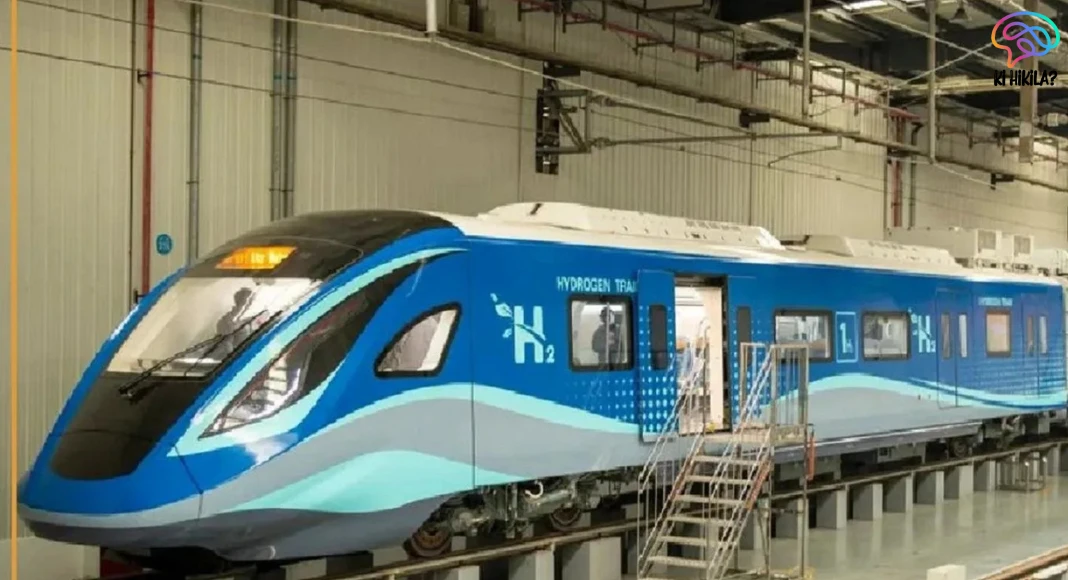
The deployment of the India hydrogen train will significantly reduce the carbon footprint of India’s railway network. Unlike diesel-powered trains, hydrogen trains emit only water vapor, ensuring cleaner air and a healthier environment. As India continues its journey toward sustainable energy and transport, hydrogen trains are expected to play a pivotal role in mitigating climate change and reducing dependence on fossil fuels.
Government Support and Policy Framework for India Hydrogen Train
Strong government support under the National Green Hydrogen Mission has been a key enabler for the India hydrogen train. Policies promoting renewable energy adoption, research funding for hydrogen technologies, and incentives for green mobility solutions are accelerating the deployment of hydrogen-powered trains. The mission’s target of producing five million metric tonnes of green hydrogen by 2030 will further strengthen the feasibility and sustainability of this transformative transportation technology.