World Food Day: Celebrating the Fight Against Hunger and Promoting Food Security

World Food Day is observed every year on 16th October, and it serves as a global reminder of the urgent need to ensure food security, eliminate hunger, and promote sustainable agriculture across the world. Established by the Food and Agriculture Organization (FAO) of the United Nations in 1979, this day commemorates the founding of FAO in 1945 and highlights the importance of tackling global hunger through collective action. Over time, World Food Day has become a platform for raising awareness, initiating campaigns, and inspiring global communities to contribute toward ending hunger and malnutrition.
Thank you for reading this post, don't forget to subscribe!The History of World Food Day
World Food Day has its roots in the post-World War II era, a time when food shortages and famine affected millions of people worldwide. The FAO, recognizing the critical importance of food security, initiated World Food Day to draw attention to these challenges and to promote policies aimed at eliminating hunger. The first World Food Day was observed in 1981, with a strong focus on global cooperation in agriculture, food distribution, and nutrition.
Each year, the FAO chooses a specific theme for World Food Day, reflecting the most pressing issues in food security. Past themes have included sustainable agriculture, climate change, food loss, nutrition, and the role of women in agriculture. By spotlighting different issues annually, World Food Day encourages nations to take concrete action to tackle hunger and build resilient food systems.
Why World Food Day is Important
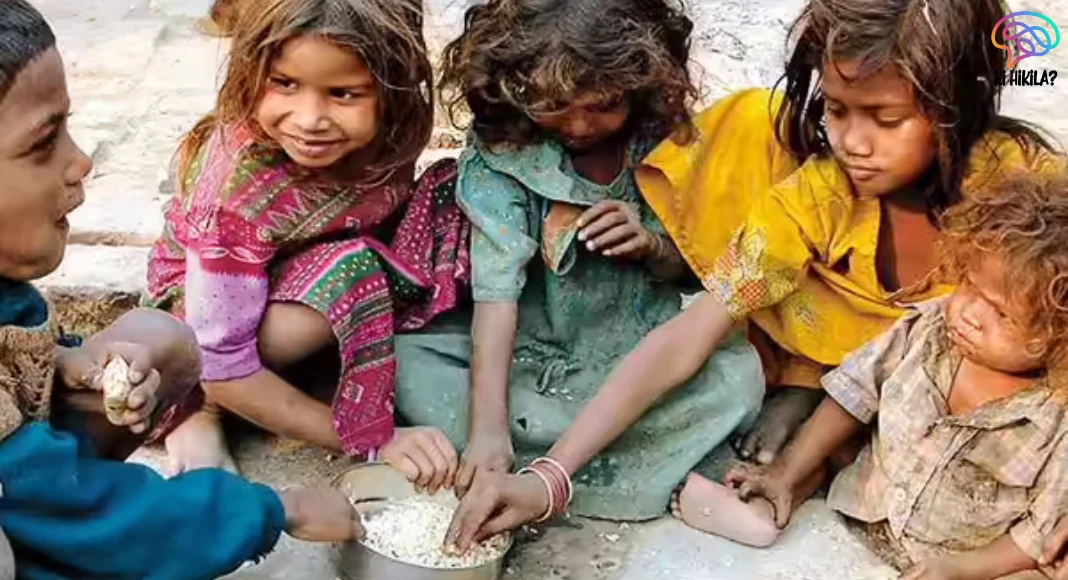
Hunger and malnutrition continue to be among the most critical challenges facing humanity today. According to the United Nations, over 820 million people worldwide suffer from chronic hunger, while millions more face food insecurity due to conflict, economic instability, and climate-related disasters.
World Food Day serves multiple purposes:
- Raising Awareness – It educates people about the prevalence of hunger and malnutrition and the urgent need for food security.
- Promoting Sustainable Agriculture – It encourages the adoption of environmentally friendly farming practices that reduce waste and improve food production.
- Encouraging Policy Action – Governments are motivated to implement policies that support farmers, enhance food distribution, and reduce poverty.
- Inspiring Community Participation – Citizens, NGOs, and organizations are encouraged to contribute to local initiatives that fight hunger.
Through these efforts, World Food Day emphasizes that hunger is not just a personal problem it is a global issue that requires collective responsibility and action.
Themes of World Food Day
Every year, World Food Day is celebrated under a unique theme that highlights an area of concern within the global food system. Here are some notable themes from recent years:
- 2025: “Hand in Hand for Better Foods and a Better Future” – This theme emphasizes the need for global collaboration to create a peaceful, sustainable, prosperous, and food-secure future. It calls for collective action to address the challenges facing agrifood systems, including conflicts, climate change, and economic shocks, which impact food security worldwide.
- 2024: “Right to Food: For Better Life and a Better Future” – Focused on the fundamental human right to adequate food and the importance of ensuring that all individuals have access to sufficient, safe, and nutritious food.
- 2023: “Agri-food Systems Transformation: Ensuring Sustainable and Nutritious Food for All” – Focused on reshaping food systems to provide healthy diets sustainably.
- 2022: “Leave NO ONE behind” – Highlighted inclusivity in food security, ensuring that the most vulnerable populations are not ignored.
- 2021: “Our Actions Are Our Future” – Emphasized the role of individuals and communities in driving systemic change in agriculture and food distribution.
Global Initiatives on World Food Day
World Food Day inspires action at local, national, and international levels. Some of the key initiatives include:
1. Food Drives and Distribution Programs
Many NGOs and community organizations organize food donation drives, especially targeting vulnerable populations. These drives not only provide immediate relief but also raise awareness about the persistent issue of hunger.
2. Educational Programs
Schools, universities, and community centers host workshops, seminars, and awareness campaigns on nutrition, sustainable agriculture, and food waste management. These programs empower people with knowledge and practical skills to contribute toward food security.
3. Policy Dialogues
Government agencies and international organizations use World Food Day as a platform to discuss policies that strengthen agricultural practices, support smallholder farmers, and ensure equitable food distribution.
4. Media Campaigns
Social media campaigns, documentaries, and public service announcements play a significant role in spreading awareness about the challenges of hunger and the solutions available.
By aligning these initiatives with World Food Day, the global community takes a unified approach to tackling food-related challenges.
The Role of Sustainable Agriculture
A central theme of World Food Day is sustainable agriculture, which involves farming methods that meet current food needs without compromising the ability of future generations to produce food. Sustainable agriculture addresses multiple challenges, including:
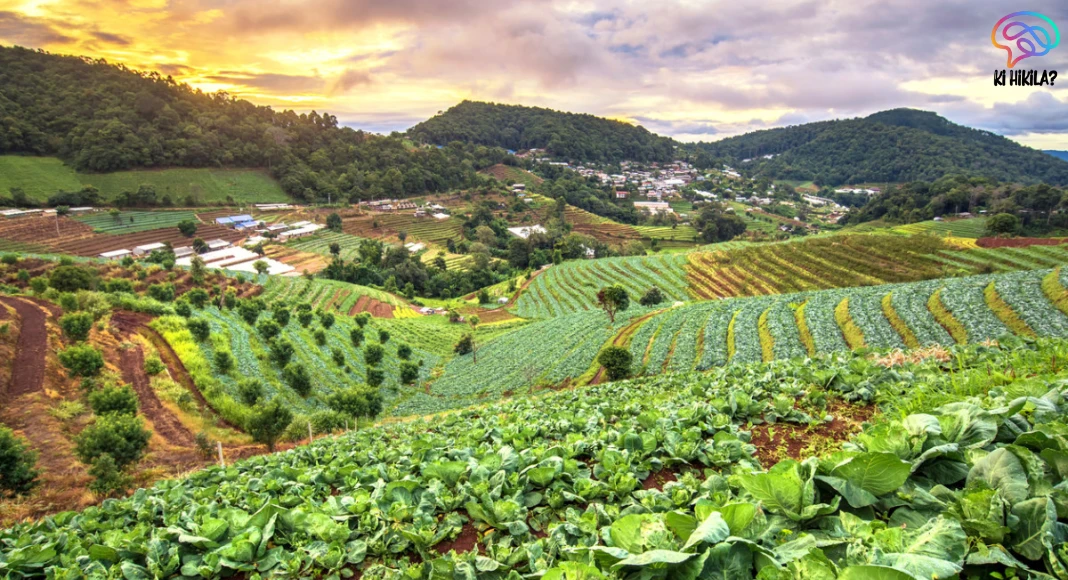
- Climate Change – Promoting practices that reduce greenhouse gas emissions and soil degradation.
- Water Management – Encouraging efficient irrigation techniques to conserve water resources.
- Biodiversity – Protecting diverse plant and animal species to maintain ecological balance.
- Food Security – Ensuring that local communities have access to sufficient, nutritious food year-round.
Examples of sustainable agriculture practices include crop rotation, organic farming, integrated pest management, and agroforestry. By adopting these practices, farmers can increase productivity, preserve natural resources, and contribute to global food security.
Combating Food Waste
Food waste is a major concern in the fight against hunger. According to the FAO, nearly one-third of all food produced globally is wasted or lost before it reaches consumers. This wastage has economic, social, and environmental implications.
World Food Day campaigns emphasize strategies to reduce food waste:
- Encouraging households to plan meals and store food properly.
- Promoting surplus food redistribution through food banks and community kitchens.
- Implementing efficient supply chain management to reduce losses during transportation and storage.
By addressing food waste, we can make more food available to those in need, reduce environmental impact, and make the global food system more efficient.
Nutrition and Healthy Diets
World Food Day also highlights the importance of nutrition and healthy diets. Malnutrition affects not only growth and development but also overall productivity and well-being. Key focus areas include:
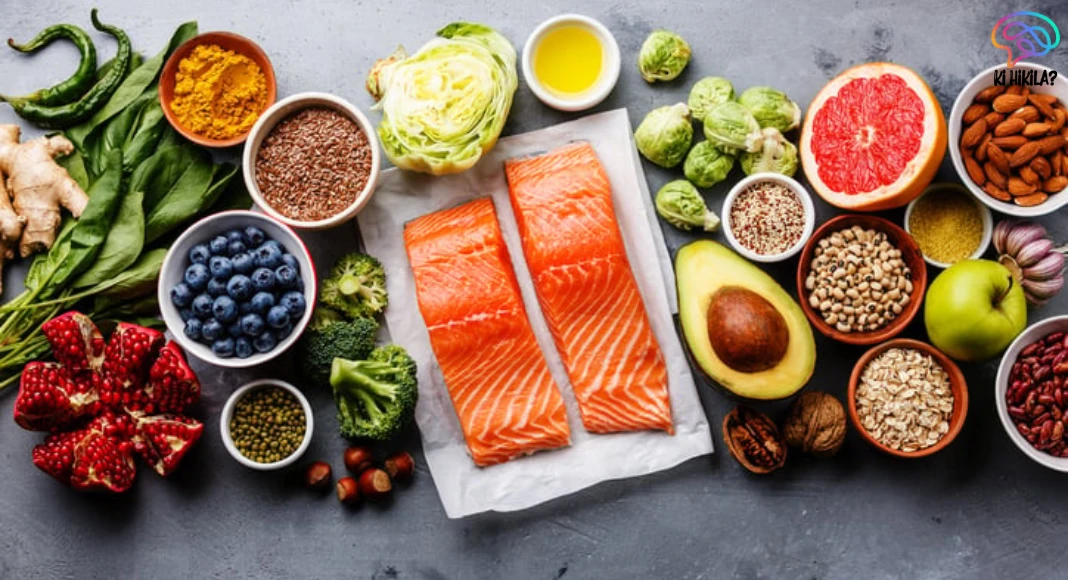
- Access to Nutritious Food – Ensuring that people have access to fruits, vegetables, proteins, and essential nutrients.
- Awareness Campaigns – Educating communities about balanced diets and healthy eating habits.
- Special Programs for Children and Mothers – Providing fortified foods and supplements to prevent stunting and nutrient deficiencies.
A nutritious diet is critical for achieving the United Nations Sustainable Development Goal of zero hunger, making this aspect of World Food Day particularly vital.
Global Partnerships for Food Security
Ending hunger is a challenge that no single country can solve alone. Global partnerships are essential for creating a food-secure world. Organizations such as the United Nations, FAO, World Food Programme (WFP), and various NGOs collaborate to address hunger through funding, technical expertise, and emergency food assistance.
World Food Day strengthens these partnerships by providing a common platform for governments, international bodies, and civil society to coordinate strategies, share resources, and monitor progress toward hunger elimination.
How Individuals Can Contribute
World Food Day is not just for governments and organizations individuals can also make a meaningful impact. Here are some ways to contribute:
- Reduce Food Waste – Buy only what you need, store food properly, and repurpose leftovers.
- Support Local Farmers – Purchase local produce to support small-scale farmers and reduce transportation-related emissions.
- Volunteer – Join food banks, community kitchens, or awareness campaigns.
- Advocate – Promote policies and initiatives that improve access to nutritious food for all.
Even small, consistent efforts by individuals can cumulatively lead to significant change in addressing hunger and food insecurity.
Celebrating World Food Day Around the World
Different countries celebrate World Food Day with unique activities tailored to their local context:
- United States – Community events, school programs, and food drives emphasize awareness and charitable contributions.
- India – Campaigns focus on nutrition, promoting sustainable farming practices, and educating rural communities.
- Africa – Programs address food distribution challenges, drought mitigation, and support for subsistence farmers.
- Europe – Emphasis on reducing food waste, promoting sustainable diets, and supporting local food production.
These celebrations showcase global solidarity in the fight against hunger, highlighting the importance of shared responsibility and collaboration.
Challenges in Achieving Food Security
Despite global efforts, several challenges hinder progress in achieving food security:
- Conflict and Political Instability – Wars and unrest disrupt food production and supply chains.
- Climate Change – Extreme weather events threaten crop yields and food availability.
- Economic Inequality – Poverty limits access to nutritious food for millions of people.
- Population Growth – Increasing populations place additional pressure on agricultural systems.
- Urbanization – Expanding cities reduce available farmland and strain local food supplies.
World Food Day serves as a reminder that addressing these challenges requires coordinated global action and innovative solutions.
The Future of Food Security
Looking ahead, ensuring food security will require a combination of technology, policy, and community engagement. Innovations in agriculture, such as vertical farming, precision agriculture, and climate-resilient crops, hold promise for increasing food production sustainably. Policies that promote equitable food distribution, support smallholder farmers, and protect natural resources will be crucial.
World Food Day continues to inspire a vision of a world where no one goes hungry a future in which all individuals have access to sufficient, safe, and nutritious food.
Inspiring Stories of Change
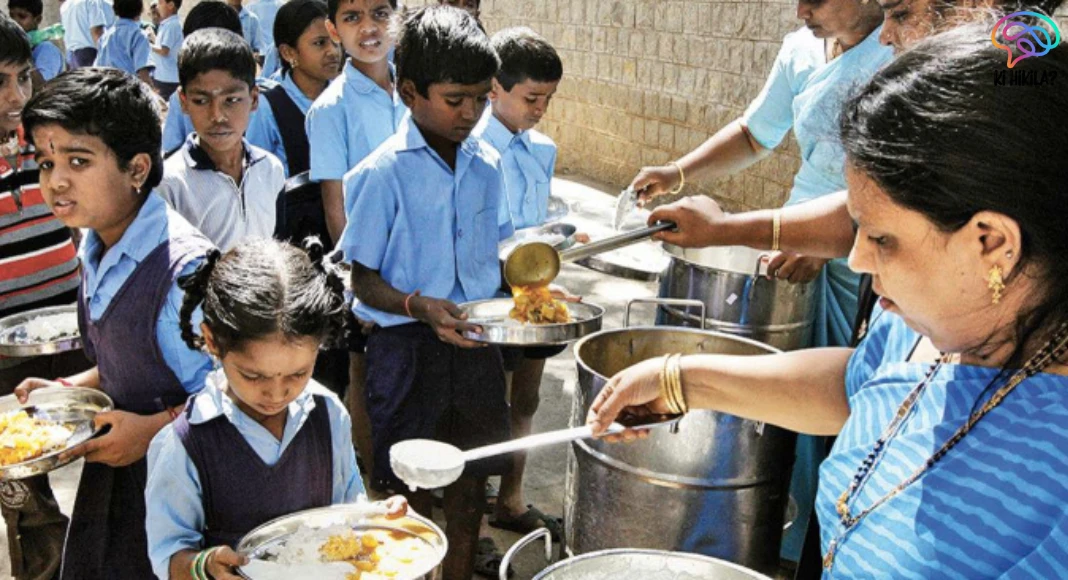
Many success stories demonstrate the power of collective action inspired by World Food Day:
- In Kenya, community-led agricultural cooperatives have improved food production and nutrition for rural families.
- In India, government-supported schemes have provided fortified meals to schoolchildren, improving health outcomes.
- In Brazil, urban gardens have empowered citizens to grow their own food, reducing reliance on imports and fostering community engagement.
These examples show that change is possible when governments, organizations, and individuals work together.
Conclusion
World Food Day is more than a date on the calendar it is a global movement to end hunger, promote sustainable agriculture, and ensure that everyone has access to nutritious food. By celebrating this day, raising awareness, and taking actionable steps, we can contribute to a future where food security is a reality for all.
From reducing food waste to supporting sustainable farming, each action counts. As we observe World Food Day, let us remember that hunger is not inevitable it is preventable, and together, the world can ensure that no one goes to bed hungry.
Frequently Asked Questions (FAQs) about World Food Day
1. What is World Food Day?
World Food Day is observed every year on 16th October to raise awareness about global hunger, food security, and sustainable agriculture. It was established by the Food and Agriculture Organization (FAO) of the United Nations in 1979.
2. Why is World Food Day celebrated?
It is celebrated to highlight the urgent need to eliminate hunger, ensure access to nutritious food for all, and promote sustainable farming practices worldwide.
3. What is the theme of World Food Day 2025?
The theme for 2025 is “Hand in Hand for Better Foods and a Better Future”, emphasizing global collaboration to achieve food security and sustainable agrifood systems.
4. When was the first World Food Day celebrated?
The first World Food Day was celebrated in 1981, following the establishment of FAO in 1945.
5. How can individuals participate in World Food Day?
Individuals can participate by:
- Reducing food waste at home.
- Donating to food banks or volunteering in local food drives.
- Supporting local farmers and sustainable food products.
- Raising awareness on social media about hunger and nutrition.
6. What are the main goals of World Food Day?
The main goals are:
- To end hunger and malnutrition.
- To promote sustainable agricultural practices.
- To ensure access to nutritious food for everyone.
- To encourage global cooperation in food security.
7. Which organizations celebrate World Food Day?
World Food Day is celebrated by FAO, World Food Programme (WFP), governments, NGOs, schools, and local communities worldwide.
8. How does World Food Day help fight hunger?
It helps by raising awareness, influencing policy changes, encouraging sustainable agricultural practices, reducing food waste, and motivating community-driven initiatives to ensure equitable food distribution.
9. Can schools and students participate in World Food Day?
Yes, schools can organize educational programs, food drives, workshops on nutrition, and community awareness campaigns to involve students in promoting food security.
10. What are some common activities on World Food Day?
Activities include:
- Food donation drives.
- Seminars and workshops on nutrition and sustainable agriculture.
- Media campaigns to spread awareness.
- Policy dialogues and conferences for government and NGO collaboration.