World Wildlife Day: Protecting Nature, Protecting Life

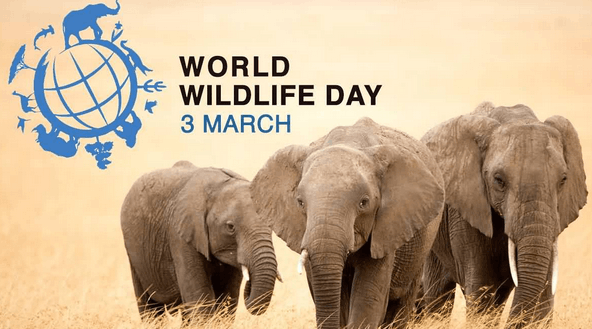
World Wildlife Day is celebrated every year on 3rd March to remind people all over the world about the importance of wild animals and plants. This special day encourages us to understand how valuable wildlife is for our planet and why we must protect it for future generations. Wildlife includes all animals, birds, insects, plants, and other living beings that live freely in forests, oceans, deserts, rivers, and grasslands.
Thank you for reading this post, don't forget to subscribe!World Wildlife Day is not just a celebration; it is a call to action. It asks humans to think about how their activities affect nature and what steps they can take to save wildlife from extinction. As students, citizens, and responsible human beings, understanding the importance of this day helps us become more caring and aware of the natural world.
What is World Wildlife Day?
World Wildlife Day is an international observance that focuses on the protection of wild animals and plants. It highlights the role of wildlife in maintaining the balance of nature and supporting human life. Wildlife provides us with food, medicine, clean air, water, and many other benefits.
This day reminds us that wildlife is facing serious dangers due to human activities like deforestation, pollution, illegal hunting, and climate change. Many species are disappearing at a fast rate, and if we do not act now, they may be lost forever.
When and Why is World Wildlife Day Celebrated?
World Wildlife Day is celebrated on March 3rd every year. This date is special because on March 3, 1973, the Convention on International Trade in Endangered Species of Wild Fauna and Flora (CITES) was signed. This agreement was created to ensure that international trade does not harm endangered plants and animals.
The United Nations officially declared March 3 as World Wildlife Day in 2013. Since then, the day has been celebrated globally to spread awareness about wildlife conservation.
Importance of World Wildlife Day
World Wildlife Day is important for many reasons:
1. Protecting Biodiversity
Biodiversity means the variety of living organisms on Earth. Wildlife is a major part of biodiversity. Healthy biodiversity helps ecosystems function properly.
2. Maintaining Balance of Nature
Each animal and plant has a role in nature. For example, bees help in pollination, predators control animal populations, and plants produce oxygen. Losing one species can disturb the entire ecosystem.
3. Supporting Human Life
Wildlife provides food, medicine, clothing, and raw materials. Many medicines are made from plants and animals found in nature.
4. Raising Awareness
World Wildlife Day educates people about endangered species and the dangers they face.
5. Encouraging Conservation
The day motivates governments, organizations, and individuals to take steps to protect wildlife.
Theme of World Wildlife Day
Every year, World Wildlife Day is celebrated with a special theme. The theme highlights an important issue related to wildlife conservation, such as protecting forests, saving marine life, endangered species, or using natural resources in a sustainable way. These themes help people understand the main challenges faced by wildlife and guide activities like awareness campaigns, school programs, discussions, and environmental projects.
The theme for World Wildlife Day 2025 (March 3rd) is “Wildlife Conservation Finance: Investing in People and Planet.” This theme focuses on the need for proper funding and financial support to protect wildlife and natural ecosystems. It highlights how investing money wisely can help both nature and human communities. For the 2026 celebration, the theme will be “Medicinal and Aromatic Plants: Conserving Health, Heritage and Livelihoods.” This theme draws attention to important medicinal and aromatic plants, their role in healthcare and traditional knowledge, and the serious threats they face due to overuse and habitat loss. In recent years, themes like digital innovation in wildlife conservation (2024) and partnerships for conservation (2023) have also helped promote new ideas and cooperation to protect wildlife worldwide.
What is Wildlife?
Wildlife refers to all living organisms that are not domesticated and live in natural environments. It includes:
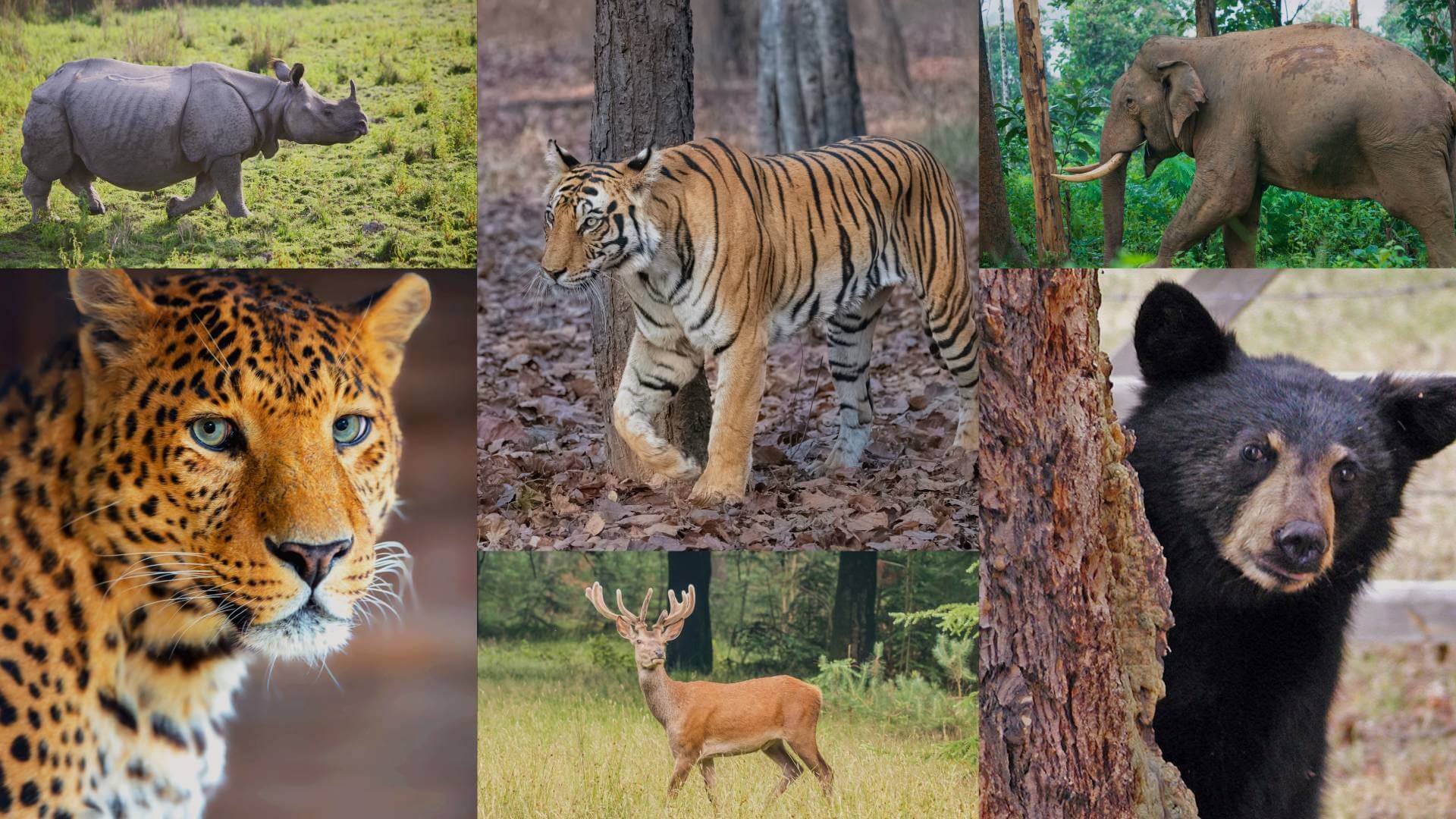
- Animals: Tigers, elephants, lions, deer, whales, dolphins, etc.
- Birds: Eagles, sparrows, peacocks, parrots, owls, etc.
- Insects: Butterflies, bees, ants, beetles, etc.
- Plants: Trees, herbs, shrubs, flowers, and grasses.
- Marine Life: Fish, coral reefs, sea turtles, sharks, and whales.
All these forms of wildlife are connected to each other and to humans.
Types of Wildlife Habitats
Wildlife lives in different types of habitats. Some major habitats are:
1. Forests
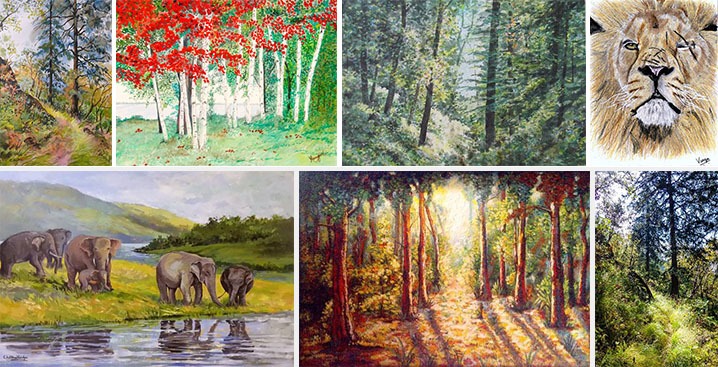
Forests are home to animals like tigers, monkeys, birds, insects, and many plants. Forests help control climate and provide oxygen.
2. Grasslands
Grasslands support animals like deer, zebras, lions, and elephants.
3. Deserts
Deserts may look empty, but animals like camels, snakes, lizards, and foxes live there.
4. Oceans and Seas
Marine wildlife includes fish, whales, dolphins, coral reefs, and many other species.
5. Wetlands
Wetlands like rivers, lakes, and swamps are important for birds, fish, frogs, and plants.
Threats to Wildlife
Wildlife today faces many serious threats, mostly caused by humans. Some major threats are:
1. Deforestation
Cutting down forests for farming, buildings, and industries destroys animal homes. Many animals lose their shelter and food.
2. Illegal Hunting and Poaching
Animals are killed for their skin, bones, horns, tusks, and meat. For example, elephants are killed for ivory, and tigers for their skin.
3. Climate Change
Rising temperatures, melting ice, and changing weather patterns affect wildlife habitats. Polar bears, for example, are losing their ice homes.
4. Pollution
Air, water, and soil pollution harm animals and plants. Plastic waste in oceans kills marine animals.
5. Urbanization
Cities and roads reduce natural habitats and force animals to move or die.
6. Overfishing
Catching too many fish harms marine ecosystems and reduces fish populations.
Endangered Species
Endangered species are plants and animals that are at risk of becoming extinct. Some examples include:
- Tiger
- Elephant
- Rhinoceros
- Snow Leopard
- Giant Panda
- Sea Turtles
When a species becomes extinct, it is gone forever. Protecting endangered species is one of the main goals of World Wildlife Day.
Role of Wildlife in Ecosystem
Wildlife plays a very important role in keeping ecosystems healthy:
- Predators control population of other animals
- Herbivores help in plant growth and seed spreading
- Birds and insects help in pollination
- Decomposers break down dead plants and animals
All these roles help nature stay balanced.
Wildlife Conservation
Wildlife conservation means protecting animals, plants, and their habitats. It aims to prevent extinction and ensure sustainable use of natural resources.
Methods of Wildlife Conservation:
- National Parks and Sanctuaries
Protected areas where animals can live safely. - Wildlife Laws
Laws that stop illegal hunting and trade of wildlife products. - Breeding Programs
Helping endangered animals breed in safe environments. - Forest Conservation
Protecting forests from cutting and damage. - Awareness Programs
Educating people about wildlife protection.
World Wildlife Day in India
India is one of the richest countries in terms of biodiversity. It has forests, rivers, mountains, deserts, and long coastlines. India is home to animals like tigers, elephants, lions, peacocks, and many rare species.
On World Wildlife Day, India organizes:
- School programs
- Wildlife awareness campaigns
- Nature walks
- Tree plantation drives
- Educational talks
The Wildlife Protection Act, 1972 is an important law in India for protecting wildlife.
Role of Students in Wildlife Protection
Students can play a big role in saving wildlife:
- Learning about animals and plants
- Avoiding plastic and pollution
- Saving water and electricity
- Participating in tree plantation
- Spreading awareness through essays, posters, and social media
- Respecting nature and animals
Small actions by students can make a big difference.
How World Wildlife Day is Celebrated
World Wildlife Day is celebrated in many ways:
- Seminars and workshops
- Wildlife photography exhibitions
- Social media campaigns
- School competitions
- Tree planting programs
- Documentary screenings
These activities help people connect with nature and understand the need for conservation.
Importance of Forests for Wildlife
Forests are the main home of wildlife. They provide food, shelter, and protection. Forests also help humans by giving oxygen, controlling climate, and preventing floods.
Saving forests means saving wildlife and saving ourselves.
Marine Wildlife and Its Protection
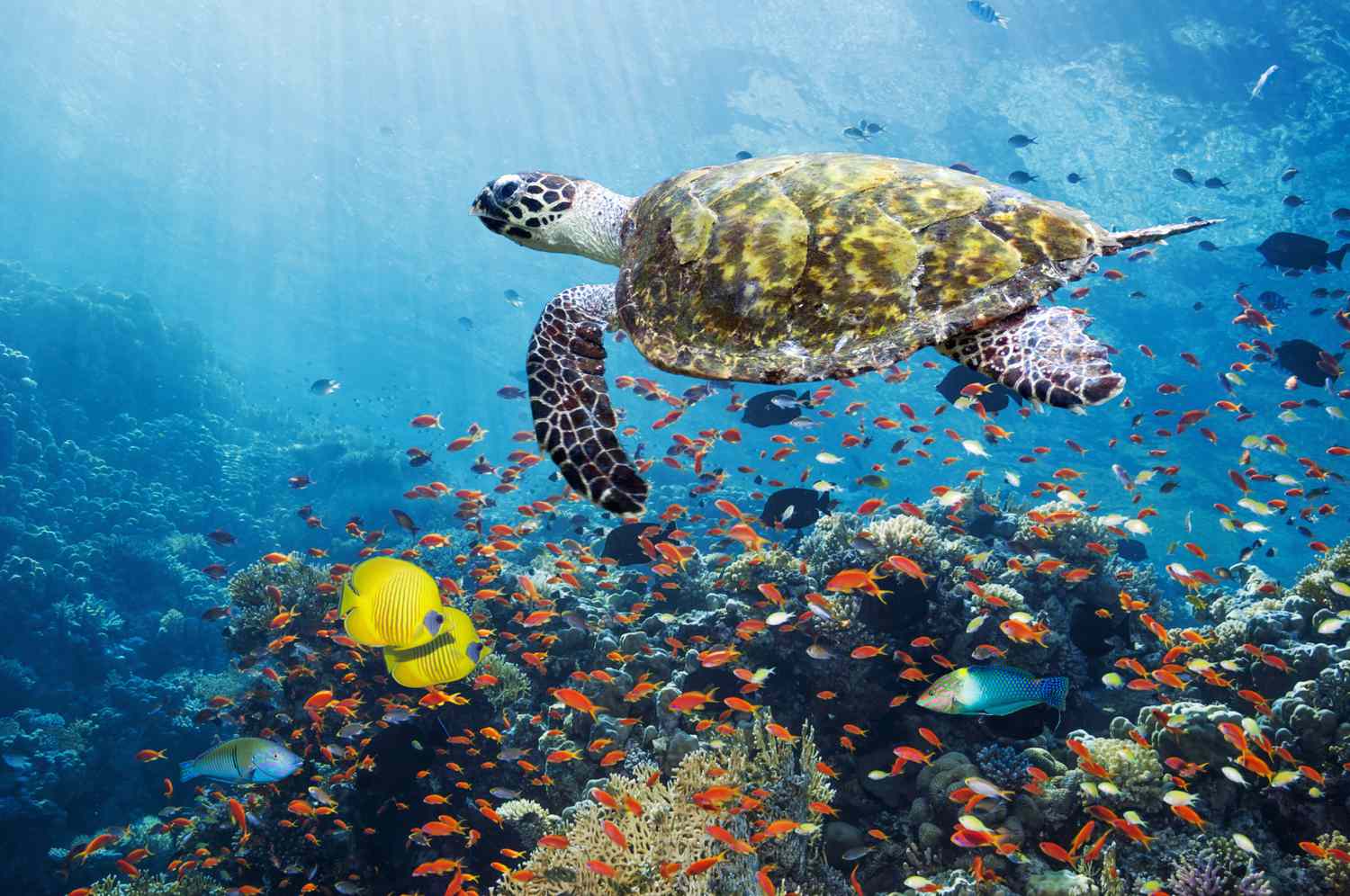
Oceans cover most of the Earth and are home to millions of species. Marine wildlife is threatened by plastic waste, oil spills, and overfishing.
Protecting oceans helps maintain food chains and climate balance.
Wildlife and Sustainable Development
Sustainable development means using resources wisely so that future generations can also enjoy them. Protecting wildlife is an important part of sustainable development.
If wildlife disappears, ecosystems will collapse, affecting human life.
Message of World Wildlife Day
The main message of World Wildlife Day is clear:
“Wildlife is not separate from us. Protecting wildlife means protecting life on Earth.”
Humans must live in harmony with nature and respect all living beings.
Conclusion
World Wildlife Day reminds us that wildlife is precious and essential for the survival of our planet. Every animal, bird, plant, and insect has a role in nature. Human activities have caused great harm to wildlife, but it is not too late to change.
By spreading awareness, following wildlife laws, protecting forests, and adopting eco-friendly habits, we can help save wildlife. Students, teachers, governments, and citizens all have a responsibility to protect nature.
On World Wildlife Day, let us promise to respect wildlife, protect natural habitats, and work together for a greener and healthier Earth.
Protect Wildlife Today, Save the Planet Tomorrow.
Frequently Asked Questions (FAQs)
Q1. What is World Wildlife Day?
World Wildlife Day is celebrated on March 3rd every year to raise awareness about protecting wild animals and plants.
Q2. Why is World Wildlife Day important?
It is important because it reminds us that wildlife is essential for nature balance and human survival.
Q3. When was World Wildlife Day first celebrated?
World Wildlife Day was officially celebrated for the first time in 2014 after being declared by the United Nations.
Q4. What is the theme of World Wildlife Day 2025?
The theme for World Wildlife Day 2025 is “Wildlife Conservation Finance: Investing in People and Planet.”
Q5. What will be the theme of World Wildlife Day 2026?
The theme for 2026 will be “Medicinal and Aromatic Plants: Conserving Health, Heritage and Livelihoods.”
Q6. How does wildlife help humans?
Wildlife provides food, medicine, clean air, water, and helps maintain environmental balance.
Q7. What are the main threats to wildlife?
Major threats include deforestation, pollution, climate change, illegal hunting, and habitat loss.
Q8. How can students help protect wildlife?
Students can save nature by planting trees, avoiding plastic, spreading awareness, and respecting animals.