India’s Census 2027 Set to Redefine Data Collection Across the Country

India’s Census 2027 has received formal approval from the Union Cabinet, marking an important step toward updating the country’s population and household records. The decision was taken in a meeting chaired by Prime Minister Narendra Modi, with the total cost of the nationwide exercise estimated at ₹11,718.24 crore. This massive task will be the largest data collection effort carried out by the Indian government and is expected to play a key role in shaping future policies and development plans.
Thank you for reading this post, don't forget to subscribe!India’s Census 2027: A Nationwide Data Collection Drive
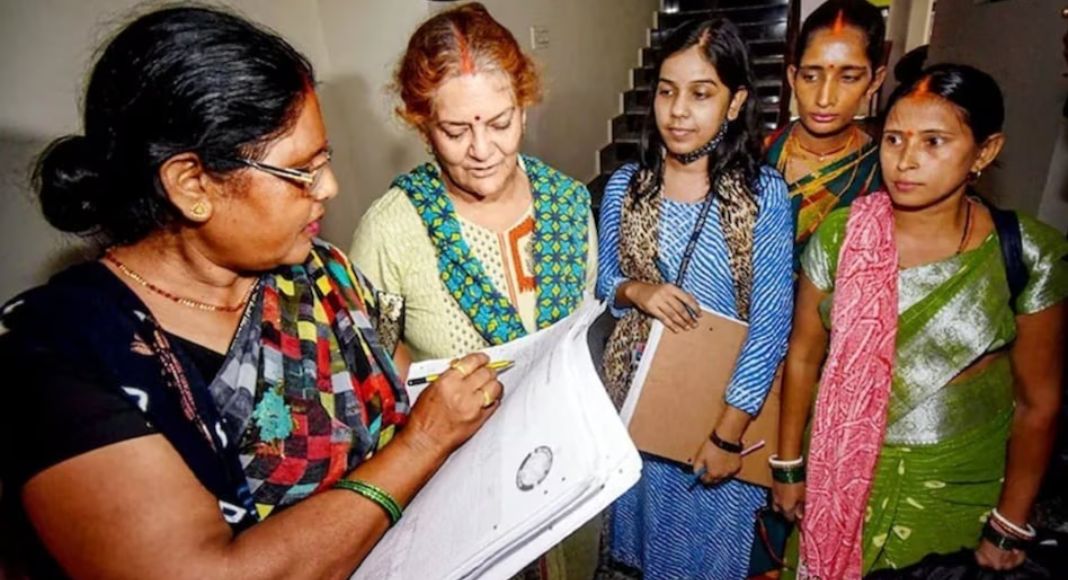
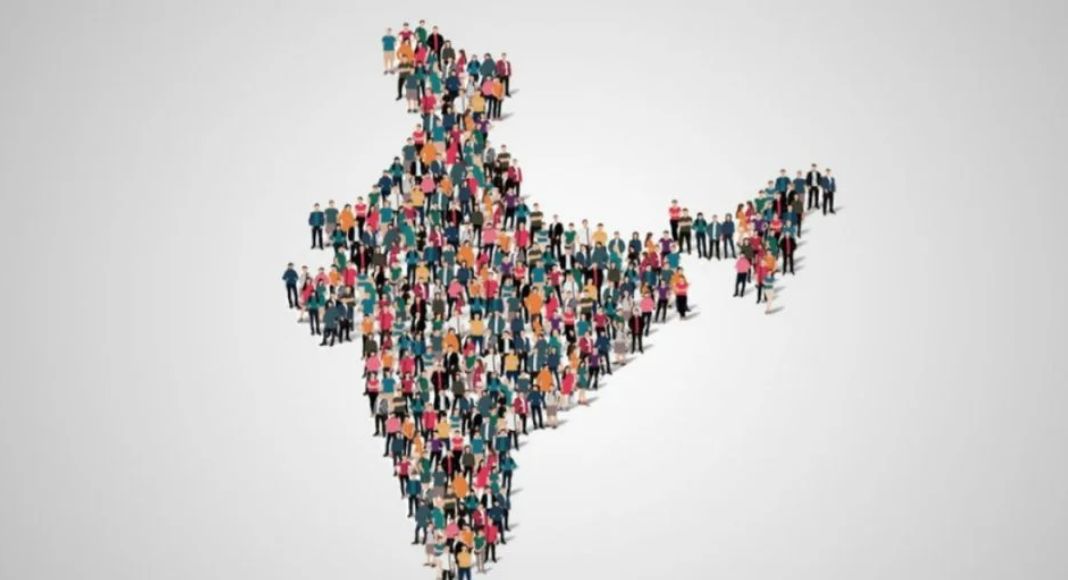
The upcoming census will reach every corner of the country, covering cities, towns, villages, and remote regions. Officials will visit every household to collect detailed information about living conditions, family size, and other social and economic details. The aim is to create a clear and updated picture of India’s population so that government programmes can be planned more accurately and fairly.
The information gathered will support decisions related to welfare schemes, infrastructure development, health services, education planning, and resource distribution. Reliable data from the census helps both central and state governments understand changing population trends and local needs.
Two-Phase Timeline for Smooth Execution
India’s Census 2027 will be carried out in two well-planned phases. The first phase, known as the house listing and housing count, will be conducted between April and September 2026. During this stage, officials will record details about residential buildings, housing conditions, and basic facilities.
The second phase, population counting, is scheduled for February 2027. However, in areas with extreme weather conditions or unique challenges—such as Ladakh and some parts of Jammu and Kashmir, Himachal Pradesh, and Uttarakhand—population counting will take place earlier, around September 2026. This flexible schedule ensures that difficult terrain and climate do not disrupt the process.
A Shift Toward Digital Methods
One of the biggest changes in Census 2027 is its strong focus on digital tools. For the first time, data collection will mainly happen through mobile applications designed for smartphones and tablets. These apps will work on both Android and iOS devices, making the process faster and more efficient.
A special online system will be used to monitor progress in real time, allowing officials to track fieldwork and address issues quickly. Digital maps will help with planning survey areas, and citizens will also have the option to fill in their details themselves if they choose. Strong safety measures have been added to protect personal information and keep data secure.
Inclusion of Caste Details
The Cabinet has also approved the collection of caste-related information as part of the population counting stage. This data will be gathered digitally along with other personal details. The move is expected to help governments better understand social realities and design welfare schemes that are more inclusive and targeted.
Large Workforce and Ground-Level Effort
To carry out such a large exercise, around 30 lakh people will be involved across the country. This includes survey workers, supervisors, trainers, and officers. Many of them will be drawn from existing government staff, including school teachers and local officials. They will receive suitable payments for their work while continuing with their regular duties.
In addition, thousands of technical experts will be engaged to manage data systems, digital platforms, and monitoring tools. This effort will also create temporary employment and strengthen digital skills at the state and district levels.
Data Access and Long-Term Benefits
Once completed, Census 2027 data will be shared more quickly than in the past. Easy-to-use dashboards and visual tools will allow access to information down to village and ward levels. Government departments will receive clean, ready-to-use datasets to help with planning and decision-making.
Overall, India’s Census 2027 is not just about counting people. It is about building a strong data foundation for the country’s future, improving governance, creating jobs, and ensuring that development reaches every section of society in a timely and effective way.