


Junior Asia Cup: India Win Third Straight Title

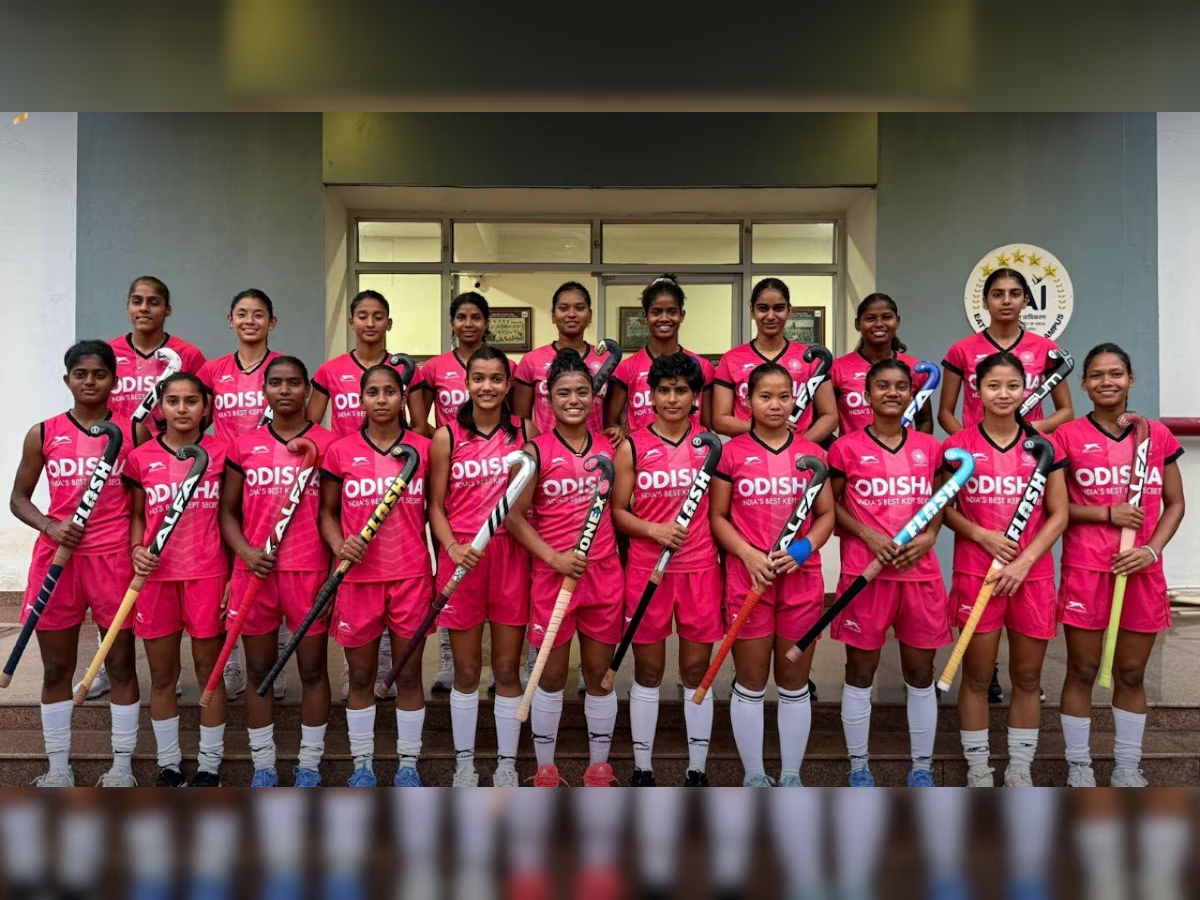
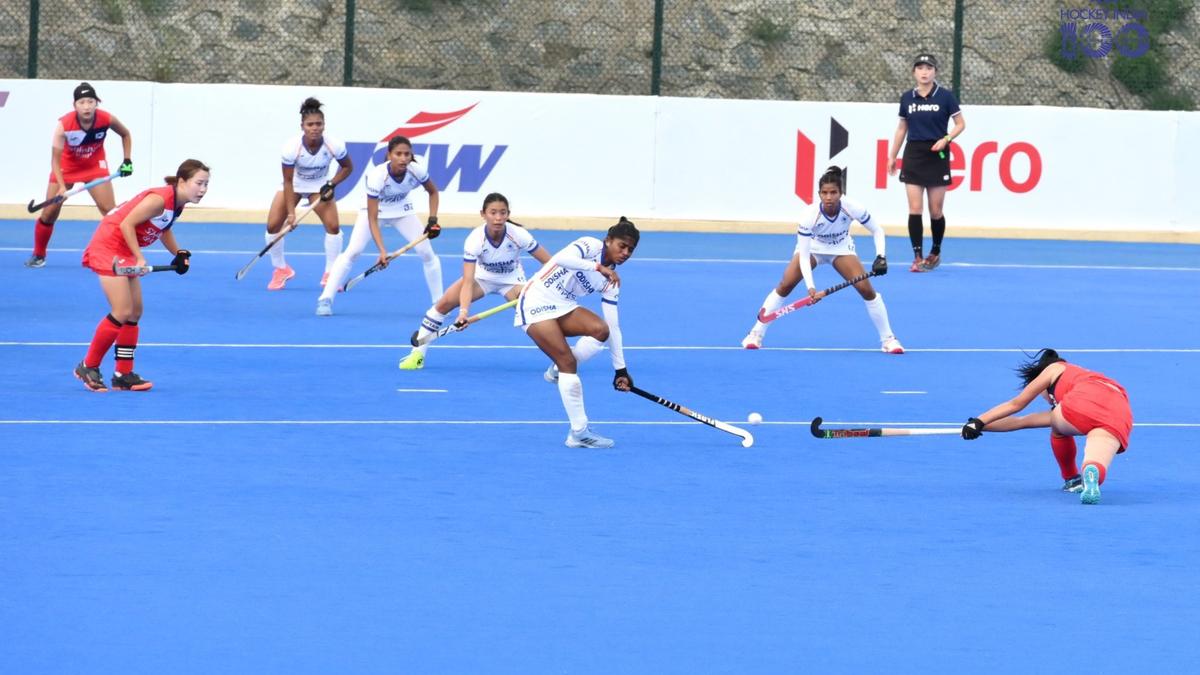
Junior Asia Cup saw India retain the women’s title for a third consecutive time after the Indian team defeated China 1-0 in a closely fought final in Moqi, China, on 13 September 2026. Sanika Chandrakant Mane scored the only goal of the match in the second quarter, helping India defend their continental crown. The victory also secured India’s qualification for the junior hockey World Cup.
India Start Final Under Pressure
The Junior Asia Cup final began with both teams playing cautiously. China had more possession during the opening exchanges and tried to put the defending champions under pressure.

India, however, maintained a disciplined defensive structure. The team stayed compact and prevented China from creating a clear scoring opportunity. As the first quarter progressed, India’s defence became more organised and the hosts struggled to find space inside the circle.
India’s ability to absorb the early pressure proved important in a match where both teams knew that a single goal could decide the contest.
Sanika Mane Gives India the Lead
India created their first major opportunity early in the second quarter. Sanika Mane made an intelligent run behind a Chinese defender and moved into a dangerous position close to the goal.
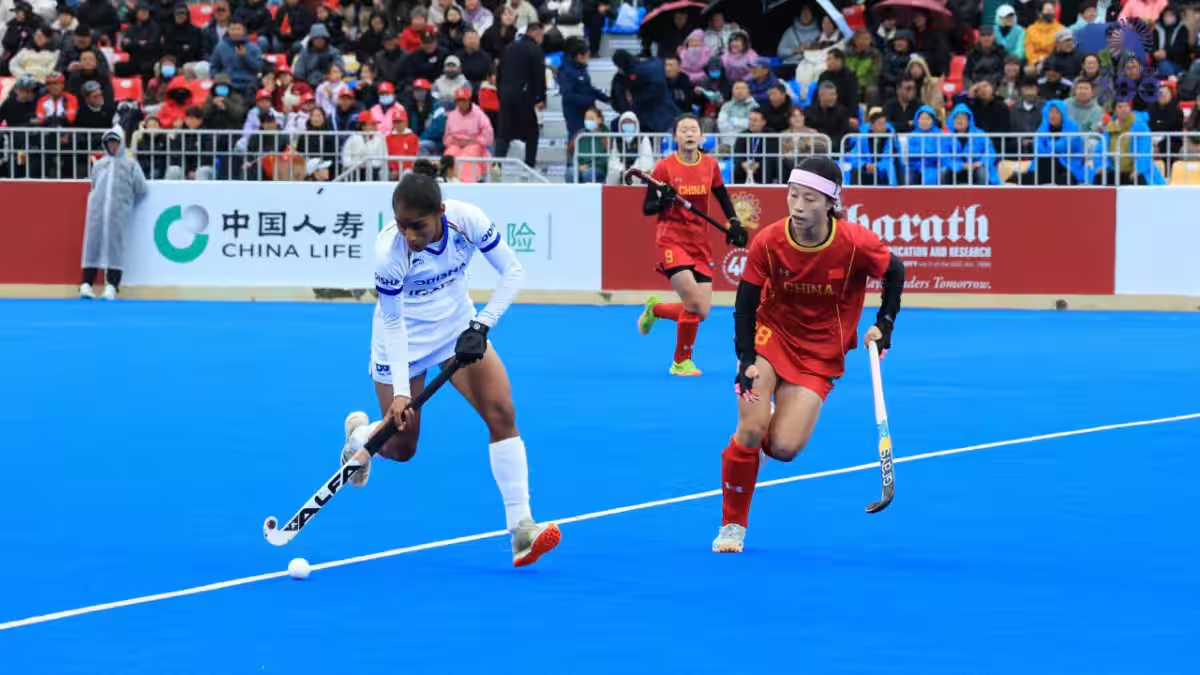
She connected with a long slap-push into the Chinese circle and produced a smart deflection that went past goalkeeper Xu Mengjiao. The goal in the 17th minute gave India a 1-0 lead.
The goal changed the nature of the match. China increased its attacking efforts, while India focused on protecting its advantage and looking for opportunities to create another opening.
China Miss Penalty Corner Chance
China came close to equalising after earning the only penalty corner of the match. Their direct attempt appeared to find the net, but the goal was disallowed because the ball entered above the permitted height of the backboard.
The decision kept India ahead and added to the pressure on the Chinese team.
India then had a chance to extend the lead shortly before half-time. Captain Khaidem Shileima Chanu found room for a shot on target, but the Chinese goalkeeper reacted quickly and stopped the attempt.
India went into the half-time break with their narrow 1-0 advantage intact.
India Defend Their Lead
China returned for the second half with greater attacking intent. Seven minutes into the third quarter, the hosts created a dangerous move from the baseline.
A Chinese attacker moved into space and sent a cut-back towards the area in front of the Indian goal. India’s defence reacted quickly and intercepted the pass before it could reach the intended attacker.
The defensive effort became a key feature of the second half as China continued searching for an equaliser.
Final Quarter Becomes a Defensive Test
The fourth quarter was particularly demanding for India. China pushed forward and tried to create repeated attacks around the Indian circle.
India responded with a compact defensive shape. The players closed down spaces, tracked Chinese attackers and worked to prevent clean shots at goal.
With the clock running down, China’s pressure increased. However, India’s defence remained organised and avoided conceding a late equaliser.
The final whistle confirmed a 1-0 victory for India, giving the team another Junior Asia Cup title.
India Finish Tournament Unbeaten
India’s success in the Junior Asia Cup came after an unbeaten run throughout the tournament. The team topped the Elite Pool with three wins and one draw.
India then produced a strong performance in the semi-final, defeating South Korea 5-1 to book a place in the final against China.
The 1-0 win over the hosts completed India’s campaign without a defeat. It also allowed the defending champions to successfully retain their continental title and become three-time Junior Asia Cup champions.
World Cup Qualification Secured
The Junior Asia Cup title also carries an important international benefit for India’s young hockey players. By winning the continental tournament, India secured qualification for the junior hockey World Cup.
The qualification gives the team an opportunity to compete against the strongest junior sides from other regions. It also provides valuable international experience to players who could become part of India’s senior hockey setup in the future.
India’s continued success at the junior level highlights the depth of talent developing in women’s hockey.
Hockey India Announces Prize Money
Following the title win, Hockey India announced prize money of ₹3 lakh for each player in the team.
Members of the support staff will receive ₹1.5 lakh each.
The announcement recognises the contribution of both the players and the support team behind India’s successful campaign.
The third consecutive Junior Asia Cup title gives India’s women’s junior hockey programme another major achievement on the international stage. The team now turns its attention towards preparing for the junior World Cup after completing an unbeaten continental campaign in China.