Ethical Issues in Biotechnology: Major Concerns and Challenges

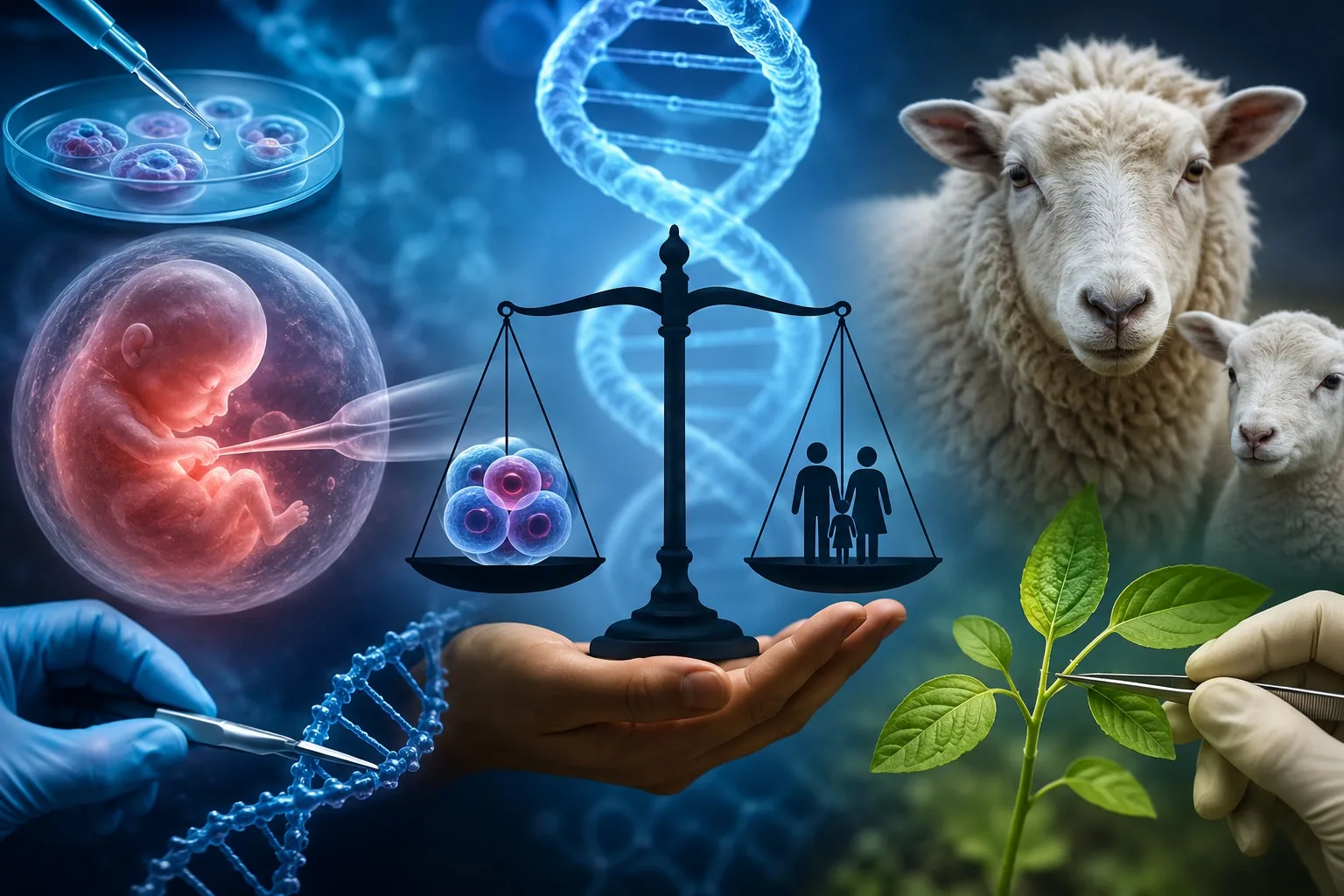
Ethical Issues in Biotechnology have become an important topic in today’s world because biotechnology is growing very fast. It is helping people in healthcare, farming, and environmental protection. Scientists are developing new medicines, improving crops, and finding ways to solve many global problems. But along with these benefits, biotechnology also raises serious ethical questions.
Thank you for reading this post, don't forget to subscribe!Many people worry about whether some scientific methods are morally right or wrong. Technologies like stem cell research, cloning, and genetic engineering can bring great benefits, but they can also create risks for humans, animals, and nature. Because of this, it is important to understand the ethical concerns related to biotechnology.
What is Biotechnology?
Biotechnology is the use of living organisms, cells, or biological systems to create useful products or technologies. It combines biology with technology to improve human life.
Biotechnology is used in many areas such as:
- Medicine – making vaccines, insulin, and gene therapies
- Agriculture – producing pest-resistant crops
- Environment – reducing pollution and waste
- Industry – creating biofuels and useful chemicals
Although biotechnology offers many advantages, its misuse can create social, ethical, and environmental problems.
Ethical Concerns in Biotechnology
The major ethical issues in biotechnology are linked to:
- Stem cell research
- Cloning
- Genetic engineering
Let us understand each in simple words.
Stem Cell Research and Ethical Issues
What is Stem Cell Research?
Stem cells are special cells in the body that can develop into different types of cells such as muscle cells, nerve cells, or blood cells. These cells help repair damaged tissues.
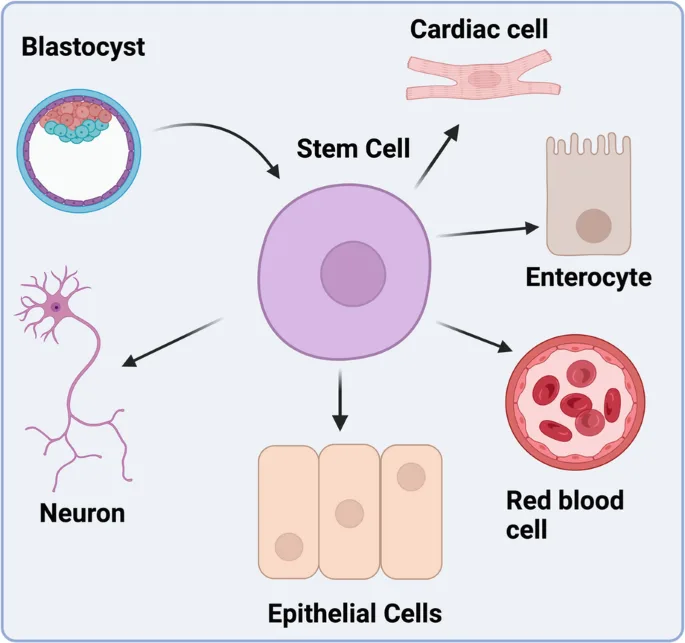
Scientists study stem cells to find treatments for diseases like:
- Parkinson’s disease
- Diabetes
- Cancer
- Spinal cord injury
Stem cell research gives hope for curing serious diseases. However, it also creates ethical concerns.
1. Destruction of Embryos
One of the biggest ethical issues is the use of human embryos.
In some stem cell research, scientists use embryonic stem cells. To collect these cells, the embryo gets destroyed.
This creates a moral debate:
- Supporters say this research can save millions of lives.
- Opponents say destroying an embryo is equal to ending human life.
This is one of the most debated ethical issues in biotechnology.
2. Informed Consent
Sometimes stem cells are collected from embryos created during IVF (In Vitro Fertilization).
An ethical question arises:
Did the donors fully understand how their embryos would be used?
People donating biological material should clearly know:
- Why it is collected
- How it will be used
- What risks are involved
Without proper consent, exploitation may happen.
3. Unequal Access to Treatment
Advanced stem cell therapies can be very expensive.
This creates another ethical issue: only rich people may benefit from these treatments.
Poor patients may not get access to life-saving therapies. This increases healthcare inequality in society.
Cloning and Ethical Issues
What is Cloning?
Cloning is the process of creating an exact genetic copy of an organism.
The clone has the same DNA as the original organism.
Cloning can be of different types.
Types of Cloning
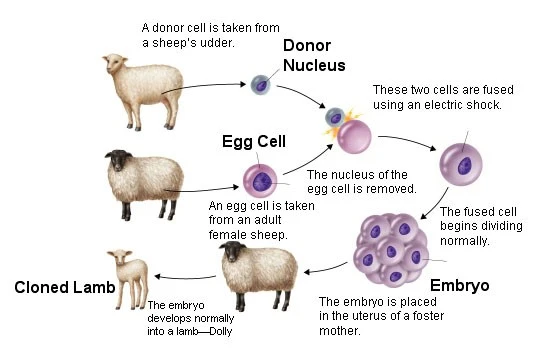
1. Reproductive Cloning
This creates a whole new organism genetically identical to the original.
The most famous example is Dolly the Sheep, the first mammal successfully cloned in 1996.
2. Therapeutic Cloning
This is used to create stem cells for medical treatment and research.
It helps scientists study diseases and tissue repair.
3. Gene Cloning
Gene cloning creates copies of specific genes or DNA segments.
Example: Scientists clone the human insulin gene into bacteria to produce insulin for diabetes patients.
4. Embryo Cloning
This splits an early embryo into identical embryos, similar to natural twins.
It is often used in livestock breeding.
Ethical Issues Related to Cloning
1. Identity and Individuality
One major ethical concern is personal identity.
If a human clone is created, questions arise:
- Is the clone a separate individual?
- Will society treat the clone equally?
- Will cloning affect human uniqueness?
Every person is unique. Cloning creates fear that individuality may lose value.
2. Health Risks
Cloning has a low success rate.
Many cloned animals suffer from:
- Birth defects
- Organ problems
- Weak immune systems
- Shorter lifespan
For example, Dolly the Sheep developed health problems and died earlier than many sheep.
This raises ethical concerns about suffering caused by cloning.
3. Animal Exploitation
Cloning often uses surrogate animals.
These animals may go through:
- Repeated medical procedures
- Hormonal treatments
- Stress and pain
Many cloning attempts fail before success.
During Dolly’s cloning, scientists made 277 attempts, but only one healthy lamb survived.
This shows how cloning can cause suffering to animals.
Animal welfare groups strongly oppose such practices.
Genetic Engineering and Ethical Issues
What is Genetic Engineering?
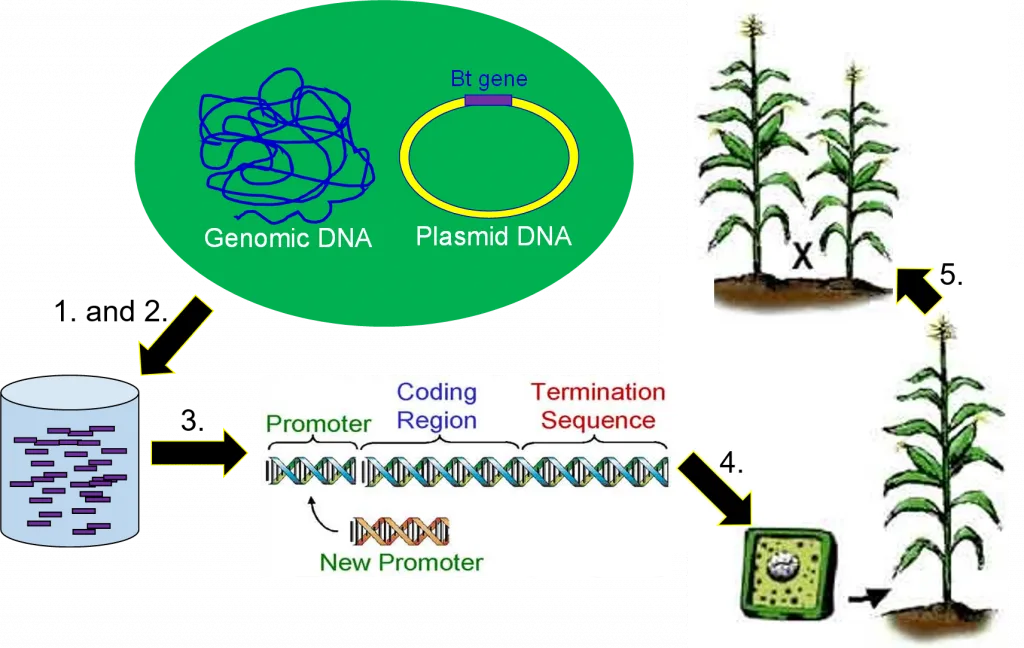
Genetic engineering means changing the DNA of an organism to create desired traits.
Scientists can:
- Add genes
- Remove genes
- Modify genes
This technology is useful in medicine, farming, and environmental conservation.
Genetic Engineering Technologies
CRISPR-Cas9 Technology
CRISPR gene editing is a modern gene-editing tool.
It works like molecular scissors that cut DNA at specific points.
Scientists can then repair or modify genes.
Uses of CRISPR
Agriculture
- Pest-resistant crops
- Better crop yield
- Disease-resistant plants
Example: Rice modified to resist bacterial infection.
Medicine
- Treatment of inherited diseases
- Gene therapy
Example: Research on sickle cell anemia and cystic fibrosis.
Conservation
Scientists are studying gene editing to protect endangered species.
Gene Silencing
Gene silencing reduces or stops the activity of harmful genes.
It helps in:
- Disease treatment
- Genetic research
- Crop protection
Example: Some medicines silence genes responsible for harmful proteins.
Ethical Issues in Genetic Engineering
1. Playing God
One major ethical issue is whether humans should change life itself.
Some people believe altering genes means humans are interfering too much with nature.
This raises questions:
- Should humans redesign life?
- Are there limits to science?
This is often called the “playing God” argument.
2. Designer Babies
Genetic engineering may allow parents to choose traits for babies, such as:
- Height
- Eye color
- Intelligence
- Physical strength
These are called designer babies.
This creates ethical concerns because wealthy families may gain unfair advantages.
It could create a society divided by genetics.
3. Unintended Mutations
Gene editing is not always perfect.
Sometimes DNA changes happen in the wrong place.
These unwanted changes can cause:
- New diseases
- Genetic disorders
- Unknown health risks
This makes safety a major ethical issue.
4. Biodiversity Loss
Genetically modified crops may affect nature.
Possible risks include:
- Loss of natural plant varieties
- Harm to insects and animals
- Creation of resistant pests
If GM crops spread widely, ecosystems may become unbalanced.
Protecting biodiversity is important for environmental health.
5. Informed Consent in Genetic Therapy
Genetic treatment is highly complex.
Patients may not fully understand:
- Benefits
- Risks
- Long-term effects
Therefore, doctors must clearly explain everything before treatment.
Proper consent is essential.
6. Inequality and Access
Advanced genetic technologies are expensive.
Only wealthy people or rich countries may benefit.
This can increase global inequality.
Biotechnology should help everyone, not only privileged groups.
7. Genetic Discrimination
Genetic information can be misused.
Employers or insurance companies may discriminate against people based on genetic data.
For example, if genetic tests show a person may develop a disease in the future, companies might deny jobs or insurance.
This creates serious ethical and legal concerns.
Ways to Solve Ethical Issues in Biotechnology
Biotechnology should grow responsibly. Strong rules and ethical guidelines are necessary.
1. Create Strong Ethical Guidelines
Governments and scientific organizations should create clear rules.
These rules must protect:
- Human dignity
- Privacy
- Safety
- Fairness
2. Encourage Independent Research
Independent research helps identify long-term risks.
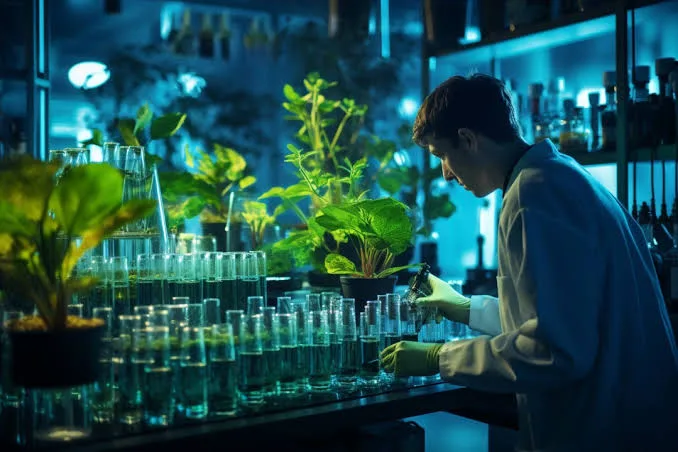
Transparent research builds public trust.
People should know both the benefits and dangers of biotechnology.
3. Apply Strict Safety Measures
Safety rules must be followed during research and practical use.
This reduces risks to:
- Humans
- Animals
- Environment
Strong monitoring is essential.
4. Prevent Discrimination
Laws should stop misuse of genetic information.
No person should face discrimination because of their genes.
Equal rights must be protected.
5. Ensure Equal Access
Biotechnology should benefit all people.
Governments should create policies so poor and rich people can both access useful treatments.
Fair access reduces inequality.
6. Promote International Cooperation
Biotechnology affects the whole world.
Countries should work together through organizations like World Health Organization and World Trade Organization.
Global cooperation can help create common ethical standards.
Final Thoughts
Ethical Issues in Biotechnology are becoming more important as science advances. Biotechnology has the power to cure diseases, improve food production, and protect the environment. However, it also raises difficult moral questions related to human life, animal welfare, equality, and environmental safety.
The goal should not be to stop scientific progress but to ensure that biotechnology is used responsibly. With proper laws, ethical rules, and equal access, biotechnology can improve human life while protecting society and nature.
FAQs
1. What are ethical issues in biotechnology?
Ethical issues in biotechnology are moral concerns related to technologies like cloning, stem cell research, and genetic engineering.
2. Why is stem cell research controversial?
It is controversial because some methods involve destroying human embryos, which raises moral concerns.
3. What is cloning?
Cloning is the process of creating a genetically identical copy of an organism.
4. What are designer babies?
Designer babies are children whose genetic traits are selected or modified before birth.
5. Why is genetic engineering risky?
It may cause unintended mutations, environmental imbalance, and social inequality.