Marriageable Age for Women: Benefits, Challenges, and Laws in India

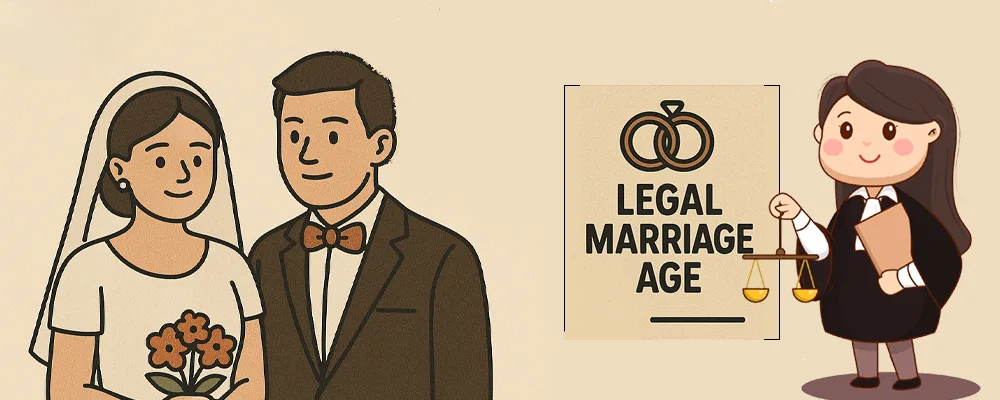
The Marriageable Age for Women has been an important topic in India for many years. It is closely related to women’s education, health, employment, gender equality, and social development. The Government of India has discussed increasing the legal marriage age for women from 18 years to 21 years to make it equal to the legal marriage age for men.
Thank you for reading this post, don't forget to subscribe!Supporters believe that increasing the marriage age can improve women’s health, education, and financial independence. However, others argue that changing the law alone may not solve the real social problems behind early marriage.
What is the Marriageable Age for Women?
The marriageable age for women is the minimum legal age at which a woman can marry according to the law. At present, Indian laws generally allow:
| Category | Minimum Marriage Age |
|---|---|
| Women | 18 years |
| Men | 21 years |
The proposal to increase the marriage age for women to 21 years aims to bring equality between men and women and improve women’s overall well-being.
Historical Background of Marriage Laws in India
India has taken several steps over the years to prevent child marriage.
The Child Marriage Restraint Act, 1929
The first major law against child marriage was the Child Marriage Restraint Act, 1929, also known as the Sarda Act.
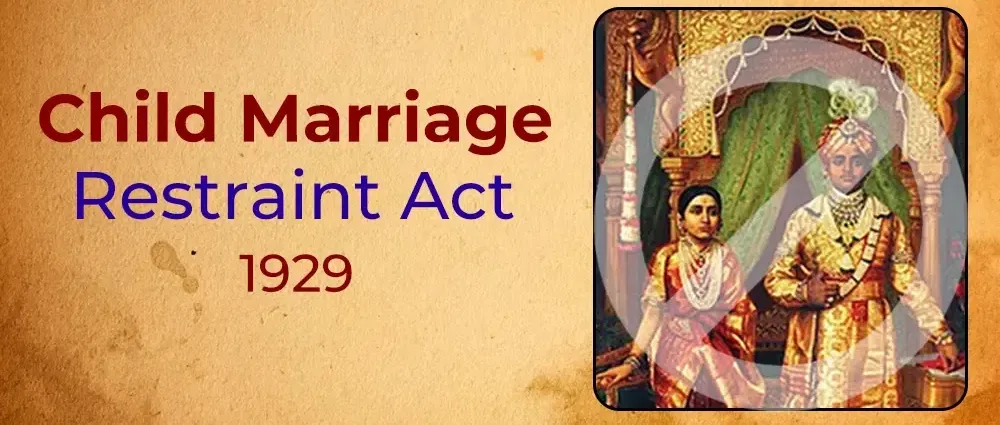
Under this law:
- Girls below 15 years could not legally marry.
- Boys below 18 years could not legally marry.
- The law applied across India except Jammu and Kashmir at that time.
Amendment in 1978
In 1978, the government increased the legal marriage age to:
- 18 years for women
- 21 years for men
These age limits continued for many years.
Prohibition of Child Marriage Act, 2006
The Prohibition of Child Marriage Act (PCMA), 2006 replaced the earlier law.
The Act focuses on:
- Preventing child marriages
- Punishing those involved
- Protecting children forced into marriage
- Giving minors the right to cancel such marriages under certain conditions
International Efforts Against Child Marriage
The United Nations adopted the Convention on Consent to Marriage, Minimum Age for Marriage and Registration for Marriages in 1964.
The Convention asks member countries to:
- Fix a minimum legal age for marriage.
- Ensure marriage happens only with the free consent of both individuals.
- Register marriages properly.
Many international organizations, including UNICEF, define anyone below 18 years as a child. Marriages involving children are considered child marriages.
Present Situation in India
Although India has made progress, early marriage still exists in many parts of the country.
According to reports:
- Around 35% of women are married before the age of 21 years.
- Rural areas continue to report more child marriages than urban areas.
- States like West Bengal, Bihar, Rajasthan, and Assam have higher rates of early marriages compared to several other states.
Many families still marry their daughters early because of:
- Poverty
- Lack of education
- Social traditions
- Gender discrimination
- Safety concerns
Health Impact of Early Marriage
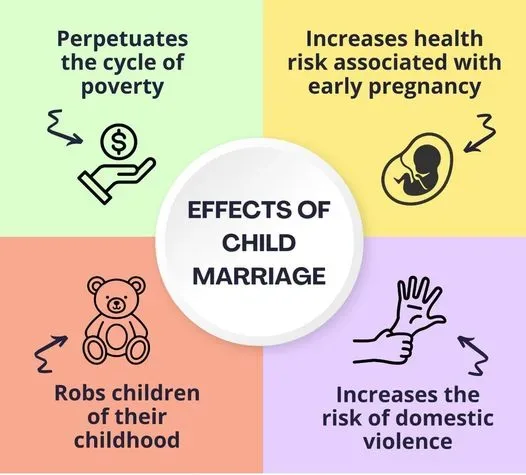
Early marriage often leads to early pregnancy, which increases health risks for both mother and baby.
Some major health concerns include:
- Higher maternal mortality
- Pregnancy complications
- Malnutrition
- Low birth weight babies
- Poor health of both mother and child
India has reduced its Maternal Mortality Ratio (MMR) over the years, but several states still report higher maternal deaths compared to the national average.
Delaying marriage can help women become physically and mentally healthier before starting a family.
Current Marriage Laws in India
Different personal laws govern marriage in India.
Hindu Marriage Act, 1955
For Hindus:
- Bride: 18 years
- Groom: 21 years
Child marriages are not automatically invalid, but they can be cancelled by the minor under certain legal conditions.
Special Marriage Act, 1954
This Act also fixes:
- Women: 18 years
- Men: 21 years
It applies to civil marriages irrespective of religion.
Muslim Personal Law
Under traditional Muslim personal law, marriage after attaining puberty has generally been recognized. However, various legal interpretations and court decisions may apply depending on individual cases and child protection laws.
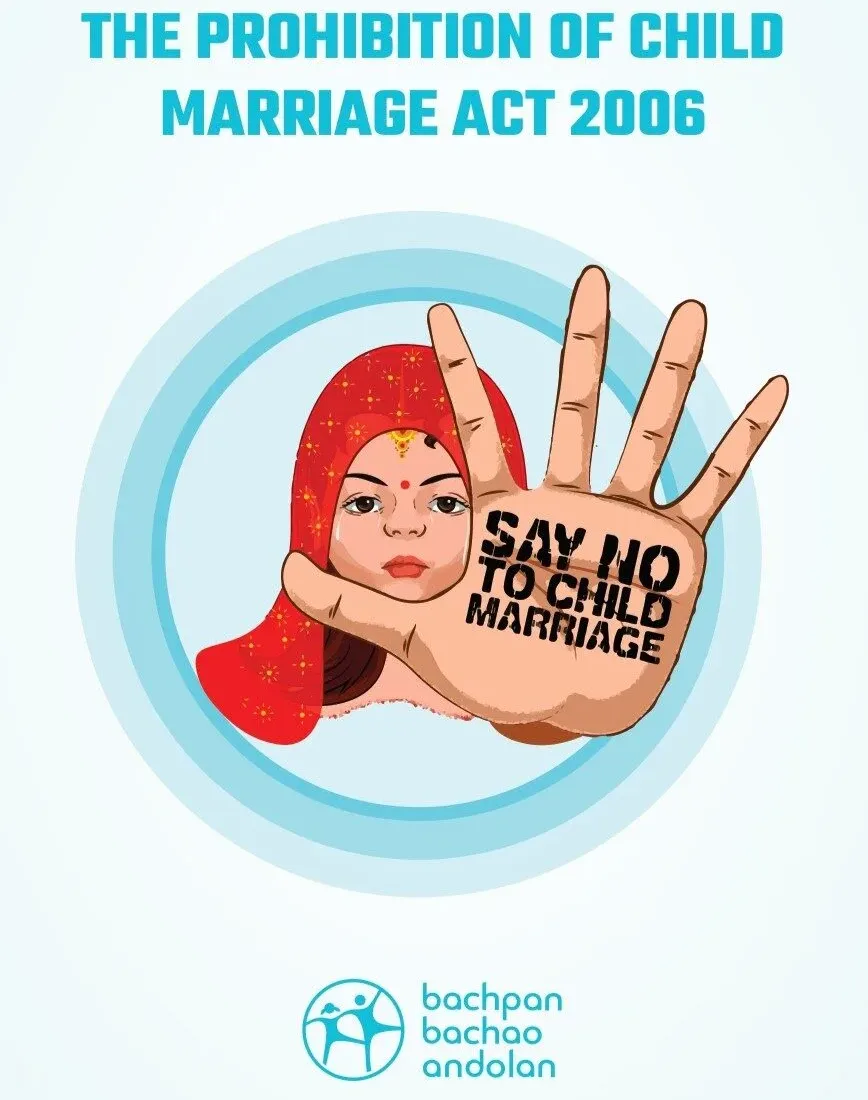
Prohibition of Child Marriage Act, 2006
The PCMA, 2006 is India’s main law to stop child marriage.
Main Features
- Prevents child marriages.
- Appoints Child Marriage Prohibition Officers.
- Protects children forced into marriage.
- Allows victims to seek legal help.
Punishment
A person involved in child marriage may face:
- Imprisonment up to 2 years
- Fine up to Rs. 1 lakh
- Or both
These offences are cognisable and non-bailable.
Who Can Be Punished?
The law can punish:
- Adults marrying children.
- Parents or guardians encouraging child marriage.
- Priests or persons conducting child marriages.
- Anyone helping or promoting such marriages.
Right to Cancel Marriage
A child who was married before the legal age can ask the court to cancel the marriage within the time allowed by law after becoming an adult.
Benefits of Increasing the Marriageable Age for Women
Many experts believe increasing the legal marriage age offers several advantages.
Better Health
Women who marry later usually experience:
- Safer pregnancies
- Lower maternal deaths
- Better child health
- Improved nutrition
Higher Education
Girls get more time to:
- Complete school
- Attend college
- Learn professional skills
- Build confidence
Education increases employment opportunities and improves quality of life.
Financial Independence
Women who complete higher education often secure better jobs and become financially independent.
Financial independence helps women:
- Make personal decisions
- Support their families
- Improve their standard of living
Higher Female Workforce Participation
Delayed marriage allows more women to:
- Complete graduation
- Join the workforce
- Start businesses
- Build successful careers
Greater participation of women strengthens the country’s economy.
Gender Equality
Making the legal marriage age equal for both men and women sends a message that both genders deserve equal opportunities before marriage.
Challenges of Increasing the Marriageable Age
Despite its benefits, several experts have raised concerns.
Law Alone Cannot Change Society
Simply increasing the legal age may not stop child marriage.
Without:
- Better education
- Awareness campaigns
- Economic development
- Women’s empowerment
many families may continue early marriages.
Personal Freedom
Some experts argue that adults should have greater freedom to make personal life decisions after reaching adulthood.
They worry that stricter laws may reduce young women’s ability to choose their own partners.
Misuse of the Law
There have been cases where parents used child marriage laws against daughters who married by choice.
Sometimes the law is used to:
- Stop inter-caste marriages
- Stop interfaith marriages
- Punish couples who marry without family approval
Social Acceptance
Even if a marriage violates the legal age, many communities continue to accept such marriages socially.
This makes enforcement difficult.
Possible Social Consequences
Some researchers have suggested that in regions with strong preference for sons and widespread poverty, increasing the legal marriage age without addressing deeper social issues could unintentionally increase discrimination against girls.
Why Education is More Important
Many experts believe education is the strongest tool against child marriage.

An educated girl is more likely to:
- Marry later
- Find employment
- Make informed decisions
- Raise healthier children
- Contribute to society
Government schemes promoting girls’ education, scholarships, and skill development can reduce child marriage more effectively over time.
Way Forward
Improving the Marriageable Age for Women requires more than changing the law. Real progress depends on changing social attitudes and creating equal opportunities for girls.
Some important steps include:
- Increasing awareness about the harmful effects of child marriage.
- Ensuring every girl completes secondary and higher education.
- Improving healthcare services for women.
- Creating employment opportunities for young women.
- Strictly enforcing child marriage laws.
- Supporting families through education and financial assistance.
- Reviewing legal provisions to ensure young women have enough time and support to seek cancellation of child marriages where necessary.
A balanced approach that combines strong laws with education, awareness, healthcare, and economic opportunities can help India reduce child marriage and ensure a safer and more equal future for women.
Frequently Asked Questions (FAQs)
1. What is the current marriageable age for women in India?
The current legal marriage age for women is 18 years, while it is 21 years for men under most Indian marriage laws.
2. Why is increasing the marriageable age important?
It can improve women’s health, education, career opportunities, financial independence, and gender equality.
3. Which law prevents child marriage in India?
The Prohibition of Child Marriage Act, 2006 (PCMA) is the main law that prevents child marriages.
4. What is child marriage?
Child marriage is a marriage where either the bride or groom is below the legally permitted age for marriage.
5. Can child marriage lead to health problems?
Yes. Early marriage often results in early pregnancy, increasing the risk of maternal deaths, poor nutrition, and health complications for both mother and child.
6. Is changing the legal age enough to stop child marriage?
No. Along with stronger laws, education, awareness, economic development, and women’s empowerment are equally important.