National Family Health Survey-5: Complete Guide, Key Findings and Importance

National Family Health Survey-5 (NFHS-5) is one of the most important health surveys conducted in India. It provides detailed information about the health, nutrition, fertility, maternal care, child health, family planning, and living conditions of people across the country. The survey helps the Government of India understand the health status of the population and prepare better policies and welfare programmes.
Thank you for reading this post, don't forget to subscribe!The survey is carried out on a large scale and covers both rural and urban households. It also helps India measure its progress toward achieving the Sustainable Development Goals (SDGs) by 2030.
What is National Family Health Survey-5?
The National Family Health Survey-5 (NFHS-5) is the fifth round of India’s nationwide family health survey. It was conducted during 2019-2020 and covered around 6.1 lakh households across the country.
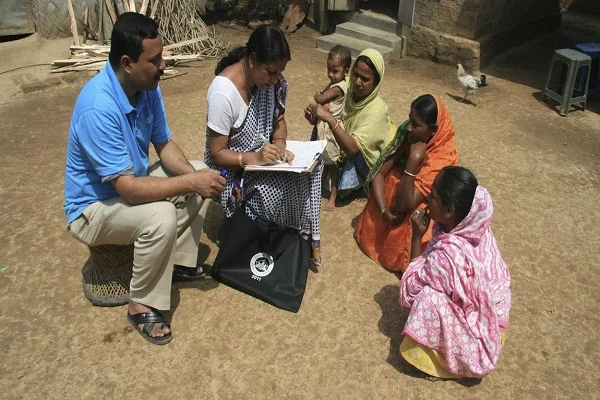
The survey is organized by the Ministry of Health and Family Welfare (MoHFW). The International Institute for Population Sciences (IIPS), Mumbai acts as the nodal agency and provides technical guidance. Several field organizations work together to collect information from households in different states and union territories.
The main purpose of NFHS-5 is to collect reliable data that can help governments improve healthcare services and make better policies.
Objectives of National Family Health Survey-5
The survey has two major objectives:
- Provide reliable health and family welfare data for government planning.
- Identify new health challenges and support the development of effective policies.
The information collected helps both the central and state governments monitor public health programmes.
Information Collected in NFHS-5
NFHS-5 collects information on many important health and social indicators, including:
- Fertility rate
- Family planning practices
- Maternal health
- Child health
- Infant and child mortality
- Nutrition levels
- Anaemia
- Reproductive health
- Quality of healthcare services
- Immunization coverage
- Sanitation and drinking water
- Women’s empowerment
- Domestic violence
- Non-communicable diseases
- Internet usage
- Disability
- Preschool education
- Menstrual hygiene
- Access to toilets
- Death registration
- Abortion-related information
History of the National Family Health Survey
The National Family Health Survey has been conducted in different phases.
| Survey | Year | Major Highlights |
|---|---|---|
| NFHS-1 | 1992-93 | First nationwide family health survey. |
| NFHS-2 | 1998-99 | Covered all 26 states and expanded health indicators. |
| NFHS-3 | 2005-06 | Included HIV awareness, nutrition, domestic violence, and reproductive health. |
| NFHS-4 | 2015-16 | Covered all states and union territories and provided district-level data. |
| NFHS-5 | 2019-20 | Added new health topics and expanded the scope of earlier surveys. |
Funding of NFHS
Different organizations have supported the survey over the years. These include:
- Ministry of Health and Family Welfare (Government of India)
- USAID
- UNICEF
- UNFPA
- Bill & Melinda Gates Foundation
These organizations have helped improve data collection and technical support.
New Features of National Family Health Survey-5
Compared to earlier surveys, NFHS-5 introduced several new areas of study.
Some of the important additions include:
- Preschool education
- Menstrual hygiene practices
- Internet usage among men and women
- Disability-related information
- Toilet access
- Death registration
- Expanded immunization coverage
- Micronutrient intake among children
- Tobacco and alcohol consumption
- Additional information on diabetes and hypertension among people aged 15 years and above
These additions provide a more complete picture of India’s health and social conditions.
Importance of NFHS-5
The survey is useful for many reasons.
- Helps governments make better health policies.
- Measures progress toward Sustainable Development Goals.
- Identifies weak areas requiring immediate attention.
- Supports healthcare planning at district, state, and national levels.
- Helps researchers and policymakers study health trends.
- Monitors the effectiveness of government welfare programmes.
Key Findings of National Family Health Survey-5
NFHS-5 reported several important findings about India’s health.
1. Sex Ratio at Birth
The sex ratio at birth remained stable or improved in many states.
- Most states recorded a sex ratio of 952 or more girls per 1,000 boys.
- Some states and union territories still reported a sex ratio below 900, showing the need for continued awareness against gender discrimination.
2. Child Marriage
The survey found an increase in child marriages in a few states, including:
This shows that child marriage continues to remain a social challenge in some regions.
3. Teenage Pregnancy
Teenage pregnancy increased in states such as:
More education and awareness are needed to address this issue.
4. Child Nutrition
Nutrition indicators showed mixed results.
Some states improved, while others recorded higher levels of malnutrition.
Important concerns included:
- Increase in stunting
- Increase in wasting
- Rise in overweight children
- Slight increase in diarrhoea among children
These findings highlight the importance of improving child nutrition programmes.
5. Infant and Child Mortality
Most states showed improvement in reducing:
- Neonatal Mortality Rate (NMR)
- Infant Mortality Rate (IMR)
- Under-Five Mortality Rate (U5MR)
States like Sikkim, Goa, Jammu and Kashmir, and Assam showed significant improvement.
However, Bihar continued to report the highest child mortality rates among the surveyed states.
6. Domestic Violence
NFHS-5 reported an increase in spousal violence in several states, including:
This indicates the need for stronger awareness campaigns and support systems for women.
Comparison Between NFHS-4 and NFHS-5
Several indicators improved between NFHS-4 and NFHS-5.
| Indicator | NFHS-5 Trend |
|---|---|
| Total Fertility Rate | Declined in most states |
| Family Planning | Better use of modern contraceptive methods |
| Full Immunization | Increased across most states |
| Institutional Deliveries | Significant improvement |
| Women with Bank Accounts | Large increase |
| Improved Sanitation | Better access in most households |
| Clean Cooking Fuel | Increased usage |
| Family Planning Needs | Unmet needs reduced |
Total Fertility Rate
India’s fertility rate continued to decline.
Most states reached the replacement fertility level of 2.1 children per woman, while only a few states remained above this level.
A lower fertility rate generally indicates better access to healthcare, education, and family planning.
Family Planning
The survey found improvements in family planning services.
- More couples are using modern contraceptive methods.
- The unmet need for family planning has reduced in most states.
This reflects better awareness and availability of healthcare services.
Immunization
Child vaccination improved significantly.
More than two-thirds of children aged 12–23 months received full immunization in most states.
This helps protect children from many life-threatening diseases.
Institutional Deliveries
More women are now giving birth in hospitals and healthcare centres instead of at home.
Institutional deliveries help reduce maternal and infant deaths by ensuring skilled medical care during childbirth.
Sanitation and Clean Fuel
Many households now have:
- Better toilet facilities
- Access to clean cooking fuel
These improvements reduce diseases caused by poor sanitation and indoor air pollution.
Anaemia
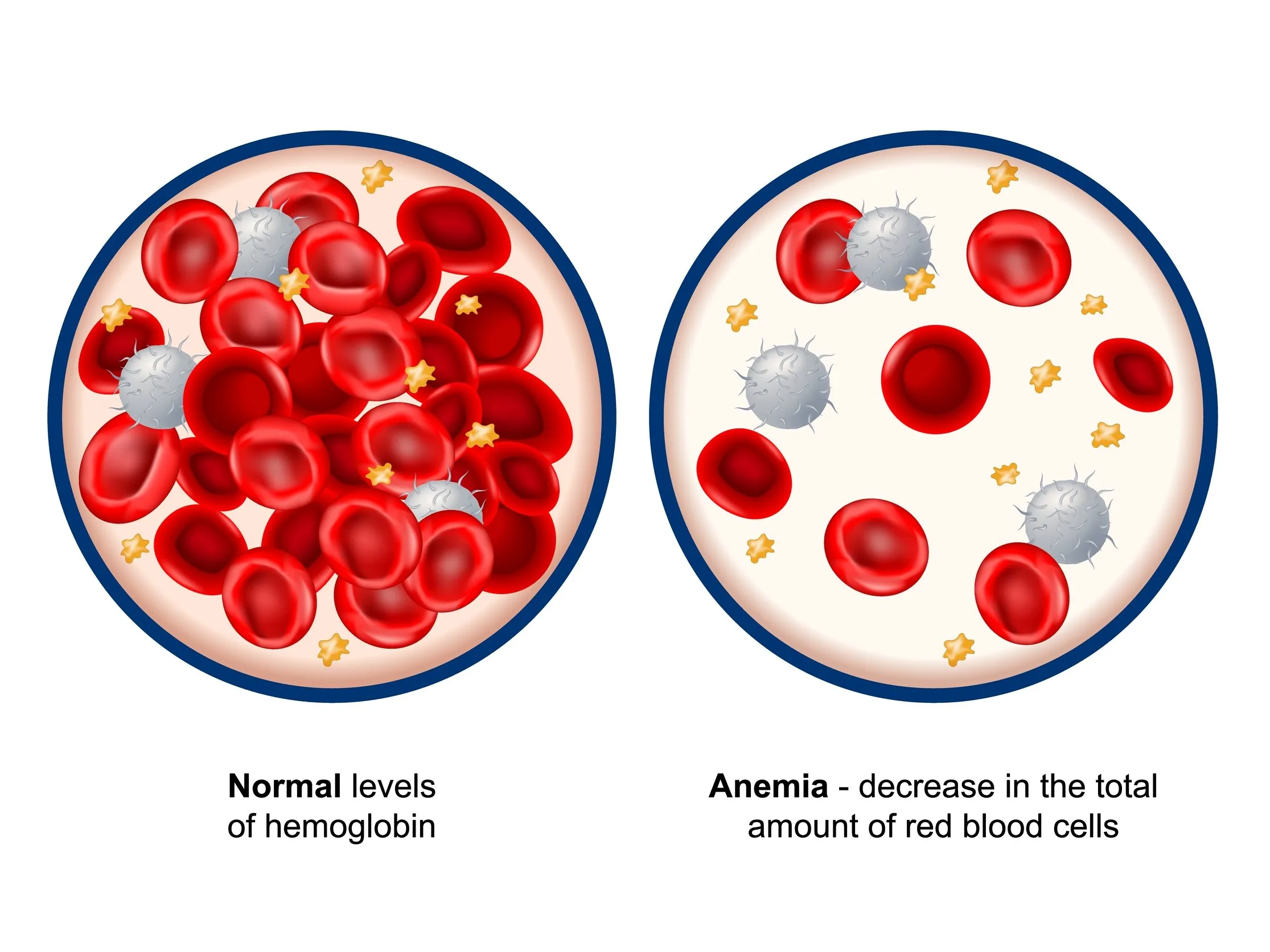
Anaemia remains one of India’s biggest health challenges.
NFHS-5 found that:
- More than half of women and children were anaemic in many states.
- Anaemia among pregnant women remained high despite increased consumption of iron and folic acid tablets.
This shows that nutrition programmes still need further improvement.
Important Health Terms
Neonatal Mortality Rate (NMR)
It is the number of babies who die within the first 28 days of birth per 1,000 live births.
Infant Mortality Rate (IMR)
It is the number of children who die before reaching one year of age per 1,000 live births.
Under-Five Mortality Rate (U5MR)
It measures the number of children who die before the age of five years per 1,000 live births.
Total Fertility Rate (TFR)
The average number of children a woman is expected to have during her reproductive years.
Contraceptive Prevalence Rate (CPR)
The percentage of women or couples using any method of contraception.
Sex Ratio at Birth (SRB)
The number of female births for every 1,000 male births.
Stunting
Stunting means poor height growth caused by long-term undernutrition.
Wasting
Wasting refers to low weight compared to height and usually results from recent severe weight loss or poor nutrition.
Why National Family Health Survey-5 is Important
National Family Health Survey-5 provides valuable information that helps improve India’s healthcare system. The survey shows where progress has been made and where more attention is needed. It highlights improvements in immunization, institutional deliveries, sanitation, and family planning, while also pointing out challenges such as anaemia, child malnutrition, child marriage, and domestic violence.
The findings of NFHS-5 help governments, researchers, and healthcare professionals design better programmes for women, children, and families. As India works toward achieving the Sustainable Development Goals by 2030, NFHS-5 remains one of the country’s most trusted sources of health and social data.
Frequently Asked Questions (FAQs)
1. What is National Family Health Survey-5?
National Family Health Survey-5 is India’s fifth nationwide health survey that collects information on health, nutrition, family planning, maternal care, child health, and social indicators.
2. Who conducts NFHS-5?
The survey is conducted by the Ministry of Health and Family Welfare with technical support from the International Institute for Population Sciences (IIPS), Mumbai.
3. When was NFHS-5 conducted?
NFHS-5 was conducted during 2019–2020, with some data collection extending due to the COVID-19 pandemic.
4. Why is NFHS-5 important?
It helps the government create better health policies, improve welfare programmes, and monitor progress toward Sustainable Development Goals.
5. What are the major topics covered in NFHS-5?
The survey covers fertility, nutrition, maternal health, child health, immunization, family planning, anaemia, sanitation, domestic violence, internet usage, and non-communicable diseases.
6. What is the Total Fertility Rate (TFR)?
TFR is the average number of children a woman is expected to have during her reproductive years.
7. What is Infant Mortality Rate (IMR)?
IMR is the number of infants who die before completing one year of age per 1,000 live births.
8. How does NFHS-5 help India?
It provides accurate health data that supports evidence-based policymaking and improves healthcare services across the country.