

Preservation of Cultural Heritage: Understanding Its Importance, Challenges, and Solutions

Preservation of Cultural Heritage is one of the most important responsibilities of any nation. Cultural heritage connects people to their past, shows their identity, and guides future generations. In a country like India, which has a long and rich history, protecting heritage is even more important.
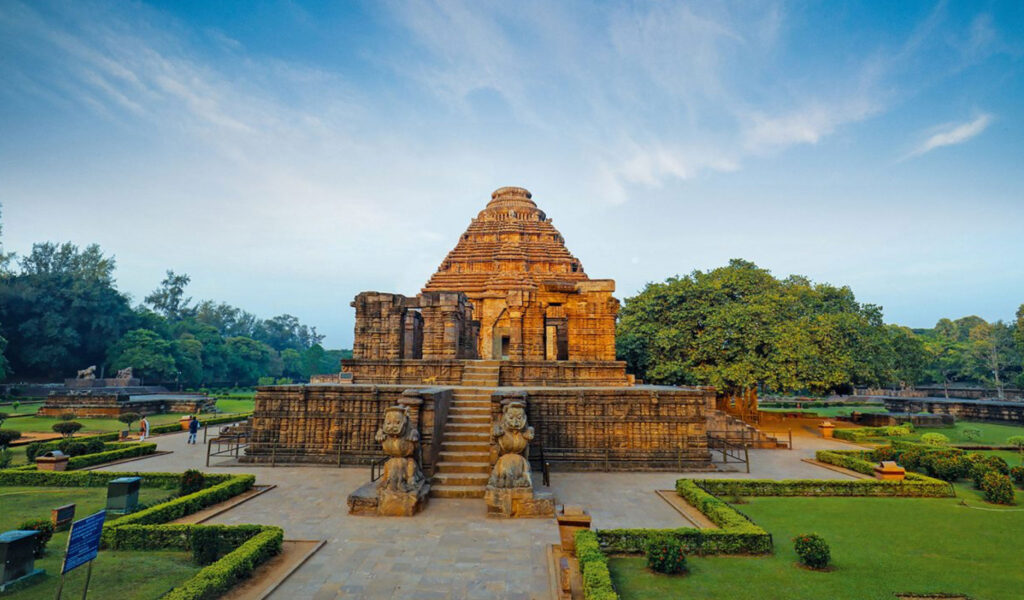
Thank you for reading this post, don't forget to subscribe!Recently, the famous Konark Sun Temple became a topic of discussion due to concerns about restoration work. Some reports claimed that original stone carvings were being replaced with plain stones, which could damage the temple’s uniqueness. Although the Archaeological Survey of India denied these claims, the issue once again highlighted the need for proper heritage conservation.
What is Cultural Heritage?
Cultural heritage refers to everything that represents the history, traditions, and values of a society. It is usually divided into two main types:
1. Tangible Cultural Heritage
This includes physical objects that we can see and touch.
- Immovable Heritage:
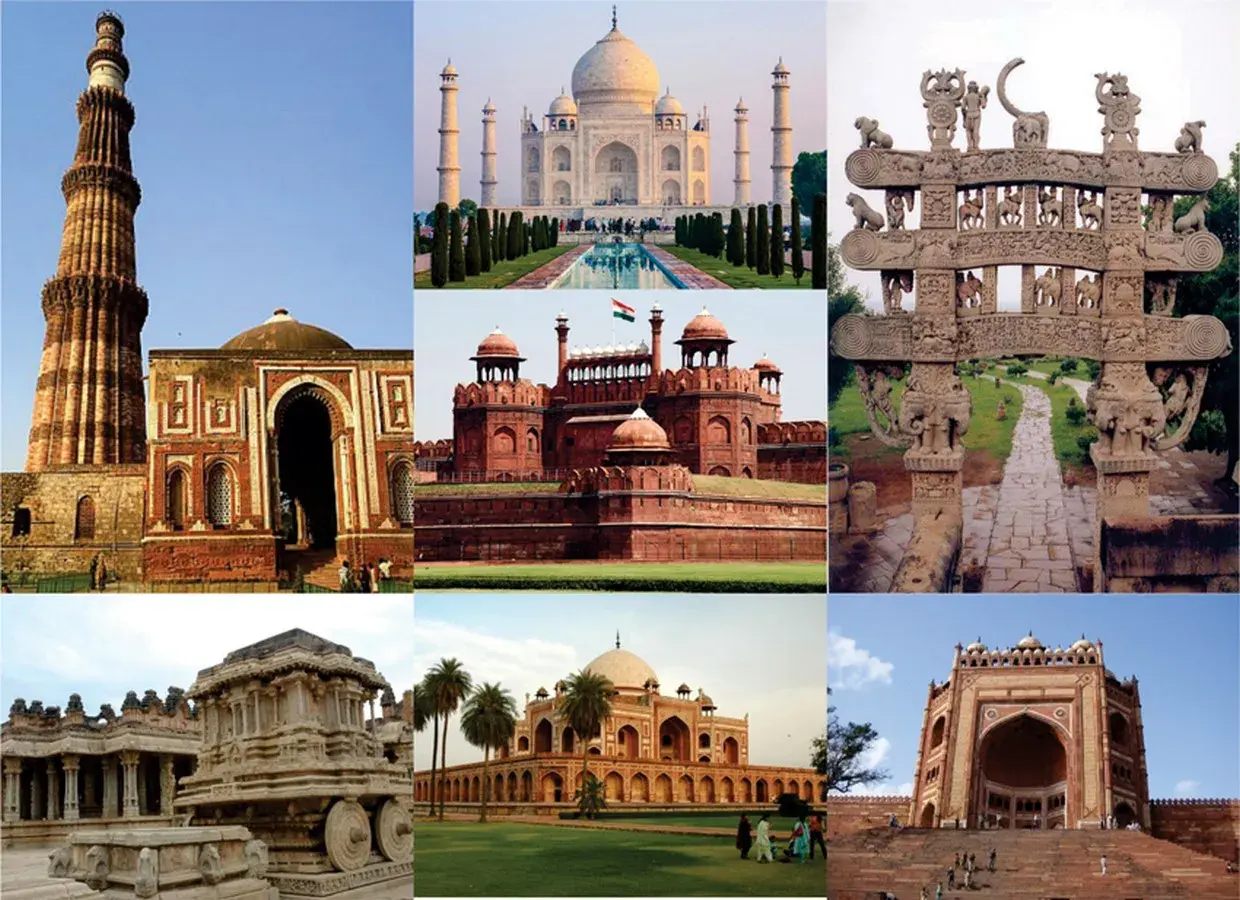
These are structures like temples, monuments, forts, and historical places. They cannot be moved and are fixed in one place. Examples include the Taj Mahal and ancient temples. - Movable Heritage:
These include items like books, paintings, sculptures, and documents. They can be moved from one place to another and are often kept in museums.
2. Intangible Cultural Heritage
This includes traditions, customs, music, dance, language, and festivals that are passed from generation to generation.
Measures Taken for Preservation of Cultural Heritage
International Initiatives
- UNESCO World Heritage Sites
UNESCO identifies and protects important cultural and natural sites worldwide. India has more than 40 such sites listed. - Global Conventions
India is part of several international agreements to protect heritage, such as:- Convention to prevent illegal trade of cultural property
- Convention for safeguarding intangible heritage
- Convention promoting cultural diversity
- World Heritage Committee
This international body monitors and supports heritage protection globally.
Measures in India
Constitutional Provisions
- Article 29
It gives every group the right to protect its language, script, and culture. - Article 51A
It makes it a duty of every citizen to preserve the country’s heritage. - Article 49
It directs the government to protect important monuments from damage or destruction.
Legal Framework
- Ancient Monuments and Archaeological Sites and Remains Act 1958
This law provides protection to ancient monuments and archaeological sites in India.
Institutions Responsible
- Archaeological Survey of India (ASI)
It is the main organization responsible for protecting monuments and conducting archaeological research. It manages more than 3,600 heritage sites. - National Monuments Authority (NMA)
It regulates construction activities around protected monuments and ensures their safety.
Importance of Preserving Cultural Heritage
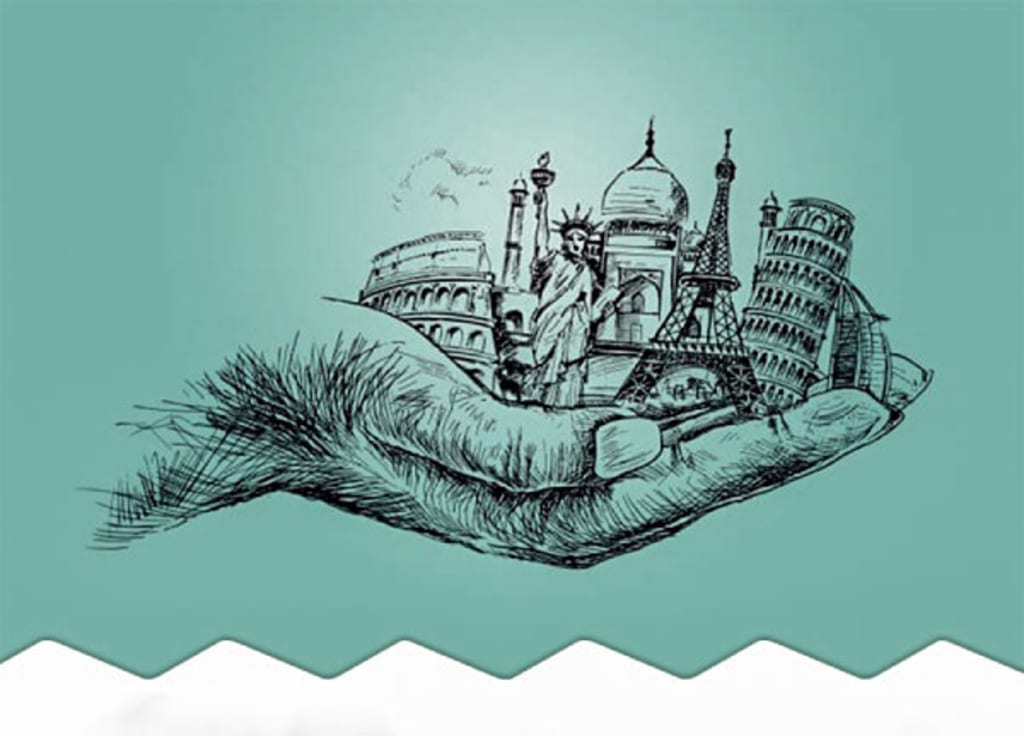
Economic Importance
Cultural heritage plays a big role in boosting tourism. Famous places like the Taj Mahal attract millions of tourists every year.
- Tourism creates jobs and supports local businesses.
- Handicrafts and traditional arts get more demand.
- It helps in earning foreign exchange for the country.
Historical and Social Importance
Cultural heritage helps us understand our past and learn from it.
- It preserves the history of civilizations and traditions.
- It increases knowledge and awareness among people.
- It encourages creativity and cultural pride.
Challenges in Preserving Cultural Heritage in India
1. Lack of Skilled Manpower
There are not enough trained experts in heritage conservation.
- Modern engineers often lack knowledge of traditional building methods.
- Research in structural safety is limited.
- Training facilities are also insufficient.
2. Infrastructure Problems
There is a gap between traditional knowledge and modern technology.
- Old construction techniques are not properly understood.
- Lack of modern tools for conservation work.
- Poor coordination between engineers and historians.
3. Weak Institutional Systems
India lacks a strong system for scientific analysis of heritage structures.
- Limited use of technology like GIS and remote sensing.
- No proper system to assess damage before repairs.
- Conservation is often done without proper planning.
4. Lack of Public Awareness
Many people do not understand the value of heritage.
- Visitors often damage monuments by writing on walls.
- Poor civic sense leads to destruction of sites.
- Awareness campaigns are limited.
5. Environmental Pollution
Pollution is a major threat to heritage monuments.
- Air pollution damages structures like the Taj Mahal.
- Chemicals in the air cause discoloration and decay.
- Industrial activities nearby increase damage.
6. Financial Constraints
Preserving heritage requires a lot of money.
- Government funding is often insufficient.
- Private sector involvement is limited.
- Maintenance work is expensive and continuous.
7. Lack of Coordination
There is poor coordination between central and state governments.
- Different agencies work separately.
- Lack of a unified approach slows progress.
- Even organizations like INTACH face coordination issues.
8. Outdated Technology
Many conservation methods are outdated.
- Modern tools like GIS are rarely used.
- Excavation methods are old and inefficient.
- Local bodies lack technical knowledge.
What More Can Be Done?
1. Strict Implementation of Guidelines
Authorities must follow UNESCO guidelines properly.
- Ensure proper conservation methods.
- Protect endangered sites.
- Provide international support when needed.
2. Education and Awareness
Education plays a key role in heritage preservation.
- Include heritage studies in school curriculum.
- Promote awareness campaigns.
- Encourage youth participation.
3. Scientific and Value-Based Approach
Conservation should be done using modern science.
- Use advanced tools and technologies.
- Conduct proper research before restoration.
- Involve experts from different fields.
4. Better Planning of Heritage Cities
Urban planning should include heritage protection.
- Conduct Heritage Impact Assessments.
- Protect historic areas during development.
- Maintain traditional city designs.
5. Promote Heritage Tourism
Tourism can help in preservation.
- Generate funds for conservation.
- Create job opportunities.
- Encourage local community involvement.
6. Public Participation
People should be actively involved in preservation.
- Encourage community responsibility.
- Promote cleanliness around heritage sites.
- Develop a sense of ownership.
Conclusion
Preservation of Cultural Heritage is not just the duty of the government but also of every citizen. Heritage reflects our identity, history, and culture. Protecting it ensures that future generations can learn from the past and stay connected to their roots. With proper planning, awareness, and modern techniques, India can successfully preserve its rich cultural heritage for years to come.
FAQs on Preservation of Cultural Heritage
Q1. What is meant by preservation of cultural heritage?
Preservation of cultural heritage means protecting and maintaining monuments, traditions, art, and history so that future generations can learn from them. It includes both physical structures and cultural practices.
Q2. Why is cultural heritage important in India?
Cultural heritage is important in India because it shows the country’s rich history, traditions, and diversity. It also helps in tourism, education, and building national identity.
Q3. What are examples of cultural heritage?
Examples include monuments like the Taj Mahal, temples like the Konark Sun Temple, traditional dances, music, festivals, and languages.
Q4. Which organization protects heritage sites in India?
The Archaeological Survey of India (ASI) is the main organization responsible for protecting and maintaining heritage sites in India.
Q5. What are the main challenges in preserving cultural heritage?
Major challenges include lack of funding, pollution, lack of awareness, poor infrastructure, and shortage of skilled experts in conservation.
Q6. How does tourism help in heritage preservation?
Tourism brings money, creates jobs, and increases awareness about heritage sites. This helps in maintaining and protecting monuments.
Q7. What role does UNESCO play in heritage preservation?
UNESCO identifies important heritage sites and provides global support to protect them through its World Heritage program.