Section 377 Judgement: A Landmark Step for LGBTQ Rights in India

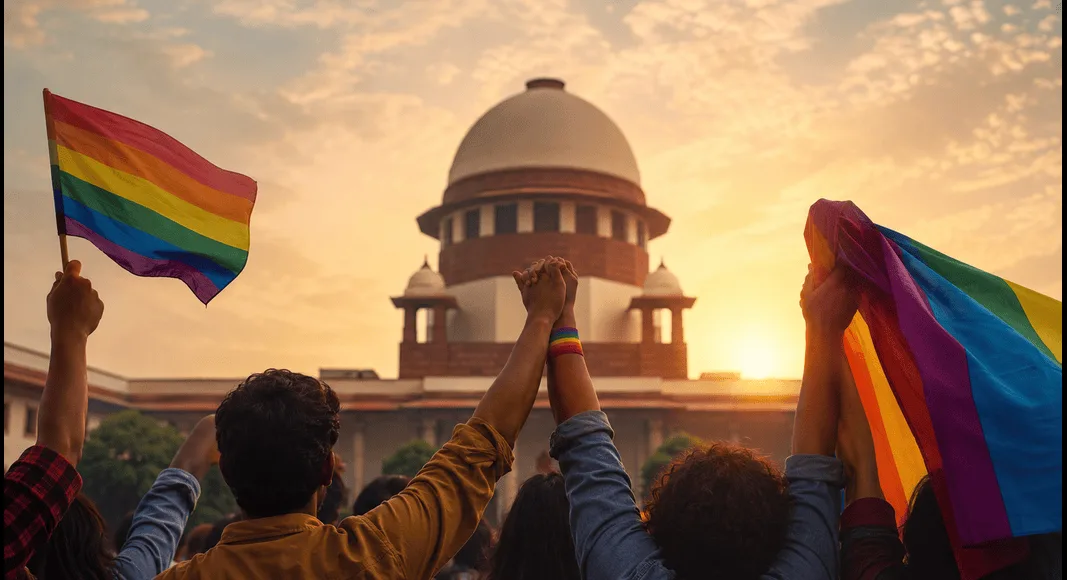
Section 377 Judgement is one of the most important decisions in the history of the Indian judiciary. The judgement changed the lives of millions of people belonging to the LGBTQ community by giving them dignity, equality, and freedom under the Constitution of India. In September 2018, the Supreme Court of India decriminalised consensual homosexual relationships between adults by partially striking down Section 377 of the Indian Penal Code (IPC).
Thank you for reading this post, don't forget to subscribe!Before this judgement, many LGBTQ people faced discrimination, fear, police harassment, social rejection, and mental stress because their identity and relationships were treated as criminal acts under the law. The judgement was not just about changing a law; it was about protecting human rights and ensuring equality for every citizen.
The Supreme Court declared that every individual has the right to live with dignity, privacy, and freedom, regardless of their sexual orientation. The decision became a major step toward social justice, inclusion, and human rights in India.
This article explains the meaning of Section 377, the history behind it, the important court cases related to it, the issues with criminalising homosexuality, the impact of the judgement, and the future steps needed to ensure equality for LGBTQ persons in India.
What is Section 377?
Section 377 was a law under the Indian Penal Code, 1860. It was introduced during British rule in India. The law stated that “carnal intercourse against the order of nature” with any man, woman, or animal was a criminal offence.
The punishment under this law included imprisonment for life or imprisonment for up to ten years along with a fine.
Although the law used unclear words like “against the order of nature,” it was mainly used to criminalise consensual same-sex relationships between adults. This meant that gay and lesbian relationships were treated as illegal under Indian law for many years.
The law remained in force even after India became independent. For decades, LGBTQ people suffered because of this colonial-era law.
However, after the 2018 Supreme Court judgement, consensual sexual relationships between adults of the same sex were decriminalised. Section 377 still applies in cases involving:
- Non-consensual sexual acts
- Sexual acts involving minors
- Bestiality
Thus, the judgement removed only the part that criminalised consensual homosexual relationships between adults.
Meaning of LGBTQ Community
The term LGBTQ stands for:
- L – Lesbian
- G – Gay
- B – Bisexual
- T – Transgender
- Q – Queer or Questioning
These terms represent people with different sexual orientations and gender identities.
- A gay person is attracted to people of the same gender.
- A lesbian woman is attracted to other women.
- A bisexual person is attracted to both men and women.
- A transgender person identifies with a gender different from the one assigned at birth.
The LGBTQ community has often faced discrimination and social exclusion in many societies, including India.
Why Was Section 377 Considered Problematic?
Section 377 created several social, legal, and psychological problems for LGBTQ people.
Violation of Fundamental Rights
The Constitution of India guarantees certain Fundamental Rights to every citizen. Critics argued that Section 377 violated these rights.
Article 14 – Right to Equality
Article 14 guarantees equality before the law. LGBTQ persons were denied equal treatment because their relationships were criminalised.
Article 15 – Protection Against Discrimination
Article 15 prohibits discrimination on the basis of religion, race, caste, sex, or place of birth. The Supreme Court interpreted “sex” to include sexual orientation.
Article 19 – Freedom of Expression
People have the right to express their identity and personality freely. LGBTQ individuals were unable to openly express themselves because of fear and stigma.
Article 21 – Right to Life and Personal Liberty
Article 21 includes the right to dignity, privacy, and personal choice. Criminalising homosexuality violated the privacy and dignity of individuals.
Health and Mental Issues
Criminalisation created fear among LGBTQ people and affected their mental health.
Many individuals suffered from:
- Depression
- Anxiety
- Social isolation
- Fear of violence
- Low self-confidence
Some people avoided hospitals or health services because they feared discrimination. This created barriers to HIV prevention and healthcare services.
The World Health Organization and modern psychiatric studies clearly state that homosexuality is not a mental illness. The Supreme Court also accepted this scientific understanding in its judgement.
Law and Morality Debate
One of the biggest debates around Section 377 was whether morality should decide the law.
People against homosexuality argued that same-sex relationships were against social or religious values.
However, supporters of LGBTQ rights argued that personal morality and religious beliefs should not decide whether a citizen receives constitutional protection.
The Supreme Court supported the idea of constitutional morality. This means the Constitution is above social prejudice and majoritarian beliefs.
The Court stated that every individual deserves dignity and equality, even if society does not fully accept them.
Important Judgements Related to Section 377
Several important court cases shaped the legal journey toward decriminalising homosexuality in India.
Naz Foundation vs Government of NCT of Delhi (2009)
This was the first major case challenging Section 377.
The Delhi High Court ruled that criminalising consensual homosexual acts between adults violated Articles 14, 15, and 21 of the Constitution.
The Court stated that Section 377 unfairly targeted the LGBTQ community and violated their privacy and dignity.
This judgement was celebrated as a major victory for human rights.
Suresh Kumar Koushal vs Naz Foundation (2013)
In 2013, the Supreme Court reversed the Delhi High Court judgement.
The Court stated that the LGBTQ community formed only a “minuscule minority” and that Parliament should decide whether to change the law.
As a result, homosexuality became criminalised once again.
This judgement received strong criticism from activists, legal experts, and human rights organisations.
Justice K.S. Puttaswamy vs Union of India (2017)
This was a landmark privacy judgement.
The Supreme Court declared that the Right to Privacy is a Fundamental Right under Article 21.
The Court also recognised bodily autonomy and sexual orientation as part of personal privacy.
This judgement became an important foundation for the later Section 377 verdict.
Navtej Singh Johar vs Union of India (2018)
This is the historic case that decriminalised homosexuality in India.
A five-judge Constitution Bench of the Supreme Court unanimously struck down the parts of Section 377 that criminalised consensual same-sex relationships between adults.
The Court declared that sexual orientation is natural and that LGBTQ persons have equal rights under the Constitution.
The judges stressed the importance of dignity, privacy, equality, and freedom.
The judgement became a turning point in India’s human rights history.
National Legal Services Authority (NALSA) vs Union of India (2014)
This judgement focused on transgender rights.
The Supreme Court recognised transgender persons as the “third gender.”
The Court directed the government to provide reservations and welfare measures for transgender persons in education and employment.
This judgement was another important step toward social justice and inclusion.
Key Observations Made by the Supreme Court
The Supreme Court made several important observations in the Section 377 judgement.
Homosexuality is Natural
The Court rejected the idea that homosexuality is “unnatural.” It observed that same-sex attraction exists naturally among humans and even in other species.
LGBTQ Persons Have Equal Rights
The Court said LGBTQ persons are entitled to all Fundamental Rights guaranteed by the Constitution.
Constitutional Morality is Important
The judgement stated that constitutional values are more important than public opinion or social prejudice.
Right to Privacy Includes Sexual Orientation
The Court confirmed that personal relationships and sexual orientation are private matters protected by the Constitution.
Mental Health and Human Dignity
The judges recognised the emotional suffering faced by LGBTQ persons because of discrimination and criminalisation.
Yogyakarta Principles
The Supreme Court referred to the Yogyakarta Principles during the judgement.
These principles were created in 2006 in Yogyakarta, Indonesia, by international human rights experts.
The principles explain that sexual orientation and gender identity are part of basic human rights.
They support:
- Equality
- Freedom from discrimination
- Right to privacy
- Right to dignity
- Freedom of expression
The Court stated that these principles should guide Indian laws related to LGBTQ rights.
Rights of Transgender Persons in India
India has taken several steps to improve the rights of transgender persons.
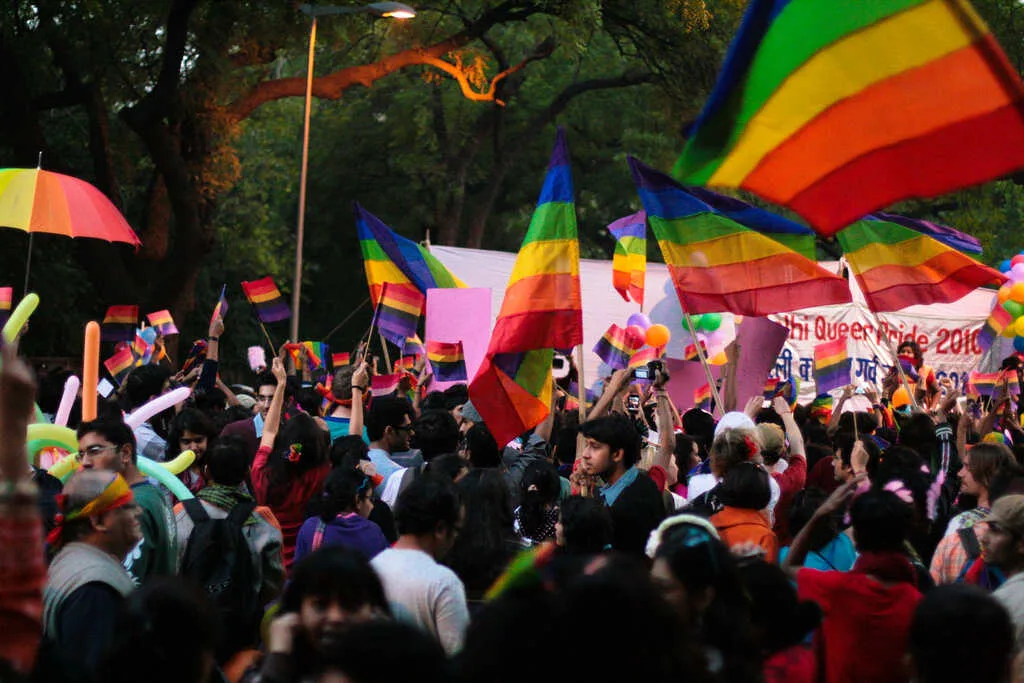
Transgender Persons (Protection of Rights) Act, 2019
This law aims to protect transgender persons from discrimination.
The Act defines transgender persons and prohibits discrimination in:
- Education
- Employment
- Healthcare
- Housing
- Public services
The law also supports welfare measures for transgender persons.
Transgender Persons Rules, 2020
The government introduced rules for implementing the 2019 Act.
These rules explain the process for obtaining identity certificates and accessing welfare benefits.
National Portal for Transgender Persons
The government launched an online portal to help transgender persons apply for certificates and welfare schemes more easily.
Garima Greh Scheme
The Ministry of Social Justice and Empowerment established shelter homes called “Garima Greh.”
These homes provide:
- Safe shelter
- Food
- Healthcare
- Skill development
- Counselling
for transgender persons in need.
Global Efforts for LGBTQ Rights
Many countries and international organisations support LGBTQ rights.
International Labour Organization (ILO)
The ILO released recommendations for ensuring equal opportunities and fair treatment for LGBTQ persons at workplaces.
These recommendations promote:
- Non-discrimination
- Equal employment opportunities
- Workplace safety
- Respect and inclusion
Many countries around the world have also legalised same-sex marriage and introduced anti-discrimination laws.
Impact of the Section 377 Judgement
The Section 377 judgement had a major social and legal impact in India.
Greater Freedom and Acceptance
LGBTQ persons gained the freedom to express their identity openly without fear of criminal punishment.
Many people felt safer discussing their sexual orientation publicly.
Reduction in Police Harassment
Earlier, Section 377 was sometimes misused for harassment and blackmail.
After the judgement, consensual same-sex relationships between adults were no longer criminal offences.
Improved Mental Health
The judgement gave emotional relief and increased self-confidence among many LGBTQ individuals.
It helped people feel accepted and respected.
Better Access to Healthcare
Decriminalisation improved access to health services because people became less afraid of discrimination.
This also supported HIV awareness and prevention efforts.
Beginning of New Legal Demands
After the judgement, LGBTQ activists started demanding further rights, including:
- Same-sex marriage
- Civil partnerships
- Adoption rights
- Inheritance rights
- Equal employment opportunities
- Protection from discrimination
The judgement opened the door for future reforms.
Challenges Still Faced by LGBTQ Community
Even after decriminalisation, LGBTQ persons continue to face many problems.
Social Discrimination
Many families and communities still do not accept LGBTQ individuals.
People may face:
- Bullying
- Social isolation
- Family rejection
- Workplace discrimination
Lack of Legal Protection
India still lacks a strong anti-discrimination law specifically protecting LGBTQ persons.
Without legal safeguards, discrimination continues in many areas.
Employment Issues
Many LGBTQ persons struggle to find jobs or face unfair treatment at workplaces.
Some employers still have prejudiced attitudes.
Mental Health Problems
Social rejection and discrimination continue to affect mental health.
Many people hesitate to seek counselling due to stigma.
Violence and Harassment
Some LGBTQ individuals continue to face violence, abuse, and harassment in society.
Transgender persons are especially vulnerable.
Importance of Constitutional Morality
The Section 377 judgement highlighted the idea of constitutional morality.
Constitutional morality means respecting the values of the Constitution such as:
- Equality
- Liberty
- Dignity
- Justice
- Freedom
The Supreme Court stated that laws should protect citizens’ rights even if society holds different opinions.
This principle is important in a democracy because Fundamental Rights belong to every individual.
Role of Society in Ensuring Equality
Changing laws alone is not enough. Society must also become more accepting and inclusive.
Importance of Awareness
Schools, colleges, and media should spread awareness about LGBTQ issues.
Education can reduce myths and prejudice.
Family Support
Family acceptance is extremely important for emotional well-being.
Supportive families can help LGBTQ individuals live with confidence and dignity.
Role of Media
Movies, television, and social media influence public opinion.
Responsible representation of LGBTQ characters can promote understanding and acceptance.
Workplace Inclusion
Companies and organisations should adopt inclusive policies and prevent discrimination.
Equal opportunities should be provided to everyone.
Way Forward
India has made significant progress through the Section 377 judgement, but more work is still needed.
Need for Anti-Discrimination Laws
Strong anti-discrimination laws are necessary to protect LGBTQ persons in education, employment, healthcare, and housing.
Sensitisation of Government Authorities
Police officers, healthcare workers, teachers, and government officials should be trained to treat LGBTQ persons with respect and dignity.
Legal Recognition of Relationships
Many activists believe same-sex couples should receive legal recognition and equal rights in marriage and partnerships.
Better Mental Health Support
Affordable counselling and mental health services should be made available for LGBTQ persons.
Promoting Social Acceptance
Public awareness campaigns can help reduce stigma and build a more inclusive society.
Conclusion
The Section 377 Judgement marked a historic moment in India’s journey toward equality and human rights. By decriminalising consensual same-sex relationships, the Supreme Court protected the dignity, privacy, and freedom of LGBTQ persons.
The judgement showed that every citizen deserves equal respect under the Constitution, regardless of sexual orientation or gender identity. It also strengthened the idea that constitutional morality is more important than social prejudice.
Although the judgement was a major victory, challenges such as discrimination, violence, and lack of legal protection still remain. Therefore, continuous efforts are needed from the government, society, educational institutions, workplaces, and families to create an inclusive environment.
The Section 377 judgement will always be remembered as a landmark step toward justice, equality, and human dignity in India.
FAQs on Section 377 Judgement
1. What is Section 377?
Section 377 was a law under the Indian Penal Code that criminalised “unnatural offences,” including consensual same-sex relationships.
2. When was Section 377 decriminalised in India?
The Supreme Court decriminalised consensual homosexual relationships on 6 September 2018.
3. Which case decriminalised homosexuality in India?
The case was Navtej Singh Johar vs Union of India (2018).
4. What did the Supreme Court say in the Section 377 judgement?
The Court said that LGBTQ persons have equal rights, dignity, privacy, and freedom under the Constitution.
5. Does Section 377 still exist in India?
Yes, Section 377 still exists for cases involving minors, non-consensual acts, and bestiality.
6. What does LGBTQ stand for?
LGBTQ stands for Lesbian, Gay, Bisexual, Transgender, and Queer.
7. Why was Section 377 criticised?
It was criticised for violating Fundamental Rights like equality, privacy, dignity, and freedom.
8. Which Fundamental Rights were linked to the judgement?
The judgement was linked to Articles 14, 15, 19, and 21 of the Indian Constitution.
9. What is constitutional morality?
Constitutional morality means following constitutional values like equality, liberty, dignity, and justice over social prejudice.
10. What impact did the Section 377 judgement have?
The judgement reduced discrimination, improved dignity for LGBTQ persons, and strengthened human rights in India.