


Social Justice Ministry : Key Welfare Schemes and Reforms

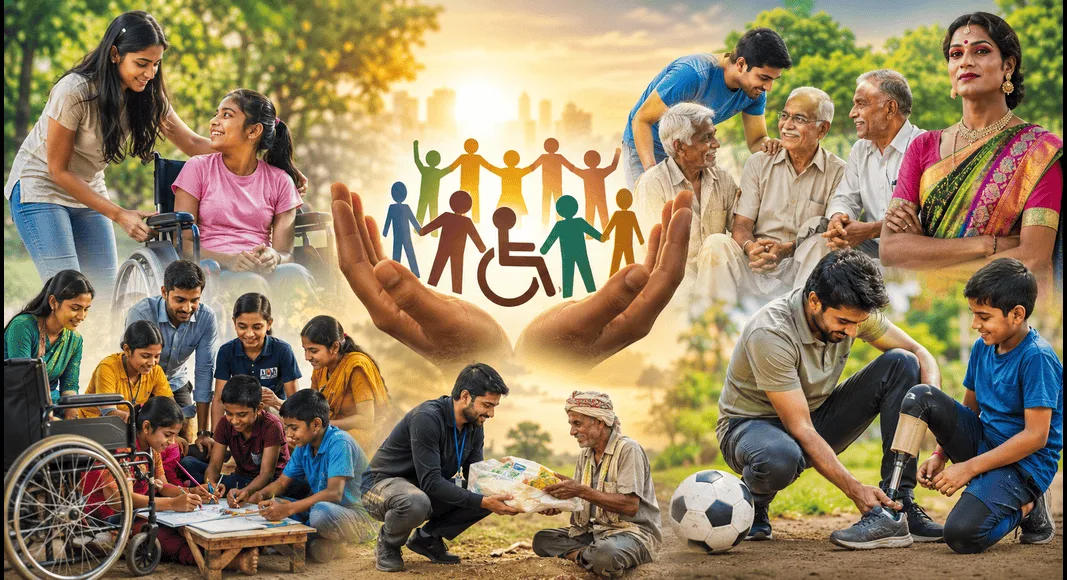
The Ministry of Social Justice and Empowerment highlights the Government of India’s efforts to improve the lives of socially, educationally, and economically disadvantaged people. The ministry works to ensure equality, dignity, and opportunities for communities that have faced discrimination or lack of access to education, healthcare, employment, and social welfare.
Thank you for reading this post, don't forget to subscribe!In 2019, the ministry introduced several important schemes, strengthened policies for persons with disabilities, worked to reduce drug abuse, passed the Transgender Persons (Protection of Rights) Act, and promoted the welfare of senior citizens. These initiatives aimed to build a more inclusive society where every citizen has equal opportunities to grow and live with dignity.
What is the Ministry of Social Justice and Empowerment?
The Ministry of Social Justice and Empowerment is responsible for the welfare and empowerment of people who need special support from the government.
The ministry mainly focuses on:
- Scheduled Castes (SCs)
- Other Backward Classes (OBCs)
- Economically Backward Classes (EBCs)
- Economically Weaker Sections (EWS)
- Senior citizens
- Persons with disabilities (Divyangjan)
- Transgender persons
- Victims of drug and alcohol addiction
- Beggars
- Denotified and Nomadic Tribes (DNTs)
Its goal is to ensure that every citizen gets equal opportunities, social justice, education, employment, and dignity.
National Survey on Drug Abuse in India
One of the major achievements in 2019 was the completion of the National Survey on Extent and Pattern of Substance (Drugs) Abuse in India.
The survey was conducted by the National Drug Dependence Treatment Centre (NDDTC), AIIMS.
Objectives of the Survey
The survey aimed to:
- Understand the number of people using drugs.
- Identify the most commonly abused substances.
- Study the age groups most affected.
- Help governments prepare better policies for prevention and treatment.
The report became an important source of information for designing future anti-drug programs.
National Action Plan for Drug Demand Reduction (NAPDDR) 2018-2025
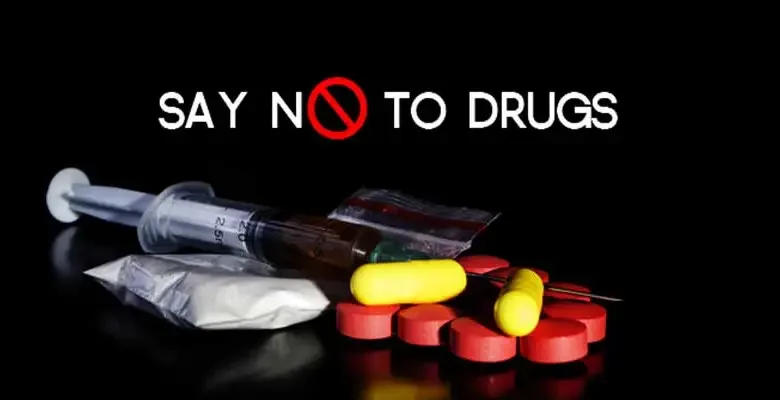
Drug addiction affects not only individuals but also their families and society. To address this issue, the government implemented the National Action Plan for Drug Demand Reduction (NAPDDR) 2018-2025.
Main Objectives
The plan focuses on:
- Preventing drug abuse.
- Creating public awareness.
- Providing counseling services.
- Expanding de-addiction centres.
- Supporting rehabilitation.
- Helping recovered individuals return to normal life.
Instead of only punishing drug users, the policy also focuses on treatment and social rehabilitation.
Assistance for Prevention of Alcoholism and Substance Abuse
The ministry continued implementing the Central Sector Scheme for Prevention of Alcoholism and Substance Abuse.
Under this scheme, financial support is provided to:
- Non-Governmental Organizations (NGOs)
- Voluntary organizations
- Other eligible agencies
These organizations establish and operate Integrated Rehabilitation Centres for Addicts (IRCAs).
Services Provided
These centres offer:
- Identification of addicts
- Medical treatment
- Counseling
- Rehabilitation
- Family support
- Skill development
The objective is to help people recover from addiction and lead healthy lives.
Constitutional Support Against Drug Abuse
The Constitution of India also supports efforts to reduce addiction.
Article 47
Article 47 directs the State to improve public health and work towards reducing the consumption of intoxicating drinks and harmful drugs, except for medicinal purposes.
This constitutional principle forms the foundation of many government policies related to substance abuse.
India’s International Commitments
India is committed to fighting illegal drug trafficking globally.
The country is a signatory to three important United Nations conventions:
- Single Convention on Narcotic Drugs, 1961
- Convention on Psychotropic Substances, 1971
- Convention against Illicit Traffic in Narcotic Drugs and Psychotropic Substances, 1988
These agreements encourage international cooperation in controlling drug trafficking and preventing drug abuse.
Department of Empowerment of Persons with Disabilities (DEPwD)
The Department of Empowerment of Persons with Disabilities (DEPwD) works to improve the lives of Divyangjan across India.
The department serves as the nodal agency for disability-related policies and coordinates with:
- Central Ministries
- State Governments
- Union Territories
- Educational institutions
- NGOs
Its objective is to ensure equal opportunities and accessibility for persons with disabilities.
Rights of Persons with Disabilities
The government works to ensure that persons with disabilities receive:
- Equal educational opportunities
- Employment opportunities
- Accessible public buildings
- Accessible transport
- Skill development
- Social security
- Healthcare support
The ministry also promotes inclusive education so that children with disabilities can study alongside other students.
International Day of Persons with Disabilities
Every year, 3 December is celebrated as the International Day of Persons with Disabilities.
The day promotes awareness about:
- Equal rights
- Accessibility
- Inclusion
- Employment
- Education
- Independent living
In 2019, India also participated in global discussions on disability rights.
India’s Commitment to the UN Convention
India signed the United Nations Convention on the Rights of Persons with Disabilities (UNCRPD) and officially ratified it in 2007.
The convention aims to protect the dignity and rights of persons with disabilities.
India submitted its first national report to the United Nations, which was reviewed during the UN Committee session held in Geneva in 2019.
Constitutional Protection for Persons with Disabilities
The Constitution also protects people with disabilities.
Article 41
Article 41 directs the State to provide assistance in cases of:
- Unemployment
- Old age
- Sickness
- Disability
It also encourages the government to provide education and employment opportunities based on available resources.
Transgender Persons (Protection of Rights) Act, 2019
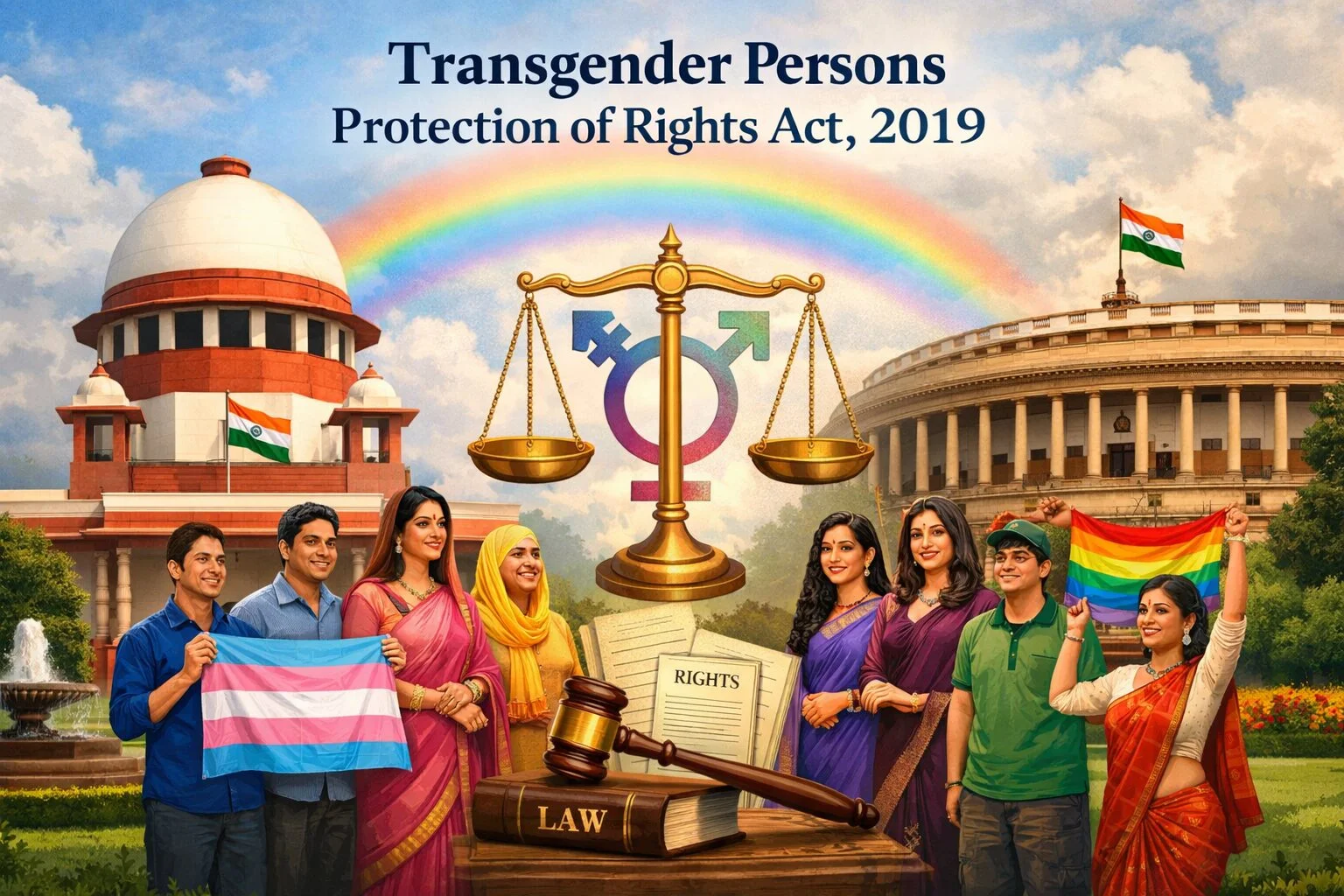
One of the most important laws passed in 2019 was the Transgender Persons (Protection of Rights) Act.
Before this law, transgender persons often faced discrimination in education, employment, healthcare, and public services.
Objectives of the Act
The Act aims to:
- Protect transgender persons from discrimination.
- Ensure equal opportunities.
- Promote education and employment.
- Improve healthcare access.
- Support rehabilitation and welfare.
- Recognize their dignity and identity.
The Act also places responsibility on both the Central and State Governments to implement welfare measures.
Importance of the Transgender Rights Act
The law seeks to bring transgender persons into the mainstream by ensuring they can participate equally in society.
It promotes:
- Social inclusion
- Human dignity
- Equal treatment
- Better employment opportunities
- Access to education
Although discussions and legal debates continued after its implementation, the Act marked an important step toward protecting transgender rights in India.
Vayoshreshtha Samman
The ministry continued recognizing individuals and organizations working for senior citizens through the Vayoshreshtha Samman.
These awards are presented every year on International Day of Older Persons (1 October).
The awards recognize outstanding contributions toward:
- Elderly welfare
- Healthcare
- Social service
- Research
- Community support
The awards were started in 2005 and became National Awards in 2013.
Centre for Disability Sports
The Government approved the establishment of a Centre for Disability Sports at Gwalior, Madhya Pradesh.
Purpose
The centre aims to provide:
- Modern sports facilities
- Professional coaching
- International-level training
- Better infrastructure for Divyang athletes
The objective is to help Indian para-athletes compete successfully at international events like the Paralympics and Asian Para Games.
World Mental Health Day 2019
The Ministry also observed World Mental Health Day on 10 October 2019.
The theme for 2019 was:
“Mental Health Promotion and Suicide Prevention.”
The campaign focused on:
- Reducing mental health stigma
- Encouraging early treatment
- Promoting emotional well-being
- Preventing suicide
- Raising public awareness
Mental health was recognized as an important part of overall health and social development.
Importance of Inclusive Growth
The Ministry believes that development is meaningful only when everyone benefits.
Inclusive growth means ensuring that:
- Poor families receive support.
- Marginalized communities get equal opportunities.
- Persons with disabilities are included in education and employment.
- Senior citizens receive dignity and care.
- Drug addicts receive treatment instead of social exclusion.
- Transgender persons enjoy equal rights.
These efforts help reduce inequality and promote social harmony.
Challenges Faced
Despite many achievements, several challenges remain.
These include:
- Drug addiction among youth
- Social discrimination
- Limited accessibility for persons with disabilities
- Lack of awareness about mental health
- Employment barriers for marginalized communities
- Social stigma faced by transgender persons
- Need for better rehabilitation facilities
Addressing these issues requires cooperation between governments, NGOs, educational institutions, healthcare providers, and society.
Impact of the Ministry’s Initiatives
The initiatives taken in 2019 have helped:
- Improve awareness about drug abuse prevention.
- Expand rehabilitation services.
- Strengthen disability rights.
- Promote inclusive education.
- Support senior citizens.
- Encourage mental health awareness.
- Protect transgender rights.
- Increase social inclusion.
These measures contribute to creating a more equal and compassionate society.
Conclusion
The Ministry of Social Justice and Empowerment demonstrates the government’s commitment to building an inclusive India where every citizen is treated with dignity and respect. Through welfare schemes, legal reforms, disability empowerment, anti-drug initiatives, senior citizen welfare, and transgender rights, the ministry has taken important steps toward reducing social inequality.
Its work reflects the constitutional values of equality, justice, and human dignity. While challenges such as discrimination, addiction, unemployment, and accessibility still exist, continuous policy improvements and public participation can help achieve a society where no one is left behind.
The ministry’s efforts remind us that true development is not only about economic growth but also about ensuring that every individual regardless of social background, physical ability, gender identity, or age has the opportunity to live a safe, healthy, and dignified life.
FAQs
1. What is the Ministry of Social Justice and Empowerment?
The Ministry of Social Justice and Empowerment works for the welfare and empowerment of Scheduled Castes, OBCs, persons with disabilities, senior citizens, transgender persons, and other socially and economically disadvantaged groups.
2. What is the National Action Plan for Drug Demand Reduction (NAPDDR)?
The National Action Plan for Drug Demand Reduction (2018–2025) is a government initiative that focuses on preventing drug abuse through awareness, counseling, de-addiction, rehabilitation, and community participation.
3. What is the purpose of the National Survey on Drug Abuse in India?
The survey measures the extent and pattern of substance abuse in India to help the government develop effective policies for prevention, treatment, and rehabilitation.
4. What are Integrated Rehabilitation Centres for Addicts (IRCAs)?
IRCAs are rehabilitation centers supported by the government through NGOs and voluntary organizations. They provide counseling, treatment, rehabilitation, and recovery support for people suffering from drug and alcohol addiction.
5. What is the Department of Empowerment of Persons with Disabilities (DEPwD)?
DEPwD is the government department responsible for creating policies and programs that improve education, employment, accessibility, and equal opportunities for persons with disabilities.
6. What is the Transgender Persons (Protection of Rights) Act, 2019?
The Act protects transgender persons from discrimination and promotes equal access to education, employment, healthcare, and welfare services.
7. What is Vayoshreshtha Samman?
Vayoshreshtha Samman is a national award presented to senior citizens and organizations that have made outstanding contributions to the welfare and care of elderly people in India.
8. Why was the Centre for Disability Sports established?
The Centre for Disability Sports was established in Gwalior to provide world-class training facilities and modern sports infrastructure for Divyang athletes.
9. What is the significance of World Mental Health Day?
World Mental Health Day is observed every year on 10 October to raise awareness about mental health issues, reduce stigma, and encourage better mental healthcare.
10. What is the main objective of the Ministry of Social Justice and Empowerment?
The ministry aims to promote equality, social justice, and inclusive development by improving the lives of marginalized and vulnerable sections of society through welfare schemes, legal reforms, and empowerment programs.