


Critical Minerals: The Backbone of India’s Green Future

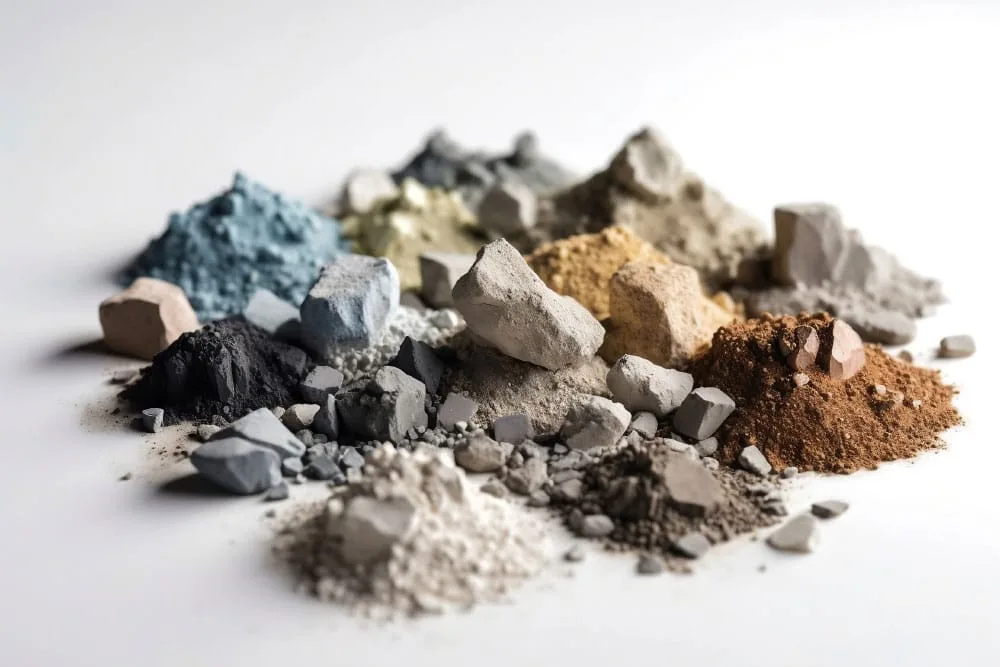
Critical Minerals are becoming one of the most important resources in today’s world. These minerals are essential for economic growth, national security, modern technology, and clean energy development. From smartphones and laptops to electric vehicles and solar panels, critical minerals play a major role in our daily lives.
Thank you for reading this post, don't forget to subscribe!As India moves toward clean energy and advanced technology, the demand for critical minerals is increasing rapidly. These minerals help build batteries, semiconductors, wind turbines, medical equipment, and many other important products.
What are Critical Minerals?
Critical minerals are minerals that are highly important for a country’s economy and security. If these minerals become unavailable or their supply gets disturbed, industries and national development can suffer.
A mineral is called “critical” when:
- It is essential for important industries
- Its supply is limited or controlled by a few countries
- Import dependency is high
- It is difficult to replace with another material
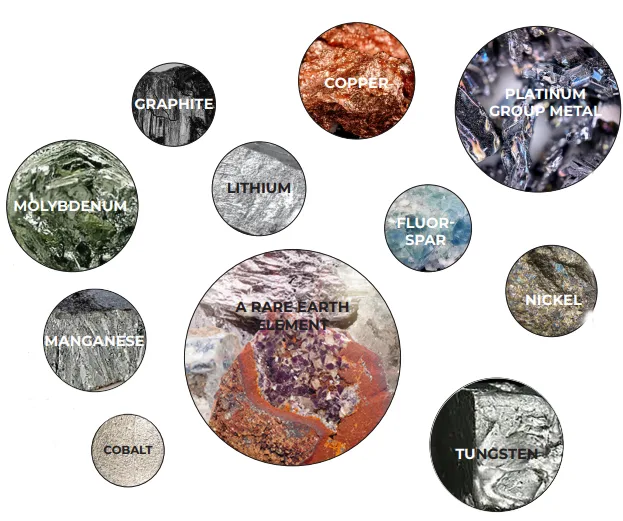
For example, minerals like Lithium, Cobalt, Graphite, Copper, Nickel, and Rare Earth Elements are considered critical because they are necessary for modern technologies.
Why are Critical Minerals Important for India?
1. Base of Modern Technology
Modern technology depends heavily on critical minerals. These minerals are used in:
- Smartphones
- Computers
- LED screens
- Solar panels
- Medical devices
- Batteries
- Defence equipment
Without these minerals, manufacturing advanced products becomes difficult.
2. Important for Clean Energy
India is working toward clean and renewable energy to reduce pollution and carbon emissions. Critical minerals are essential for this transition.
They are used in:
- Solar power systems
- Wind turbines
- Battery storage systems
- Electric Vehicles (EVs)
For example, lithium is a major material used in EV batteries.
3. Supports Future Economy
The future economy will depend on green energy and digital technology. Minerals like:
- Lithium
- Graphite
- Titanium
- Cobalt
- Rare Earth Elements
will become more valuable in the coming years.
4. Reduces Import Dependency
India imports many critical minerals from other countries. Some minerals are not available in sufficient quantity inside India.
By identifying and developing these mineral resources, India can become more self-reliant and reduce imports.
Main Factors That Decide Whether a Mineral is Critical
Two major factors decide the criticality of minerals.
Economic Importance
This checks how important a mineral is for industries and the economy.
If a mineral is widely used in major industries and becomes unavailable, production may stop or slow down.
Supply Risk
This measures the risk of supply disruption.
Supply risk increases when:
- Production is concentrated in a few countries
- Trade restrictions exist
- Political tensions rise
- Import dependency is high
If one country controls supply, prices can increase suddenly.
Five Pillars of the Critical Minerals Value Chain
India must build strong capacity in all stages of the critical mineral supply chain.
1. Geoscience and Exploration
The first step is finding mineral-rich areas underground.
The Geological Survey of India (GSI) identifies mineral deposits through geological surveys.
GSI has identified many mineral-rich zones containing:
- Gold
- Nickel
- Cobalt
- Rare Earth Elements
- Tungsten
- Tin
The National Mineral Exploration Trust (NMET) also supports exploration activities.
Private companies are now allowed to participate in mineral exploration after mining law reforms.
2. Mineral Extraction
Once minerals are found, mining begins.
Two major mining methods are used:
- Surface mining
- Underground mining
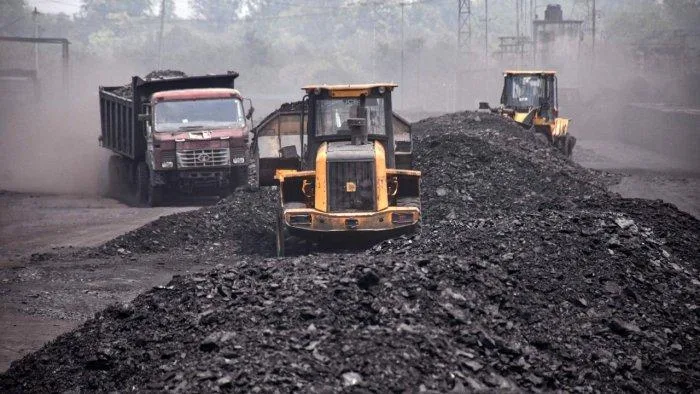
Heavy machines are used for:
- Drilling
- Blasting
- Excavation
- Transportation
This stage requires advanced technology and safety measures.
3. Intermediate Processing
Raw minerals cannot be directly used in products.
They need refining and processing to become usable metals.
India needs stronger refining infrastructure for minerals such as:
- Lithium
- Rare earths
- Nickel
- Cobalt
Cleaner refining technology is important to reduce environmental damage.
4. Advanced Manufacturing
After processing, minerals are used to manufacture important products.
Examples include:
- EV batteries
- Permanent magnets
- Semiconductors
- Wind turbine parts
- Solar modules
Industries using critical minerals include:
- Electronics manufacturing
- Telecom
- Air conditioners and LEDs
- Battery production
- Solar energy sector
5. Recycling
Recycling is becoming increasingly important.
Old products like:
- Mobile phones
- Batteries
- Electronics
- Solar panels
contain valuable minerals.
Recycling helps by:
- Reducing imports
- Saving resources
- Lowering waste
- Protecting the environment
A strong recycling policy will help India recover valuable minerals from used products.
Major Initiatives for Critical Minerals in India
Planning Commission / NITI Aayog
A report in 2011 highlighted the need for secure mineral resources for India’s industrial growth.
It identified 12 strategic minerals, including:
- Lithium
- Cobalt
- Tungsten
- Tin
- Gallium
- Germanium
Ministry of Mines
The Ministry of Mines formed committees to study rare earth and energy-critical minerals.
It reviewed:
- Production
- Consumption
- Reserves
- Future demand
This helped India plan long-term mineral security.
Council on Energy, Environment and Water (CEEW)
CEEW conducted studies on mineral security.
It identified 13 minerals that may become highly critical by 2030, including:
- Graphite
- Silicon
- Chromium
- Niobium
- Rare Earths
Geological Survey of India
GSI and the Atomic Mineral Division prepared a strategic plan to improve exploration of rare earth elements in India.
This supports India’s clean energy goals.
New Committee on Critical Minerals
The Ministry of Mines formed a committee to identify minerals most critical for India.
The committee studied mineral strategies of countries such as:
- Australia
- United States
- Canada
- Japan
- South Korea
- United Kingdom
The committee considered factors like:
- Availability
- Import dependence
- Recycling potential
- Supply risks
- Future technology use
- Substitutes availability
After detailed study, 30 minerals were identified as most critical for India.
Important Critical Minerals and Their Uses
Lithium
Used in:
- EV batteries
- Rechargeable batteries
- Ceramics
- Lubricants
India found 5.9 million tonnes of lithium resources in Jammu and Kashmir.
Cobalt
Used in:
- Batteries
- Aerospace
- Electric vehicles
- Chemical compounds
India mainly imports cobalt.
Copper
Used in:
- Electrical wiring
- Electronics
- Solar systems
- Automobiles
Copper is essential for energy infrastructure.
Graphite
Used in:
- Battery anodes
- Lubricants
- Fuel cells
India has around 9 million tonnes of graphite reserves.
Nickel
Used in:
- Stainless steel
- Batteries
- Aerospace
- Defence equipment
Nickel demand is rising due to EV growth.
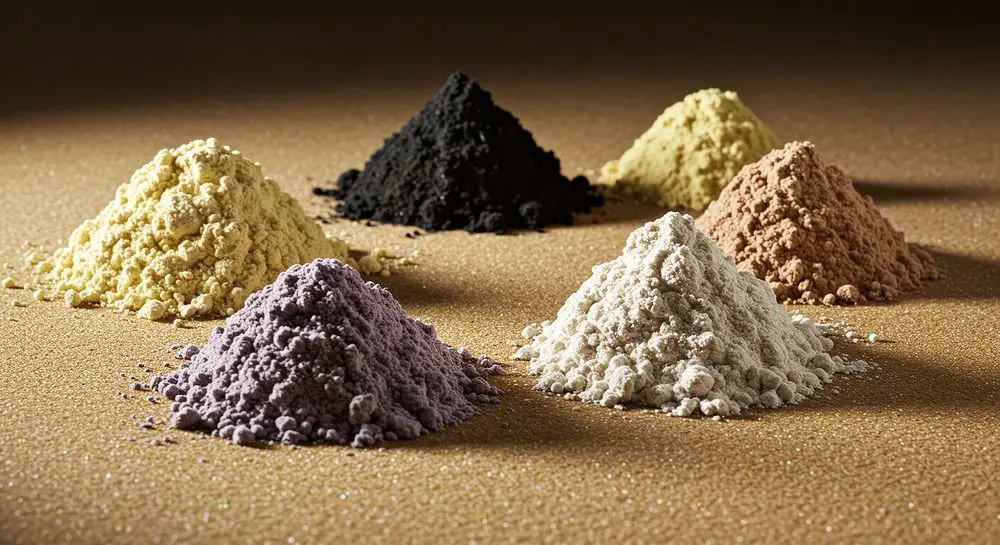
Rare Earth Elements (REE)
Used in:
- Permanent magnets
- Electronics
- Defence technology
- Wind energy
- Aviation
India has significant rare earth resources in beach sands.
Silicon
Used in:
- Semiconductors
- Electronics
- Solar panels
Silicon is vital for the digital economy.
Titanium
Used in:
- Aircraft
- Spacecraft
- Missiles
- Ships
- Paints
India has titanium deposits in coastal regions.
Tungsten
Used in:
- Cutting tools
- Rockets
- Missiles
- Super alloys
India depends mostly on imports.
Challenges Before India
Despite progress, India faces several challenges.
1. Heavy Import Dependence
Many critical minerals are imported from foreign countries.
2. Limited Processing Facilities
Mining alone is not enough. Processing and refining are equally important.
3. Supply Chain Risks
Global conflicts and trade restrictions can disrupt supply.
4. Environmental Concerns
Mining can damage land, water, and ecosystems if not managed properly.
5. Slow Recycling Ecosystem
India still needs better infrastructure for mineral recycling.
Recommendations for India
Experts suggest several steps.
National Institute for Critical Minerals
India can create a dedicated institute for research and innovation in mineral exploration.
Centre of Excellence
A specialized center under the Ministry of Mines can improve:
- Research
- Mapping
- Processing technologies
- Supply planning
Regular Updates
The critical minerals list should be updated every 3 years because technology changes quickly.
Better Recycling Policy
India should invest in recycling infrastructure to recover minerals from used products.
Why Critical Minerals Matter for India’s Future
India’s future in clean energy, electric mobility, and advanced technology depends strongly on critical minerals.
As the world moves toward green development, countries with secure mineral supply will gain major economic advantages.
Critical minerals are not just underground resources they are the foundation of:
- Clean energy
- Industrial growth
- Digital technology
- National security
- Sustainable development
India’s efforts in exploration, mining, processing, and recycling will decide how strong the country becomes in the global green economy.
FAQs
Q1. What are critical minerals?
Critical minerals are minerals essential for economic growth, modern technology, and national security.
Q2. Why are critical minerals important for India?
They are important for clean energy, electric vehicles, batteries, and advanced manufacturing.
Q3. Which mineral is most important for EV batteries?
Lithium is one of the most important minerals used in EV batteries.
Q4. Does India have lithium reserves?
Yes, lithium resources were found in Jammu and Kashmir.
Q5. What are rare earth elements used for?
They are used in magnets, electronics, defence equipment, and renewable energy technologies.