Urbanisation: Meaning, Causes, Challenges and Impact in India

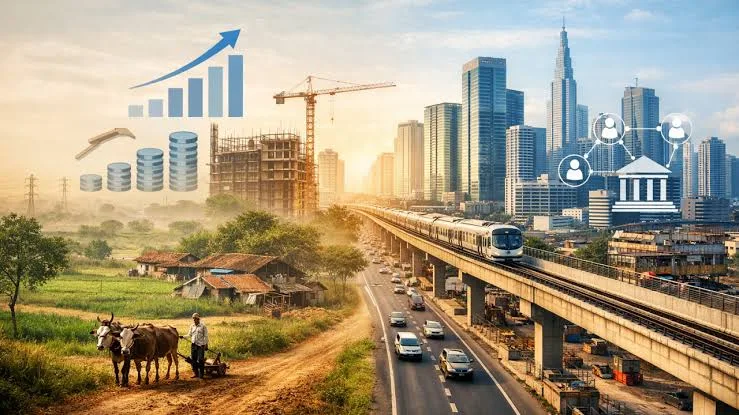
Urbanisation is one of the biggest changes happening across the world today. It is the process in which more people move from villages to towns and cities for better opportunities. As cities grow, they become centers of business, education, healthcare, and technology. At the same time, rapid urbanisation also creates problems such as overcrowding, pollution, traffic, and shortage of housing.
Thank you for reading this post, don't forget to subscribe!India is experiencing fast urban growth. Every year, millions of people migrate to cities in search of better jobs, education, and a higher standard of living. Managing this growth in a planned and sustainable way is important for the country’s future.
What is Urbanisation?
Urbanisation is the process where the population living in urban areas increases while the population living in rural areas decreases. This happens mainly because people move to cities and because urban populations naturally grow over time.
Urbanisation changes the economy, lifestyle, infrastructure, and environment of a country. It also creates new opportunities for development but requires careful planning to avoid social and environmental problems.
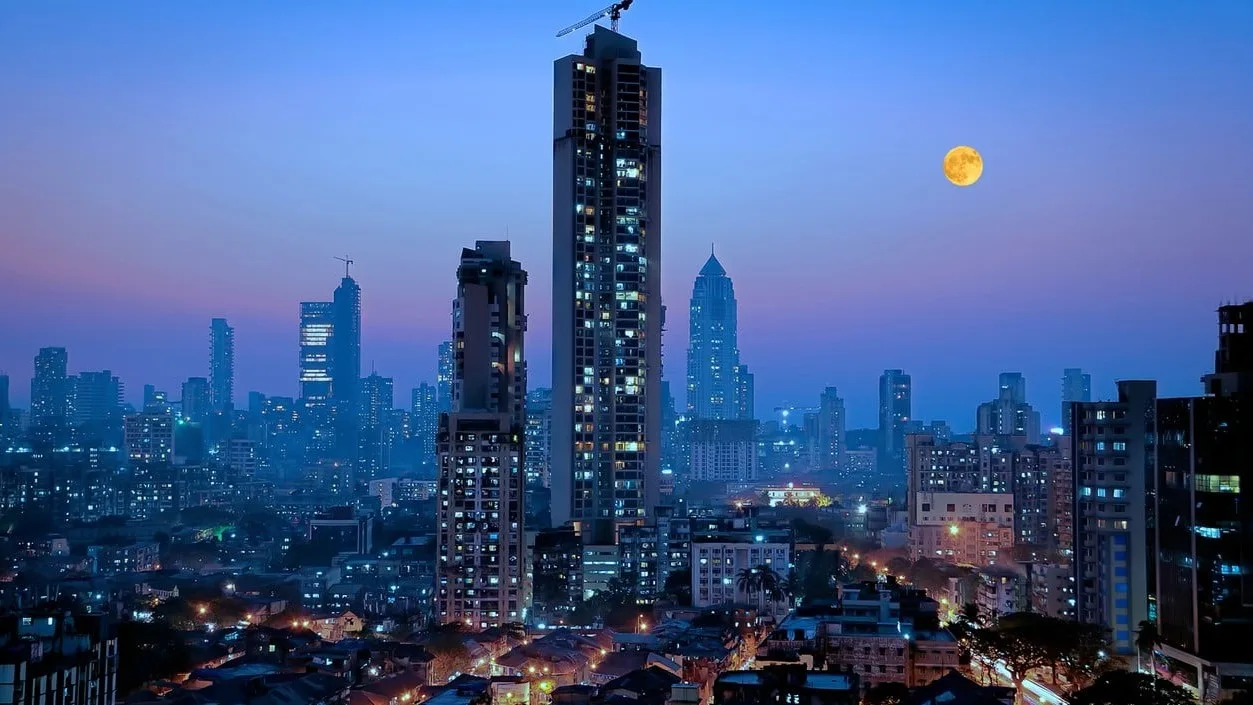
Main Causes of Urbanisation
Several factors contribute to the growth of cities.
1. Population Growth
When the number of births is higher than the number of deaths, the population increases naturally. As the population grows, towns and cities also expand.
2. Rural to Urban Migration
People move from villages to cities because they believe urban areas offer better opportunities.
Pull Factors
| Pull Factors | Benefits |
|---|---|
| Better jobs | Higher income and career growth |
| Good education | Schools, colleges and universities |
| Healthcare | Better hospitals and medical services |
| Modern lifestyle | Better transport, communication and entertainment |
Push Factors
| Push Factors | Problems in Rural Areas |
|---|---|
| Lack of employment | Limited income opportunities |
| Poor education | Few quality schools |
| Weak healthcare | Limited medical facilities |
| Poor infrastructure | Bad roads and transport |
3. Industrial Development
Industries are mostly located in urban areas. They create jobs and attract workers from villages.
4. Better Public Services
Cities usually provide better electricity, transportation, internet, sanitation, and banking facilities.
Global Urbanisation
Urbanisation is increasing across the world.
- North America is one of the most urbanised regions, with over 80% of people living in cities.
- Latin America and the Caribbean also have a high urban population.
- Europe has a large share of urban residents.
- Asia is becoming rapidly urbanised as countries like India and China continue to develop.
- Africa is still mostly rural but is experiencing steady urban growth.
According to the United Nations, India, China, and Nigeria will contribute a major share of global urban population growth by 2050.
Urbanisation in India
Urbanisation in India has increased steadily over the last few decades.
According to the 2011 Census, India’s population was around 1.21 billion, and about 31.1% lived in urban areas. The United Nations estimates that India will add more than 400 million urban residents by 2050.
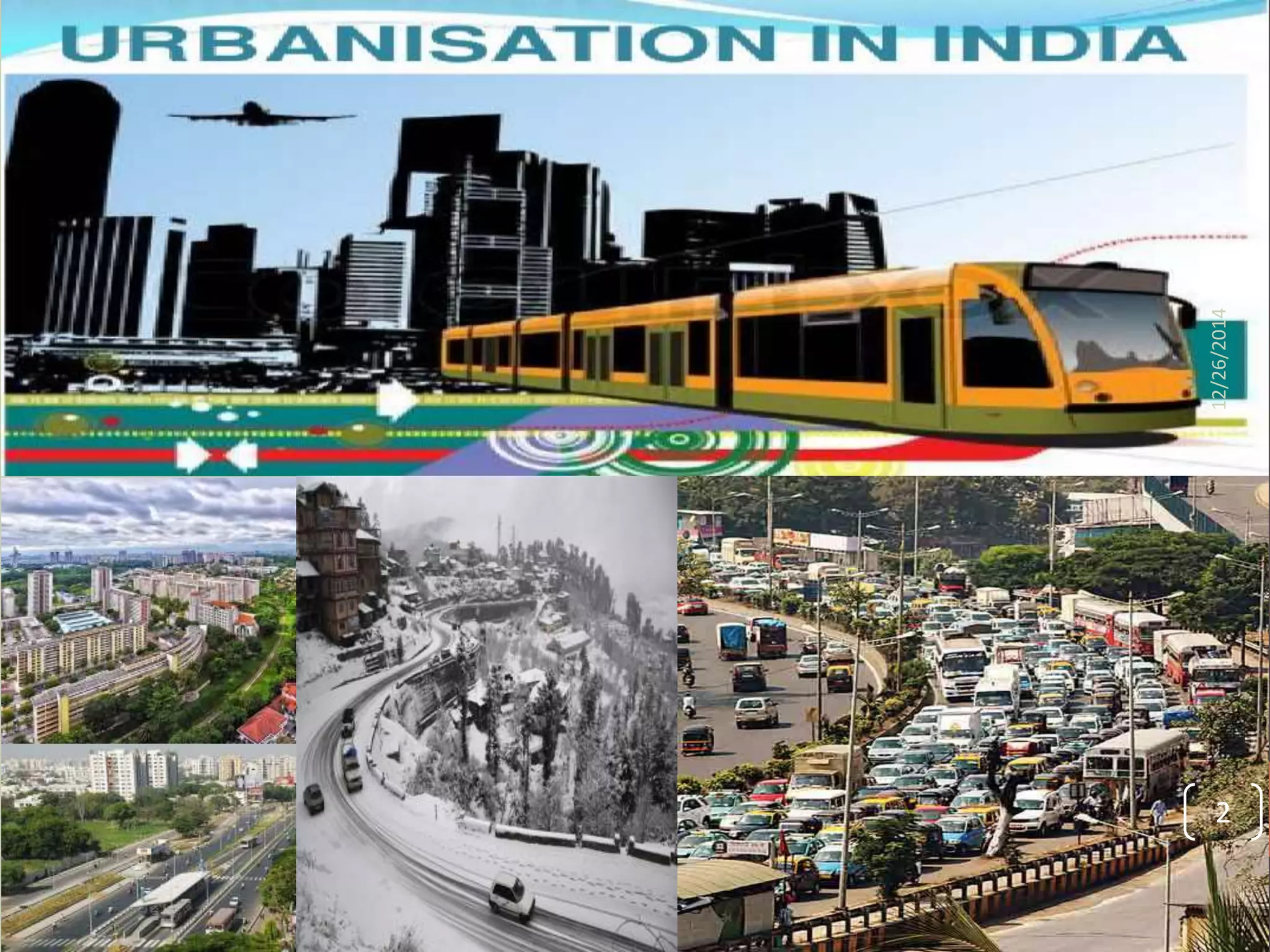
This means cities will continue to expand rapidly, making proper planning essential.
State Wise Urbanisation in India
Urban population is not equally distributed across all states.
States with Large Urban Population
| State | Urban Population |
|---|---|
| Maharashtra | Highest urban population |
| Uttar Pradesh | Second highest |
| Tamil Nadu | Third highest |
| West Bengal | Large urban population |
| Gujarat | Highly urbanised |
| Karnataka | Major urban centres |
Highly Urbanised States
- Goa is the most urbanised state.
- Tamil Nadu has a high level of urbanisation.
- Kerala has well-developed urban areas.
- Maharashtra is among the leading urban states.
- Gujarat has strong industrial cities.
- Mizoram is the most urbanised state in North East India.
States with Lower Urbanisation
Some states still have a lower urban population than the national average.
Highly Urbanised Union Territories
- Delhi
- Chandigarh
- Daman and Diu
- Lakshadweep
India’s Global Commitments for Urban Development
India supports sustainable urban development through several international commitments.
Sustainable Development Goal 11
The United Nations Sustainable Development Goal 11 aims to make cities safe, inclusive, resilient, and sustainable.
New Urban Agenda
The New Urban Agenda encourages countries to improve city planning, housing, transport, and environmental protection.
Paris Agreement
India has committed to reducing greenhouse gas emissions and promoting cleaner urban development through its climate goals.
Government Initiatives for Urbanisation
The Government of India has launched several schemes to improve urban living.
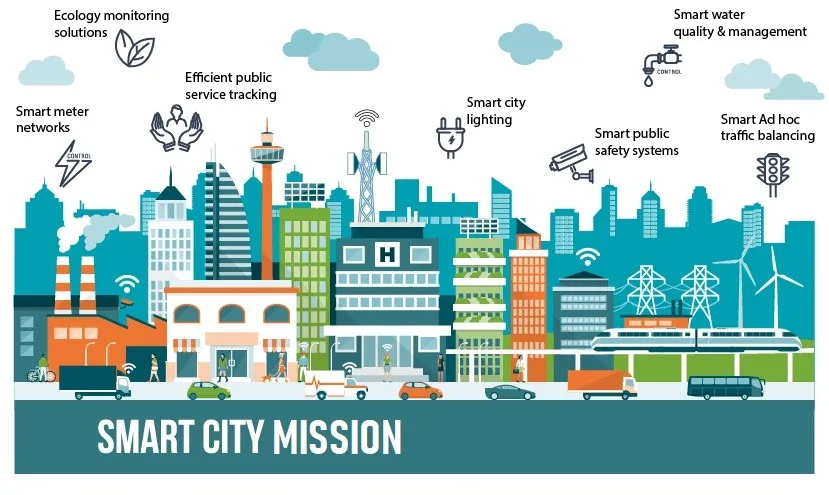
| Scheme | Purpose |
|---|---|
| Smart Cities Mission | Develop modern and technology-driven cities |
| AMRUT Mission | Improve water supply, sewerage and urban infrastructure |
| Swachh Bharat Mission Urban | Promote cleanliness and waste management |
| HRIDAY | Preserve heritage cities |
| Pradhan Mantri Awas Yojana Urban | Affordable housing for urban families |
Schemes for Urban Poor
- Pradhan Mantri Garib Kalyan Yojana
- Atmanirbhar Bharat Abhiyan
- Food security and welfare support for vulnerable families
Importance of Urbanisation
Urbanisation plays a major role in economic and social development.
Better Education
Cities have more schools, colleges, universities, coaching centres, and skill training institutes.
Improved Healthcare
Urban areas provide better hospitals, clinics, emergency care, and specialist doctors.
More Employment
Industries, businesses, IT companies, and service sectors create many job opportunities.
Better Infrastructure
Cities offer better roads, electricity, internet, public transport, and communication services.
Access to Information
People in cities can easily access newspapers, television, radio, and the internet, helping them stay informed.
Greater Personal Freedom
Urban life allows people to choose careers, education, and lifestyles according to their interests.
Challenges of Urbanisation
Although urbanisation offers many benefits, it also creates serious challenges.
Population Pressure
Rapid migration increases pressure on housing, transport, schools, hospitals, and public services.
Growth of Slums
Many migrants cannot afford proper housing and settle in slums.
Problems in slums include:
- Poor sanitation
- Unsafe drinking water
- Overcrowding
- Lack of healthcare
- Poor education facilities
Housing Shortage
Affordable housing remains a major challenge in growing cities. Many families live in small, overcrowded homes.
Traffic Congestion
The increasing number of vehicles leads to long traffic jams, higher fuel consumption, and air pollution.
Pollution
Urban areas generate large amounts of:
- Air pollution
- Water pollution
- Noise pollution
- Solid waste
These problems affect public health and the environment.
Unplanned Development
Many cities grow without proper planning. This results in illegal buildings, poor drainage systems, and lack of green spaces.
Urban Poverty
Despite better job opportunities, many people continue to struggle with low wages and poor living conditions.
Impact of COVID-19
The COVID-19 pandemic showed how vulnerable urban poor communities are. Many workers lost their jobs and faced food and housing shortages during lockdowns.
Limited Access to Welfare Schemes
Many slum settlements are not officially recognised, making it difficult for residents to receive government benefits.
Environmental Impact of Urbanisation
Rapid urbanisation affects nature in many ways.
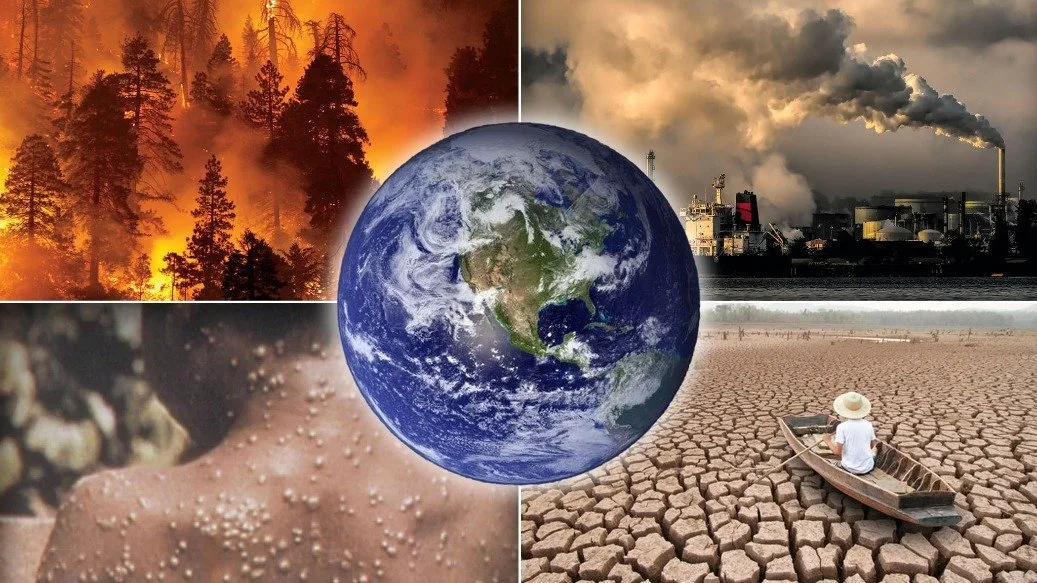
- Loss of forests and farmland
- Increase in greenhouse gas emissions
- Water scarcity
- Rising temperatures due to the urban heat island effect
- Increased waste generation
- Decline in biodiversity
Protecting the environment while expanding cities is becoming increasingly important.
Ways to Improve Urbanisation
India can manage urban growth through better planning and sustainable development.
Planned Urban Development
Cities should expand according to proper master plans that include housing, transport, parks, schools, and hospitals.
Affordable Housing
More affordable homes should be built for low-income families.
Better Public Transport
Expanding metro rail, electric buses, cycling tracks, and pedestrian pathways can reduce traffic and pollution.
Improved Healthcare
Healthcare centres should be available in every urban area, especially in slums.
Better Sanitation
Proper waste management, clean drinking water, and sewage treatment systems should be strengthened.
Inclusive Welfare Schemes
Government benefits should reach all eligible urban poor families, including people living in informal settlements.
Smart and Sustainable Cities
Cities should use renewable energy, digital technology, green buildings, and efficient public services to improve quality of life.
Strong Local Governance
Local governments should involve citizens in decision-making and adopt a bottom-up planning approach that considers local needs.
Final Thoughts
Urbanisation is an important part of India’s development journey. It creates opportunities for education, employment, healthcare, and economic growth. However, rapid and unplanned urbanisation also leads to overcrowding, pollution, housing shortages, and social inequality. With proper planning, sustainable infrastructure, better governance, and inclusive policies, India can build cities that provide a better quality of life for everyone.
FAQs
1. What is urbanisation?
Urbanisation is the process in which people move from rural areas to cities, leading to the growth of urban populations.
2. What are the main causes of urbanisation?
The main causes include population growth, migration from villages to cities, industrial development, better education, healthcare, and employment opportunities.
3. What are the advantages of urbanisation?
Urbanisation improves education, healthcare, employment, transportation, communication, and access to public services.
4. What are the major problems of urbanisation?
Major problems include overcrowding, slums, pollution, traffic congestion, housing shortages, unemployment, and environmental damage.
5. Which Indian state is the most urbanised?
Goa is one of the most urbanised states in India, while Mizoram is the most urbanised state in Northeast India.
6. What is Sustainable Development Goal 11?
SDG 11 aims to make cities and human settlements inclusive, safe, resilient, and sustainable.
7. Name some government schemes related to urban development.
Important schemes include Smart Cities Mission, AMRUT Mission, Swachh Bharat Mission Urban, HRIDAY, and Pradhan Mantri Awas Yojana Urban.