




Regional Development Disparity in India

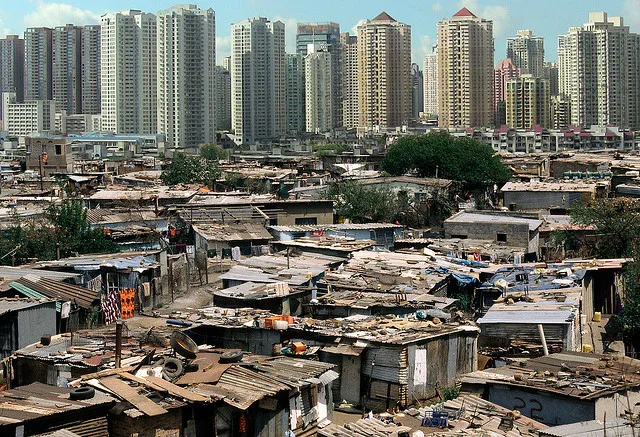
Regional Development Disparity is one of the biggest challenges facing India’s growth and development. Although India has made remarkable progress in agriculture, industry, technology, and infrastructure, the benefits of development have not been distributed equally across all regions. Some states and regions have achieved rapid economic growth, while others continue to struggle with poverty, unemployment, poor infrastructure, and lack of investment.
This uneven pattern of development is known as Regional Development Disparity. It refers to the differences in economic progress, living standards, income levels, and access to opportunities among different geographical regions of a country.

What is Regional Development Disparity?
Regional Development Disparity means the unequal distribution of economic development and resources among different regions. Some states and cities become highly developed, while others remain backward.
This disparity can be measured through various indicators such as:
| Indicator | Meaning |
|---|---|
| Per Capita Income | Average income earned by a person |
| Poverty Level | Percentage of people living below the poverty line |
| Urbanization | Share of population living in cities |
| Employment Structure | People working in agriculture, industry, and services |
| Infrastructure | Availability of roads, electricity, railways, internet, and healthcare |
| Education Level | Literacy and educational opportunities |
When these indicators differ significantly among regions, regional disparities arise.
Need for Balanced Regional Development
Balanced regional development is essential for the overall progress of India. Every region should receive equal opportunities to grow and contribute to the country’s development.
Important Reasons
1. Strengthening National Unity
Large differences in development create feelings of neglect among people living in backward regions. Balanced growth helps maintain national unity and social harmony.
2. Better Use of Resources
Different states have different natural resources, human resources, and economic strengths. Proper development helps utilize these resources efficiently.
3. Reducing Poverty
Many backward regions suffer from poverty and unemployment. Balanced development creates jobs and improves living standards.
4. Preventing Migration
People often migrate from underdeveloped areas to developed cities in search of work. This creates pressure on urban infrastructure and services.
5. Sustainable Economic Growth
A nation can achieve long-term growth only when all regions participate in the development process.
Causes of Regional Development Disparity
Several factors have contributed to uneven development across India.
Historical Factors
During British rule, development was concentrated mainly in areas that were beneficial for trade and administration.
Major port cities such as Mumbai, Kolkata, and Chennai received more attention because they supported British commercial interests.
As a result, many interior regions remained underdeveloped even after independence.
Geographical Factors
Geography plays a major role in development.
Regions with mountains, dense forests, deserts, and flood-prone areas face difficulties in building infrastructure and attracting investment.
Examples include:
| Region | Challenge |
| Himalayan States | Difficult terrain |
| North-Eastern States | Connectivity issues |
| Desert Regions | Water scarcity |
| Flood-Prone Areas | Frequent natural disasters |
Because of these challenges, development projects become expensive and difficult to implement.
Location-Specific Advantages
Some regions naturally possess advantages such as:
- Availability of raw materials
- Better transportation
- Access to ports
- Availability of irrigation facilities
- Large markets
Industries prefer such locations because they reduce production and transportation costs.
For example, many oil refineries are located near coastal areas.
Early Mover Advantage
Regions that developed infrastructure earlier attracted more industries and investments.
Private companies generally prefer areas with:
- Good roads
- Reliable electricity
- Skilled workforce
- Banking facilities
As investment continues to flow into developed regions, disparities increase further.
Failure of Planning Mechanisms
Development plans sometimes fail to address local needs.
Major issues include:
- Poor implementation
- Lack of resources
- Weak administrative capacity
- One-size-fits-all policies
These factors reduce the effectiveness of development programs in backward areas.
Limited Success of the Green Revolution
The Green Revolution greatly increased agricultural production in India.
However, its benefits were mostly limited to:
- Punjab
- Haryana
- Western Uttar Pradesh
These regions had:
- Better irrigation facilities
- Fertile land
- Government support
- Access to modern technology
Many other states could not enjoy similar benefits, increasing regional disparities.
Law and Order Problems
Investment usually flows to regions that are peaceful and stable.
Areas affected by:
- Insurgency
- Extremism
- Violence
- Political instability
often struggle to attract industries and investors.
As a result, economic growth remains slow in such regions.
Intra-Regional Disparity
Regional disparities are not limited to differences between states. Significant inequalities also exist within individual states.
Examples include:
| State | Backward Region |
| Maharashtra | Vidarbha and Marathwada |
| Gujarat | Saurashtra |
| Karnataka | Northern Karnataka |
Many of these regions suffer due to water shortages, poor infrastructure, and limited industrial growth.
In several tribal regions of states like Odisha, Bihar, Madhya Pradesh, and Gujarat, development has been slower because of historical neglect and lack of investment.
Government Measures to Reduce Regional Disparities
The Government of India has launched several initiatives to reduce regional imbalances.
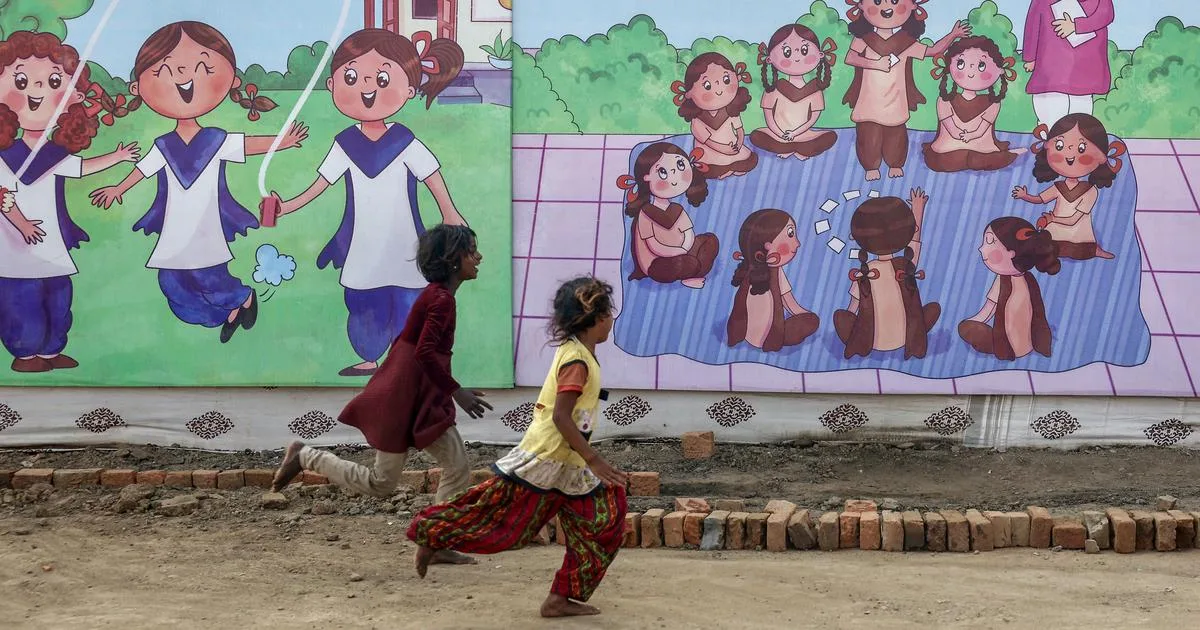
Financial Assistance to Backward States
The central government provides financial support through various mechanisms.
Earlier, special category status helped several backward states receive higher grants.
Finance Commissions have also increased resource transfers to less-developed states.
Development Programmes
Several national programmes focus on improving basic facilities.
These include:
- Agricultural development
- Irrigation projects
- Rural development
- Power generation
- Education
- Healthcare services
Such programmes aim to improve the quality of life in backward regions.
Infrastructure Development
Large infrastructure projects help connect remote regions with the rest of the country.
Examples include:
| Project | Purpose |
| River Valley Projects | Water and irrigation |
| Road Connectivity Projects | Better transportation |
| Railway Expansion | Improved connectivity |
| Power Projects | Reliable electricity |
Improved infrastructure attracts industries and creates employment opportunities.
Promotion of Small and Village Industries
The government supports small-scale industries through:
- Financial assistance
- Training programs
- Industrial estates
- Marketing support
These industries generate local employment and reduce migration.
Industrial Incentives
Various incentives encourage industries to invest in backward areas.
These include:
- Tax exemptions
- Subsidies
- Investment incentives
- Financial support
Special industrial policies have been introduced for regions such as the North-East and Himalayan states.
Backward Region Grant Fund (BRGF)
The Backward Region Grant Fund was launched to address regional imbalances.
Main Objectives
- Improve infrastructure
- Promote local development
- Strengthen local governance
- Build administrative capacity
The scheme focuses on districts identified as economically backward.
Pradhan Mantri Khanij Kshetra Kalyan Yojana (PMKKKY)
This scheme aims to improve the welfare of people living in mining-affected areas.
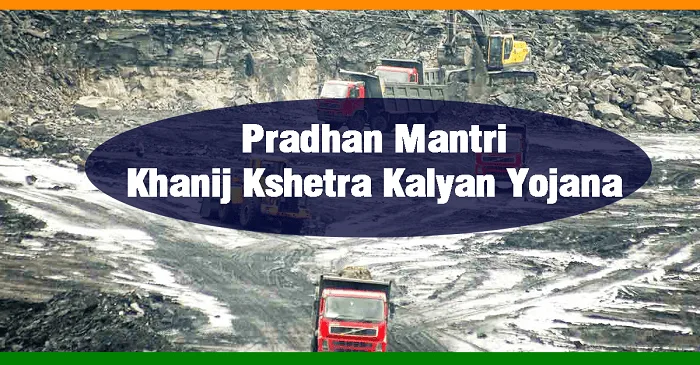
Benefits include:
- Better healthcare
- Education facilities
- Drinking water
- Environmental protection
Special attention is given to tribal communities.
Competitive Federalism
Competitive federalism encourages states to compete in attracting investment and improving governance.
States now focus on:
- Ease of doing business
- Infrastructure development
- Industrial growth
- Efficient administration
Healthy competition among states often leads to better development outcomes.
Challenges That Still Exist
Despite many efforts, regional disparities continue due to:
- Unequal infrastructure
- Differences in educational levels
- Climate-related challenges
- Lack of industrial investment
- Administrative weaknesses
- Population pressure
Addressing these issues requires long-term planning and cooperation between the central and state governments.
The Way Ahead
India’s geographical diversity means that every region has unique strengths and challenges. Therefore, development policies should be designed according to local needs rather than adopting a single approach for all areas.
Greater investment in education, healthcare, roads, digital connectivity, agriculture, and industries can help reduce disparities. Strengthening local governance and encouraging community participation are also important.
Special attention should be given to North-Eastern states, Himalayan regions, tribal areas, drought-prone regions, coastal areas, and remote rural districts. When all regions develop together, India can achieve inclusive and sustainable growth.
FAQs on Regional Development Disparity
1. What is Regional Development Disparity?
It refers to unequal economic and social development among different regions of a country.
2. What are the main indicators of regional disparity?
Per capita income, poverty level, infrastructure, urbanization, employment, and literacy rates are common indicators.
3. Why is balanced regional development important?
It promotes national unity, reduces poverty, creates employment, and ensures sustainable economic growth.
4. How did the Green Revolution contribute to regional disparity?
Its benefits were mainly concentrated in Punjab, Haryana, and western Uttar Pradesh, while many other regions received limited advantages.
5. What is Competitive Federalism?
It is a system where states compete to attract investment, improve governance, and achieve faster economic growth.
6. Which government scheme focuses on backward districts?
The Backward Region Grant Fund (BRGF) was designed to reduce regional imbalances in identified backward districts.
7. How can India reduce regional disparities?
Through targeted investments, better infrastructure, improved education, industrial development, and region-specific policies.