


Energy Security in India: Challenges, Importance and Future Plans

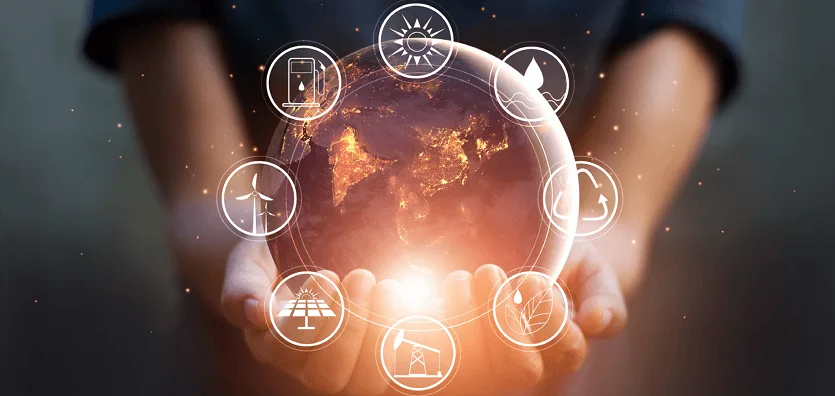
Energy Security is one of the most important requirements for the growth and development of India. Every sector of the economy, including agriculture, industries, transportation, education, healthcare, and communication, depends on a reliable supply of energy. As India moves towards becoming a major global economy, ensuring uninterrupted, affordable, and clean energy has become a national priority.
Energy security means making sure that energy is available to everyone at a reasonable price without interruption. It also involves reducing dependence on imported fuels and promoting clean and renewable energy sources for a sustainable future.

What is Energy Security?
Energy security refers to the uninterrupted availability of energy sources at affordable prices.
In simple words:
Energy Security = Availability + Affordability + Accessibility
This means:
- Energy should be available whenever needed.
- Energy should be affordable for consumers.
- Energy should be accessible to all people, including those living in remote areas.
Energy security can be divided into two parts:
| Type | Meaning |
|---|---|
| Long-Term Energy Security | Ensuring future energy supply through investments and planning |
| Short-Term Energy Security | Handling sudden disruptions in energy supply and demand |
A country with strong energy security can continue its economic activities smoothly without facing major energy shortages.
Why is Energy Security Important for India?
India is one of the fastest-growing economies in the world. As the population increases and industries expand, the demand for energy also rises.
The importance of energy security can be understood through the following points:
| Importance | Description |
|---|---|
| Economic Growth | Industries and businesses need energy for production and development |
| Employment Generation | New industries create jobs, which require reliable energy |
| Infrastructure Development | Roads, railways, airports, and cities depend on energy |
| Better Living Standards | Electricity improves education, healthcare, and communication |
| National Security | Stable energy supply strengthens the country’s strategic position |
India’s economy is also highly influenced by global oil prices. Whenever international crude oil prices rise sharply, India’s import bill increases, affecting economic stability.
Current Energy Scenario in India
India is among the largest consumers of energy in the world.
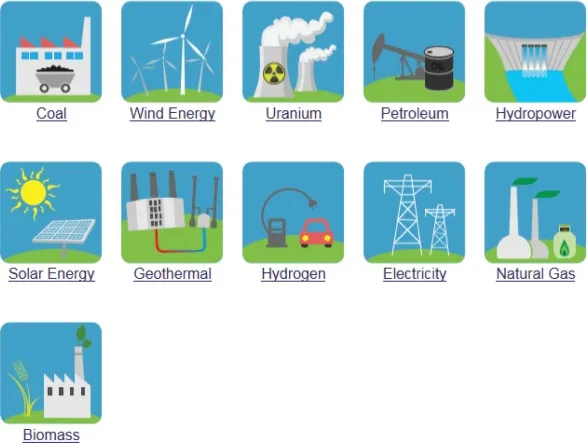
The country’s major energy sources include:
| Energy Source | Usage |
|---|---|
| Coal | Electricity generation |
| Oil | Transportation and industries |
| Natural Gas | Industries, cooking, and power generation |
| Solar Energy | Renewable electricity generation |
| Wind Energy | Clean power production |
| Hydro Power | Electricity generation from water |
| Nuclear Energy | Stable power generation |
Despite having domestic resources, India still imports a large portion of its oil and gas requirements from other countries.
This dependence on imports creates concerns about energy security.
Major Challenges to Energy Security in India
1. Policy Challenges
Several policy-related issues affect India’s energy sector.
Limited Investment in Hydrocarbon Exploration
The earlier New Exploration Licensing Policy (NELP) did not attract enough global investors.
As a result:
- Domestic oil production remained low.
- India continued depending heavily on imported crude oil.
Delays in Coal Mining Projects
Coal remains India’s primary energy source.
However, coal mining projects often face:
- Environmental clearances
- Land acquisition issues
- Regulatory delays
These obstacles reduce domestic coal production.
2. Accessibility Challenges
Although electricity access has improved significantly, energy accessibility remains a concern.
Dependence on Biomass in Rural Areas
Many rural households still depend on:
- Firewood
- Crop residues
- Animal waste
for cooking purposes.
Biomass accounts for a large share of rural fuel consumption and creates serious health problems because of indoor air pollution.
Women and children are particularly affected by smoke exposure.
3. Infrastructure and Skill Challenges
India requires strong infrastructure to ensure efficient energy distribution.
Lack of Modern Infrastructure
Challenges include:
- Insufficient pipeline networks
- Limited gas distribution systems
- Inadequate storage facilities
Natural gas can play an important role in India’s energy mix, but infrastructure limitations slow its expansion.
Shortage of Skilled Manpower
The energy sector requires trained engineers, technicians, and researchers.
A shortage of skilled professionals affects:
- Renewable energy projects
- Advanced energy technologies
- Research and development activities
4. Economic Challenges
High Import Dependence
India imports a large quantity of:
- Crude oil
- Natural gas
As international prices fluctuate, India’s energy costs also rise.
Rising Current Account Deficit
Higher energy imports increase foreign exchange expenditure.
This contributes to:
- Current Account Deficit (CAD)
- Inflation
- Economic pressure on government finances
5. External and Geopolitical Challenges
Energy security is closely linked to international relations.
Dependence on Foreign Countries
India imports energy from regions such as:
- Middle East
- Central Asia
- Africa
Political instability or conflicts in these regions can disrupt supply.
Global Strategic Competition
Growing competition among major powers affects global energy markets.
For example:
- Trade disputes
- International sanctions
- Regional conflicts
can influence India’s energy imports.
Challenges in International Pipeline Projects
Projects such as:
- Iran-Pakistan-India (IPI) Pipeline
- Turkmenistan-Afghanistan-Pakistan-India (TAPI) Pipeline
have faced delays because of security and political issues.
Measures to Improve Energy Security
India has introduced several initiatives to strengthen energy security.
Increasing Access to Clean Energy
Universal Electricity Access
The government has worked towards providing electricity connections to all households.
The next major goal is:
24×7 reliable electricity supply for every citizen.
Clean Cooking Fuel
Programs such as the Pradhan Mantri Ujjwala Yojana have expanded LPG access in rural areas.
Additional measures include:
- Biomass pellet production
- Improved biomass stoves
- Cleaner cooking technologies
Promoting Renewable Energy
Renewable energy plays a major role in reducing dependence on imported fuels.
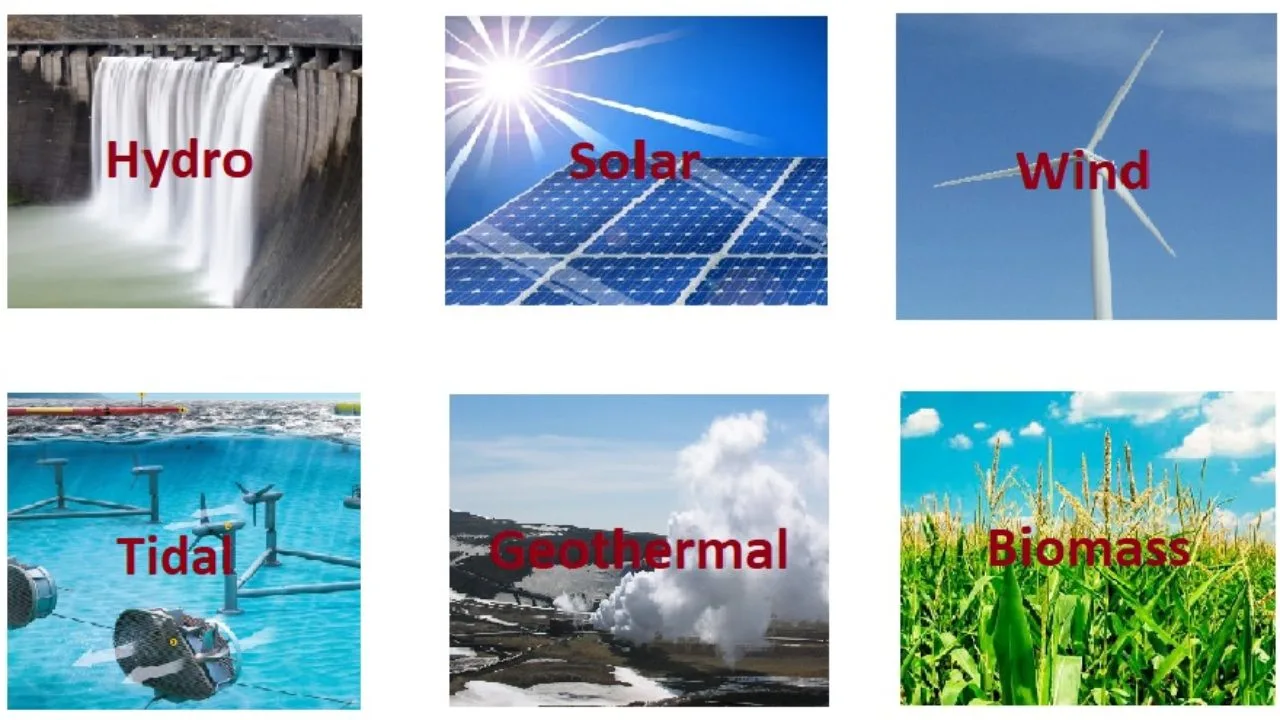
Solar Energy
India has become one of the world’s leading solar energy producers.
Benefits include:
- Clean energy generation
- Reduced carbon emissions
- Lower import dependence
Wind Energy
Wind farms contribute significantly to electricity production in several states.
Other Renewable Sources
India is also exploring:
- Geothermal energy
- Tidal energy
- Biomass energy
to diversify its energy sources.
Improving Energy Efficiency
Using energy efficiently can reduce overall demand.
National Mission for Enhanced Energy Efficiency (NMEEE)
This mission promotes:
- Energy-saving technologies
- Efficient appliances
- Industrial energy conservation
Better Fuel Standards
The introduction of BS-VI fuel standards has improved vehicle efficiency and reduced pollution.
Strengthening Domestic Energy Production
Coal Sector Reforms
India aims to:
- Increase coal production
- Improve mining productivity
- Reduce import dependence
Hydrocarbon Exploration and Licensing Policy (HELP)
The policy seeks to:
- Encourage investment
- Reduce administrative delays
- Improve oil and gas exploration
Energy Infrastructure Development
Strong infrastructure is essential for energy security.

Expansion of Oil Refineries
India continues to increase refining capacity to meet domestic demand and maintain exports of petroleum products.
City Gas Distribution Networks
Natural gas distribution networks are expanding across multiple states.
Benefits include:
- Cleaner fuel usage
- Reduced pollution
- Better industrial efficiency
Strategic Petroleum Reserves
India has developed strategic petroleum reserves to handle emergencies.
These reserves help during:
- Wars
- Natural disasters
- Supply disruptions
Major storage facilities are located at:
- Visakhapatnam
- Mangaluru
- Padur
Additional storage facilities are being planned to increase reserve capacity.
India’s Energy Diplomacy
Energy diplomacy has become a key part of India’s foreign policy.
India is strengthening energy partnerships with:
- Middle Eastern countries
- Central Asian nations
- Australia
- Kazakhstan
- Myanmar
- Vietnam
These partnerships help ensure stable energy supplies.
India’s participation in organizations such as the Shanghai Cooperation Organization also creates opportunities for greater energy cooperation.
Major Initiatives Supporting Energy Transition
Several government schemes are helping India move towards cleaner energy.
| Initiative | Purpose |
|---|---|
| Pradhan Mantri Sahaj Bijli Har Ghar Yojana | Electricity access to households |
| Green Energy Corridor | Renewable energy transmission |
| National Solar Mission | Solar energy promotion |
| National Biofuels Policy | Biofuel development |
| International Solar Alliance | International solar cooperation |
| SATAT | Compressed biogas promotion |
| Small Hydro Power Programme | Small-scale hydroelectric projects |
Future of Energy Security in India
India’s future energy strategy should focus on:
Legislative Reforms
A dedicated Energy Security Act could:
- Ensure universal access to energy
- Promote clean energy adoption
- Improve accountability
Institutional Reforms
A unified Ministry of Energy could improve coordination among:
- Coal sector
- Petroleum sector
- Renewable energy sector
- Power sector
Financial Support
The government should encourage:
- Clean energy investments
- Research and development
- Innovation in storage technologies
Public Awareness
Citizens should be encouraged to:
- Save electricity
- Use efficient appliances
- Support renewable energy
Public participation is essential for long-term energy security.
Energy Security and Sustainable Development
Energy security and environmental protection must go together.
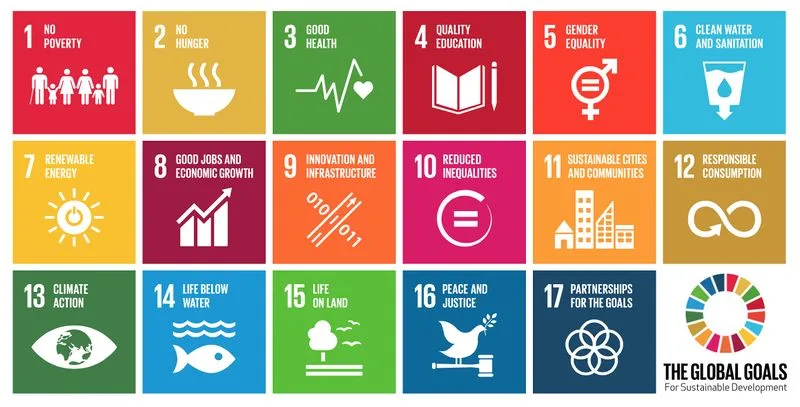
India has committed to:
- Reducing carbon emissions
- Expanding renewable energy
- Meeting climate goals
- Promoting sustainable development
Balancing economic growth with environmental protection will be one of the biggest challenges and opportunities for India in the coming decades.
A strong energy system supported by clean technologies, modern infrastructure, innovation, and international cooperation will help India achieve long-term growth while ensuring affordable and reliable energy for every citizen.
FAQs on Energy Security
1. What is energy security?
Energy security means ensuring uninterrupted availability of energy at affordable prices for all consumers.
2. Why is energy security important for India?
It supports economic growth, industrial development, employment generation, infrastructure expansion, and national security.
3. What are the major challenges to India’s energy security?
Major challenges include import dependence, policy delays, infrastructure gaps, rural energy access issues, and geopolitical risks.
4. Which energy source contributes most to India’s electricity generation?
Coal remains the largest source of electricity generation in India.
5. How does renewable energy improve energy security?
Renewable energy reduces dependence on imported fuels, lowers pollution, and provides sustainable energy for the future.
6. What is the role of strategic petroleum reserves?
Strategic petroleum reserves help India manage emergencies such as supply disruptions, wars, and natural disasters.
7. What is the Green Energy Corridor project?
It is a project designed to improve transmission infrastructure for renewable energy across the country.
8. What is the goal of India’s energy transition?
The goal is to increase clean energy use, improve energy efficiency, reduce carbon emissions, and ensure sustainable growth.