Mughal Empire in India: Rise and Fall (1526–1857)

Mughal Empire in India was one of the most powerful and influential empires in Indian history. It ruled a large part of the Indian subcontinent for more than 300 years, from 1526 to 1857. During this long period, India saw great progress in administration, art, architecture, agriculture, trade, and culture. Many famous monuments, food traditions, languages, and systems that we see today were shaped during the Mughal period.
Thank you for reading this post, don't forget to subscribe!Origin of the Mughal Empire in India
The Mughal Empire in India was founded in 1526 by Babur, a ruler from Central Asia (present-day Uzbekistan). Babur was a descendant of the great conqueror Timur from his father’s side and Genghis Khan from his mother’s side.
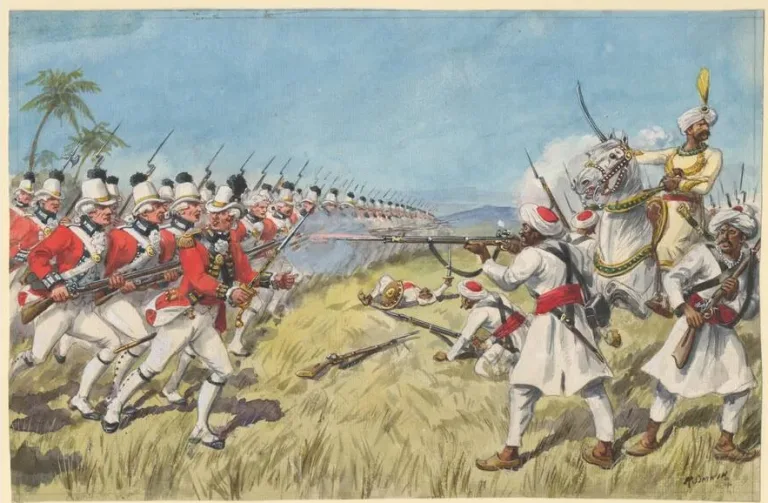
In 1526, Babur defeated Ibrahim Lodi in the First Battle of Panipat. This battle marked the beginning of Mughal rule in India.
Babur used strong military strategies and modern weapons like cannons and guns. After his victory, he laid the foundation of a new empire that would rule India for centuries.
At its peak, the Mughal Empire in India stretched:
- From Afghanistan in the northwest
- To Kashmir in the north
- To Bengal and Assam in the east
- Deep into the Deccan Plateau in the south
Why Is It Called “Mughal”?
The word “Mughal” comes from the word “Mongol.” The Mughal rulers were of Turco-Mongol origin. They followed Persian culture and used Persian as their court language. Over time, in India, they became known as Mughals.
Important Features of the Mughal Empire in India
1. Strong Central Government
The emperor was the supreme ruler. All powers were in his hands. Under him were important ministers who managed:
- Finance
- Army
- Law
- Revenue
- Foreign affairs
The Mughal rulers maintained strict control over their empire.
2. Agricultural Economy
The Mughal Empire in India mainly depended on agriculture. Most of the income came from land revenue (tax collected from farmers). Taxes were carefully measured and usually paid in silver coins called rupees.
3. Religious Policies
Some Mughal rulers, like Akbar, promoted religious tolerance. Others, like Aurangzeb, followed stricter religious policies.
4. Cultural Achievements
The Mughal period saw a beautiful mix of Persian and Indian traditions. This gave rise to:
- Hindustani language (a mix of Hindi and Urdu)
- Mughlai cuisine
- Classical music development
- Mughal miniature painting
- Magnificent architecture
Golden Age of Mughal Architecture
The Mughal Empire in India is famous for its grand monuments.
Taj Mahal
The Taj Mahal was built by Shah Jahan in memory of his wife Mumtaz Mahal. It is made of white marble and is one of the Seven Wonders of the World.
Red Fort
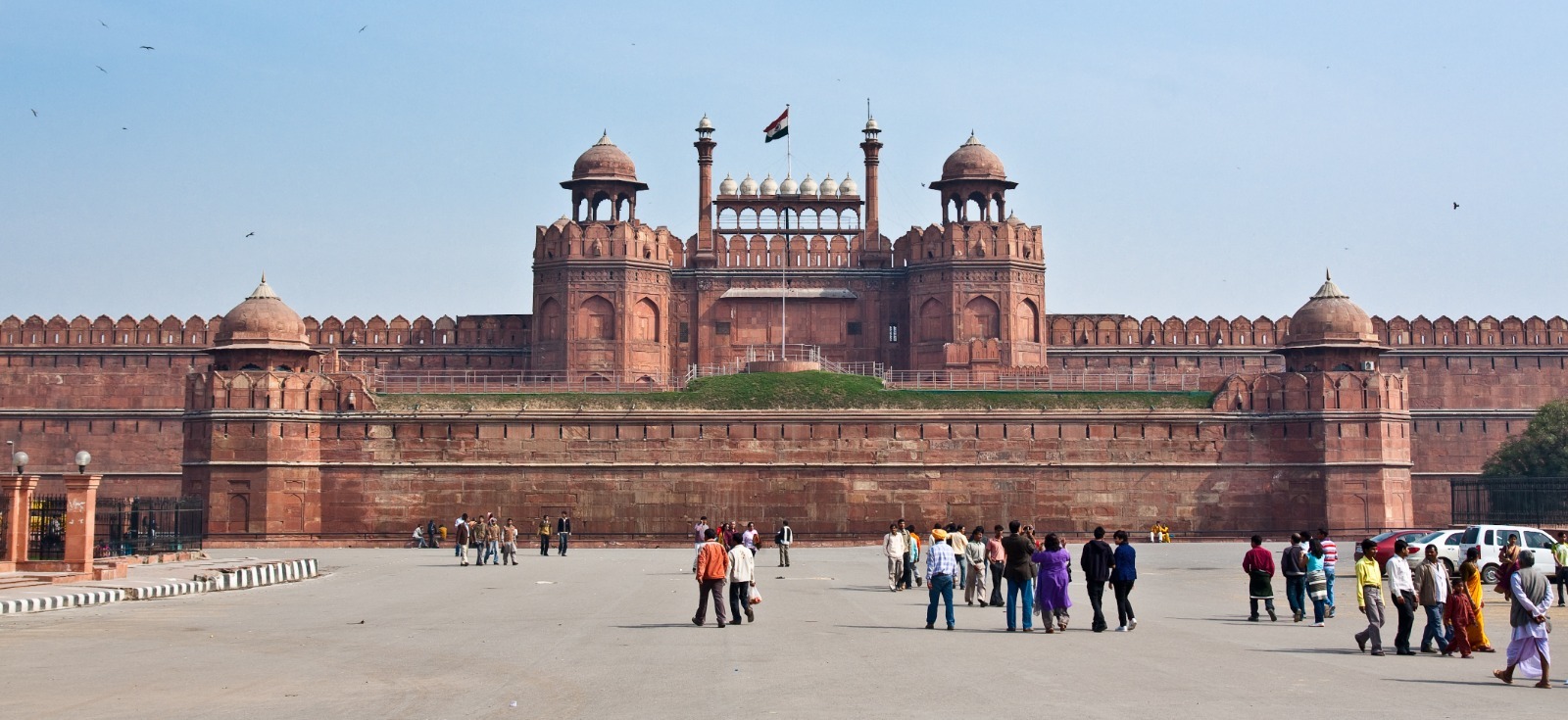
The Red Fort in Delhi was built by Shah Jahan. It became the main residence of Mughal emperors.
Agra Fort
The Agra Fort was developed by Akbar. It served as a military base and royal palace.
Fatehpur Sikri
The Fatehpur Sikri was built by Akbar as his capital for some years.
Jama Masjid
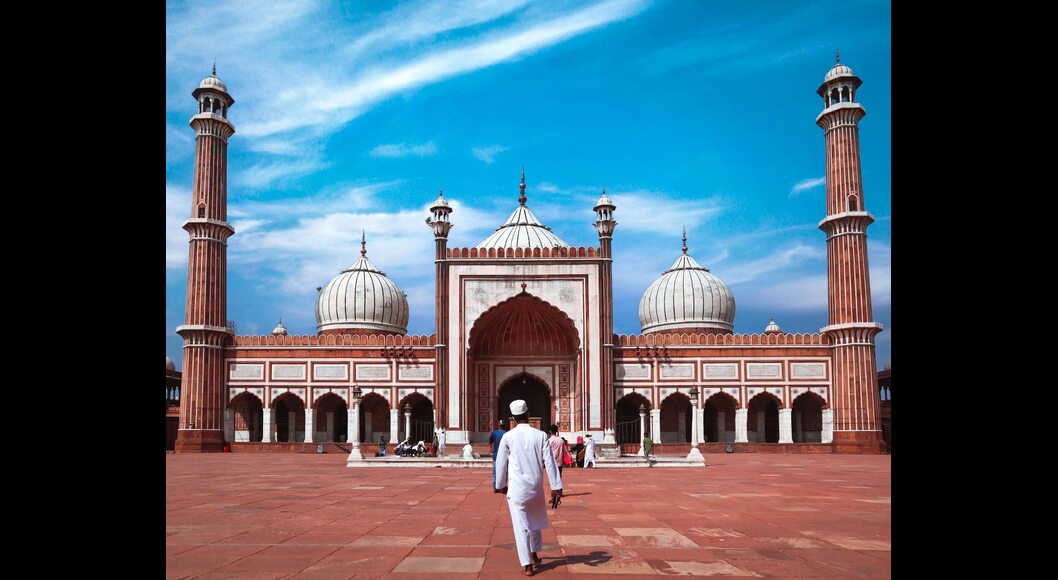
The Jama Masjid in Delhi is one of the largest mosques in India, built by Shah Jahan.
Administration of the Mughal Empire in India
The Mughal Empire had a strong administrative system.
- The empire was divided into provinces called Subahs.
- Each province was ruled by a Subadar (governor).
- Land was carefully measured for fair tax collection.
- Standard coins like rupee and dam were used.
- Roads and trade routes were improved.
Because of strong administration, India became one of the richest regions in the world during the 16th and 17th centuries.
Society and Culture
The Mughal Empire in India promoted a rich cultural life.
- Persian art mixed with Indian traditions.
- Mughal miniature paintings became famous.
- Literature grew in Persian, Hindi, and Urdu.
- Mughlai food became popular.
- Beautiful gardens with water fountains were introduced.
Cities like Delhi, Agra, Lahore, and Dhaka became major centers of trade and culture.
List of Mughal Emperors and Their Contributions
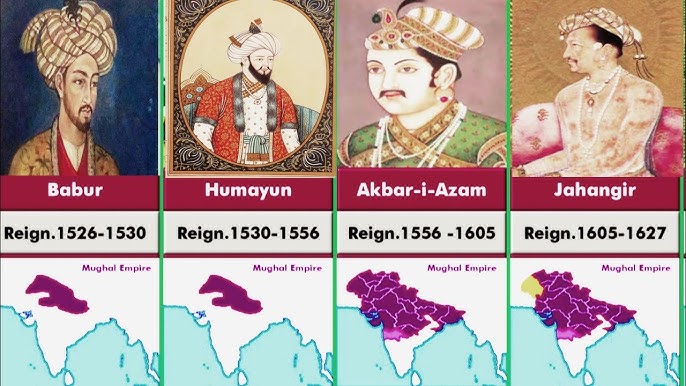
Babur (1526–1530)
Founder of the Mughal Empire in India. Won the First Battle of Panipat and established Mughal rule.
Humayun (1530–1540, 1555–1556)
Lost the empire to Sher Shah Suri but regained it after years of exile. He restored Mughal power before his death.
Akbar (1556–1605)
One of the greatest rulers in Indian history.
- Defeated Hemu in the Second Battle of Panipat
- Expanded the empire
- Abolished Jizya tax
- Promoted religious tolerance
- Started Din-i-Ilahi
Akbar made the Mughal Empire in India strong and stable.
Jahangir (1605–1627)
Encouraged art and painting. Maintained political stability.
Shah Jahan (1628–1658)
Known for grand architecture like the Taj Mahal and Red Fort. His rule is called the golden age of Mughal architecture.
Aurangzeb (1658–1707)
The last powerful Mughal emperor.
- Expanded the empire to its largest size
- Reintroduced Jizya tax
- Fought long wars in the Deccan
After his death, the empire began to weaken.
Later Mughal Rulers
After Aurangzeb, the Mughal Empire in India started declining.
- Bahadur Shah I
- Jahandar Shah
- Farrukhsiyar
- Muhammad Shah
- Ahmad Shah Bahadur
- Alamgir II
- Shah Alam II
- Akbar Shah II
- Bahadur Shah II
Most of these rulers were weak and controlled by nobles or foreign powers.
Decline of the Mughal Empire in India
Several reasons caused the fall of the Mughal Empire:
- Weak rulers after Aurangzeb
- Court conspiracies
- Rise of regional powers like Marathas and Sikhs
- Economic problems
- Foreign invasions like Nadir Shah
- Rise of European powers, especially the British
Gradually, the empire lost its strength.
End of the Mughal Empire in India
In 1857, Indian soldiers revolted against British rule. This event is known as the Revolt of 1857.
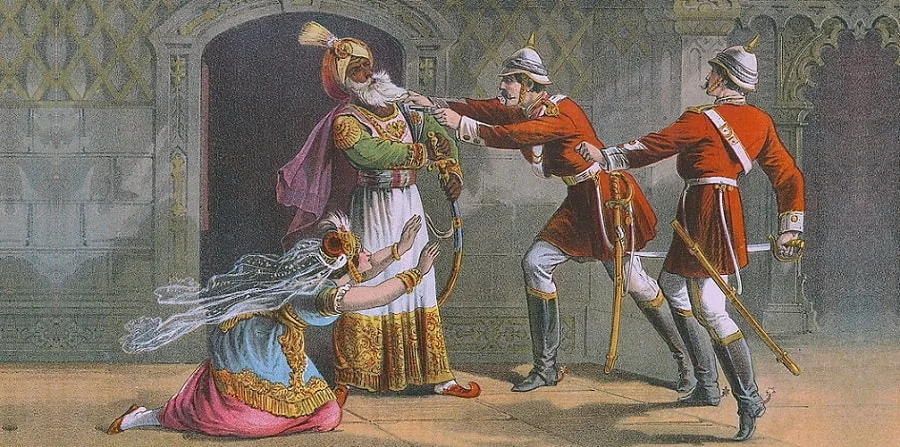
The last Mughal emperor, Bahadur Shah Zafar, supported the rebellion. After the revolt failed, the British captured him and sent him to Burma (Myanmar). With this, the Mughal Empire in India officially ended in 1857.
Legacy of the Mughal Empire in India
Even after its fall, the Mughal Empire left a deep impact on India.
Cultural Contributions
- Growth of Hindustani language
- Mughlai cuisine
- Development of music and poetry
- Garden designs
Architectural Wonders
Monuments like the Taj Mahal and Red Fort remain symbols of India’s heritage.
Administrative Influence
Many systems of land revenue and governance influenced later governments, including the British.
Conclusion
The Mughal Empire in India was one of the most powerful and influential dynasties in Indian history. From Babur’s victory in 1526 to the fall of Bahadur Shah Zafar in 1857, the empire saw periods of great power, cultural brilliance, and eventual decline.
Its legacy still lives in India’s monuments, food, language, music, and traditions. For students and history lovers, understanding the Mughal Empire in India is very important to understand how modern India developed.
The story of the Mughal Empire teaches us about leadership, culture, unity, conflict, and change. It remains a major chapter in India’s rich history.
FAQs on Mughal Empire in India
1. Who founded the Mughal Empire in India?
The Mughal Empire in India was founded by Babur in 1526 after defeating Ibrahim Lodi in the First Battle of Panipat.
2. How long did the Mughal Empire rule India?
The Mughal Empire ruled India for about 331 years, from 1526 to 1857.
3. Who was the greatest Mughal emperor?
Akbar is considered the greatest Mughal emperor because of his strong administration, military success, and religious tolerance.
4. Who built the Taj Mahal?
The Taj Mahal was built by Shah Jahan in memory of his wife Mumtaz Mahal.
5. Who was the last Mughal emperor?
Bahadur Shah Zafar was the last Mughal emperor. He was exiled after the Revolt of 1857.
6. Why did the Mughal Empire decline?
The Mughal Empire declined due to weak rulers, internal conflicts, economic problems, regional revolts, and the rise of British power.
7. What was the main source of income for the Mughal Empire?
The main source of income was land revenue collected from farmers.
8. What language was used in the Mughal court?
Persian was the official court language of the Mughal Empire.
9. What are some famous monuments built during the Mughal period?
Famous monuments include the Taj Mahal, Red Fort, Agra Fort, Jama Masjid, and Fatehpur Sikri.
10. What was the Revolt of 1857’s role in ending the Mughal Empire?
After the Revolt of 1857 failed, the British removed Bahadur Shah Zafar from power and officially ended the Mughal Empire.