


Gopal Krishna Gokhale: Early Life, Education, and His Role in India’s Freedom Struggle

Gopal Krishna Gokhale’s Early Life and Education
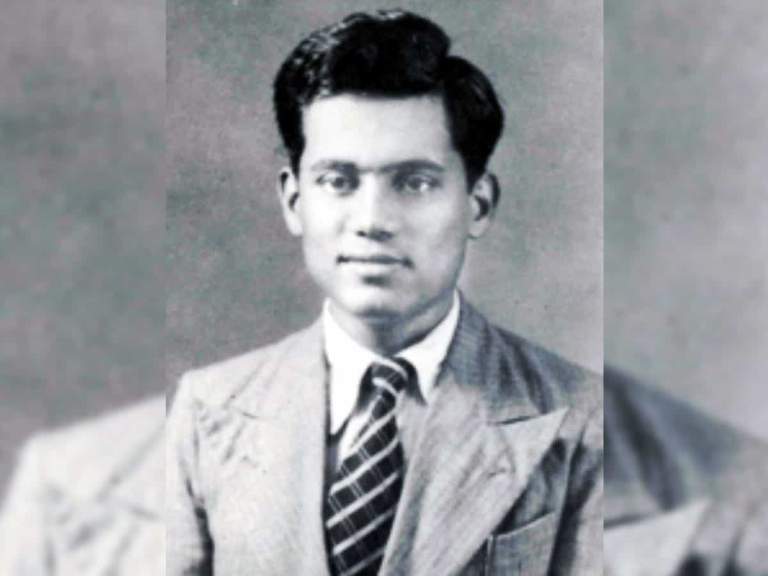
Gopal Krishna Gokhale was born on May 9, 1866, in the village of Kotluk in Ratnagiri district, Maharashtra. He belonged to a Chitpavan Brahmin family of modest means, yet his upbringing was rooted in values of discipline and education. Despite financial struggles, his family ensured that he received proper schooling, which laid the foundation for his future achievements.
Early Education
Gokhale began his formal education at Rajaram High School in Kolhapur. His brilliance as a student soon became evident, and he earned a scholarship that enabled him to continue his studies in Bombay (now Mumbai).

Higher Education at Elphinstone College
At the age of 18, Gokhale entered Elphinstone College, where he completed his graduation in 1884. He was among the earliest Indians to benefit from the modern university system introduced during the British rule. During this period, he immersed himself in the study of Western political thought and philosophy, drawing inspiration from thinkers like John Stuart Mill and Edmund Burke. These ideas left a deep impression on him and shaped his approach to politics and governance in the years to come.
Influence of Mahadev Govind Ranade
One of the most significant influences in Gokhale’s life was Justice Mahadev Govind Ranade, a renowned reformer and intellectual of the time. Under Ranade’s mentorship, Gokhale developed a strong commitment to social reform, justice, and national service. He often described himself as Ranade’s “Manas Putra” (spiritual son), highlighting the profound impact Ranade had on his intellectual and moral outlook.
Gopal Krishna Gokhale and Deccan Education Society
Gopal Krishna Gokhale was deeply committed to education as a tool for social and national development. In 1884, he became associated with the Deccan Education Society, an organization founded by prominent educationists including Bal Gangadhar Tilak and Vishnushastri Chiplunkar. The Society aimed to promote national education and instill a sense of civic responsibility among Indian youth.
Gokhale played a pivotal role in shaping the Society’s vision and curriculum. He believed that education should not only impart knowledge but also cultivate moral character, social awareness, and leadership qualities. Under his guidance, the Deccan Education Society established several schools and colleges that emphasized a balanced blend of modern scientific education and Indian cultural values.
His work with the Society also allowed him to mentor young students who later became influential leaders in India’s social and political landscape. Gokhale’s emphasis on ethical education, civic duty, and selfless service became a hallmark of his philosophy, reinforcing his belief that a well-educated populace was essential for India’s progress and eventual independence.
Gopal Krishna Gokhale’s Political Career and Achievements
Gopal Krishna Gokhale was a central figure in the Indian political landscape during the late 19th and early 20th centuries. He emerged as a moderate leader in the Indian National Congress, advocating for gradual reforms, dialogue, and constitutional methods to achieve political and social change.
Entry into Politics
Gokhale’s political journey began with his involvement in local governance and social organizations, where he championed the cause of education, social reforms, and public welfare. His ability to articulate issues with clarity and diplomacy soon brought him recognition within the Indian National Congress.
Role in Indian National Congress
He was a founding member of the Congress’s moderate faction, which sought to work within the framework of British colonial administration to secure political concessions. Gokhale emphasized the importance of legal and constitutional means, believing that progress could be achieved through petitions, debates, and constructive criticism rather than confrontation.
Key Achievements
- Gokhale was elected to the Imperial Legislative Council, where he tirelessly worked to address issues like poverty, education, and administrative reforms.
- He played a significant role in the development of local self-governance, advocating for greater participation of Indians in municipal administration.
- His advocacy for economic reforms included efforts to reduce taxes on the peasantry and promote industrial and agricultural development.
Gokhale’s political approach was characterized by moderation, patience, and a steadfast commitment to the welfare of the people. His ability to balance diplomacy with advocacy made him a respected leader among both Indians and the British authorities.
Gopal Krishna Gokhale’s Role in Social Reforms
Gopal Krishna Gokhale was not only a political leader but also a dedicated social reformer who sought to improve Indian society through education, moral development, and social justice. He believed that true national progress could only be achieved when social reforms complemented political efforts.
Focus on Education
Gokhale placed immense importance on education as a tool for empowerment. He worked to expand access to quality education, particularly for the underprivileged, and promoted curriculum reforms that combined modern scientific knowledge with Indian cultural values.
Advocacy for Social Justice
He actively campaigned against social evils such as caste discrimination and untouchability. Gokhale encouraged inclusivity and equal opportunities for all sections of society, emphasizing the need for ethical conduct, compassion, and civic responsibility.
Support for Economic Welfare
Understanding the hardships faced by common people, he advocated policies to alleviate poverty, reduce taxes on peasants, and improve rural livelihoods. Gokhale consistently stressed the link between social welfare and national development, arguing that a society’s progress depended on the well-being of its weakest members.
Influence on Reform Movements
Through his speeches, writings, and legislative work, Gokhale inspired a generation of leaders and social activists to adopt constructive methods for reform. His approach combined moderation with effectiveness, earning him respect as a visionary reformer who sought tangible improvements in the lives of ordinary Indians.
Gopal Krishna Gokhale’s Influence on Mahatma Gandhi
Gopal Krishna Gokhale played a crucial role in shaping the early political thinking of Mahatma Gandhi. When Gandhi returned to India from South Africa in 1915, he sought guidance from Gokhale, who was already a respected leader and mentor in the Indian National Congress.
Mentor and Guide
Gokhale’s philosophy of moderate, non-confrontational politics deeply influenced Gandhi’s approach to social and political change. He emphasized the importance of truth, ethical leadership, and working within legal frameworks to achieve reform. This guidance helped Gandhi refine his own methods of advocacy and civil engagement.
Emphasis on Social Welfare
Gokhale instilled in Gandhi the belief that political freedom and social justice were intertwined. He encouraged efforts to uplift the poor, promote education, and eliminate social injustices, which later became central pillars of Gandhi’s work in India.
Legacy of Mentorship
Although Gokhale passed away in 1915, shortly after Gandhi’s return, his teachings left a lasting impression. Gandhi often referred to Gokhale as his political guru, acknowledging the profound impact of Gokhale’s vision, principles, and dedication to serving the nation through moral and constructive means.
Gopal Krishna Gokhale’s Key Literary Contributions
Gopal Krishna Gokhale was a prolific writer whose literary works reflected his commitment to social reform, education, and national progress. Through his writings, he sought to enlighten the public, encourage rational thinking, and promote ethical values.
Newspapers and Journals
Gokhale actively contributed to newspapers and journals, where he discussed issues such as governance, social reforms, and economic development. His articles were known for their clarity, logical reasoning, and persuasive arguments, which helped shape public opinion and raise awareness on critical issues.
Books and Essays
He authored several essays and pamphlets focusing on education, social justice, and civic responsibility. These writings provided insights into his philosophy of gradual reform, the importance of moral leadership, and the role of citizens in nation-building.
Advocacy Through Writing
Gokhale’s literary contributions were not limited to theoretical discussions; they also served as practical guides for societal improvement. He emphasized the need for ethical conduct, education for all, and active participation in governance, thereby leaving a lasting intellectual legacy.
Through his writings, Gokhale inspired generations of leaders, reformers, and thinkers, reinforcing the idea that meaningful change in society begins with informed and conscious citizens.
Gopal Krishna Gokhale: Death and Legacy
Gopal Krishna Gokhale passed away on February 19, 1915, at the age of 48, leaving behind a remarkable legacy in Indian politics, education, and social reform. Despite his relatively short life, his contributions had a profound and lasting impact on the nation.
Legacy in Politics
Gokhale is remembered as a moderate leader who believed in dialogue, constitutional methods, and constructive reforms. His efforts in the Indian National Congress laid the groundwork for future leaders and demonstrated that principled, ethical politics could bring meaningful change.
Contributions to Education and Social Reform
Through his work with the Deccan Education Society and other initiatives, Gokhale promoted education as a means of empowerment and social upliftment. His advocacy for social justice, equality, and the welfare of the common people set a benchmark for future reformers.
Influence on Future Generations
Gokhale’s mentorship of leaders like Mahatma Gandhi ensured that his ideas continued to shape India’s struggle for independence. His belief in moderation, moral leadership, and service to the nation inspired countless individuals to pursue social and political reform through ethical and non-violent means.
Gopal Krishna Gokhale remains a symbol of wisdom, integrity, and dedication, remembered as one of the foremost architects of India’s path toward self-governance and social progress.
Conclusion
Gopal Krishna Gokhale was a visionary leader whose life embodied dedication, intellect, and moral integrity. As a social reformer, educator, and politician, he championed the causes of education, social justice, and ethical governance. His moderate approach to politics, emphasis on constructive reforms, and mentorship of future leaders like Mahatma Gandhi left an enduring mark on India’s journey toward independence.
Through his writings, public service, and efforts to uplift society, Gokhale demonstrated that meaningful change is rooted in knowledge, compassion, and principled action. His legacy continues to inspire generations, reminding us that true leadership combines vision with service, and reform with humanity.
Must-Read Related Articles:
Remembering Dr. A.P.J. Abdul Kalam: The People’s President Who Dreamt Big for India
Amir Khusrau and His Artistic Legacy
Tarun Ram Phookan: Celebrating 148 Years of Assam’s Legendary Deshbhakta
Bhupen Hazarika: The Legendary Voice of Assam
Frequently Asked Questions on Gopal Krishna Gokhale
1. Who was Gopal Krishna Gokhale?
Gopal Krishna Gokhale was an Indian social reformer, educationist, and moderate political leader who played a crucial role in India’s early struggle for independence.
2. When and where was Gopal Krishna Gokhale born?
He was born on May 9, 1866, in Kotluk village, Ratnagiri district, Maharashtra.
3. What was Gokhale’s contribution to education?
Gokhale promoted education through the Deccan Education Society, emphasizing modern learning combined with Indian cultural values and moral development.
4. How did Gokhale influence Mahatma Gandhi?
Gokhale mentored Gandhi, guiding him in ethical leadership, social welfare, and the use of non-confrontational, constitutional methods for reform.
5. What were Gokhale’s key political achievements?
He was a moderate leader in the Indian National Congress, advocated for constitutional reforms, worked on poverty alleviation, and supported local self-governance initiatives.
6. When did Gopal Krishna Gokhale die?
He passed away on February 19, 1915, leaving a lasting legacy in politics, education, and social reform.
7. What is Gokhale’s lasting legacy?
Gokhale is remembered for his ethical leadership, commitment to social reform, promotion of education, and mentorship of future leaders, significantly influencing India’s path to independence.