

Govind Vallabh Pant: Life, Contributions and Role in India’s Freedom Struggle

Govind Vallabh Pant, freedom fighter and India’s first Home Minister, played a key role in independence, social reforms, and shaping modern India.
About Govind Vallabh Pant
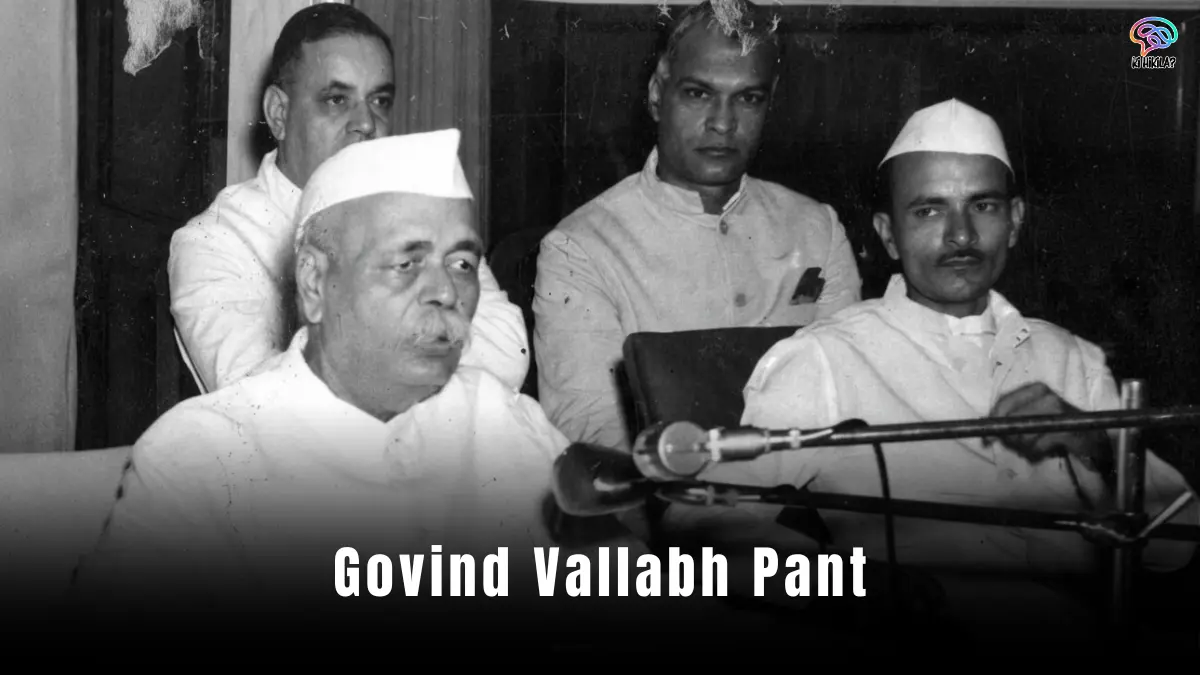
Govind Vallabh Pant was a prominent Indian freedom fighter, visionary statesman, and social reformer, known for his pivotal role in India’s independence movement and as the first Home Minister of independent India. His contributions spanned from grassroots activism in Uttarakhand to national leadership, where he helped lay the foundations of modern India.

| Attribute | Details |
|---|
| Full Name | Govind Vallabh Pant |
| Date of Birth | September 10, 1887 |
| Place of Birth | Khoont, Almora, United Provinces (now Uttarakhand), India |
| Date of Death | March 7, 1961 |
| Education | Allahabad University |
| Profession | Lawyer, Politician |
| Political Party | Indian National Congress |
| Key Positions Held | First Chief Minister of Uttar Pradesh (1950–1954), Union Home Minister (1955–1961) |
| Major Contributions | Abolition of Zamindari, Promotion of Hindi, Integration of States, Social reforms |
| Awards | Bharat Ratna (1957) |
Born into a Karhade Brahmin family in the hills of Almora, Pant was deeply influenced by values of education, discipline, and public service. After completing his education at Allahabad University, he became a lawyer, but his strong sense of justice and nationalism soon led him to join the freedom struggle.
Pant actively challenged oppressive British policies, including the ‘coolie begar’ system, which forced labor upon peasants without compensation. He also founded the Kumaon Parishad in 1916, a regional political organization that later merged with the Indian National Congress, mobilizing support for India’s independence at the grassroots level.
He participated in major movements such as the Civil Disobedience Movement, Salt March, and Quit India Movement, facing imprisonment multiple times for his steadfast opposition to British rule. His courage and leadership earned him respect across India and established him as a key figure in the freedom struggle.
After independence, Pant became the first Chief Minister of Uttar Pradesh. He implemented progressive reforms, including the abolition of the zamindari system, promotion of Hindi as the official state language, and initiatives for land redistribution and women’s empowerment. Later, as the Union Home Minister, he played a crucial role in integrating princely states into India and strengthening internal security, leaving a lasting impact on the nation’s political and administrative structure.
Govind Vallabh Pant’s life reflects a blend of courage, vision, and dedication, making him a symbol of India’s struggle for independence and its path to becoming a unified, modern nation. His achievements continue to inspire leaders and citizens alike, embodying the principles of justice, equality, and nation-building.
Conclusion
Govind Vallabh Pant was a visionary leader, fearless freedom fighter, and transformative statesman whose life shaped modern India. From his early activism in the Kumaon region to his role as the first Chief Minister of Uttar Pradesh and Union Home Minister, Pant’s contributions were pivotal in both the freedom struggle and the nation-building process.
His efforts in abolishing the zamindari system, promoting Hindi, implementing social reforms, and integrating princely states ensured that India emerged as a unified, democratic, and progressive nation. Pant’s dedication to public service, courage in challenging injustice, and strategic leadership continue to inspire generations.
Remembered as a trailblazer of integrity and vision, Govind Vallabh Pant’s legacy is a reminder that leadership rooted in justice, equality, and nation-building can leave an enduring mark on history. His life is celebrated not only for the freedom he fought for but also for the social and political reforms that continue to impact India today.
Must-Read Related Articles:
Gopal Krishna Gokhale: Early Life, Education, and His Role in India’s Freedom Struggle
Jayshree Vencatesan: India’s First Ramsar Wise Use Award Winner for Wetlands
Veer Baburao Pullesur Shedmake: The Forgotten Tribal Hero of 1857
Sir Shankaran Nair: The Courageous Jurist Who Challenged the British Over Jallianwala Bagh
Frequently Asked Questions on Govind Vallabh Pant
Q1. Who was Govind Vallabh Pant?
A: Govind Vallabh Pant was a freedom fighter, social reformer, and India’s first Home Minister. He played a key role in India’s independence and post-independence nation-building.
Q2. When and where was Govind Vallabh Pant born?
A: He was born on September 10, 1887, in Khoont, Almora, in present-day Uttarakhand.
Q3. What was Govind Vallabh Pant’s role in India’s freedom struggle?
A: Pant actively participated in movements like the Civil Disobedience Movement, Salt March, and Quit India Movement, and founded the Kumaon Parishad to mobilize regional support against British rule.
Q4. Which political positions did Govind Vallabh Pant hold?
A: He was the first Chief Minister of Uttar Pradesh (1950–1954) and later served as Union Home Minister (1955–1961).
Q5. What were some key reforms implemented by Govind Vallabh Pant?
A: Pant implemented reforms including abolition of zamindari, promotion of Hindi, land redistribution, women’s empowerment, and integration of princely states.
Q6. When did Govind Vallabh Pant die?
A: He passed away on March 7, 1961 at the age of 73.
Q7. What is Govind Vallabh Pant remembered for?
A: He is remembered for his courage, vision, and transformative leadership, both during the freedom struggle and as a statesman in independent India.
Q8. Did Govind Vallabh Pant receive any awards?
A: Yes, he was awarded the Bharat Ratna in 1957 in recognition of his outstanding contributions to India.
Q9. What was the Kumaon Parishad?
A: The Kumaon Parishad was a regional political organization founded by Pant in 1916 to address local issues and mobilize support for India’s independence.
Q10. Why is Govind Vallabh Pant important for India’s history?
A: He played a pivotal role in India’s independence, social reforms, state governance, and integration of princely states, shaping the country’s political and administrative foundations.