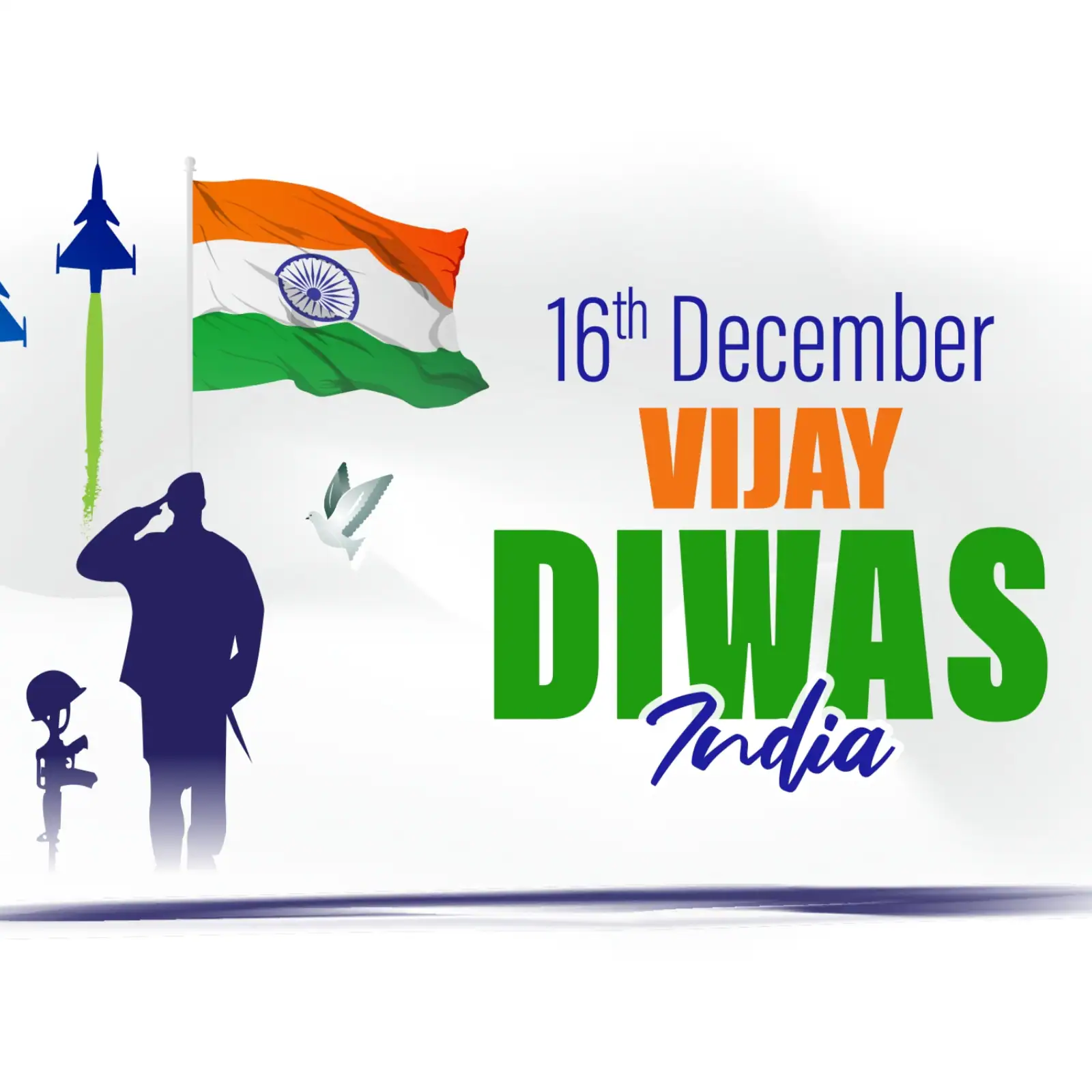
Vijay Diwas: India’s Victory Day

Vijay Diwas is one of the most important national days observed in India. It is a day that reminds every Indian of bravery, sacrifice, and victory. Vijay Diwas is celebrated every year on 16 December to honour the historic win of the Indian Armed Forces over Pakistan in the 1971 Indo-Pakistan War. This victory led to the creation of a new nation, Bangladesh, and changed the map of South Asia forever.
Thank you for reading this post, don't forget to subscribe!Introduction to Vijay Diwas
Vijay Diwas honours the courage of the Indian soldiers who fought in the 1971 war. This war lasted for only 13 days but became one of the most decisive military victories in world history. On 16 December 1971, the Pakistani Army in East Pakistan surrendered to the Indian Army along with the Mukti Bahini forces. More than 93,000 Pakistani soldiers surrendered, making it the largest military surrender after World War II.
Vijay Diwas not only celebrates military success but also reminds us of India’s commitment to peace, humanity, and justice. It is a day to remember the people who fought for freedom in Bangladesh, the Indian soldiers who laid down their lives, and the spirit of unity that shaped South Asia.
Historical Background of the 1971 War
To understand the true meaning of Vijay Diwas, we must look at the events that took place before the war.
1. The Creation of Pakistan and Internal Conflicts
After India gained independence in 1947, Pakistan was formed as a separate country. It had two regions:
- West Pakistan (present-day Pakistan)
- East Pakistan (present-day Bangladesh)
These two regions were separated by more than 1,600 kilometres of Indian territory. They had different cultures, languages, and lifestyles.
While most political power stayed in West Pakistan, the people of East Pakistan often felt ignored, mistreated, and discriminated against. The majority of Pakistan’s population lived in the east, but the west controlled the government, the military, and the economy.
2. Language Discrimination
In 1948, the government of Pakistan declared Urdu as the only national language. This angered the people of East Pakistan, whose mother tongue was Bengali. Protests grew throughout the east, and many people were killed during the language movement.
3. Political Crisis and the 1970 Elections
In 1970, Pakistan held its first democratic elections. The Awami League from East Pakistan, led by Sheikh Mujibur Rahman, won the majority. This meant the government should have been formed by East Pakistan leaders.
But the leadership in West Pakistan refused to transfer power. This caused massive protests and complete unrest throughout East Pakistan.
4. Operation Searchlight and Genocide
On 25 March 1971, the Pakistani military started a brutal crackdown called Operation Searchlight. They attacked students, teachers, intellectuals, and civilians. Thousands were killed, and millions fled to India to save their lives. Women were tortured, villages were burned, and the world watched a humanitarian crisis unfold.
India sheltered nearly 10 million refugees, putting enormous pressure on the country’s economy, resources, and security.
India’s Decision to Intervene
India did not join the war immediately. First, the government tried to find a peaceful solution through diplomacy. But Pakistan refused to end the violence or accept negotiation.
The large number of refugees entering India created economic and social problems. Prime Minister Indira Gandhi visited several countries to gain global support against Pakistani atrocities.
When Pakistan launched air attacks on Indian air bases on 3 December 1971, India had no choice but to act. This officially marked the beginning of the 1971 Indo-Pakistan War.
The Course of the 1971 War
The war was fought on two fronts: Western and Eastern sectors. But the decisive action happened in the east.
1. Indian Military Strategy
India’s military strategy was smart, fast, and effective. The Army, Navy, and Air Force worked together with perfect coordination. Indian forces and Mukti Bahini (Bangladeshi liberation fighters) attacked from multiple directions, isolating the Pakistani troops.
2. Key Battles
Some major battles include:
- Battle of Longewala
Indian soldiers, although heavily outnumbered, defended their post bravely and halted Pakistan’s advance. - Battle of Hilli and Bogra
These battles helped Indian troops advance quickly into East Pakistan. - Meghna Heli Bridge Operation
One of the most remarkable operations where the Indian Army used helicopters to cross the Meghna River, surprising Pakistani forces.
3. Indian Navy’s Impact
The Indian Navy blocked Pakistani sea routes.
Operation Trident and Operation Python destroyed key Pakistani naval bases in Karachi.
4. Indian Air Force’s Role
The IAF achieved air superiority within the first few days. This made it easier for ground troops to advance.
Surrender on 16 December 1971
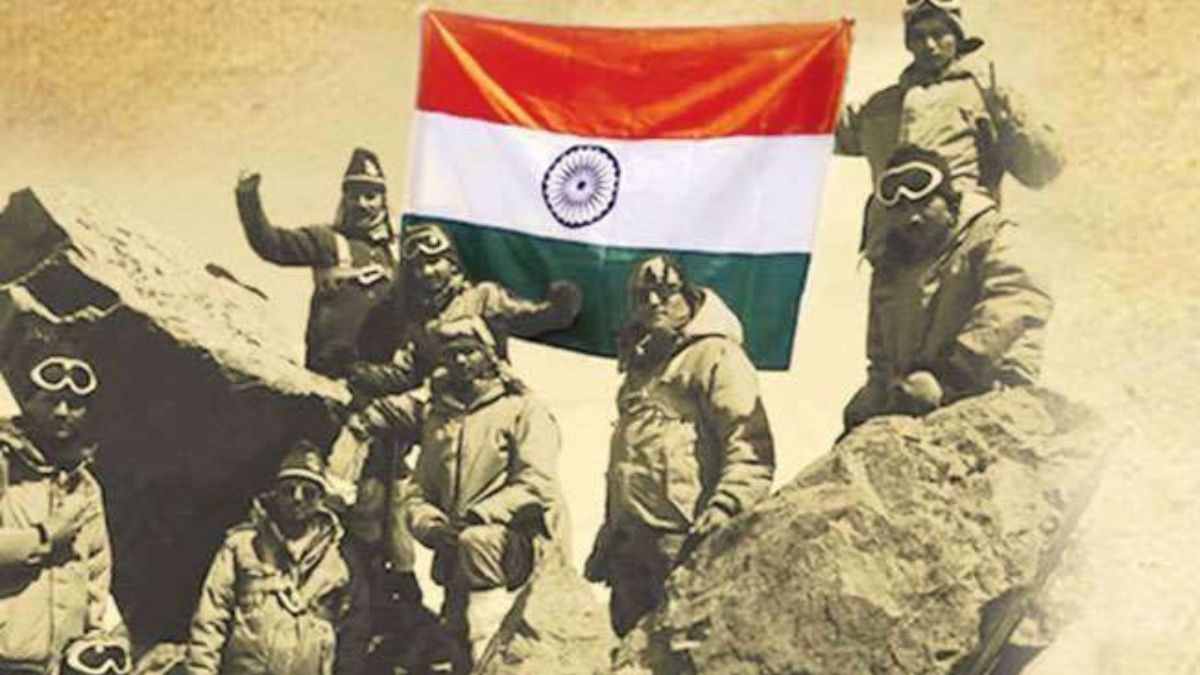
The war lasted only 13 days. On 16 December 1971, Pakistan’s Eastern Command signed the Instrument of Surrender in Dhaka.
Lieutenant General A.A.K. Niazi of Pakistan surrendered to Lieutenant General Jagjit Singh Aurora of India.
More than 93,000 Pakistani soldiers surrendered, marking one of the largest military capitulations in history.
This moment is remembered as the historic beginning of Bangladesh.
Heroes of the 1971 War
India honours many brave soldiers and leaders who played a major role in the victory. Some of the most notable heroes include:
1. Field Marshal Sam Manekshaw
The Chief of the Indian Army Staff. His leadership, planning, and confidence guided India to victory.
2. Lt. Gen. Jagjit Singh Aurora
Commander of the Eastern Command who led operations in East Pakistan.
3. Major General Inder Gill
Known for his strategic brilliance.
4. Air Chief Marshal P.C. Lal
Played a key role in the Air Force’s success.
5. Vice Admiral N. Krishnan
Helped create a powerful naval blockade.
6. Mukti Bahini Heroes
Freedom fighters of Bangladesh who fought courageously alongside India.
Stories of Bravery
Flying Officer Nirmal Jit Singh Sekhon
He fought bravely against enemy jets and received the Param Vir Chakra.
Lance Naik Albert Ekka
He sacrificed his life to destroy enemy bunkers and earned the Param Vir Chakra.
Major Hoshiar Singh
A fearless warrior who fought in the Shakargarh sector.
These stories show that victory did not come easily; it came through extreme courage and sacrifice.
Humanitarian Aspect and India’s Role
Vijay Diwas is not just about military power. It is also about India’s commitment to humanity.
India supported the people of East Pakistan not for land or power but because they were facing violence and injustice. India opened its borders to refugees and provided them shelter and safety.
India helped establish Bangladesh as an independent nation and supported its reconstruction.
This reflects India’s values: peace, freedom, and respect for human rights.
Birth of Bangladesh
The greatest outcome of the 1971 war was the birth of Bangladesh. Sheikh Mujibur Rahman became the founding leader. India and Bangladesh have shared close cultural and political ties ever since.
International Reactions
Many countries expressed concern over the humanitarian crisis. India’s quick and decisive actions were appreciated worldwide.
The U.S. and China supported Pakistan but could not stop the Indian victory. The Soviet Union supported India through a historic Indo-Soviet Treaty.
The war changed global politics and strengthened India’s position in the world.
Celebration of Vijay Diwas in India
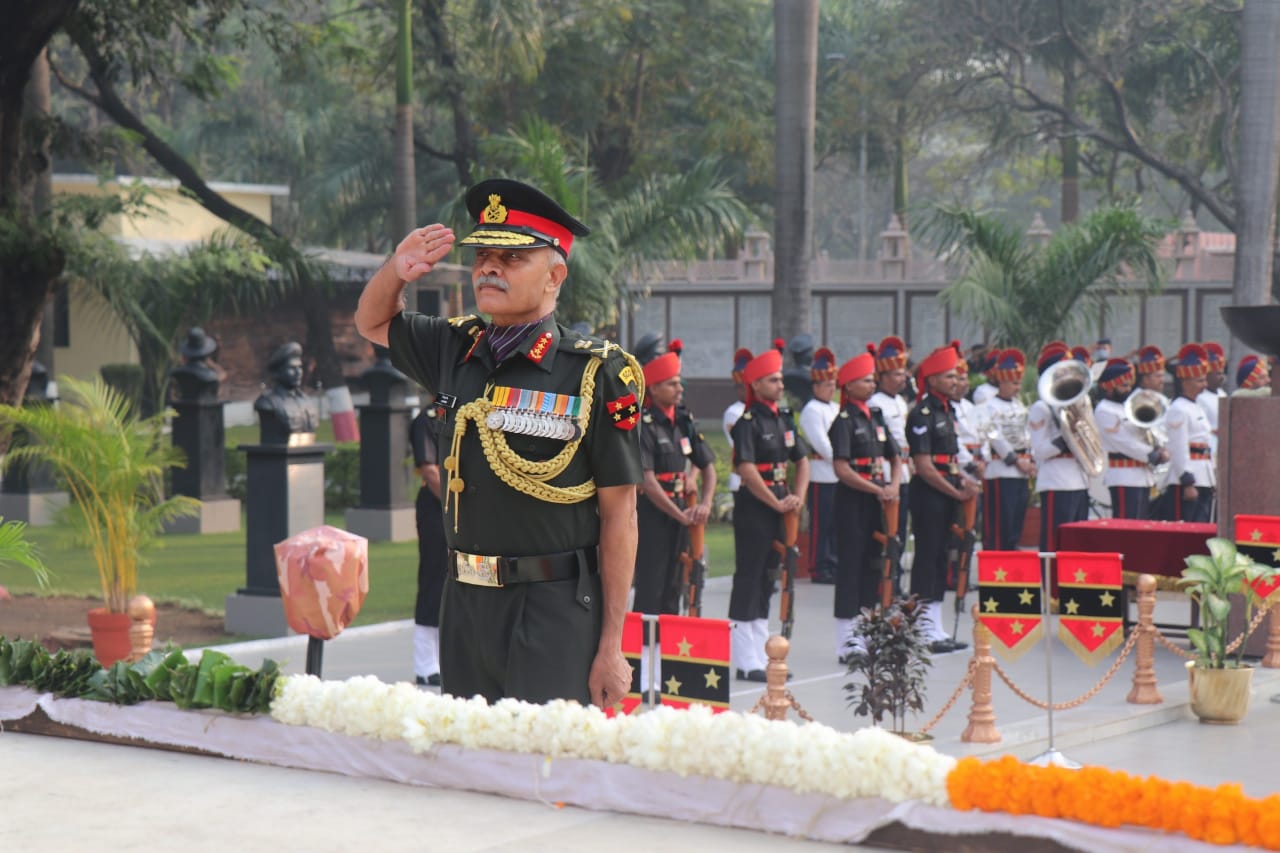
Every year, India celebrates Vijay Diwas with pride and respect.
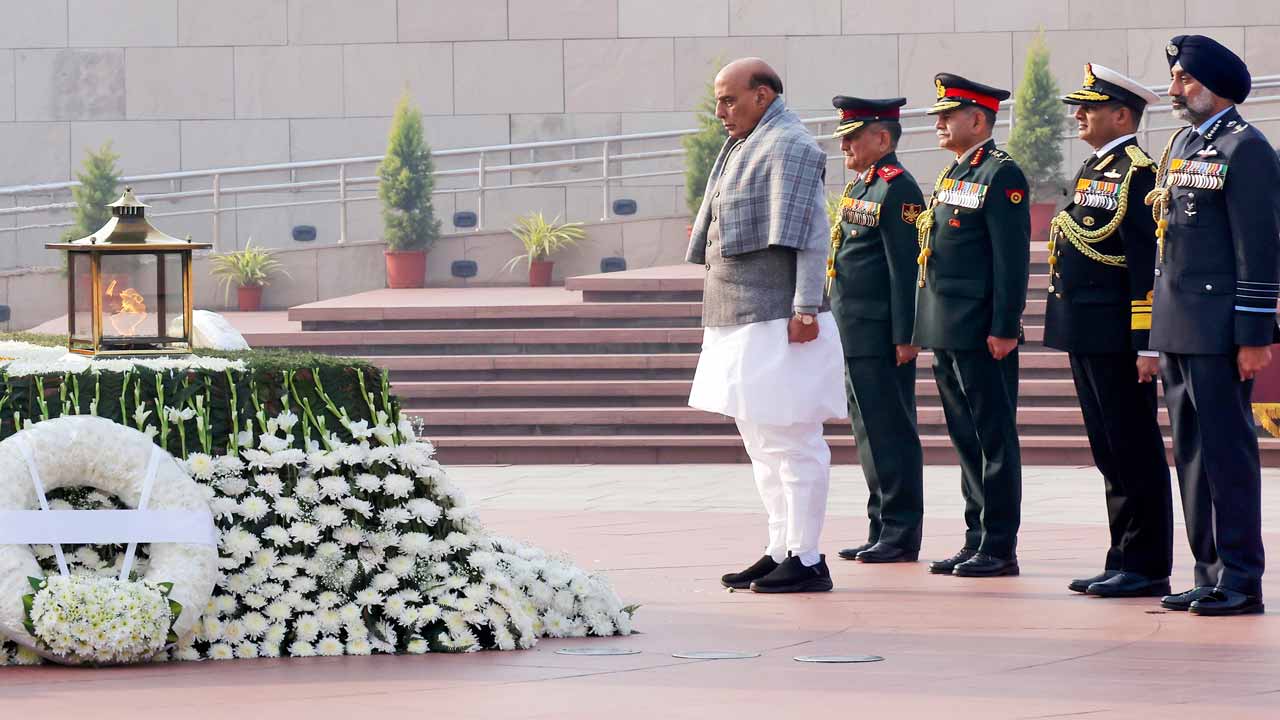
1. At National War Memorial, New Delhi
The Prime Minister, Defence Minister, and military leaders pay tribute to the martyrs.
2. Wreath-Laying Ceremonies
Across the country, the Army, Navy, and Air Force honour the brave soldiers.
3. Schools and Colleges
Students learn about the war, attend special programs, and show respect to war heroes.
4. Media and Documentaries
Films, news programs, and documentaries share stories of bravery.
5. Public Participation
People remember the martyrs on social media, attend events, and express gratitude.
Why Vijay Diwas Matters Today
Even after more than five decades, Vijay Diwas holds great importance.
1. To Honour the Martyrs
Many soldiers sacrificed their lives. Their bravery must never be forgotten.
2. To Teach the Value of Freedom
Freedom is precious and must be protected.
3. To Strengthen India–Bangladesh Friendship
The war created a bond that continues today.
4. To Inspire Future Generations
Young people learn about courage, leadership, and national unity.
Lessons from the 1971 War
1. Unity is Strength
When people stand together for justice, victory becomes possible.
2. Good Leadership Matters
The war proved the importance of confident and skilled leadership.
3. Humanity Comes First
India fought not just a military war but also a humanitarian one.
4. Peace Must Be Protected
War should always be the last option.
Long-Term Impact of the Victory
- Bangladesh became an independent country.
- India proved its strong defence capabilities.
- South Asia’s political structure changed.
- India’s international reputation improved.
- Military cooperation between India and Bangladesh increased.
Conclusion
Vijay Diwas is a symbol of India’s courage, strength, and humanity. It reminds us of the brave soldiers who fought to protect values of freedom and justice. It also highlights India’s role in supporting the creation of Bangladesh during a time of great suffering.
The 1971 victory is not just a chapter in history; it is a living story of sacrifice and pride. By celebrating Vijay Diwas every year, we honour the heroes, remember the lessons, and inspire future generations to stand for truth, peace, and compassion
FAQs
1. What is Vijay Diwas?
Vijay Diwas is observed on 16 December to celebrate India’s victory in the 1971 Indo-Pakistan War and to honor the soldiers who fought in it.
2. Why is Vijay Diwas important?
It marks the creation of Bangladesh and the largest military surrender since World War II, showing India’s strength and humanitarian values.
3. When is Vijay Diwas celebrated?
Every year on 16 December across India, especially at the National War Memorial in New Delhi.
4. Who surrendered in 1971?
Pakistani General A.A.K. Niazi surrendered with over 93,000 troops to Indian General Jagjit Singh Aurora.
5. What was the main cause of the 1971 war?
Mass atrocities and political oppression in East Pakistan forced millions of refugees into India, leading to India’s intervention.
6. How long did the 1971 war last?
The war lasted 13 days, making it one of the shortest and most decisive wars in history.