Every year on 14th September, India celebrates Hindi Diwas with great pride and respect. This special day is not just about remembering the adoption of Hindi as one of the official languages of the country, but also about recognizing the emotional bond that millions of people share with it. Hindi is not merely a medium of communication; it is a thread that connects generations, regions, and cultures.
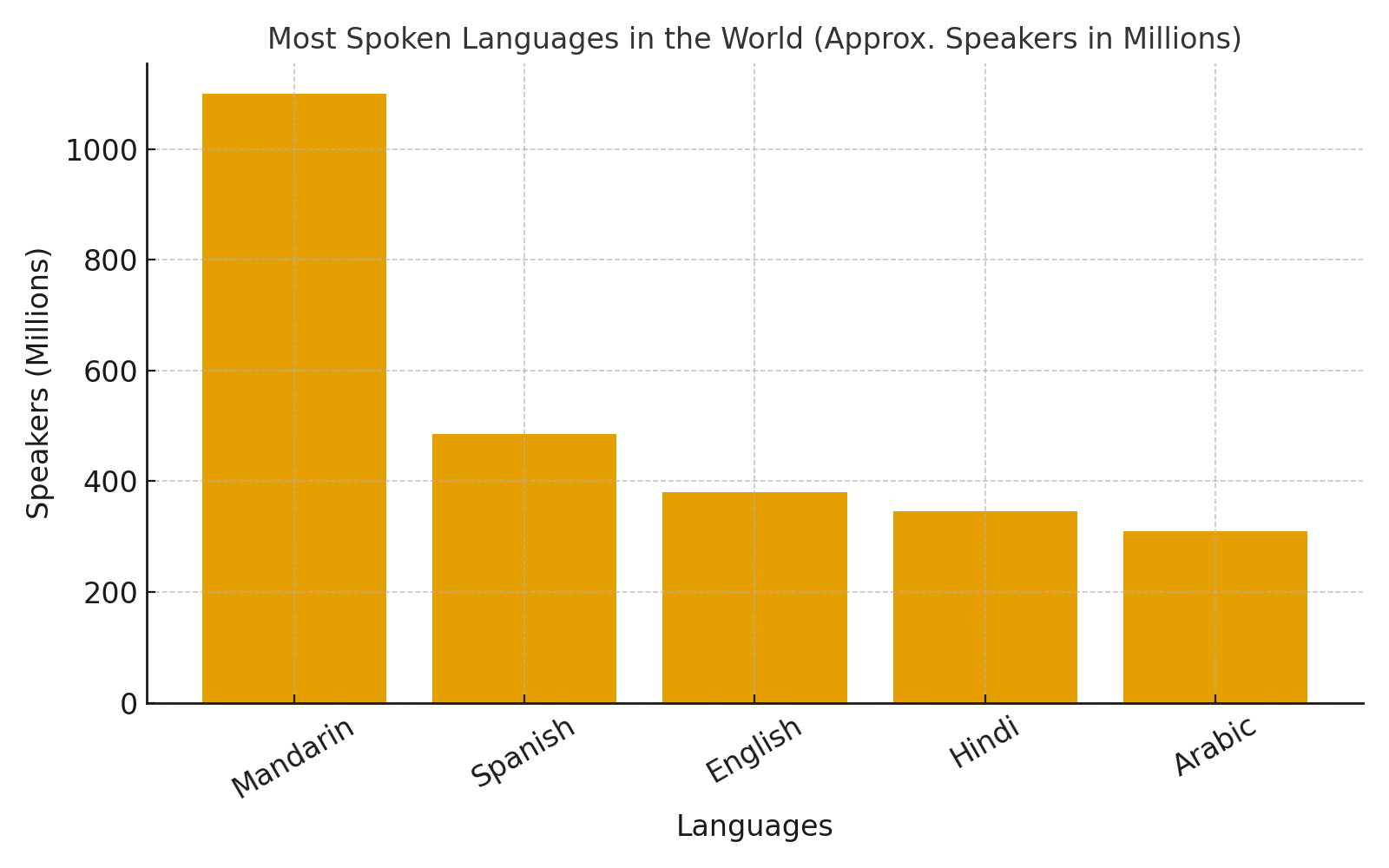
Thank you for reading this post, don't forget to subscribe!India is a country of diverse languages and dialects, each adding richness to its culture. Amidst this diversity, Hindi has managed to become the voice of unity. According to data, Hindi is spoken by over 40% of the Indian population as their first language, and countless others use it as a second or third language. It is the fourth most spoken language in the world. Despite these statistics, the role of Hindi cannot be measured only by numbers; it represents identity, tradition, and cultural continuity.
In today’s blog, we will take a deep dive into the history of Hindi Diwas, its importance in contemporary times, celebrations across the nation, and how Hindi continues to shape our literature, cinema, and digital world.
The Historical Roots of Hindi Diwas
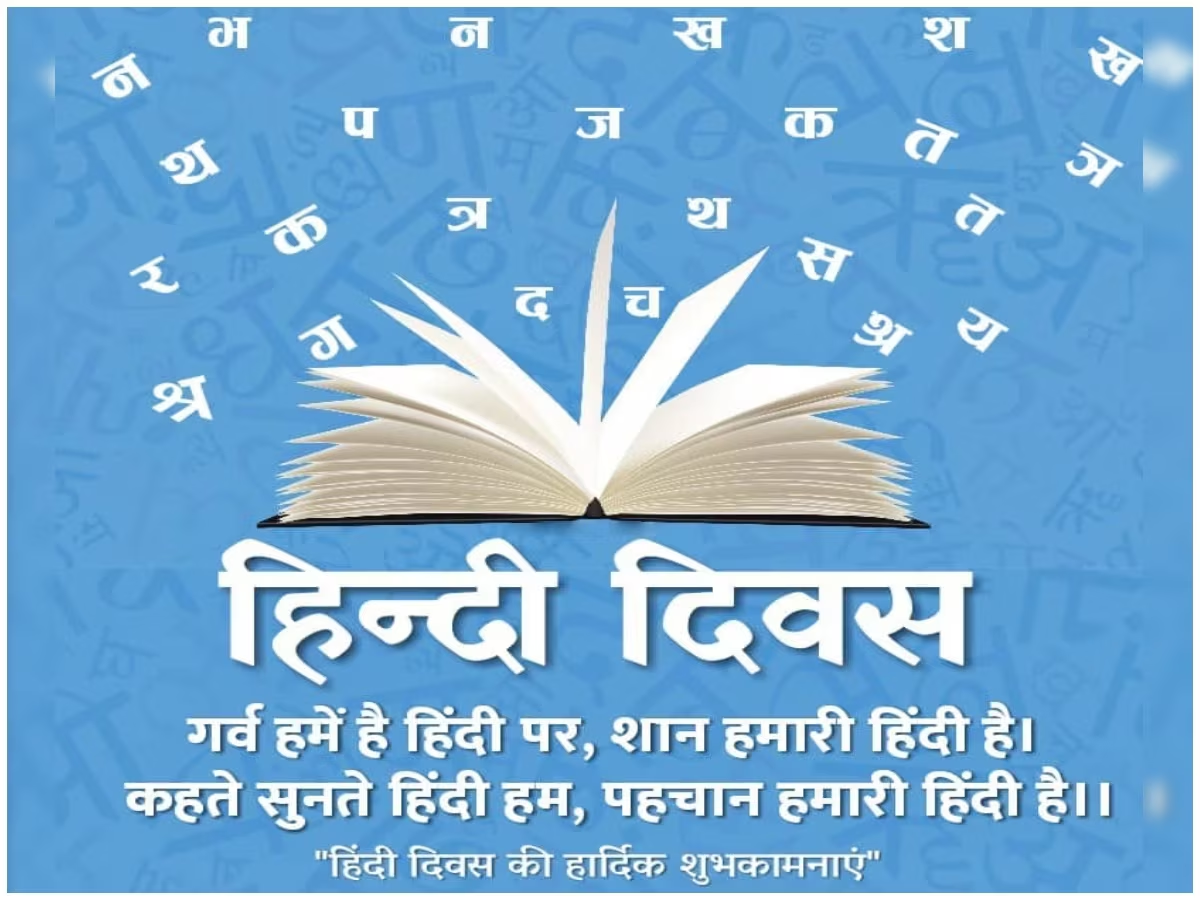
- Adoption of Hindi as an Official Language: On 14th September 1949, the Constituent Assembly of India adopted Hindi written in the Devanagari script as the official language of the Union of India. This was a landmark decision because it gave Hindi official recognition alongside English, which was retained as a link language for administrative purposes.
- Reason Behind the Date: The date of 14th September was chosen because it also marks the birthday of Beohar Rajendra Simha, a renowned Hindi scholar who worked tirelessly to promote the Hindi language.
- Constitutional Provision: Article 343 of the Indian Constitution declared Hindi as the official language, and since 1953, the day has been observed as Hindi Diwas to spread awareness about the significance of Hindi.
Importance of Hindi Diwas in Modern Times
- Promoting National Unity: In a country where over 22 official languages and hundreds of dialects exist, Hindi serves as a common bridge of communication. It strengthens national unity by being widely understood across states.
- Cultural Identity: For millions of Indians, the Hindi language is not just a means of communication but an integral part of their cultural identity, folklore, and traditions.
- Global Recognition: With the Indian diaspora spread across the globe, Hindi has crossed geographical boundaries and is taught in universities abroad. Hindi Diwas acts as a medium to highlight this global presence.
- Encouraging Younger Generations: Schools, colleges, and universities use this day to encourage students to write, speak, and read in Hindi, making sure the new generation values the language.
Celebrations Across India
The celebration of Hindi Diwas takes place at different levels, ranging from national events to local cultural programs.
- Government Functions: The President and Prime Minister of India often address the nation, highlighting the achievements of Hindi and its role in governance. Awards are also distributed to individuals and organizations for promoting Hindi literature and usage.
- Educational Institutions: Schools and colleges organize essay competitions, debates, poetry recitals, and plays in Hindi. These events encourage students to appreciate the richness of the language.
- Media and Cultural Platforms: Radio, television, and digital platforms run special programs, showcasing Hindi music, films, and plays. Newspapers publish special editions in Hindi.
- Public Participation: Local communities celebrate Hindi Diwas by organizing kavi sammelans (poetry gatherings), cultural fests, and workshops that highlight the value of Hindi.
Hindi Language in Literature
The Hindi language has a treasure of literature that spans centuries.
- Classical Literature: Works like Ramcharitmanas by Tulsidas and Rashmirathi by Ramdhari Singh Dinkar reflect the poetic beauty of Hindi.
- Modern Literature: Premchand’s stories and Harivansh Rai Bachchan’s poetry are still celebrated for their deep human emotions.
- Contemporary Writers: Today, Hindi authors are experimenting with new genres, short stories, novels, and plays that reflect modern-day struggles and aspirations.
Hindi Diwas is a reminder to read, preserve, and promote such works so that literature continues to inspire future generations.
Hindi in Cinema and Entertainment
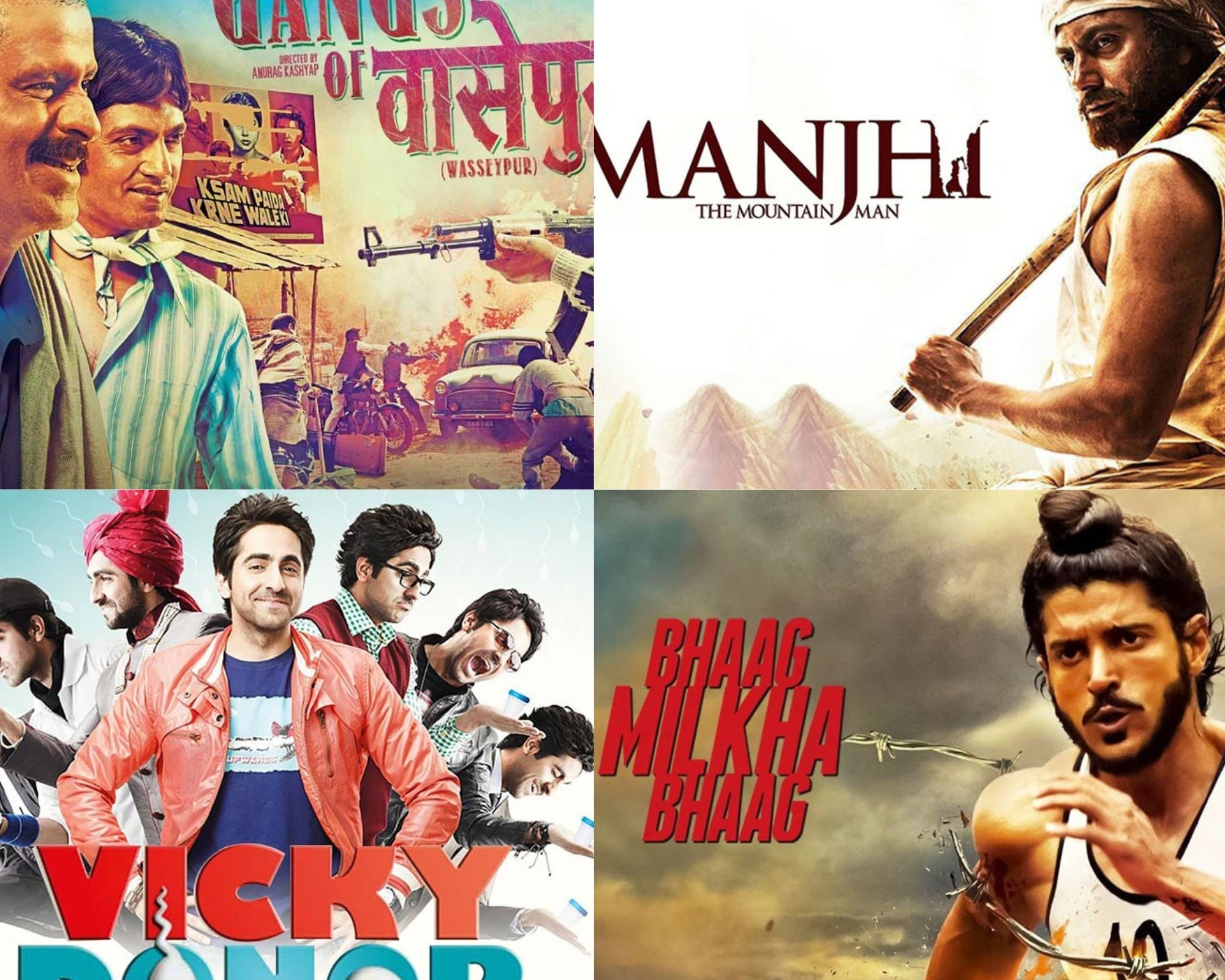
- Bollywood’s Role: Hindi cinema, popularly known as Bollywood, has played the biggest role in spreading the Hindi language across India and the world. Dialogues, songs, and stories have become a cultural bridge.
- Regional Connection: Even in states where Hindi is not the primary language, Bollywood movies are watched and enjoyed, thereby creating a wider audience for Hindi.
- Music Industry: Hindi songs, whether classical ghazals or modern Bollywood hits, are celebrated globally, making the language more relatable and enjoyable.
Hindi in the Digital World
In today’s digital era, the Hindi language has found a new stage.
- Social Media: Platforms like YouTube, Instagram, and Facebook have a huge number of content creators making videos in Hindi, thereby connecting millions.
- Online Learning: E-learning platforms are offering Hindi courses for non-native speakers, which is a sign of its growing demand.
- Digital Media Growth: Hindi blogging, online newspapers, and apps have given a fresh platform to the language, making it a part of daily digital consumption.
Challenges Before the Hindi Language
While Hindi has achieved global recognition, it still faces some challenges:
- Dominance of English: In urban spaces, English is often seen as the language of progress, which overshadows Hindi.
- Regional Resistance: Some states prefer to promote their local languages, which sometimes creates opposition to Hindi.
- Need for Modernization: Hindi must adapt to new technologies, industries, and scientific advancements to remain relevant.
Hindi Diwas and Youth Engagement
The youth play a vital role in keeping the Hindi language alive.
- Educational Role: Schools should promote Hindi not only as a subject but also as a medium of creativity and innovation.
- Digital Youth Culture: Social media campaigns in Hindi can encourage young people to use the language more often.
- Art and Creativity: Encouraging young artists, writers, and musicians to experiment in Hindi ensures that the language stays modern and vibrant.
FAQs
Q1. Why is Hindi Diwas celebrated on 14th September?
Hindi Diwas is celebrated on this date because, in 1949, Hindi in the Devanagari script was adopted as the official language of India. The date also marks the birth anniversary of Beohar Rajendra Simha, a Hindi scholar.
Q2. How is Hindi Diwas celebrated in schools and colleges?
Schools and colleges organize debates, essay competitions, poetry recitals, plays, and cultural programs in Hindi to encourage students to use and respect the language.
Q3. Is Hindi the national language of India?
No, Hindi is not the national language of India. It is one of the 22 scheduled languages and serves as the official language of the Union of India, alongside English.
Conclusion: Hindi Diwas – A Celebration Beyond Words
Hindi Diwas is not just a day marked on the calendar; it is an emotion that brings people closer to their roots. It emphasizes that the Hindi language is more than letters; it is a symbol of unity, identity, and cultural pride. In a world where languages are constantly evolving, Hindi reminds us of our traditions while also adapting to the modern digital landscape.
Celebrating Hindi Diwas means celebrating our past, recognizing our present, and preparing for a future where Hindi continues to shine both in India and globally. It urges us to not just speak the language but to live it through art, literature, cinema, and daily interactions. Just like creativity flows through the efforts of platforms like Kihikila, Hindi flows through every Indian’s heart, timeless and ever vibrant.