



Marathon: Rules, Distance & Tips

A marathon is a long-distance running race of 42.195 kilometers (about 26 miles 385 yards), usually held on roads but sometimes on trails. People can complete it by running continuously or by using a run-and-walk method. Today, marathons are organized worldwide, attracting mostly ordinary people who want to challenge themselves rather than only professional athletes. It is not just a sport but a true test of strength, endurance, discipline, and mental power, and it is also an important event in global competitions like the Olympics and World Championships. Unlike team sports, the marathon is an individual event, but thousands of runners can take part in a single race. Large marathons often have between 10,000 to 50,000 participants, and they are divided into different categories such as men, women, wheelchair athletes, and various age groups.
Thank you for reading this post, don't forget to subscribe!History of Marathon
Origin of Marathon
The word “marathon” comes from a story in ancient Greece. According to legend, a messenger named Pheidippides ran from the town of Marathon to Athens after a battle in 490 BC. He delivered the message “We have won!” and then collapsed and died.
Although historians debate whether this story is fully true, it inspired the idea of the marathon race.
Modern Marathon
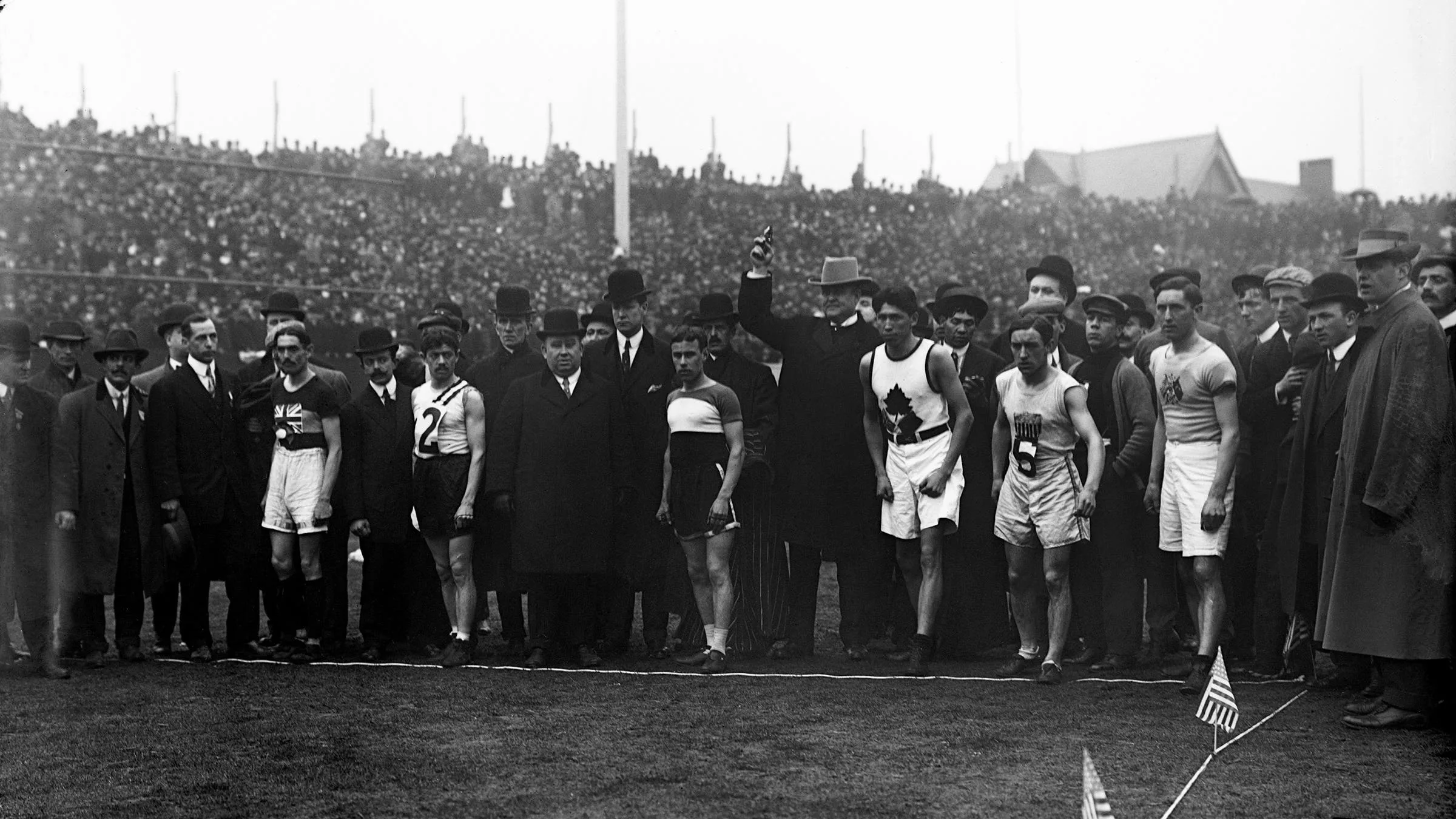
The modern marathon started in the 1896 Olympic Games in Athens, inspired by French scholar Michel Bréal and supported by Pierre de Coubertin.
- First Olympic marathon winner: Spyridon Louis
- Distance was not fixed at first
- Standard distance 42.195 km was officially set in 1921
The marathon has been part of the Olympics ever since.
Runner Eligibility
Anyone can participate in a marathon if they meet basic conditions:
Basic Requirements
- Good physical health
- Minimum age (usually 18 years for full marathon)
- Medical fitness certificate (in some races)
For Professional Athletes
- Must qualify based on timing standards
- Must follow rules of World Athletics
Dress Code in Marathon
Marathon runners wear comfortable and light clothing.
Common Dress
- Running shorts or tights
- Lightweight T-shirt or vest
- Running shoes with good cushioning
Important Tips
- Clothes should be breathable
- Avoid heavy or tight clothing
- Wear socks to prevent blisters
Distance of Marathon
The official marathon distance is:
42.195 kilometers
This distance was standardized in 1921.
Other Race Types
- Half Marathon: 21.097 km
- Ultra Marathon: More than 42.195 km
Basic Rules of Marathon
Marathon rules are simple but important:
- Runners must follow the marked route
- No shortcuts allowed
- Timing chips are used to record time
- Water stations are placed along the route
- Runners must finish within a time limit (usually 6–8 hours)
- No outside help is allowed (except official aid stations)
Techniques of Marathon Running
Running a marathon is not easy. It requires proper techniques.
Pacing
- Start slow and maintain a steady speed
- Avoid running too fast at the beginning
Breathing
- Take deep and regular breaths
- Helps maintain energy
Hydration
- Drink water regularly
- Avoid drinking too much at once
Energy Management
- Use energy gels or snacks
- Prevent hitting “the wall” (extreme fatigue)
Training
- Long runs are important
- Build stamina slowly
Marathon in Olympics
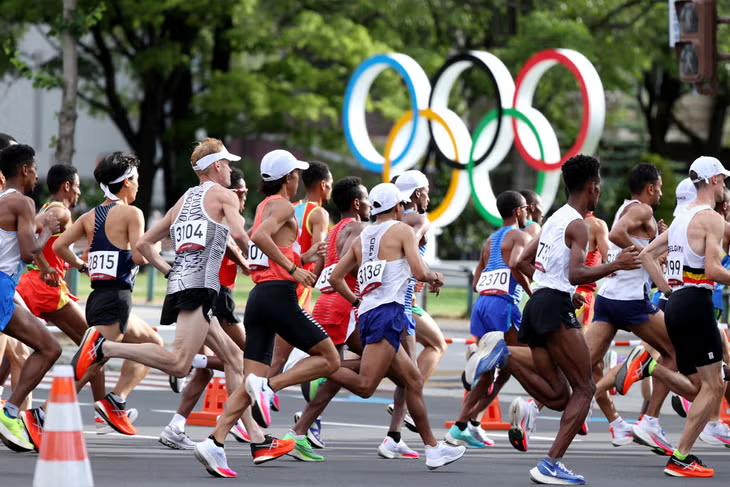
Marathon is one of the most important events in the Olympic Games.
Key Facts
- First held in 1896 Olympics
- Women’s marathon started in 1984
- It is often the last event of the Olympics
Recent Olympic Champions
- Men: Tamirat Tola (2024)
- Women: Sifan Hassan (2024)
Benefits of Marathon Running
Marathon running has many benefits:
Physical Benefits
- Improves heart health
- Builds stamina and strength
- Helps control weight
Mental Benefits
- Reduces stress
- Improves focus
- Builds confidence
Social Benefits
- Meet new people
- Participate in global events
Challenges in Marathon
Marathon running is difficult and comes with challenges:
Physical Pain
- Muscle soreness
- Blisters and injuries
“Hitting the Wall”
- Happens after 30 km
- Body runs out of energy
Weather Conditions
- Heat can slow runners
- Cold can cause stiffness
Mental Pressure
- Staying motivated is hard
Successful Marathon Runners
Famous Male Marathon Runners
- Eliud Kipchoge – One of the greatest marathoners
- Kelvin Kiptum – World record holder (2:00:35)
- Kenenisa Bekele
Famous Female Marathon Runners
- Ruth Chepng’etich – World record holder
- Paula Radcliffe
- Brigid Kosgei
Major International Marathon Competitions
Some of the most famous marathons in the world:
- Boston Marathon
- London Marathon
- New York City Marathon
- Berlin Marathon
- Tokyo Marathon
These are part of the World Marathon Majors.
India’s Role and Success in Marathon
India is slowly growing in marathon running.
Famous Indian Marathon Runners
- Shivnath Singh
- Sudha Singh
- Nitendra Singh Rawat
Achievements
- Participation in Olympics and international events
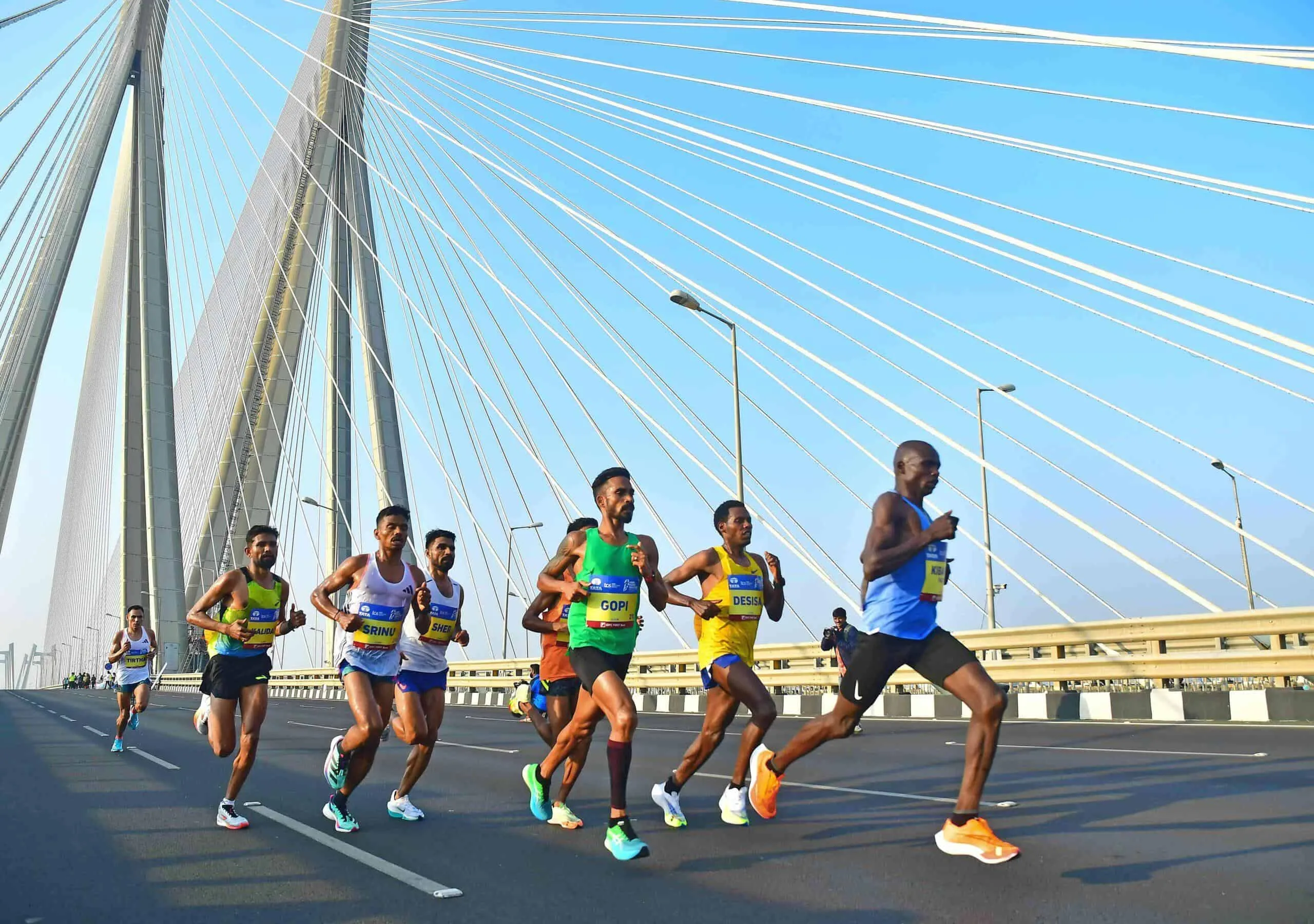
- Growing number of marathon events in cities like Mumbai and Delhi
Popular Indian Marathons
- Mumbai Marathon
- Delhi Half Marathon
India is focusing more on fitness and endurance sports.
Future of Marathon
The future of marathon looks bright:
Increasing Participation
- More people are joining every year
Technology Use
- Smart watches and tracking apps help runners
Women Participation
- More women are participating than ever before
Global Growth
- Marathons are held in almost every country
Health Awareness
- People run marathons to stay fit
Conclusion
Marathon is one of the most challenging and inspiring sports in the world. It has a rich history from ancient Greece to modern Olympic Games. The race tests both physical and mental strength and teaches discipline, patience, and determination.
Today, marathons are not just for professional athletes but for everyone who wants to push their limits. With growing popularity, better training methods, and global participation, the future of marathon running is very promising. Whether for fitness, competition, or personal achievement, marathon continues to inspire millions of people around the world.
FAQs About Marathon
- What is a marathon?
A marathon is a long-distance race of 42.195 km. - How long is a marathon?
It is exactly 42.195 kilometers or 26 miles 385 yards. - Who can run a marathon?
Anyone with proper training and good health can run. - How long does it take to finish a marathon?
It usually takes 3 to 6 hours depending on the runner. - What is the hardest part of a marathon?
“Hitting the wall” after around 30 km is the toughest part. - How should beginners train for a marathon?
They should start with short runs and gradually increase distance. - What should I eat before a marathon?
Carbohydrate-rich foods like rice, pasta, and fruits are helpful. - Are marathons only for professionals?
No, most marathon runners are beginners or fitness enthusiasts. - What are the benefits of marathon running?
It improves fitness, stamina, and mental strength. - How often are marathons held?
Thousands of marathons are organized worldwide every year.