


Sprinting – The Art of Speed, Power, and Precision

Sprinting is one of the most exciting and powerful sports in the world. It means running as fast as possible over a short distance. In sprinting, the whole body works together to produce maximum speed in a very short time. It is not just about running fast it is about technique, strength, balance, and timing.
Thank you for reading this post, don't forget to subscribe!Sprinting is used in many sports like football, cricket, and basketball, where players need to move quickly. However, in athletics, sprinting is a competitive race where athletes try to finish first in the shortest time.
History of Sprint
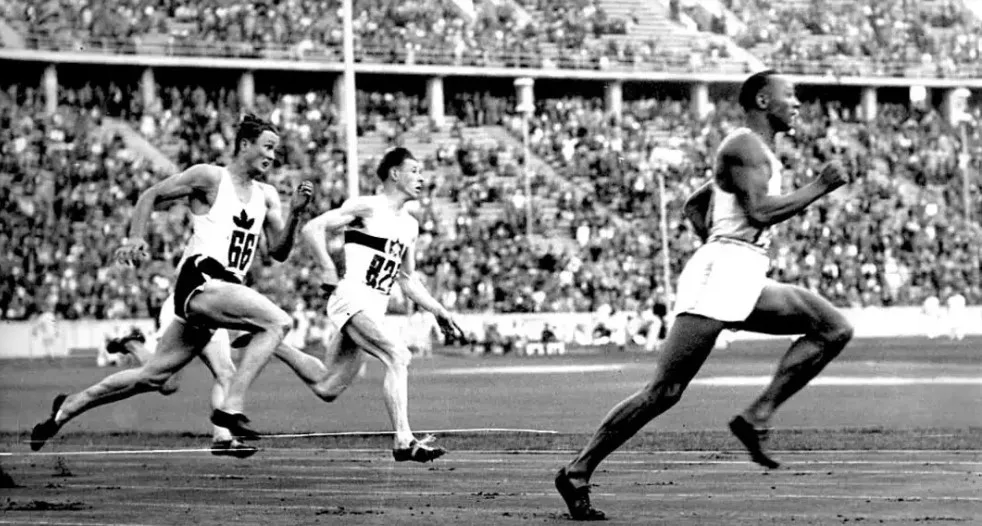
Sprinting has a very long history that began thousands of years ago. In ancient times, it was one of the main events in the Ancient Olympic Games, which started in 776 BC. The first race, called the stadion, was a short sprint from one end of the stadium to the other, and later a longer race called diaulos was introduced. Ancient Greek athletes trained on sand to improve their balance and speed, and they also practiced jumping and strength exercises. During the Middle Ages, sprinting was known as foot racing and was popular among soldiers because speed was important in battle. In the modern era, sprinting became part of the Olympic Games in 1896. Over time, improvements like starting blocks, synthetic tracks, and better shoes helped athletes run faster. Today, sprinting is one of the most popular and exciting events in athletics.
Number of Players
Sprinting is mainly an individual sport.
- In individual races: 1 player competes against others.
- In relay races: 4 players form a team (e.g., 4×100 m relay).
Player Eligibility
To take part in sprinting competitions, athletes must follow certain rules:
- Must be physically fit and healthy
- Should meet age category requirements (junior, senior, etc.)
- Must follow rules set by governing bodies like World Athletics
- Must not use banned substances (anti-doping rules)
Dress Code and Equipment
Clothing
- Lightweight sportswear
- Tight-fitting clothes to reduce air resistance
Shoes
- Special sprinting spikes are used
- These shoes have metal spikes for better grip on the track
Equipment
- Starting blocks
- Baton (for relay races)
- Stopwatch or electronic timing system
Sprinting Distances and Duration
Common Sprint Distances
- 60 meters (indoor)
- 100 meters (fastest race)
- 200 meters
- 400 meters
Relay Races
- 4 × 100 meters
- 4 × 400 meters
Duration
- 100 m race: about 9–12 seconds
- 200 m race: about 19–25 seconds
- 400 m race: about 43–60 seconds
Short races focus on speed, while longer sprints require both speed and endurance.
Basic Rules of Sprinting
- Start
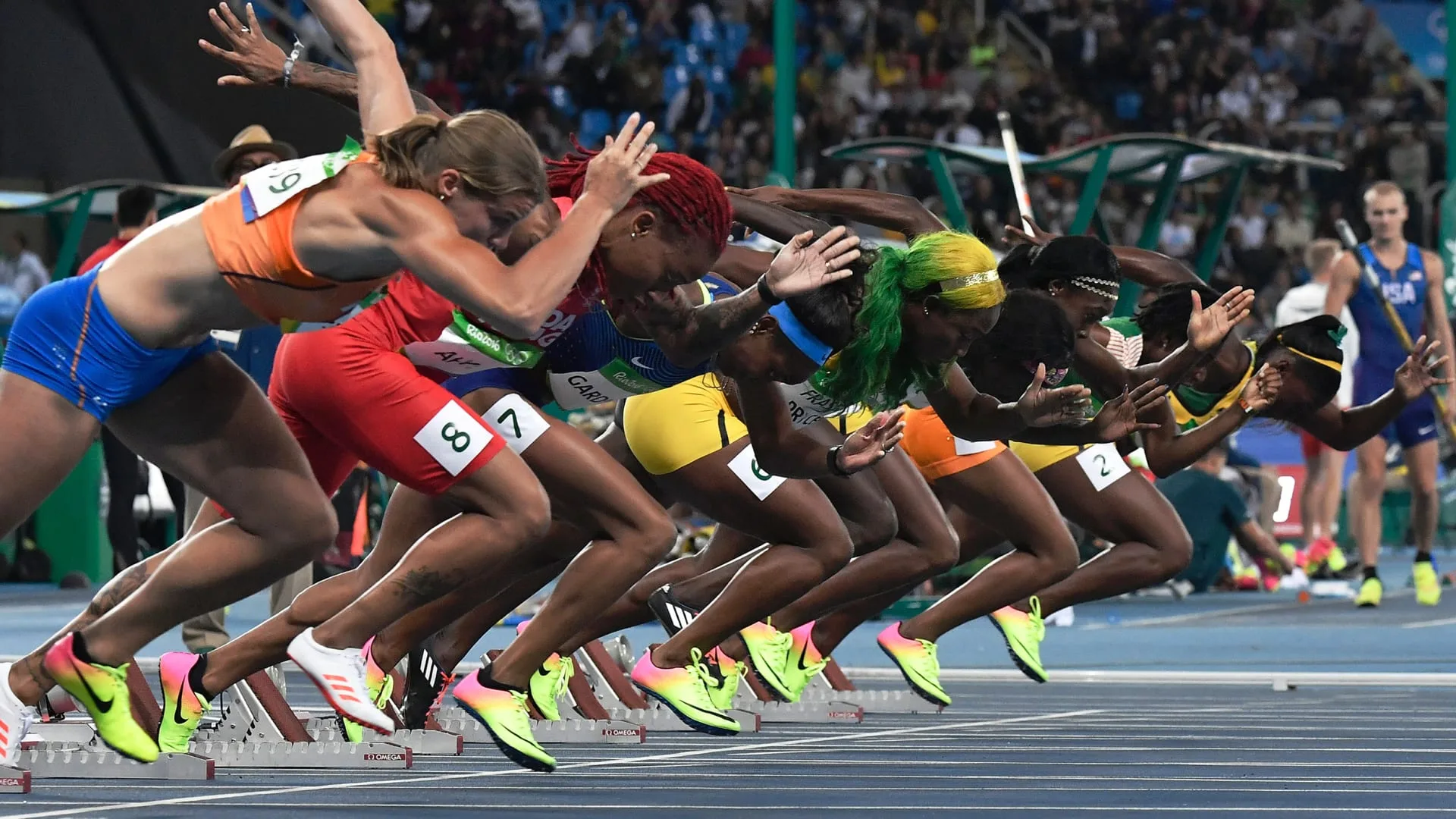
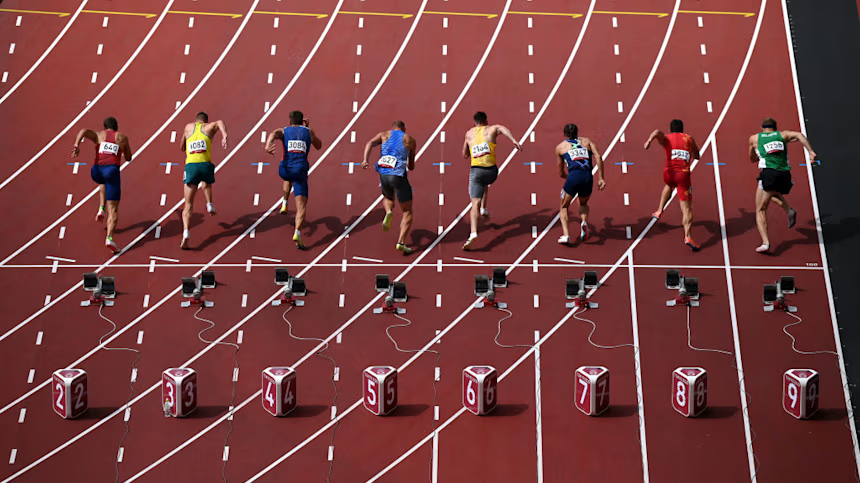
- Races begin with commands: “On your marks,” “Set,” and the gunshot.
- False Start
- If a runner starts before the gun, they may be disqualified.
- Lanes
- Each runner must stay in their assigned lane.
- Finish Line
- The winner is the athlete whose torso crosses the finish line first.
- Relay Rules
- Baton must be passed within the exchange zone.
Sprinting Techniques
Starting Technique
- Athletes use starting blocks
- Begin in a crouched position
- Push forward with strong force
Acceleration Phase
- First few steps are powerful
- Body leans forward
Maximum Speed Phase
- Athlete runs upright
- Strides become longer and faster
Finish Technique
- Lean forward at the finish line
Breathing and Rhythm
- Controlled breathing helps maintain speed
Sprinting in the Olympics
Sprinting is one of the main highlights of the Olympic Games.
Major Olympic Sprint Events
- 100 meters
- 200 meters
- 400 meters
- 4×100 m relay
- 4×400 m relay
The 100-meter race is known as the race to find the “fastest person in the world.”
Benefits of Sprinting
Physical Benefits
- Improves speed and strength
- Builds strong muscles
- Improves heart health
- Helps in weight loss
Mental Benefits
- Increases confidence
- Improves focus and discipline
- Reduces stress
Sports Benefits
- Useful in many sports
- Enhances reaction time
Challenges in Sprinting
- High risk of injuries (muscle pulls, cramps)
- Requires strict training and discipline
- Pressure in competitions
- Need for perfect technique
- Weather conditions can affect performance
Successful Sprinters
Male Sprinters
- Usain Bolt – Fastest man in history (100 m record: 9.58 sec)
- Carl Lewis – Multiple Olympic gold medals
- Justin Gatlin – Olympic and world champion
Female Sprinters
- Florence Griffith-Joyner – Fastest woman ever
- Allyson Felix – Most decorated female Olympian in track
- Shelly-Ann Fraser-Pryce – Olympic champion
Major International Competitions
- Olympic Games
- World Athletics Championships
- Asian Games
- Commonwealth Games
- Diamond League
These competitions bring the best sprinters from around the world.
India’s Role and Success in Sprinting
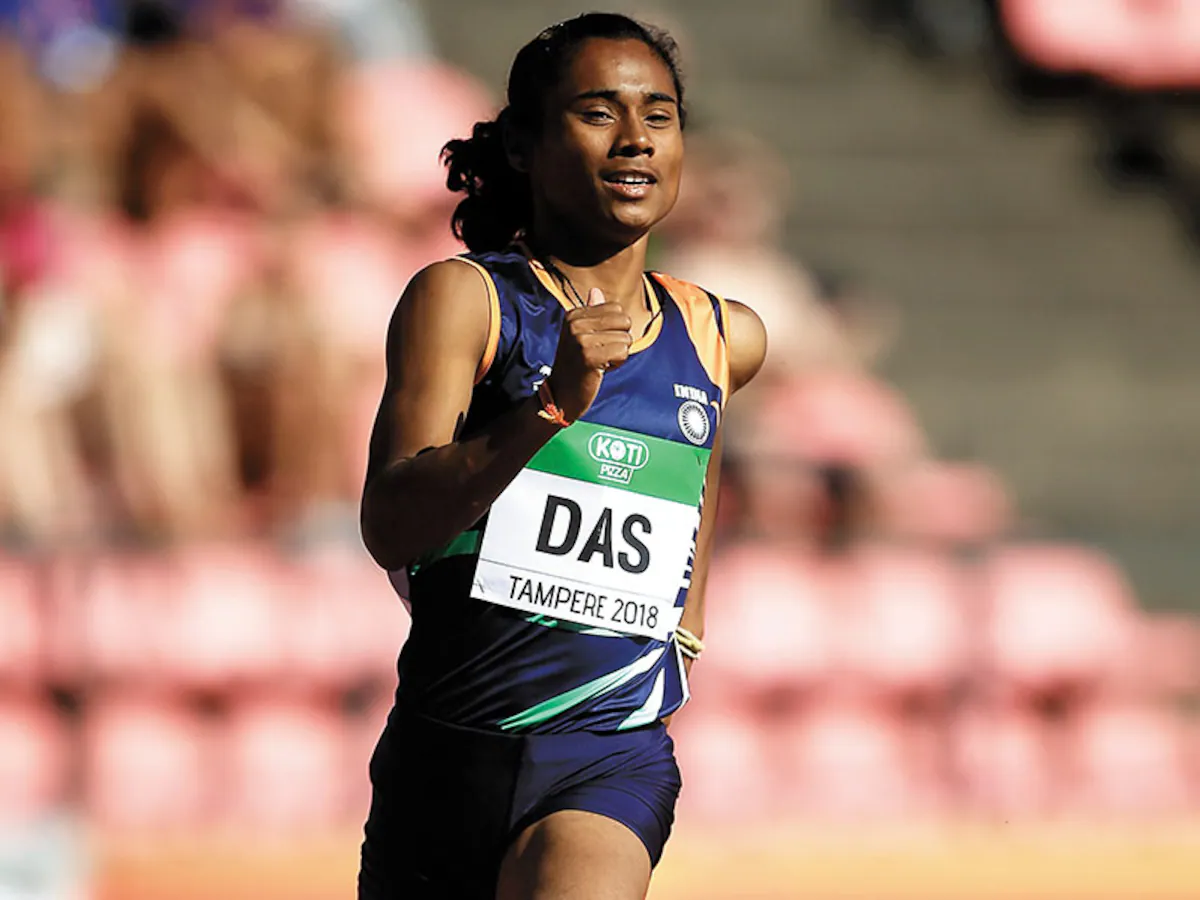
India has made steady progress in sprinting over the years, producing several talented athletes who have brought pride to the nation. Legendary sprinter Milkha Singh inspired generations with his remarkable performances, while P. T. Usha became known as the “Queen of Indian track” for her achievements. In recent times, athletes like Hima Das and Dutee Chand have gained international recognition and set new standards. India has shown strong performances in events like the Asian Games, and its participation in global competitions is steadily increasing. With growing support from the government, better training facilities, and development programs, the future of sprinting in India looks promising.
Future of Sprint
The future of sprinting looks very bright:
Technology
- Better shoes and tracks
- Advanced timing systems
- Scientific training methods
Global Growth
- More countries participating
- Increased popularity worldwide
Youth Development
- More training academies
- School-level competitions
Women’s Participation
- Rapid growth in female athletes
Conclusion
Sprinting is more than just running fast it is a combination of power, technique, discipline, and determination. From ancient Greece to modern Olympics, sprinting has evolved into one of the most exciting sports in the world.
It teaches important life skills like hard work, focus, and confidence. With growing interest, better facilities, and strong athletes, sprinting will continue to shine in the future.
Whether you want to become a professional athlete or just stay fit, sprinting is a great activity that builds both body and mind.
FAQs about Sprinting
- What is sprinting?
Sprinting is running at maximum speed over a short distance. - What are common sprint distances?
100 m, 200 m, and 400 m are the most common. - Who is the fastest sprinter in the world?
Usain Bolt holds the 100 m world record. - Is sprinting an individual sport?
Yes, but it also includes team relay events. - What is a false start in sprinting?
Starting before the gun is fired is called a false start. - What equipment is needed for sprinting?
Spikes, sportswear, and starting blocks. - Can beginners learn sprinting easily?
Yes, with practice and proper training. - Why is sprinting important in sports?
It improves speed, strength, and reaction time. - What is the role of technique in sprinting?
Good technique helps increase speed and reduce injuries. - Which country is famous for sprinting?
Countries like Jamaica and the USA are well-known.