


Kazakhstan Nuclear Power Plant Project: Russia to Build First Nuclear Facility

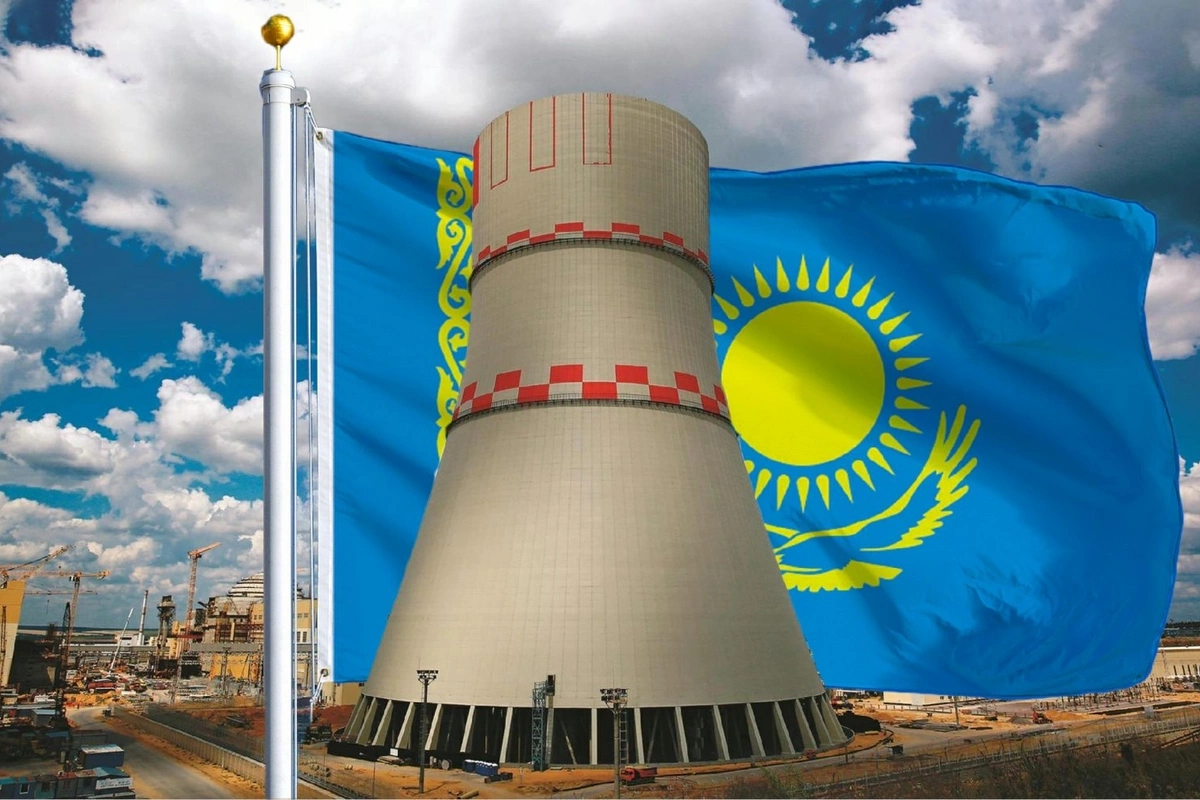
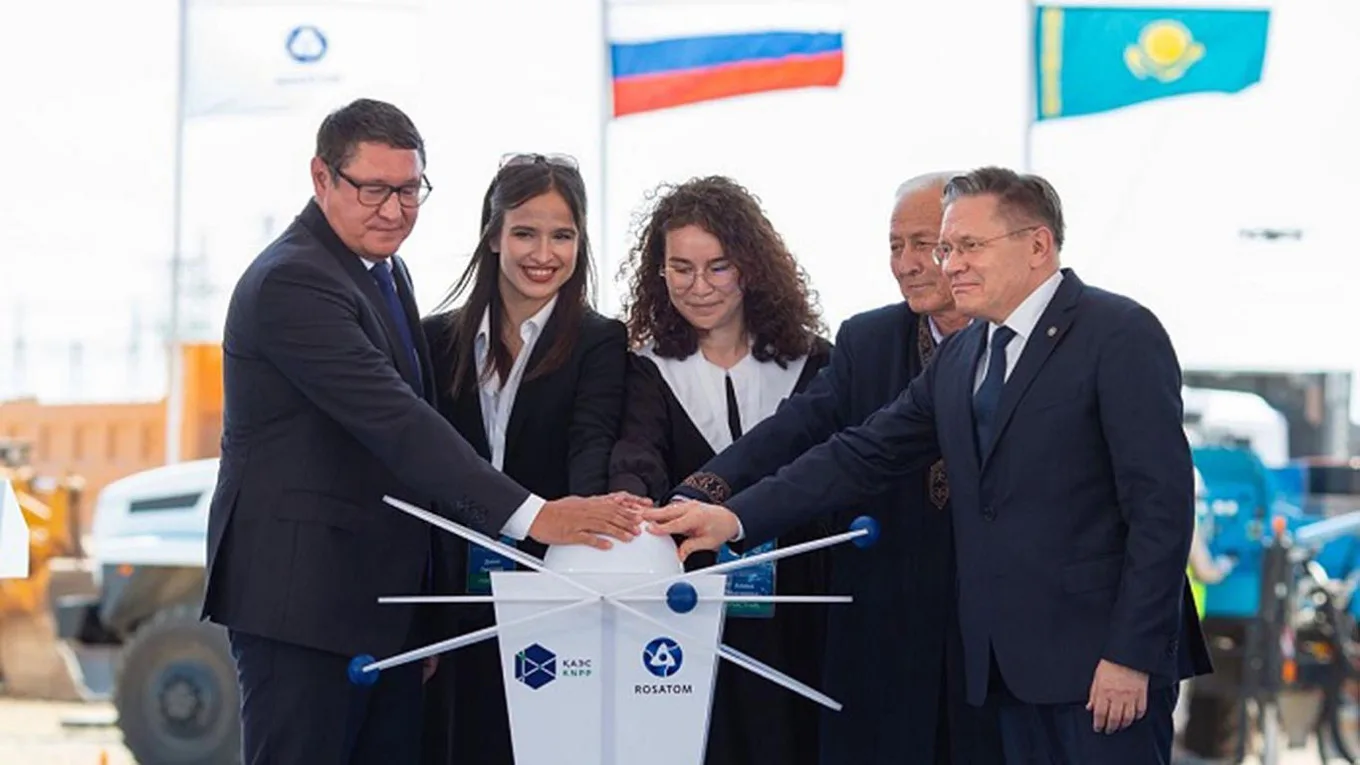
Kazakhstan Nuclear Power Plant project has become one of the most discussed energy developments in Central Asia. On 28 May 2026, Russia and Kazakhstan signed an agreement to build Kazakhstan’s first nuclear power plant. The project is expected to strengthen the country’s energy security and support its growing electricity needs in the coming decades.
The estimated cost of the project is around $16.5 billion. According to the agreement, Russia will provide about 85% of the funding through an export loan. The project will be led by Rosatom, Russia’s state-owned nuclear energy corporation, which has experience building nuclear power plants in several countries.

Nuclear Plant to Be Built Near Lake Balkhash
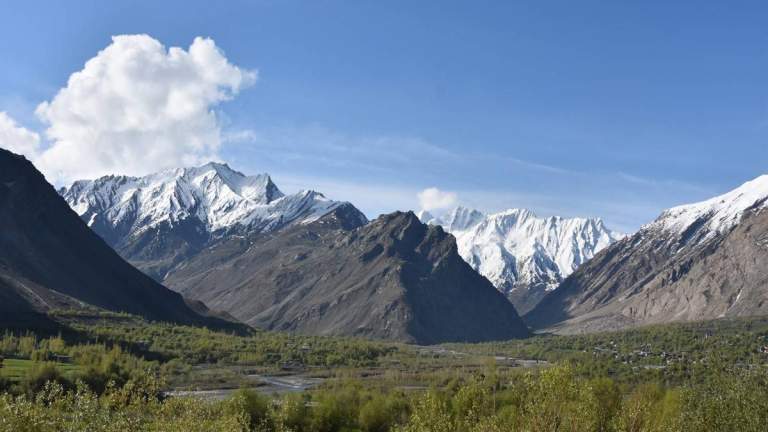
The new nuclear power plant will be constructed in Ulken village, located on the shores of Lake Balkhash in southeastern Kazakhstan. Lake Balkhash is one of the largest lakes in Central Asia and plays an important role in the region’s environment and economy.
The location was selected after years of study and planning. Officials believe the area is suitable for a large energy project due to its geography and infrastructure potential.
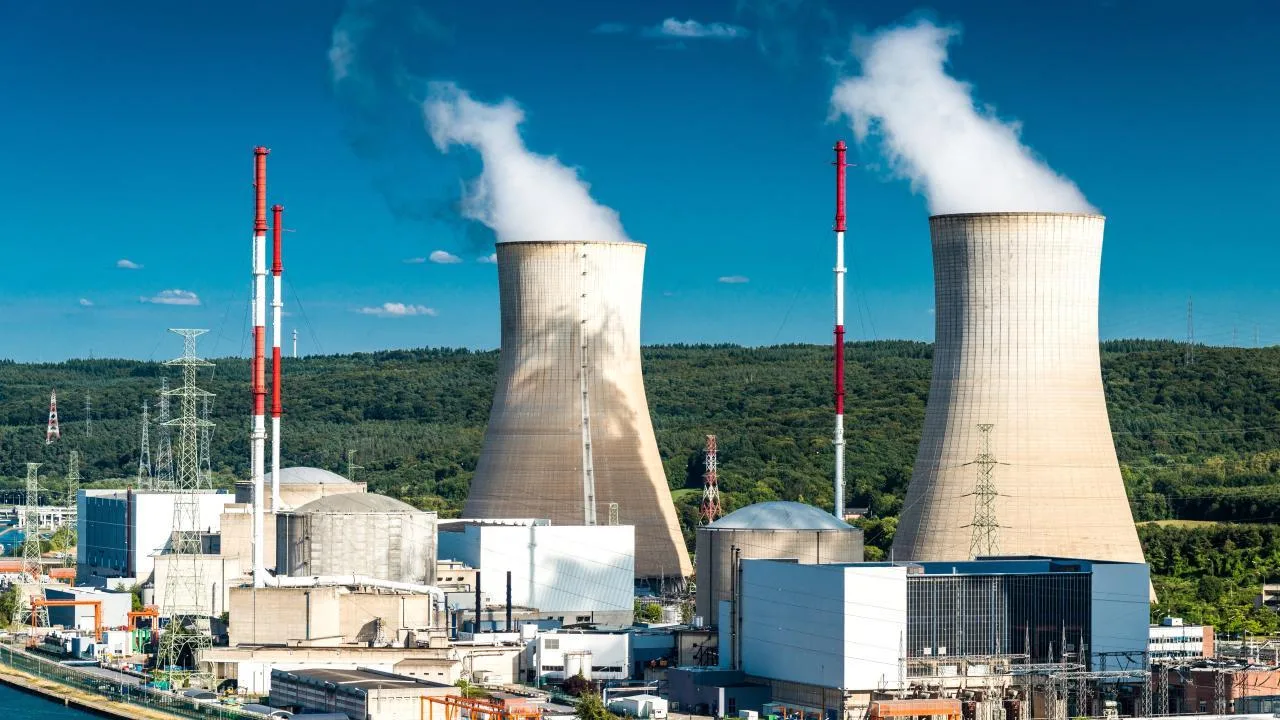
The nuclear facility will use two VVER-1200 reactors, a modern reactor design developed in Russia. These reactors belong to the Generation III+ category, which includes advanced safety systems and improved operational efficiency.
What Makes VVER-1200 Reactors Special?
The VVER-1200 reactor is a type of pressurized water reactor that is already operating in Russia and several other countries. It is designed to produce large amounts of electricity while maintaining high safety standards.
Some important features of the reactor include:
- Advanced safety mechanisms
- Longer operational lifespan
- Improved fuel efficiency
- Protection against emergency situations
- Modern cooling and containment systems
The use of Generation III+ technology reflects Kazakhstan’s goal of adopting modern energy solutions while ensuring public safety.
Construction Expected to Start in 2027
According to the current plan, construction work will begin in 2027. The project is expected to take several years because nuclear power plants require extensive engineering, safety testing, and regulatory approvals.
The first reactor is likely to begin operations in 2034 or the mid-2030s. Once completed, the plant will become a major source of electricity for Kazakhstan.
The long construction timeline highlights the complexity of nuclear energy projects. However, officials believe the investment will provide benefits for many decades.
Kazakhstan Expands Its Energy Strategy
Kazakhstan has been looking for new ways to meet rising electricity demand. The country currently depends heavily on fossil fuels such as coal and natural gas. As energy consumption increases, the government is exploring alternative sources that can provide stable power throughout the year.
The new nuclear plant is expected to play a key role in this strategy. Kazakhstan has set a target of reaching 2.4 gigawatts of nuclear energy capacity by 2035.
Nuclear energy can generate electricity continuously without depending on weather conditions. This makes it different from renewable sources such as solar and wind power, which can be affected by sunlight and wind availability.
The project is also expected to support Kazakhstan’s broader efforts to modernize its energy sector and reduce pressure on existing power infrastructure.
Local Industry to Receive Major Boost
Before approving the project, Kazakhstan’s government announced a plan to increase domestic participation in the nuclear industry.
On 14 May 2026, officials approved a target to achieve 30% local participation before construction begins. This means local companies and workers will be involved in supplying materials, services, and technical support.
Government estimates suggest the project could generate between $4 billion and $4.5 billion in local contracts and production opportunities.
The involvement of domestic businesses is expected to create new jobs, improve technical skills, and encourage industrial growth in different parts of the country.
Public Support for Nuclear Energy
Public opinion has also played an important role in the project.
In a 2024 national referendum, around 71% of voters supported the construction of a nuclear power plant. The result showed strong public backing for the country’s nuclear energy plans.
Supporters believe nuclear power can help Kazakhstan achieve long-term energy stability and reduce the risk of electricity shortages in the future.
At the same time, government officials have emphasized the importance of safety, transparency, and international standards throughout the development process.
Kazakhstan’s Strong Position in the Uranium Market
Kazakhstan is already a major player in the global nuclear industry. The country is currently the largest producer of uranium in the world.
Uranium is the primary fuel used in nuclear reactors. Because of its large uranium reserves and production capacity, Kazakhstan holds a strategic position in the international energy market.
The development of a domestic nuclear power plant allows the country to make greater use of its natural resources while strengthening its energy independence.
Growing Global Interest in Nuclear Energy
The Kazakhstan Nuclear Power Plant project comes at a time when many countries are reconsidering nuclear energy as part of their long-term energy plans.
Rising electricity demand, energy security concerns, and efforts to reduce carbon emissions have increased interest in nuclear technology worldwide. Several nations are investing in new reactors or extending the life of existing nuclear facilities.
For Kazakhstan, the partnership with Russia marks a significant step toward joining the group of countries that generate electricity through nuclear power.
As construction preparations move forward, the project is expected to remain a major topic in the country’s energy and economic development discussions.