


National AI Water Summit 2026 Set for Bengaluru

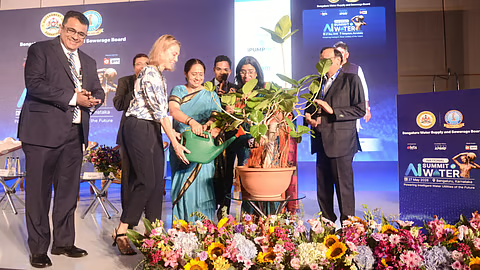
National AI Water Summit 2026 is set to become a landmark event in India’s journey toward smarter and more efficient water management. Scheduled to take place in Bengaluru on 27 May 2026, the summit will bring together experts, policymakers, researchers, technology leaders and industry professionals to discuss how artificial intelligence can improve water services across the country.
The event, officially known as the National AI Summit on Water 2026, is being organized jointly by the Bangalore Water Supply and Sewerage Board (BWSSB) and Elets Technomedia Pvt. Ltd. The partnership was formalized through a Memorandum of Understanding signed on 20 February 2026. The summit represents a major step toward integrating advanced digital technologies into urban water systems.

National AI Water Summit 2026 Focuses on Smart Water Solutions
One of the main goals of the summit is to explore how artificial intelligence can solve challenges faced by urban water utilities. Rapid urban growth has increased the demand for clean water, efficient distribution and better wastewater management. Traditional methods are often unable to keep up with these demands.
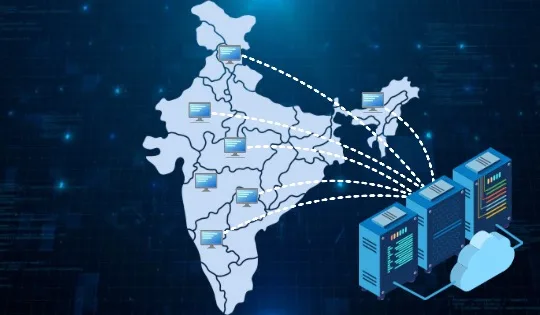
At the summit, experts will discuss AI-powered solutions that can help water agencies monitor supply networks, detect leaks, improve efficiency and reduce waste. The event will also highlight the role of digital systems in improving public services and ensuring sustainable water management.
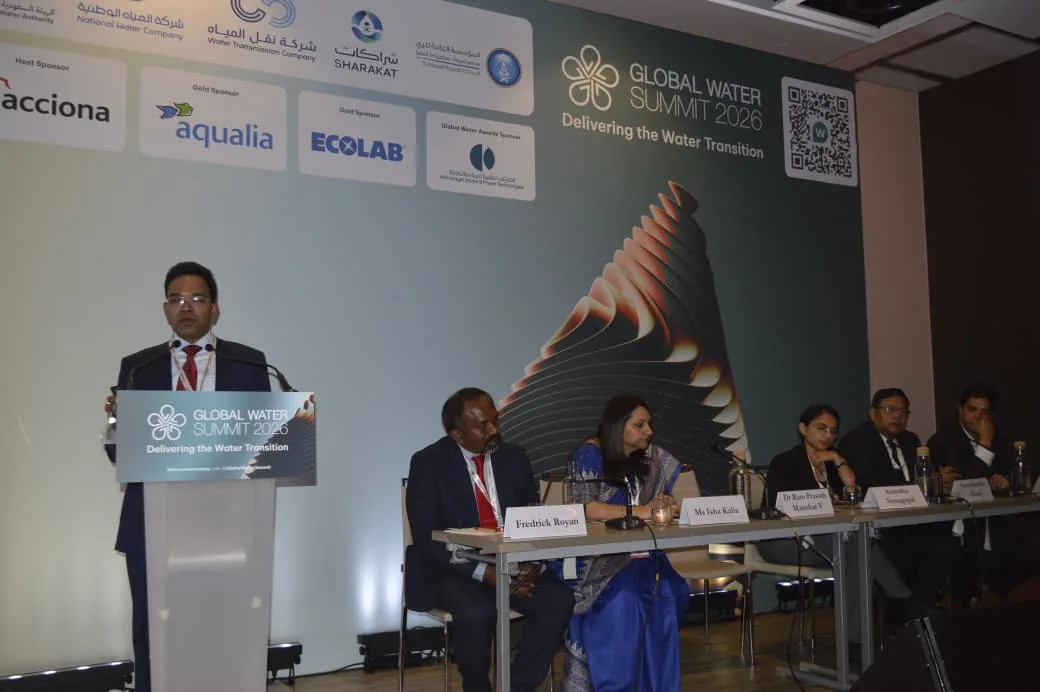
Topics expected to receive significant attention include smart operations, digital twins, water-loss reduction, energy efficiency, data management, cybersecurity and ethical use of artificial intelligence. These technologies can help water authorities make better decisions and respond more quickly to challenges.
National AI Water Summit 2026 Highlights BWSSB’s Digital Journey
BWSSB plans to use the summit as a platform to showcase its ongoing digital transformation initiatives. Over the past few years, the organization has introduced several modern technologies to improve water supply and sewage management across Bengaluru.
Among the key projects is the large-scale deployment of SCADA systems, which allow operators to monitor and control water infrastructure in real time. These systems provide valuable information about water flow, pressure and operational performance.
BWSSB has also expanded the use of GIS mapping, helping authorities manage infrastructure more effectively. Geographic mapping technology provides detailed information about pipelines, reservoirs and service areas, making maintenance and planning easier.
Another important innovation is the use of IoT-enabled tanker tracking systems. These systems allow real-time monitoring of water tankers, improving transparency and efficiency in water distribution. Smart metering platforms are also being introduced to provide accurate consumption data and improve customer services.
National AI Water Summit 2026 Promotes Better Urban Water Governance
Beyond technology, the summit will focus on creating stronger governance systems for future cities. Water management is becoming increasingly complex due to climate change, population growth and rising urban demand. As a result, experts believe that data-driven decision-making will play a critical role in ensuring long-term water security.
During the event, BWSSB is expected to present its Five Panchasutras Framework for future urban water governance. This framework combines modern technology with sustainable planning and focuses on five major areas:
- Artificial intelligence
- Data-driven governance
- Smart infrastructure
- Sustainable investment strategies
- Climate-resilient water security systems
The framework aims to create a balanced approach that uses innovation while protecting natural resources for future generations.
National AI Water Summit 2026 to Bring Together Key Stakeholders
The summit is expected to attract more than 400 participants from different sectors. These include government officials, technology companies, research institutions, water utility experts and industry leaders.
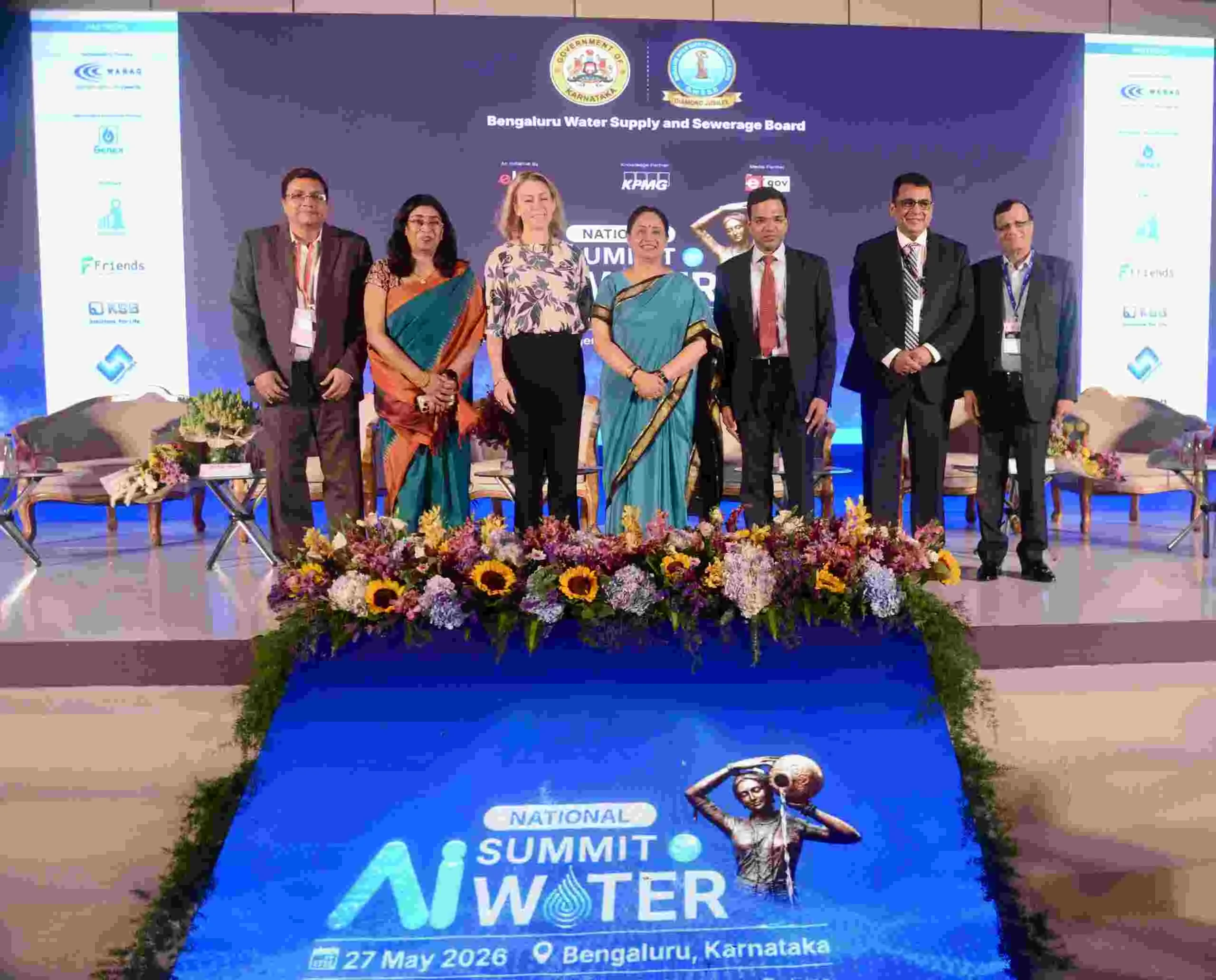
Such a diverse gathering will create opportunities for collaboration and knowledge sharing. Participants will discuss successful projects, emerging technologies and practical solutions that can be adopted by cities across India.
The event also reflects the growing importance of artificial intelligence in public infrastructure. As cities continue to expand, digital tools are becoming essential for managing resources efficiently and improving the quality of public services.
National AI Water Summit 2026 and the Future of Smart Cities
A major highlight associated with the summit is BWSSB’s plan to establish an integrated AI-powered command centre for water and sewage management. The proposed facility will be located at Shimsha Bhavan in Jayanagar and is expected to become one of Asia’s largest command centres of its kind.
The command centre will use advanced technologies to monitor water supply, sewage systems and infrastructure performance from a central location. Real-time data analysis will help authorities identify issues quickly and improve service delivery.
The summit is expected to be inaugurated by Siddaramaiah and D. K. Shivakumar, highlighting the importance of the event at both state and national levels.
As India continues to invest in digital infrastructure, the National AI Water Summit 2026 represents an important platform for exploring how artificial intelligence can help create smarter, more efficient and sustainable urban water systems.