


Animal Rearing in India: Importance, Challenges and Government Schemes

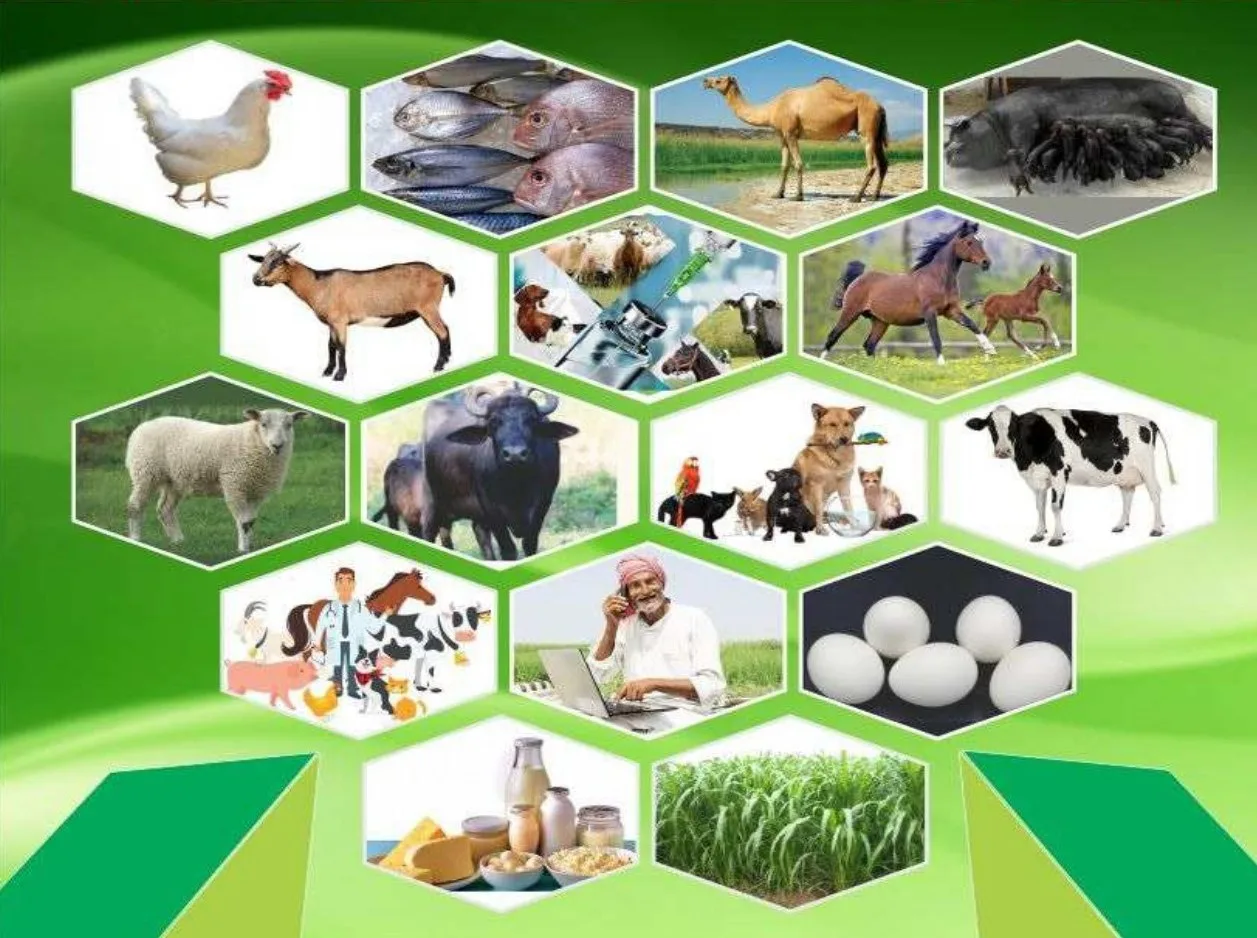
Animal Rearing plays a very important role in India’s rural economy. It is closely connected with agriculture and helps millions of farmers earn income. In India, many rural families depend on animals such as cows, buffaloes, goats, sheep, pigs, and poultry for milk, meat, eggs, and other useful products. Animal rearing not only supports food production but also creates jobs and improves the standard of living of rural people.
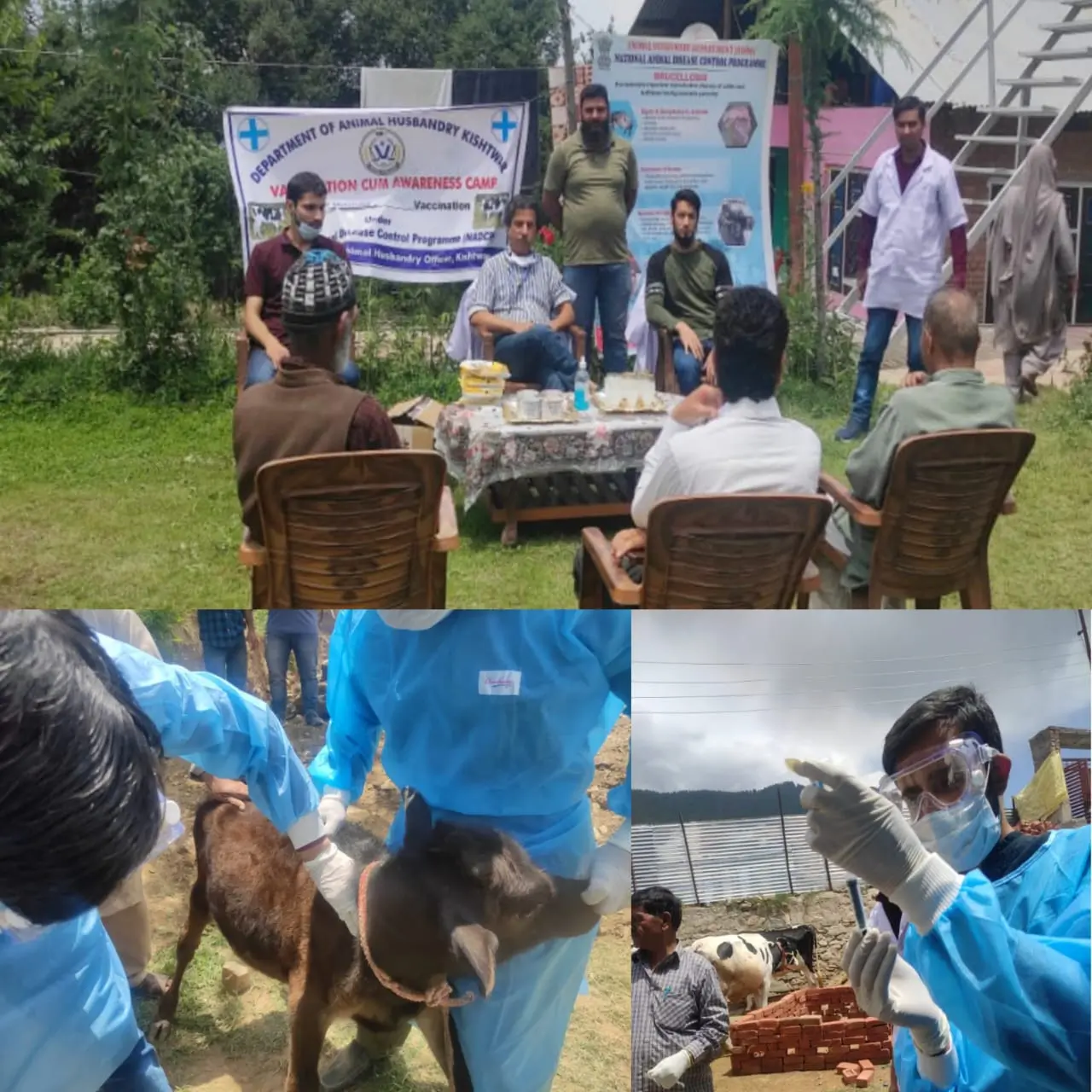
Thank you for reading this post, don't forget to subscribe!Recently, the Government of India launched the National Animal Disease Control Programme (NADCP) to control dangerous livestock diseases such as Foot and Mouth Disease (FMD) and Brucellosis. This step shows how important the livestock sector is for the country’s growth and food security.
What is Animal Rearing?
Animal rearing, also called livestock rearing or animal husbandry, means caring for animals for useful purposes. These purposes include producing milk, meat, eggs, wool, leather, manure, and even transportation in some rural areas.
Animal husbandry is an important part of Indian agriculture. Nearly 55% of the rural population depends directly or indirectly on livestock for livelihood. India also has one of the largest livestock populations in the world.
The main aim of animal rearing is to make animals useful for human life while also creating economic benefits. This sector gives farmers an extra source of income besides crop farming.
National Animal Disease Control Programme (NADCP)
The National Animal Disease Control Programme was launched to control and remove major animal diseases from India.
Main Goals of NADCP
| Objective | Details |
|---|---|
| Vaccination of livestock | More than 600 million animals will be vaccinated |
| Brucellosis control | 36 million female calves vaccinated every year |
| Disease control target | Control by 2025 |
| Disease eradication target | Complete removal by 2030 |
Animals covered under this scheme include:
- Cattle
- Buffaloes
- Sheep
- Goats
- Pigs
The central government fully funds this programme.
Importance of Animal Rearing in India
Animal rearing is important for both the economy and society. It supports millions of families and provides daily necessities.
1. Source of Income
Farmers earn money by selling:
- Milk
- Meat
- Eggs
- Wool
- Leather
- Manure
Even small farmers with little land can raise animals and earn regular income.
2. Employment Generation
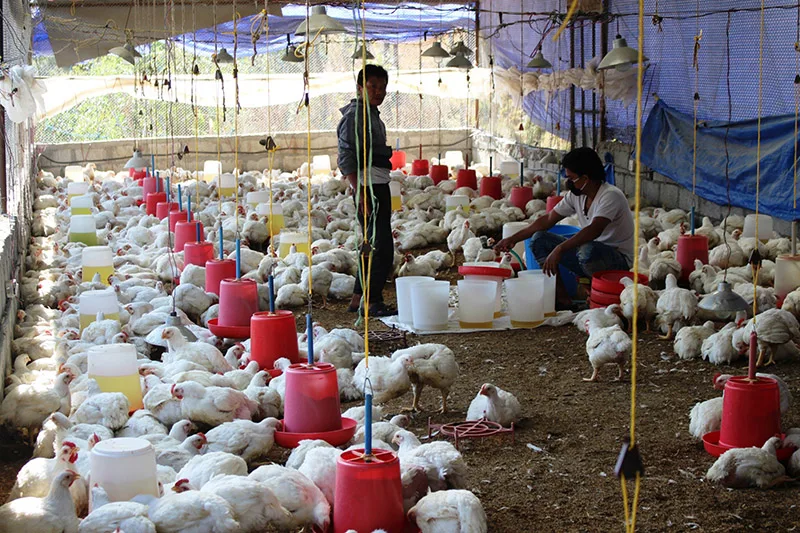
Animal rearing creates jobs in:
- Dairy farming
- Poultry farming
- Veterinary services
- Feed production
- Milk processing
- Transport and marketing
This helps reduce unemployment in rural areas.
3. Food Security
Animal products are rich in nutrients.
| Product | Nutritional Value |
| Milk | Calcium, protein |
| Eggs | Protein, vitamins |
| Meat | Iron, protein |
| Fish | Healthy fats, protein |
These products improve nutrition and help fight malnutrition.
4. Support During Crop Failure
In rain-fed farming areas, crops may fail due to drought or floods. In such situations, livestock becomes a financial backup for farmers.
Farmers can sell milk or animals during emergencies and survive difficult times.
5. Organic Farming Support
Animals provide dung, which is used as:
- Organic manure
- Biogas production
- Fuel (dung cakes)
This reduces dependence on chemical fertilizers.
Role in Poverty Reduction
Animal rearing has become one of the strongest tools to reduce poverty in rural India.
Benefits for Poor Families
- Requires less land compared to farming
- Provides daily or weekly income
- Easy for women and elderly people to manage
- Reduces financial risk
Small and marginal farmers benefit the most from livestock.
Women Empowerment
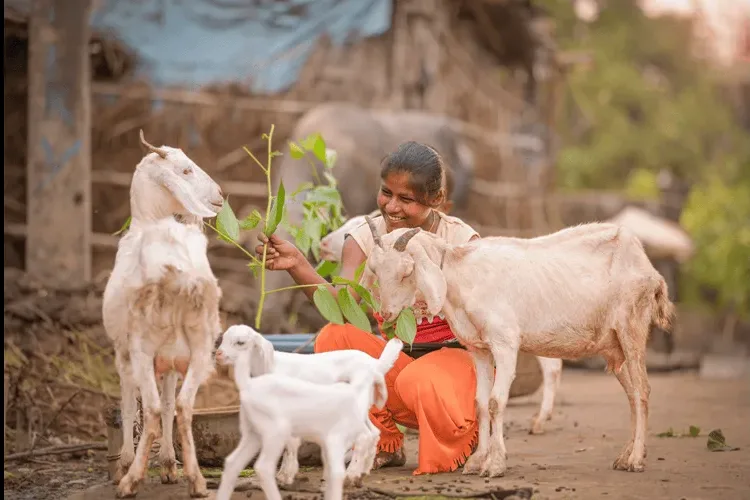
Animal husbandry has greatly improved the economic role of women.
In many villages, women manage:
- Feeding animals
- Milking cows
- Selling milk
- Caring for calves
As a result, women earn money and gain more decision-making power in families.
Growth of Dairy Sector in India
One major success in animal rearing is Operation Flood, launched in 1970.
This programme transformed India’s dairy sector by increasing milk production and helping dairy farmers earn more.
Because of Operation Flood:
- Milk production increased rapidly
- Farmers received better prices
- Consumers got milk at fair prices
- Dairy cooperatives became stronger
India later became one of the largest milk producers in the world.
Challenges in Animal Rearing
Even though the livestock sector is growing, several problems still affect development.
1. Poor Breed Quality
Many farmers do not have access to high-quality breeding animals.
Problems include:
- Lack of superior breeding bulls
- Poor semen quality in laboratories
- Low genetic improvement
This reduces milk and meat production.
2. Shortage of Fodder
Fodder is essential for healthy animals.
Major issues include:
- Limited grazing land
- Low fodder production
- Rising feed cost
Poor nutrition lowers productivity.
3. Animal Diseases
Diseases are one of the biggest threats.
Common livestock diseases include:
- Foot and Mouth Disease (FMD)
- Brucellosis
- Mastitis
- Parasite infections
Diseases cause:
- Low milk production
- Death of animals
- Financial loss to farmers
4. Lack of Veterinary Services
Many rural areas lack proper animal healthcare.
Common problems:
- Fewer veterinary hospitals
- Shortage of trained workers
- Poor vaccination coverage
This delays treatment.
5. Weak Government Implementation
Sometimes government schemes do not reach farmers properly due to:
- Poor coordination
- Lack of awareness
- Delayed support
- Weak monitoring
This reduces scheme effectiveness.
6. Lack of Training
Many farmers still use traditional methods.
Without proper training, they struggle with:
- Scientific feeding
- Disease control
- Breed improvement
- Dairy management
Training is necessary to improve productivity.
Measures to Improve Animal Rearing
Several steps can strengthen the livestock sector.
Better Fodder Supply
The government can encourage farmers to grow fodder crops on cultivable land.
This ensures year-round feed availability.
Improved Breeding
Cross-breeding indigenous animals with high-yield exotic breeds can improve:
- Milk production
- Meat quality
- Disease resistance
However, local breeds should also be protected.
Strong Market Connectivity
Farmers need better access to markets.
This can be improved by:
- Cold storage
- Processing centers
- Transport facilities
- Dairy collection points
Better market access increases profits.
Public-Private Partnership
Private companies and government agencies can work together to improve:
- Animal healthcare
- Feed supply
- Dairy processing
- Technology use
This can modernize the sector.
Disaster Support
Floods, droughts, and cyclones can harm livestock.
A disaster relief fund for animal farmers can help during natural calamities.
Major Government Initiatives
The Government of India has launched many schemes to support animal rearing.
Rashtriya Gokul Mission
This scheme focuses on indigenous cattle breeds.
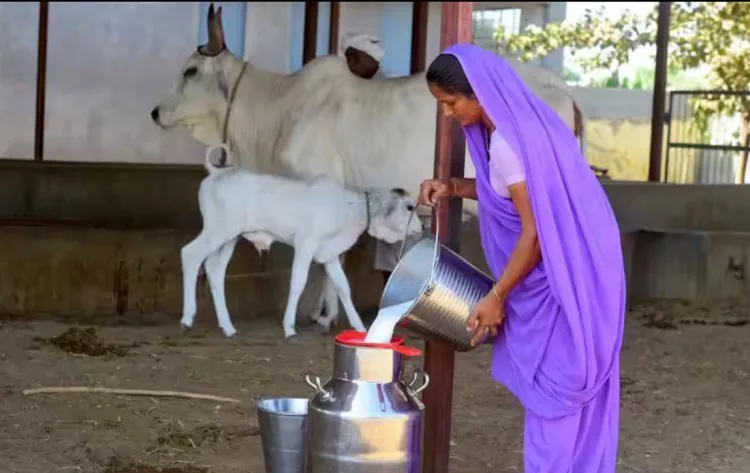
Main goals:
- Protect native breeds
- Increase milk production
- Improve cattle productivity
National Livestock Mission
This mission aims to improve livestock production systems.
Key objectives:
- Better productivity
- Capacity building
- Improved management practices
National Artificial Insemination Programme
This programme improves breeding quality using modern methods.
Benefits include:
- Better genetic improvement
- Higher productivity
- Disease control
National Cattle and Buffalo Breeding Project
This project focuses on:
- Genetic improvement
- Conservation of important breeds
- Better milk production
Animal Husbandry Startup Grand Challenge
This initiative promotes innovation in the livestock sector.
It encourages startups to develop new solutions in:
- Dairy technology
- Animal health
- Smart farming
- Productivity improvement
Future of Animal Rearing in India
The future of animal rearing in India is very promising. Demand for:
- Milk
- Meat
- Eggs
- Fish
- Dairy products
is increasing due to population growth, urbanization, and changing food habits.
Modern technology can transform this sector through:
- Digital livestock management
- Disease monitoring
- Scientific breeding
- Smart feeding systems
With better policies, training, and healthcare, livestock farming can become even more profitable.
Animal rearing can also help India achieve:
- Rural development
- Poverty reduction
- Employment growth
- Better nutrition
- Stronger economy
For landless laborers, small farmers, and rural women, animal rearing remains one of the most reliable ways to earn a sustainable livelihood.
FAQs
Q1. What is animal rearing?
Animal rearing is the practice of raising and caring for animals such as cows, buffaloes, goats, sheep, and poultry for products like milk, meat, eggs, and wool.
Q2. Why is animal rearing important in India?
Animal rearing is important because it provides income, employment, food, and financial security to millions of rural families in India.
Q3. Which animals are commonly reared in India?
Common livestock in India includes cattle, buffaloes, goats, sheep, pigs, poultry, and fish.
Q4. What are the main benefits of animal rearing?
The main benefits include regular income, better nutrition, employment generation, organic manure, and support during crop failure.
Q5. What is the National Animal Disease Control Programme (NADCP)?
NADCP is a government programme launched to control and eliminate livestock diseases such as Foot and Mouth Disease (FMD) and Brucellosis.
Q6. What challenges does the livestock sector face?
Major challenges include animal diseases, shortage of fodder, poor breed quality, lack of veterinary services, and limited farmer training.
Q7. How does animal rearing help reduce poverty?
Animal rearing gives small and landless farmers a steady source of income, helping them improve their livelihood and reduce poverty.
Q8. Which government schemes support animal rearing?
Important schemes include Rashtriya Gokul Mission, National Livestock Mission, National Artificial Insemination Programme, and NADCP.