



Biotechnology and Its Applications in Modern Life

Biotechnology and its applications play an important role in modern science and daily life. Biotechnology means using living organisms, biological systems, or parts of organisms to make useful products and improve human life. In simple words, biotechnology combines biology and technology to solve problems in agriculture, medicine, environment, and industry.
Thank you for reading this post, don't forget to subscribe!Traditional examples of biotechnology include making bread and brewing beverages using yeast. Yeast is a living organism that helps in fermentation. These older methods used organisms in their natural form. Modern biotechnology is much more advanced and often includes changing the genetic material (DNA) of plants, animals, or microbes.
After the development of genetic engineering in the 1970s, biotechnology grew rapidly. Scientists gained the ability to change genes inside organisms, opening new possibilities in healthcare, food production, and scientific research. Today, biotechnology is used to produce medicines, improve crops, treat diseases, manage waste, and generate clean energy.
Biotechnology in Agriculture
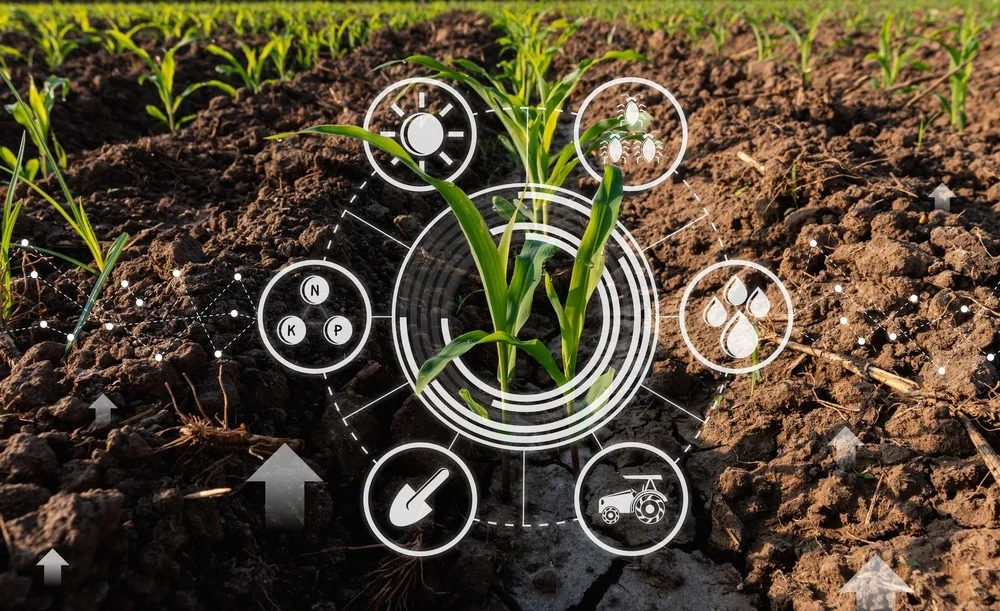
Agriculture is one of the biggest areas where biotechnology is used. Farmers face many challenges such as poor soil, pests, diseases, drought, and climate change. Biotechnology helps in finding better solutions to these problems.
Genetically Modified Crops
Plants, animals, fungi, or bacteria whose genes are changed by scientists are called Genetically Modified Organisms (GMOs).
GM crops help farmers in many ways:
- They can survive in harsh conditions like drought, heat, cold, and salty soil.
- They reduce dependence on chemical pesticides.
- They reduce crop damage after harvesting.
- They improve soil nutrient usage.
- They increase food nutrition.
A famous example is Golden Rice. This rice is enriched with Vitamin A, which helps prevent blindness caused by vitamin deficiency.
Bt Crops and Biopesticides
One important biotechnology product is Bt crops. These crops contain a gene from a bacterium called Bacillus thuringiensis.
This bacterium naturally produces a toxin that kills harmful insects. Scientists inserted this gene into crops so the plants can protect themselves from pests.
Examples include:
- Bt Cotton
- Bt Corn
- Bt Rice
- Bt Tomato
- Bt Potato
- Bt Soybean
Because of this technology, farmers use fewer insecticides, reducing cost and environmental pollution.
Pest Resistant Plants Using RNA Interference
Some pests attack plant roots and reduce crop production. For example, a nematode called Meloidogyne incognita damages tobacco roots.
Scientists use RNA interference (RNAi) to stop such pests. RNAi works by blocking specific genetic messages inside harmful organisms. This prevents them from making necessary proteins, which reduces their ability to survive.
This technology helps create stronger pest-resistant crops.
Biotechnology in Medicine
Medicine is another major field where biotechnology has changed lives. It helps in making better drugs, vaccines, and treatments for serious diseases.
Recombinant DNA Technology
Recombinant DNA (rDNA) technology allows scientists to combine DNA from different organisms. This helps in producing important medicines in large quantities.
These medicines are safer and often more effective than older medicines made from animal sources.
Genetically Engineered Insulin
People with diabetes need insulin to control blood sugar levels.
Earlier, insulin was obtained from animals like pigs and cows. This sometimes caused unwanted reactions in humans.
Biotechnology solved this problem by producing human insulin using bacteria.
Human insulin contains two protein chains:
- Chain A
- Chain B
These chains are connected by chemical bonds. Scientists used recombinant DNA technology to make bacteria produce human insulin, making diabetes treatment safer and more reliable.
Gene Therapy
Gene therapy is one of the most exciting applications of biotechnology.
Some people are born with genetic diseases caused by defective genes. Gene therapy aims to replace or repair these faulty genes.
In this method, scientists insert a healthy gene into the patient’s cells so the body can function properly.
ADA Deficiency Treatment
A well-known example is Adenosine Deaminase (ADA) deficiency.
ADA is an enzyme necessary for a healthy immune system. If a person lacks this enzyme, the immune system becomes weak.
Treatment steps include:
- Doctors collect lymphocyte cells from the patient’s blood.
- These cells are grown in a laboratory.
- A healthy ADA gene is inserted into them.
- The modified cells are returned to the patient.
This improves immunity. If gene correction happens at the embryo stage, it may offer a permanent cure.
Molecular Diagnosis
Early diagnosis is very important for successful treatment.
Traditional tests like blood and urine analysis sometimes fail to detect disease in early stages. Biotechnology provides advanced tools for early detection.
Important methods include:
- Recombinant DNA technology
- PCR
- ELISA
PCR (Polymerase Chain Reaction)
PCR is a powerful method used to detect very small amounts of DNA or RNA.
It can detect infections even before symptoms appear.
PCR is commonly used to diagnose:
- HIV/AIDS
- Cancer-related mutations
- Genetic disorders
- Viral infections
PCR works by copying genetic material millions of times so it becomes easy to identify.
ELISA Test
ELISA stands for Enzyme Linked Immuno-Sorbent Assay.
It detects:
- Antigens (foreign proteins from pathogens)
- Antibodies (proteins made by the immune system)
This test helps diagnose infections quickly and accurately.
CRISPR Technology
One of the newest breakthroughs in biotechnology is CRISPR-Cas9.
CRISPR is a tool used for gene editing. It allows scientists to cut and change DNA at exact locations.
This technology was inspired by the natural defense system of bacteria.
Bacteria store pieces of viral DNA in special sequences called CRISPR arrays. When the virus attacks again, bacteria recognize and destroy it.
Scientists adapted this system for gene editing.
CRISPR is being studied for treating diseases such as:
- Cystic Fibrosis
- Hemophilia
- Sickle Cell Disease
This technology may revolutionize future medicine.
Transgenic Animals
Animals whose DNA has been changed by adding foreign genes are called transgenic animals.
Examples include:
- Rats
- Rabbits
- Pigs
- Sheep
- Cows
- Fish
- Mice
More than 95% of transgenic animals are mice because they are useful for research.
Uses of Transgenic Animals
Study of Normal Body Functions
Scientists use transgenic animals to understand:
- How genes work
- How body organs develop
- How growth occurs
This improves knowledge about human biology.
Study of Diseases
Transgenic animals help scientists study human diseases such as:
This helps in developing better treatments.
Production of Biological Products
Some transgenic animals produce useful proteins in milk or body fluids.
These proteins can be used as medicines.
A famous example is Rosie, the first transgenic cow developed in 1997.
Rosie produced milk enriched with human protein called alpha-lactalbumin, making it nutritionally better for babies.
Vaccine Safety Testing
Transgenic mice are used to test vaccine safety before human use.
For example, they are used in testing the safety of the Polio vaccine.
This reduces dependence on other animals.
Chemical Safety Testing
Scientists also use transgenic animals for toxicity testing.
These animals are made more sensitive to toxic chemicals. As a result, harmful effects of chemicals can be studied faster.
Biotechnology in India
India has made strong progress in biotechnology.
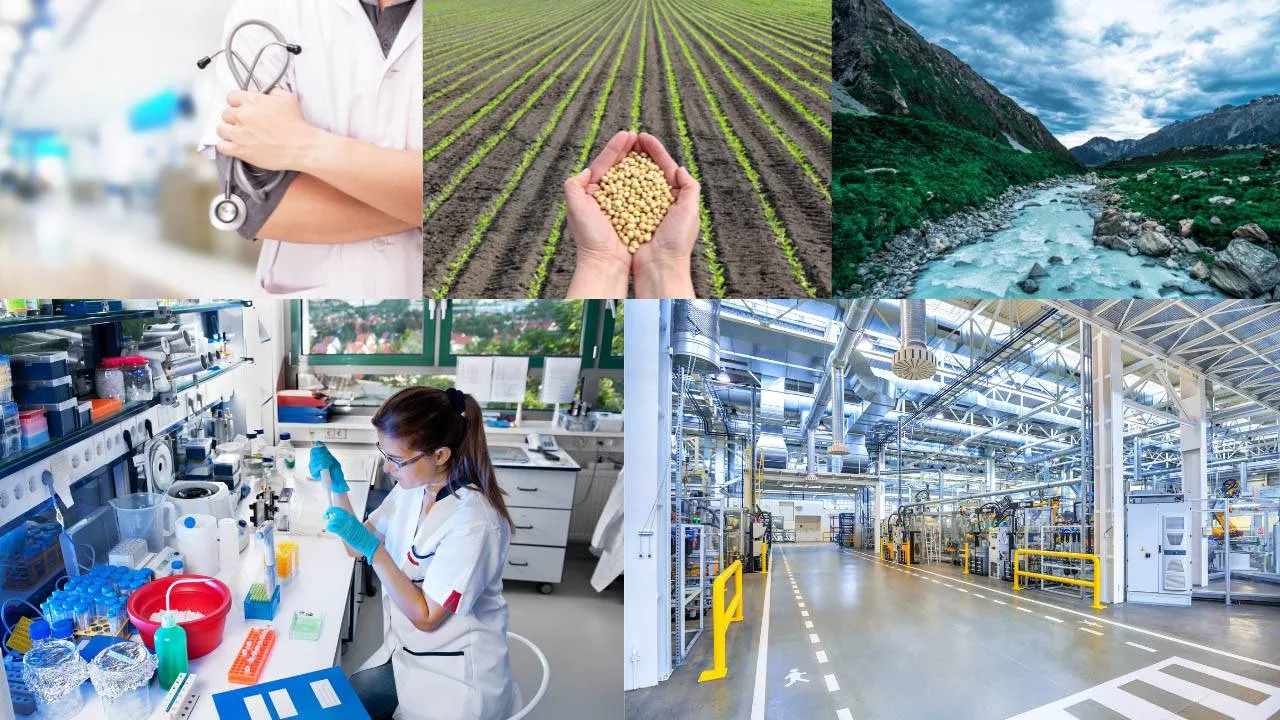
The main government body managing biotechnology programs is the Department of Biotechnology (DBT) under the Ministry of Science and Technology.
Its major goals are:
- Promote research
- Build infrastructure
- Develop skilled manpower
- Support biotechnology industries
- Increase public awareness
India also promotes bioinformatics and advanced research networks.
Genetic Engineering Appraisal Committee (GEAC)
The GEAC works under the Ministry of Environment, Forest and Climate Change.
Its major responsibilities include:
- Checking safety of genetically modified organisms
- Reviewing field trials of GM crops
- Approving environmental release of GE products
- Ensuring biosafety rules are followed
GEAC plays an important role in balancing innovation and environmental safety.
Major Biotechnology Programs in India
India runs many important biotechnology projects, including:
- Wheat Genome Sequencing Programme
- Rice Functional Genomics
- Crop Biofortification Programme
- National Plant Gene Repository
- Chickpea Genomics Programme
These programs help improve crop quality, productivity, and nutrition.
Biotechnology in Public Health and Nutrition
Biotechnology also improves nutrition and public health.
Its applications include:
- Fighting micronutrient deficiency
- Reducing severe malnutrition
- Food fortification
- Probiotic development
- Food safety testing
- Detection of GM traits in food
Scientists are also developing low-cost food supplements from agricultural waste.
Biotechnology and its applications are transforming the world. From better crops and disease treatment to improved food and cleaner environments, biotechnology offers solutions to many global problems. In the future, biotechnology can help solve major challenges like food shortage, water scarcity, and disease outbreaks. With responsible use, it can greatly improve human life and support sustainable development.
FAQs
Q1. What is biotechnology?
Biotechnology is the use of living organisms, cells, or biological systems to develop useful products and technologies for agriculture, medicine, and industry.
Q2. What are the main applications of biotechnology?
The main applications of biotechnology include agriculture, medicine, food production, waste treatment, environmental protection, and energy generation.
Q3. What is a GMO?
A GMO (Genetically Modified Organism) is a plant, animal, or microorganism whose genetic material has been changed using genetic engineering.
Q4. How is biotechnology useful in agriculture?
Biotechnology helps improve crop quality, increase production, make crops pest-resistant, and reduce the use of chemical pesticides.
Q5. What is Bt cotton?
Bt cotton is a genetically modified cotton plant containing a gene from the bacterium Bacillus thuringiensis, which protects it from harmful insects.
Q6. How does biotechnology help in medicine?
Biotechnology helps produce medicines like insulin, develop vaccines, improve disease diagnosis, and create advanced treatments such as gene therapy.
Q7. What is CRISPR technology?
CRISPR is a modern gene-editing technology that allows scientists to change DNA sequences accurately for research and disease treatment.
Q8. What is gene therapy?
Gene therapy is a treatment method that repairs or replaces faulty genes to cure genetic diseases.