Comprehensive Guide to Countries and Their National Games for Students and Exam Success

National games reflect the cultural heritage, history, and values of a country. They often embody traditions, physical prowess, or strategic thinking that have been cherished for generations. The fascinating world of countries and their national games, exploring their origins, significance, and how they unite people. Below, we’ll uncover a variety of national games, their unique characteristics, and their role in shaping cultural identities.
Thank you for reading this post, don't forget to subscribe!Understanding the Concept of National Games
A national game is a sport or recreational activity officially or unofficially recognized as a symbol of a country’s culture. While some countries have formally declared national games, others have sports that are culturally significant without official designation. These games often stem from historical practices, local traditions, or colonial influences, making them a window into a nation’s past and present.
Why Countries and Their National Games Matter
National games are more than just pastimes; they are a source of pride and identity. They foster community spirit, encourage physical fitness, and often carry deep historical or symbolic meaning. For instance, a game might originate from ancient rituals, military training, or agricultural practices. Understanding countries and their national games helps us appreciate the diversity of global cultures and the shared human love for play.
A Global Overview of Countries and Their National Games
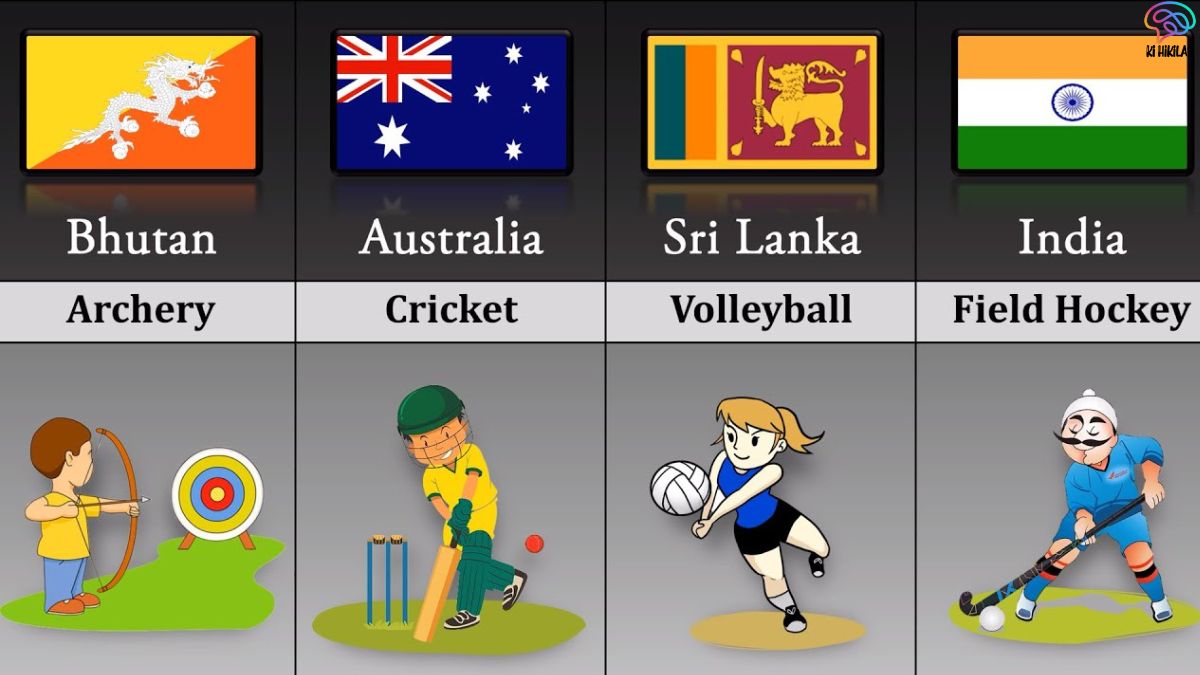
To provide a clear picture, the table below lists several countries, their national games, and key details about each sport. This comprehensive overview highlights the diversity of national games worldwide.
| Country | National Game | Description | Cultural Significance |
|---|---|---|---|
| India | Field Hockey | A team sport played with sticks and a ball, aiming to score goals. | Historically significant, symbolizing India’s sporting legacy with multiple Olympic medals. |
| Canada | Ice Hockey (Winter), Lacrosse (Summer) | Ice hockey involves skating and striking a puck; lacrosse uses sticks and a ball. | Ice hockey unites Canadians in winter, while lacrosse reflects indigenous heritage. |
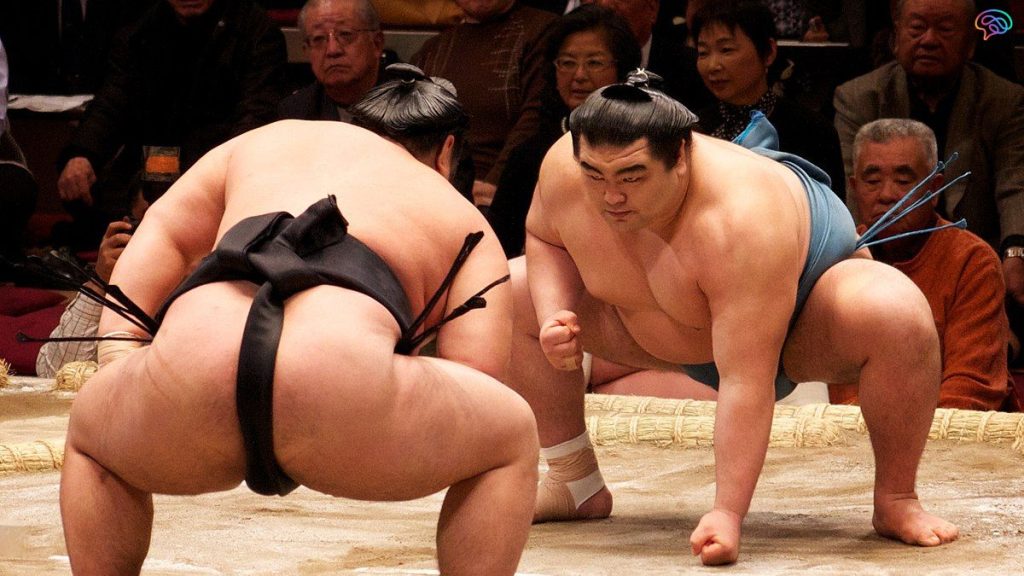
| Japan | Sumo Wrestling | A traditional wrestling sport where competitors push each other out of a ring. | Rooted in Shinto rituals, sumo embodies discipline and Japanese cultural values. |
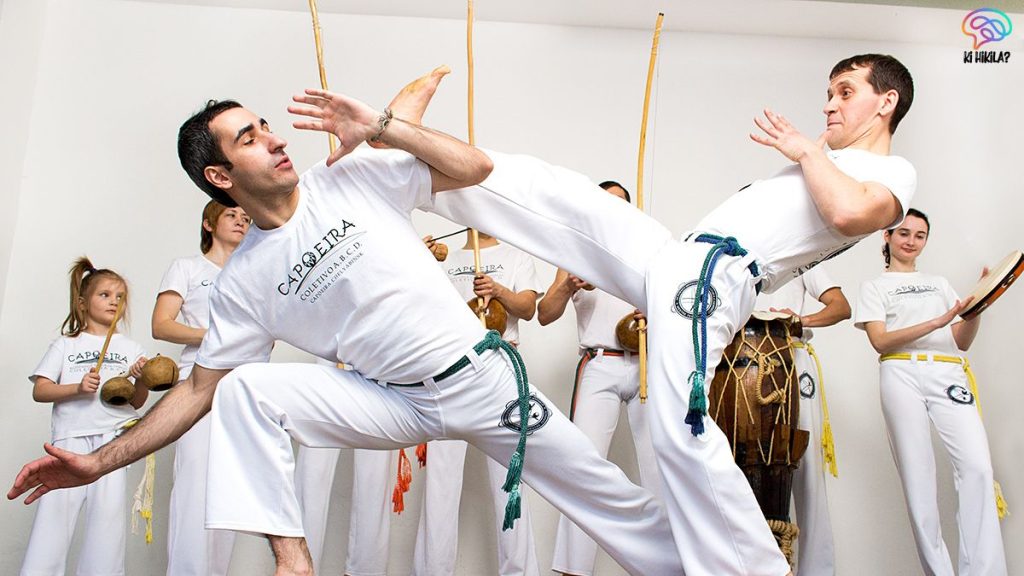
| Brazil | Capoeira | A martial art combining dance, acrobatics, and music. | Originating from African slaves, it symbolizes resistance and cultural fusion. |
| Scotland | Golf | A precision sport involving hitting a ball into holes across a course. | Originating in Scotland, golf reflects the country’s historical innovation in sports. |
| Argentina | Pato | A horseback game combining elements of polo and basketball. | Reflects gaucho culture and Argentina’s equestrian traditions. |
| Bhutan | Archery | A precision sport using bows and arrows to hit targets. | Central to Bhutanese festivals, symbolizing skill and community bonding. |
| Bangladesh | Kabaddi | A contact sport where players raid the opponent’s half to tag and return. | Deeply rooted in rural traditions, it showcases physical agility and teamwork. |
| Russia | Bandy | A team sport similar to ice hockey, played with a ball on a large ice rink. | Popular in Russia’s cold climate, it reflects endurance and strategic play. |
| New Zealand | Rugby Union | A contact sport with scrums, tries, and intense physical play. | Central to Kiwi identity, symbolizing strength and national pride. |

Highlighting Key Countries and Their National Games
India: Field Hockey
Field hockey holds a special place in India’s sporting history. As the national game, it has brought the country immense pride, with the Indian men’s team securing multiple Olympic gold medals between 1928 and 1980. The sport involves two teams of 11 players using curved sticks to maneuver a ball into the opponent’s goal. Its popularity in India reflects the nation’s passion for fast-paced, skillful sports.
Canada: Ice Hockey and Lacrosse
Canada uniquely recognizes two national games: ice hockey for winter and lacrosse for summer. Ice hockey, played on ice with skates and a puck, is a cultural phenomenon, uniting communities during long winters. Lacrosse, with its indigenous roots, involves players using sticks with nets to catch and throw a ball. Both sports highlight Canada’s diverse heritage and love for dynamic, team-based activities.
Japan: Sumo Wrestling
Sumo wrestling, Japan’s national game, is steeped in tradition and spirituality. Originating from Shinto rituals, sumo involves two wrestlers attempting to push each other out of a circular ring or force them to touch the ground. The sport emphasizes discipline, strength, and respect, with professional tournaments drawing massive audiences in Japan.
Brazil: Capoeira
Capoeira, Brazil’s national game, blends martial arts, dance, and music. Developed by enslaved Africans in Brazil, it was a form of resistance and self-expression. Practitioners form a circle (roda) and engage in fluid, acrobatic movements to the rhythm of traditional instruments like the berimbau. Capoeira reflects Brazil’s multicultural history and vibrant spirit.
The Cultural Impact of National Games
National games often serve as a cultural bridge, connecting past traditions with modern identities. For example, archery in Bhutan is not just a sport but a communal activity during festivals, where entire villages participate. Similarly, rugby in New Zealand is a unifying force, with the All Blacks’ haka performance symbolizing Maori heritage and national pride.
How Countries and Their National Games Evolve
Some national games have evolved with time. For instance, field hockey in India has faced competition from cricket in terms of popularity, yet it remains a symbol of national pride. In contrast, sports like sumo in Japan have retained their traditional essence while adapting to modern audiences through televised tournaments. Understanding the evolution of countries and their national games reveals how societies balance tradition with modernity.
The Role of National Games in Global Unity
National games also foster global connections. International tournaments, such as the Olympics or World Championships, allow countries to showcase their national games on a global stage. For instance, field hockey’s global reach has grown through events like the Hockey World Cup, while rugby’s Rugby World Cup unites fans worldwide. These events highlight how countries and their national games contribute to cultural exchange and mutual respect.
Exploring countries and their national games offers a unique lens into global cultures. From the spiritual depth of sumo in Japan to the rhythmic grace of capoeira in Brazil, these games tell stories of history, resilience, and community. The table and examples above illustrate the diversity and significance of national games, inviting us to appreciate the rich tapestry of human traditions. Whether you’re a sports enthusiast or a cultural explorer, understanding countries and their national games is a rewarding journey into the heart of global heritage.

Also Read:
US Open Tennis Winner List: Complete Champions Guide (2024 Updated)
Tennis Grand Slam Winners: Complete List, History & Key Records in 2025
FAQ on Countries and Their National Games
1. What are national games of countries?
National games are officially recognized or traditionally associated sports that represent a country’s culture and identity.
2. Which is the national game of India?
Although commonly believed to be hockey, India has no officially declared national game.
3. What is the national game of the USA?
Baseball is considered the national game of the United States.
4. Which country has cricket as its national game?
England and Australia recognize cricket as their national game.
5. What is the national game of Canada?
Canada has two: ice hockey (winter) and lacrosse (summer).
6. Which is the national game of Japan?
Sumo wrestling is the national game of Japan.
7. What is the national game of China?
Table Tennis is recognized as the national game of China.
8. Which country has football (soccer) as its national game?
Countries like Brazil, France, and Italy have football as their national game.
9. What is the national game of Russia?
Bandy, a form of ice hockey, is considered Russia’s national game.
10. Why is it important to learn countries and their national games?
It helps in GK, cultural awareness, and competitive exams like SSC, UPSC, and Banking.