
Elderly in India: Challenges, Government Schemes, Rights and Importance of Senior Citizens

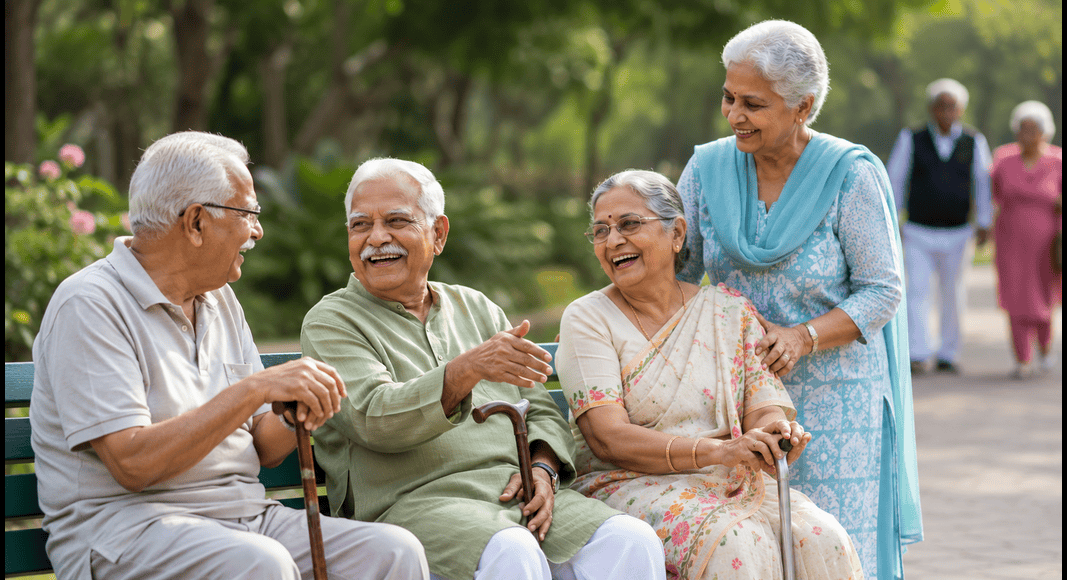
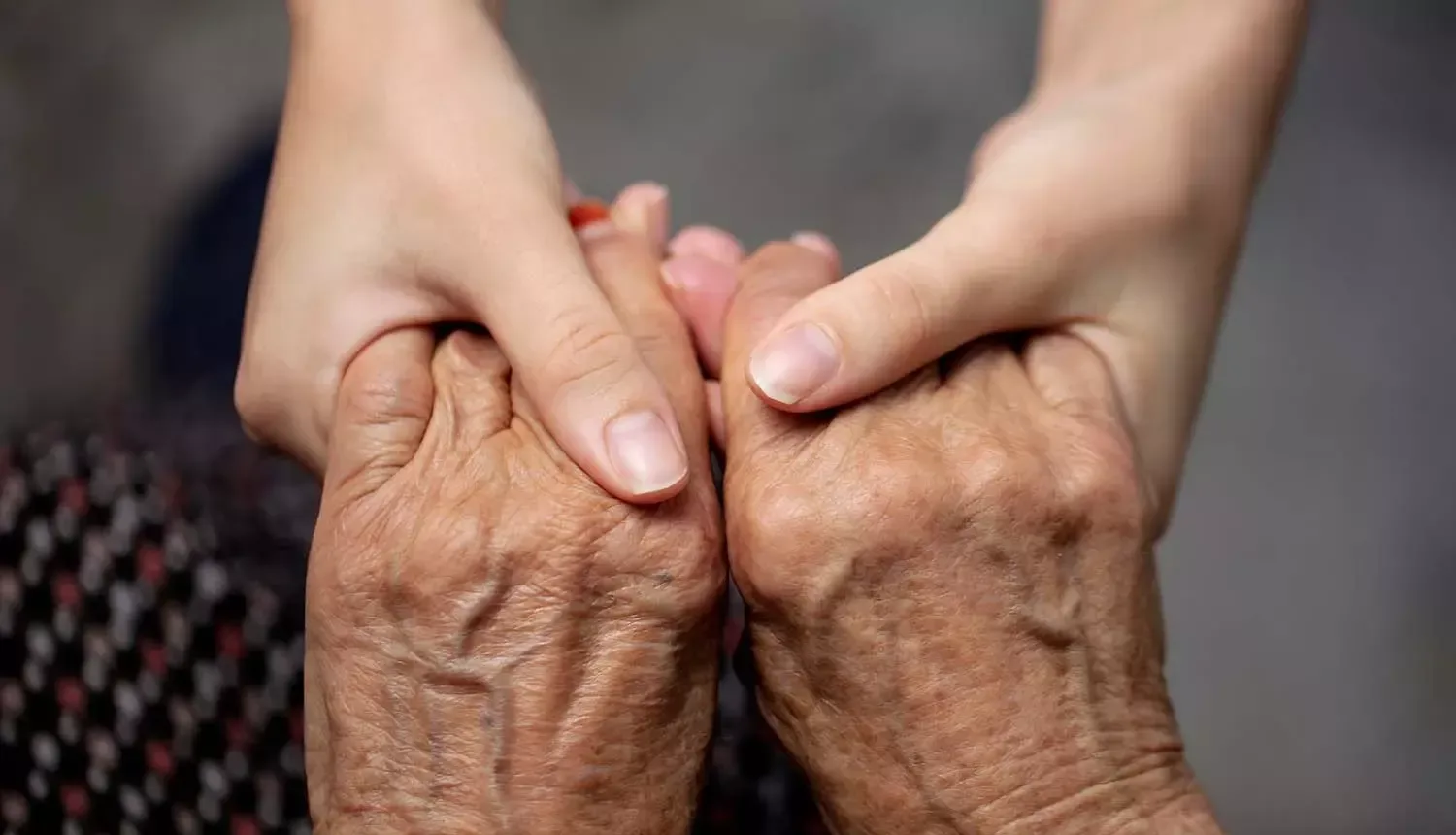
Elderly in India is an increasingly important topic because the country’s senior citizen population is growing rapidly. With improvements in healthcare, nutrition, and living conditions, people are living longer than before. While longer life expectancy is a positive sign of development, it also brings new social, economic, and healthcare challenges.
Thank you for reading this post, don't forget to subscribe!Senior citizens are valuable members of society. They possess knowledge, wisdom, experience, and cultural values gained over many decades. Their guidance helps families and communities grow stronger. However, many elderly people face difficulties such as loneliness, financial insecurity, health problems, and lack of social support.
Recognizing these issues, the Government of India has introduced several welfare schemes, legal protections, and policies to improve the quality of life of senior citizens. Understanding the condition of the elderly population is essential for creating an inclusive and caring society.
What is Ageing?
Ageing is a natural and continuous process that begins at birth and continues throughout life. It is universal and irreversible, meaning every person experiences ageing and it cannot be stopped.
Generally, old age begins when a person’s physical strength and economic productivity start declining. In India, according to the National Policy on Older Persons, individuals aged 60 years and above are considered elderly or senior citizens.
Ageing affects people differently. Some senior citizens remain active and healthy for many years, while others may require support because of health issues and reduced mobility.
Elderly Population in India
India is witnessing a steady rise in its elderly population.
Key Statistics
- According to the Census 2011, India had approximately 104 million senior citizens.
- Elderly people constituted about 8.6% of the total population in 2011.
- This percentage was only 5.5% in 1951.
- It is expected to rise to around 19% by 2050.
- About 71% of elderly people live in rural areas.
- Around 29% reside in urban areas.
These figures indicate that India is gradually moving towards an ageing society.
The increasing number of elderly people means that governments, communities, and families must prepare for their changing needs.
Feminisation of Ageing
One of the major trends observed in India is the feminisation of ageing.
This means that women form an increasingly large share of the elderly population.
Reasons for Feminisation of Ageing
- Women generally live longer than men.
- Better healthcare facilities have improved female life expectancy.
- Many elderly women become widows and live alone.
The sex ratio among elderly people has steadily increased over the years.
Experts predict that the population of people aged 80 years and above will grow significantly in the coming decades. A large proportion of this group will consist of widowed women who may require special care and support.
Therefore, government policies must pay particular attention to elderly women.
Importance of Senior Citizens in Society
Senior citizens are not merely dependents. They play a valuable role in society.
1. Source of Experience
Elderly individuals have spent decades learning from life. Their experiences help younger generations avoid mistakes and make better decisions.
2. Preserving Culture and Traditions
Grandparents often pass down family traditions, customs, languages, and values.
3. Emotional Support
Senior citizens provide emotional stability within families. Their presence often strengthens family bonds.
4. Mentorship
Retired professionals can guide students, entrepreneurs, and young workers through mentorship and counselling.
5. Community Leadership
Many senior citizens actively participate in social, religious, and community activities.
6. Conflict Resolution
Their maturity and understanding help resolve family and community disputes peacefully.
Problems Faced by Elderly People in India
Despite their importance, many senior citizens face several difficulties.
Social Problems
Breakdown of Joint Families
Traditionally, Indian families lived together in joint family systems. Elderly parents received care and support from their children.
Today, nuclear families have become more common.
As a result:
- Elderly parents may live alone.
- Emotional support decreases.
- Family bonds may weaken.
Urbanization and Migration
Young people often move to cities for education and employment.
This leaves elderly parents behind in villages, leading to loneliness and isolation.
Loneliness and Isolation
Many elderly people suffer from:
- Lack of companionship
- Depression
- Feelings of neglect
- Social exclusion
Generation Gap
Differences in attitudes, values, and lifestyles between generations can create misunderstandings and conflicts.
Loss of Social Status
Retirement may reduce social interaction and professional identity, causing feelings of helplessness and reduced self-worth.
Economic Problems
Financial insecurity is one of the biggest concerns among senior citizens.
Retirement
After retirement, regular income often stops or decreases significantly.
Many elderly people depend on:
- Pension
- Savings
- Financial support from children
Not everyone has adequate retirement savings.
Rising Healthcare Costs
Medical expenses increase with age.
Costs include:
- Medicines
- Hospital visits
- Surgeries
- Long-term treatment
These expenses can put financial pressure on elderly individuals and their families.
Poverty
Many elderly people, especially in rural areas, lack financial security and live below the poverty line.
Housing Problems
Some senior citizens face challenges related to:
- Inadequate housing
- Lack of age-friendly infrastructure
- Absence of assisted living facilities
Health Problems Faced by the Elderly
Health issues become more common with increasing age.
Physical Health Problems
Common conditions include:
- Arthritis
- Diabetes
- Hypertension
- Heart disease
- Osteoporosis
Disabilities
Many elderly people suffer from:
- Vision impairment
- Hearing loss
- Mobility issues
- Physical disabilities
Mental Health Issues
Mental health often receives less attention.
Common problems include:
- Depression
- Anxiety
- Dementia
- Alzheimer’s disease
Lack of Geriatric Care
Geriatric care refers to specialized healthcare for older adults.
Challenges include:
- Shortage of trained professionals
- Limited healthcare facilities in rural areas
- Poor awareness about elderly healthcare
Government Schemes for Senior Citizens
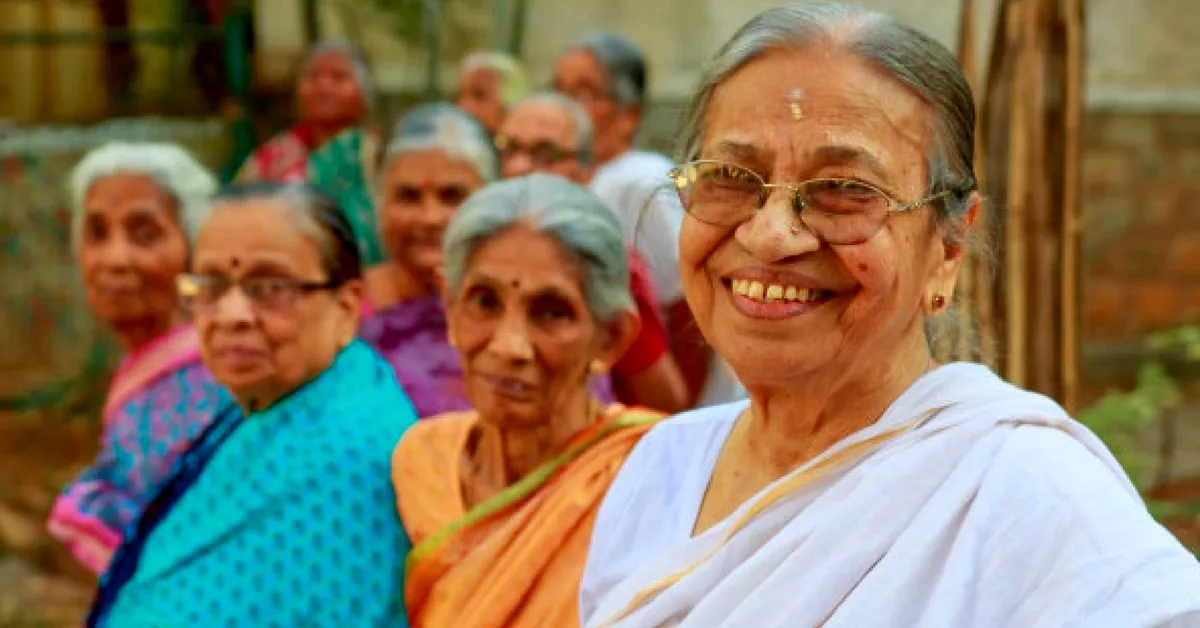
The Government of India has introduced several welfare programs for elderly citizens.
Integrated Programme for Older Persons (IPOP)
This scheme is implemented by the Ministry of Social Justice and Empowerment.
Objectives
- Improve quality of life
- Provide shelter
- Offer food and healthcare services
- Create opportunities for recreation
The scheme supports institutions working for senior citizens.
Rashtriya Vayoshri Yojana (RVY)
This scheme supports elderly persons belonging to economically weaker sections.
Benefits
Provides free assistive devices such as:
- Walking sticks
- Wheelchairs
- Hearing aids
- Spectacles
- Artificial dentures
- Crutches
These devices help improve mobility and independence.
Indira Gandhi National Old Age Pension Scheme (IGNOAPS)
This scheme provides financial assistance to elderly people living below the poverty line.
Benefits
- Monthly pension for people aged 60–79 years
- Higher pension for people aged 80 years and above
The scheme helps elderly individuals meet their basic needs.
Varishtha Pension Bima Yojana (VPBY)
This pension scheme aims to provide guaranteed income to senior citizens.
Features
- Assured pension
- Fixed returns on investment
- Social security during retirement
It helps elderly individuals maintain financial stability.
Pradhan Mantri Vaya Vandana Yojana (PMVVY)
This scheme is implemented through the Life Insurance Corporation (LIC).
Objectives
- Provide regular pension income
- Ensure financial security during old age
- Offer guaranteed returns
It is one of the most popular retirement-oriented schemes in India.
Vayoshreshtha Samman
This is a national award presented annually to outstanding senior citizens and institutions working for elderly welfare.
Purpose
- Recognize contributions of senior citizens
- Encourage positive ageing
- Promote respect for elders
Legal Rights of Senior Citizens
India provides legal protection to elderly people through various laws and constitutional provisions.
Constitutional Provisions
Article 41
Directs the State to provide assistance in cases of old age, unemployment, and disability.
Article 46
Promotes protection of weaker sections of society.
Although these provisions are not legally enforceable, they guide government policies.
Hindu Adoption and Maintenance Act, 1956
This law makes it obligatory for children to support and maintain their aged parents.
Section 125 of Criminal Procedure Code (CrPC)
Under this provision, elderly parents can legally claim maintenance from their children if they are unable to support themselves.
Maintenance and Welfare of Parents and Senior Citizens Act, 2007
This is one of the most important laws for senior citizens.
Key Features
- Children and heirs are legally responsible for maintaining parents.
- Senior citizens can seek maintenance through tribunals.
- Provides protection against neglect and abandonment.
The Act aims to ensure dignity and security for elderly individuals.
International Efforts for Elderly Welfare
The issue of ageing is not limited to India.
International Plan on Ageing (1982)
This was the first major global initiative focusing on the rights and welfare of older persons.
Madrid International Plan of Action on Ageing (2002)
This plan emphasized:
- Healthy ageing
- Social participation
- Economic security
- Human rights of older persons
Countries around the world continue to develop policies based on these principles.
Challenges in Elderly Welfare
Despite many schemes and laws, several challenges remain.
Lack of Awareness
Many senior citizens are unaware of their rights and available government benefits.
Poor Implementation
Schemes often fail to reach all beneficiaries due to administrative delays and lack of coordination.
Limited Healthcare Infrastructure
Healthcare facilities specifically designed for elderly people remain inadequate.
Social Neglect
Some senior citizens continue to face emotional abuse, neglect, and abandonment.
Growing Elderly Population
The rapidly increasing number of elderly citizens places additional pressure on healthcare and social welfare systems.
Measures to Improve the Condition of Elderly People
Several steps can help improve the lives of senior citizens.
Increase Pension Support
Pension amounts should be revised regularly to keep pace with inflation.
Better Healthcare Facilities
Government should:
- Expand geriatric healthcare services
- Increase availability of specialists
- Improve rural healthcare infrastructure
Affordable Housing
Special housing projects for elderly people should be promoted.
Assisted Living Facilities
Care homes and assisted living centers should be developed for elderly individuals requiring support.
Social Engagement Programs
Community centers, libraries, and senior citizen clubs can reduce loneliness.
Awareness Campaigns
People should be educated about:
- Elderly rights
- Respect for senior citizens
- Government welfare schemes
Encourage Family Support
Families should be encouraged to care for elderly members and maintain strong intergenerational relationships.
Conclusion
Elderly in India is a subject of growing importance as the country’s senior citizen population continues to rise. Older people have made significant contributions to families, communities, and the nation throughout their lives. They deserve dignity, respect, security, and proper care during their later years.
Although India has introduced several welfare schemes, legal protections, and policy initiatives, many elderly people still face social isolation, financial difficulties, and health challenges. Strengthening healthcare systems, increasing pension support, improving awareness, and encouraging family and community participation can greatly enhance their quality of life.
A truly developed society is one that values and protects its senior citizens. By ensuring the well-being of the elderly, India can build a more compassionate, inclusive, and responsible future for all generations.
FAQs About Elderly in India
1. Who is considered an elderly person in India?
A person aged 60 years or above is considered an elderly or senior citizen in India.
2. What is ageing?
Ageing is a natural and irreversible process of growing older that continues throughout a person’s life.
3. How many elderly people live in India?
According to Census 2011, India had around 104 million elderly people.
4. What are the major problems faced by senior citizens in India?
They face social isolation, financial insecurity, health issues, loneliness, and lack of proper care.
5. What is the feminisation of ageing?
It refers to the increasing proportion of elderly women in the ageing population due to higher life expectancy.
6. What is the Indira Gandhi National Old Age Pension Scheme (IGNOAPS)?
It is a government scheme that provides pension support to elderly people living below the poverty line.
7. What is Rashtriya Vayoshri Yojana (RVY)?
It is a scheme that provides free assistive devices such as wheelchairs, hearing aids, and walking sticks to eligible senior citizens.
8. What legal protection do senior citizens have in India?
The Maintenance and Welfare of Parents and Senior Citizens Act, 2007 protects the rights of elderly people and ensures support from children or heirs.
9. Why are senior citizens important to society?
They provide experience, wisdom, cultural values, emotional support, and guidance to younger generations.
10. How can the condition of elderly people be improved in India?
Through better healthcare, higher pensions, elderly-friendly housing, social support programs, and stronger family care.