

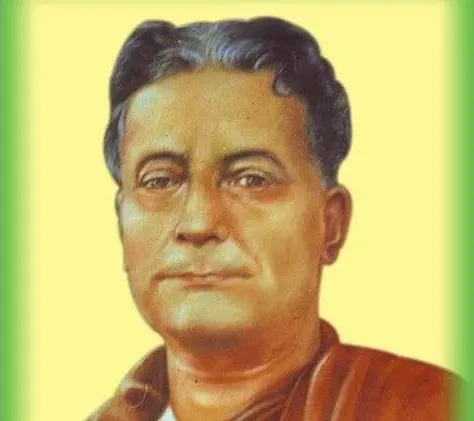
Lakshminath Bezbaruah: Father of Modern Assamese Literature

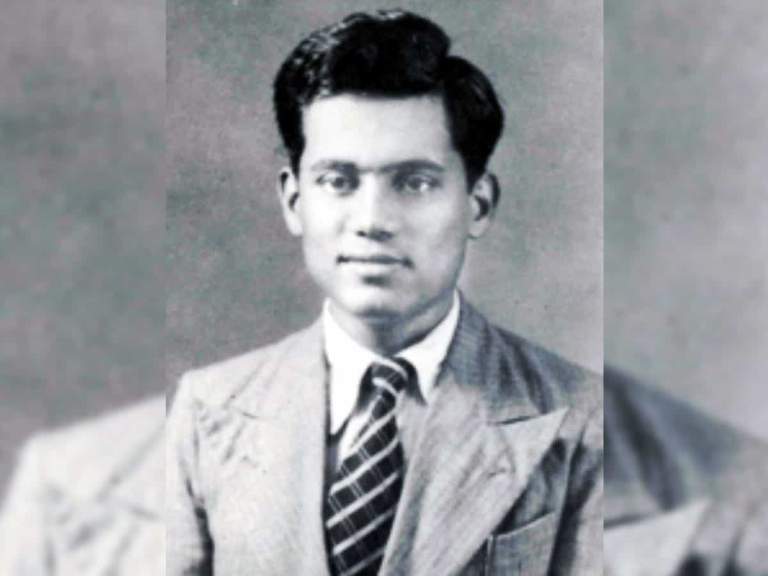
Lakshminath Bezbarouah is one of the most important names in Assamese literature. He is often called the “father of modern Assamese literature” because of his huge contribution to language, culture, and society. His writings not only entertained people but also inspired them to think, grow, and feel proud of their identity. Even today, his works are loved and respected by readers of all ages.
Early Life and Background
Lakshminath Bezbaruah was born on November 14, 1864, in Batadrava, in the Nagaon district of Assam. He came from a well-educated family that had a strong interest in literature and learning. This environment helped him develop a love for reading and writing from a young age.

He completed his early education in Assam and later studied at Cotton College in Guwahati. After that, he went to Calcutta (now Kolkata) and graduated from Calcutta University. During his time in Kolkata, he came in contact with Western literature and ideas. This exposure had a deep impact on his writing style.
Education and Influences
While studying in Kolkata, Bezbaruah learned about different types of literature from both India and the West. He also came in contact with the famous Tagore family and later married Pragyasundari Devi, who was related to Rabindranath Tagore.
This connection gave him a wider view of literature and culture. However, even though he was influenced by Western ideas, he always stayed connected to his Assamese roots. His main goal was to develop Assamese language and literature.
Beginning of His Literary Journey
Lakshminath Bezbaruah started his literary career in the late 19th century. His first major work was a humorous play called Litikai, published in 1890. This work showed his talent for humor and satire.
He was one of the founders of the Jonaki magazine, which played a key role in modernizing Assamese literature. The Jonaki era is often considered the beginning of modern Assamese literature, and Bezbaruah was one of its leading figures.
Major Works and Contributions
Bezbaruah wrote in many forms such as poetry, short stories, novels, essays, dramas, and biographies. His versatility made him one of the most important writers in Assamese literature.
1. Poetry
His poetry reflects Assamese culture, traditions, and social issues.
- Rashmala (1894):
This collection marked the beginning of modern Assamese poetry. It combines traditional themes with new ideas. - Kadamkali (1913):
Another important collection that shows his poetic skills and deep emotions. - O Mur Apunar Desh (1909):
This famous poem later became the state anthem of Assam. It expresses deep love and pride for the homeland.
2. Short Stories and Essays
Bezbaruah used storytelling to reflect real-life issues and social problems.
- Kokaidew (1910):
A story that shows traditional Assamese life and values. - Mekhela (1910):
Focuses on social customs and cultural identity. - Burhi Aair Xadhu (1909):
One of his most popular works. It is a collection of folk tales that are still loved by children and adults. - Asomiya Sahitya (1915):
An important essay where he discusses the growth and future of Assamese literature. - Kripabor Baruahar Kakotor Tupula:
A collection of humorous and satirical writings under the pen name Kripaabar Baruah.
3. Novels
- Podumkuwari (1905):
A historical novel known for its storytelling and patriotic spirit.
4. Drama
Bezbaruah also made great contributions to Assamese theatre.
- Joymoti Konwari (1910):
A historical drama based on Assamese history. - Chakradhwaj Singha and Belimaar:
Plays that highlight heroic characters from Assam’s past. - Joomon (1906):
A modern play that deals with social issues and reform.
5. Biographies and Other Works
- Sankardeva (1911) and Sri Sankardeva aru Madhabdeva (1914):
These works highlight the lives and contributions of great Assamese saints. - Mor Jivan Suwaran:
His autobiography that gives a glimpse of his personal life and experiences. - The Religion of Love and Devotion:
A speech that explains the philosophy of Vaishnavism.
Role in Assamese Literary Movement
Lakshminath Bezbaruah played a key role in the growth of Assamese literature during a time when the language was struggling to survive.
During the British period, Assamese language faced many challenges. Many people preferred Bengali or English. Bezbaruah worked hard to promote Assamese language and prove that it was rich and capable of expressing modern ideas.
He was part of the Asomiya Bhasa Unnati Sadhini Sabha, which aimed to improve Assamese language and literature. Through the Jonaki magazine, he and his friends introduced new ideas, styles, and themes.
The “Bezbaruah Yug”
The period between 1890 and 1938 is often called the Bezbaruah Yug (Era) in Assamese literature. This is because his influence during this time was very strong.
He wrote in almost every literary form and set new standards for future writers. His works reflected the thoughts, emotions, and dreams of the Assamese people.
Contribution to Assamese Culture
Bezbaruah was not just a writer; he was also a cultural leader.
- He promoted Assamese traditions and folklore.
- He encouraged people to take pride in their identity.
- He used literature to spread awareness about social issues.
- He supported cultural unity and development.
His famous work Burhi Aair Xadhu helped preserve Assamese folk stories, which might have been lost over time.
Writing Style and Features
Lakshminath Bezbaruah’s writing style was simple, clear, and powerful.
Some key features of his writing include:
- Use of simple and easy language
- Strong connection with Assamese culture
- Use of humor and satire
- Focus on social reform
- Blend of tradition and modern ideas
He believed that literature should be connected to the people and their daily lives.
Influence of Other Cultures
While living in Kolkata for more than 30 years, Bezbaruah was influenced by Bengali culture and Western literature. However, he never lost his Assamese identity.
Instead, he used these influences to improve Assamese literature. He combined modern ideas with traditional values, creating a unique style.
Impact on Society
Bezbaruah’s works had a strong impact on society.
- He raised awareness about social problems.
- He encouraged education and progress.
- He inspired people to fight against injustice.
- He promoted unity and cultural pride.
His writings helped bring a new awakening in Assamese society.
Contribution to Language Development
One of his greatest achievements was developing the Assamese language.
Before his time, Assamese was not widely used in literature. Bezbaruah proved that it could be used to express deep thoughts and emotions.
He helped standardize the language and made it more modern and expressive.
Recognition and Legacy
Lakshminath Bezbaruah is remembered as one of the greatest literary figures in Assam.
- Many institutions are named after him.
- The Lakshminath Bezbaruah Award is given to honor contributions to Assamese literature.
- His works are still taught in schools and colleges.
He passed away in 1938, but his legacy continues to inspire generations.
Importance of Folk Literature
Bezbaruah believed that the roots of literature lie in folk traditions. He collected and preserved many folk stories through his writings.
His book Burhi Aair Xadhu is a perfect example of this. It connects readers with Assamese culture and traditions.
Role as a Social Reformer
Bezbaruah used literature as a tool for social change.
He wrote about:
- Social inequality
- Cultural identity
- Importance of education
- Need for reform in society
His writings encouraged people to think and bring positive changes.
His Vision for Assamese Literature
Bezbaruah wanted Assamese literature to reach a high level where it could stand proudly among other Indian literatures.
He believed that:
- Literature should reflect society
- Writers should stay connected to their roots
- Language should be preserved and developed
His vision helped shape the future of Assamese literature.
Conclusion
Lakshminath Bezbaruah was not just a writer but a true pioneer of modern Assamese literature. Through his poetry, stories, dramas, and essays, he gave a new life to the Assamese language and culture. He worked tirelessly to promote his mother tongue and inspired people to take pride in their identity. His simple yet powerful writing style made literature accessible to common people. Even today, his works continue to educate, inspire, and entertain readers. The legacy of Lakshminath Bezbaruah lives on as a symbol of cultural pride, creativity, and literary excellence in Assam.
FAQs
1. Who was Lakshminath Bezbarouah?
He was a famous Assamese writer known as the father of modern Assamese literature.
2. When was he born?
He was born on November 14, 1864.
3. What is his most famous work?
Burhi Aair Xadhu is one of his most popular works.
4. What is “O Mur Apunar Desh”?
It is the state anthem of Assam written by him.
5. Why is he important?
He helped develop Assamese language, literature, and culture.