


Lata Mangeshkar: Biography, Life, Career, Death Anniversary, Legacy and Achievements

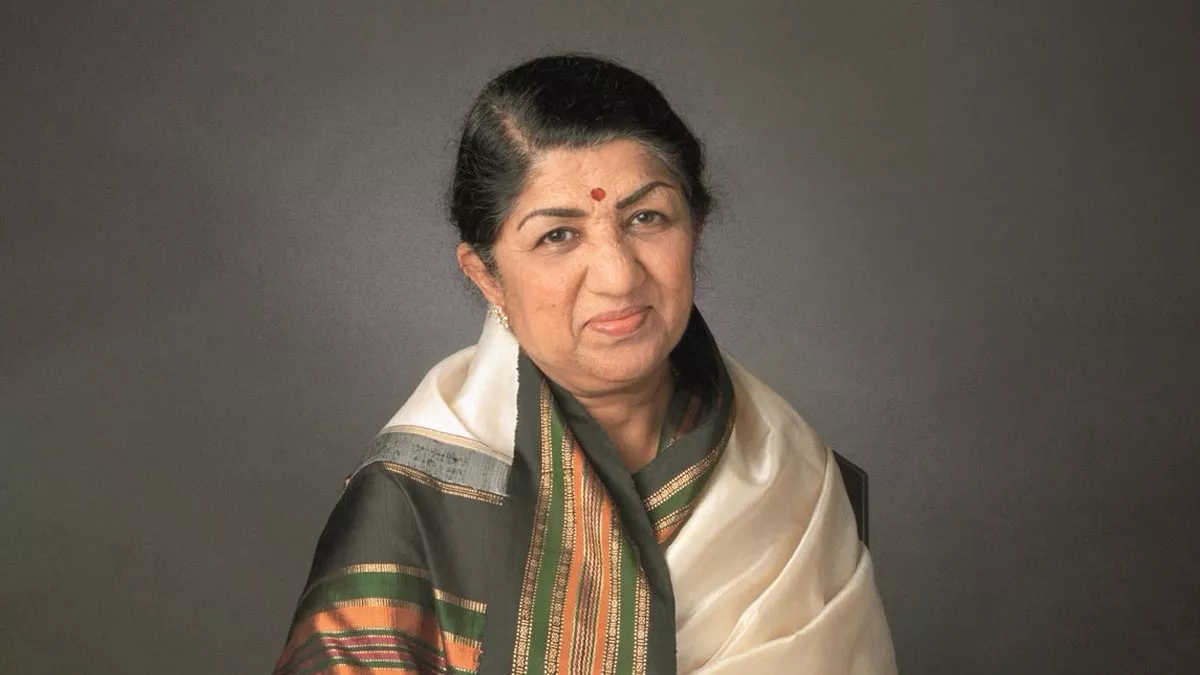
Lata Mangeshkar is one of the most loved and respected singers in India. Known as the “Nightingale of India,” she became a symbol of musical excellence through her soft, emotional, and powerful voice. Her songs touched millions of people, and her career lasted for more than seven decades. From the time she began singing as a young girl, to the time she left the world in 2022, she remained a voice that connected generations.
Early Life of Lata Mangeshkar
Lata Mangeshkar was born on 28 September 1929 in Indore, which was then part of British India. She grew up in a family where music was a way of life. Her father, Pandit Deenanath Mangeshkar, was a respected classical singer and stage actor in Marathi theatre. Her mother, Shevanti, lovingly supported the family.

Lata was the eldest of five siblings Meena, Asha, Usha, and Hridaynath. All her siblings later became well-known singers or musicians, showing that their home was truly a place filled with music, performance, and creativity.
Her original name was Hema. Later, her father changed her name to Lata, inspired by a character named Latika in one of his plays. As a child, Lata showed extraordinary interest in music. She often sat near her father during his practice sessions and absorbed everything like a natural student.
She began learning classical music under her father’s guidance. Her training was strict and disciplined, and this strong foundation later helped her become one of the greatest singers in Indian history.
By the age of five, she was already acting and singing in her father’s musical plays. These early experiences sharpened her talent and prepared her for a lifetime in music.
A Sudden Tragedy and a New Responsibility
Lata’s childhood changed drastically when her father passed away in 1942, when she was just 13 years old. His death left the family in financial difficulty. As the eldest child, Lata took the responsibility of supporting the family.
This was a very hard period for her. She had to grow up quickly and earn a living through singing and acting. She acted in a few Marathi films to earn money, but she always knew singing was her true calling.
Her early songs were simple, and she had to face many rejections. Some music directors felt her voice was too thin, because at that time strong and heavy voices were more popular. But Lata refused to give up.
Her determination soon paid off.
Lata Mangeshkar’s Entry into Hindi Cinema
In the late 1940s, she began singing in Hindi films. One of her early supporters was music director Ghulam Haider, who encouraged filmmakers to recognize her talent. He believed that Lata’s voice would change the future of Indian film music.
And he was right.
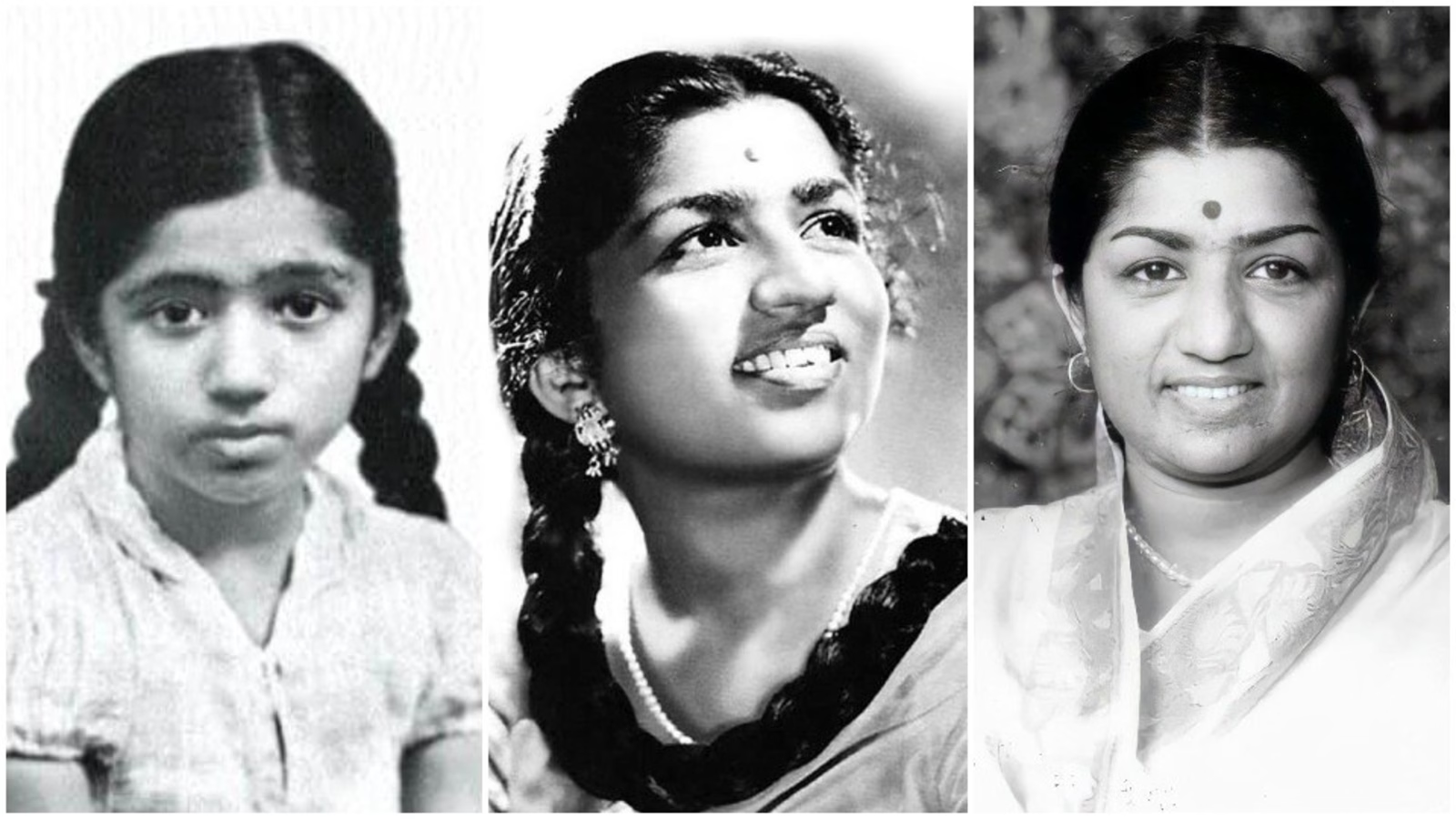
Lata’s first major breakthrough came in 1949 with the song “Aayega Aanewala” from the film Mahal. The haunting tune and her magical voice made the song a huge hit. People across India wanted to know who the singer was. This song marked the beginning of her long and unmatched career in Bollywood.
Rise to Stardom
After Mahal, Lata’s journey to success moved faster than ever. She soon became the first choice for almost all big music directors. Her voice became the identity of many leading actresses on screen.
She worked with legendary composers like:
- S.D. Burman
- R.D. Burman
- Shankar–Jaikishan
- Naushad
- Madan Mohan
- Laxmikant–Pyarelal
- Khayyam
- A.R. Rahman
With each composer, she created songs that are still remembered today.
Her voice had purity, sweetness, and emotional depth. Whether the song was sad, romantic, devotional, classical, or patriotic, Lata brought it to life with her natural ability.
Major Career Highlights by Decades
1940s–1950s: The Beginning of Greatness
- Started singing in Marathi films.
- Gained popularity in Hindi films with songs like “Uthaye Ja Unke Sitam” and “Aayega Aanewala.”
- Sang for major films such as Barsaat, Andaz, and Aan.
- Became the leading female playback singer of India.
1960s: A Golden Era
- Some of the most iconic songs of Hindi cinema were recorded during this decade.
- Famous songs include “Pyar Kiya To Darna Kya,” “Ajeeb Dastan Hai Yeh,” and many more.
- Sang the patriotic masterpiece “Ae Mere Watan Ke Logo” in 1963.
- Collaborated with great composers like Naushad, Shankar–Jaikishan, and R.D. Burman.
1970s: International Fame and National Awards
- Sang for films like Amar Prem, Guddi, Guide, and Abhimaan.
- Performed in concerts across the world, including Royal Albert Hall in London.
- Won National Awards for songs like “Beeti Na Bitai” and “Roothe Roothe Piya.”
1980s: Evergreen Hits
- Gave hit songs in films such as Karz, Ek Duuje Ke Liye, and Silsila.
- Worked with composers like Rajesh Roshan, Bappi Lahiri, and R.D. Burman.
- Sang for regional films, including Tamil and Assamese movies.
1990s–2000s: New Age Collaborations
- Worked with modern composers such as A.R. Rahman and Nadeem–Shravan.
- Launched her own production house.
- Received the Bharat Ratna, India’s highest civilian award, in 2001.
- Continued singing for albums, films, and devotional music.
2010s: Continuing Her Musical Journey
- Started her own music label, LM Music.
- Recorded bhajans, Bengali songs, and special albums.
- Released singles and collaborated with artists across borders.
- Even in her later years, her passion for music remained unchanged.
What Made Lata Mangeshkar Special?
1. Versatile Voice
She could sing any type of song classical, romantic, sad, devotional, ghazal or patriotic.
2. Emotional Expression
Her voice carried deep emotions, making listeners feel every word.
3. Strong Classical Base
Years of training under her father and other teachers gave her perfect control over notes and breath.
4. Dedication & Discipline
She practised regularly and always remained humble despite her fame.
5. Impact on Generations
Her voice became the definition of Indian film music for decades.
Awards and Honours
Lata Mangeshkar received almost every major award in Indian music and cinema.
Awards
- National Film Awards
- BFJA Awards
- Filmfare Awards
- Filmfare Lifetime Achievement Award
Honours
- Padma Bhushan (1969)
- Dadasaheb Phalke Award (1989)
- Maharashtra Bhushan (1997)
- Padma Vibhushan (1999)
- Bharat Ratna (2001)
- France’s Legion of Honour (2007)
These honours prove her unmatched contribution to Indian culture.
Philanthropy and Personal Life
Although she was world-famous, Lata Mangeshkar lived a simple and calm life. She stayed away from unnecessary publicity. She never married and stayed dedicated to her family and music.
She contributed generously to charities, supported medical institutions, scholarships, and initiatives that helped poor children. She believed music should uplift society, not only entertain.
Lata Mangeshkar’s Death Anniversary
Lata Mangeshkar passed away on 6 February 2022 at Breach Candy Hospital, Mumbai, at the age of 92. Her death left the entire country in grief. The government announced national mourning. Millions of people offered tributes, and world leaders also expressed their respect.
Her death anniversary is observed on 6 February every year. In 2024, India observed her second death anniversary, remembering the Nightingale of India and her timeless songs.
Lata Mangeshkar’s Legacy
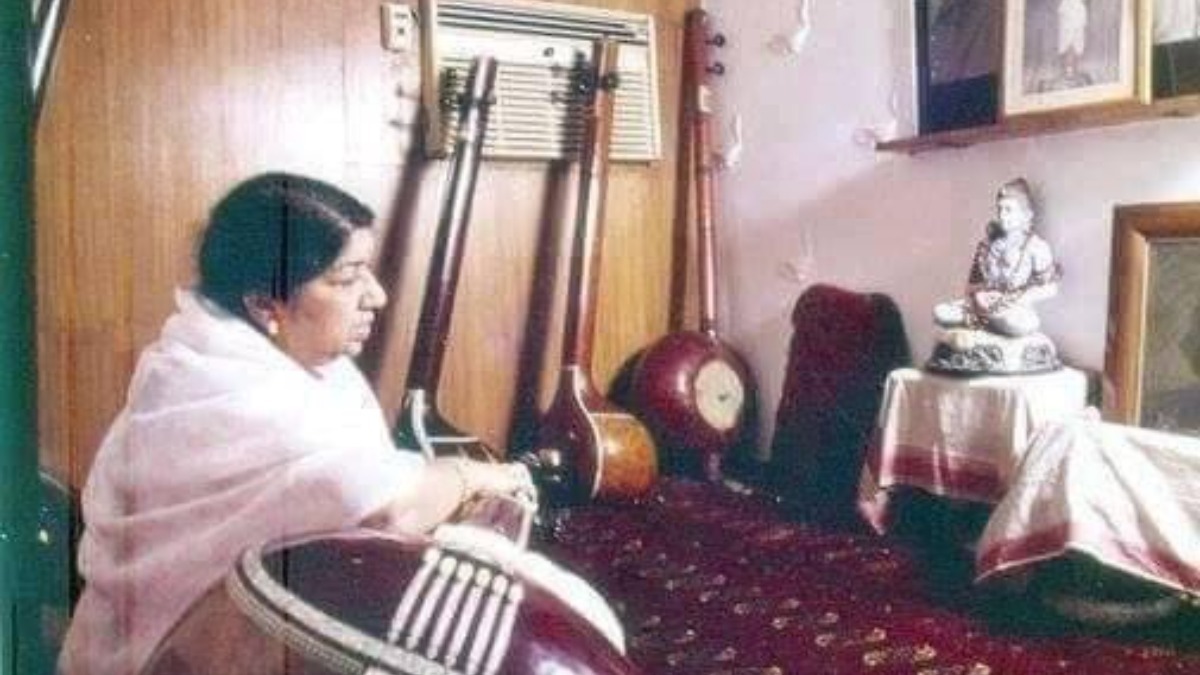
Lata Mangeshkar’s legacy is larger than numbers, awards, or achievements. It is the emotional connection her voice created with people.
Her Legacy Includes:
- Over 30,000 songs in different languages.
- A music career of more than seven decades.
- Influence on generations of singers.
- Songs that still play at weddings, festivals, funerals, patriotic events, and celebrations.
- A musical style that shaped Bollywood music.
Her voice remains alive in the hearts of people. Even today, young singers and musicians look up to her as a model of discipline and devotion.
Lata Mangeshkar and UPSC: Why She Is Important for Exams
Lata Mangeshkar is an important personality for UPSC aspirants because:
1. Cultural Heritage
UPSC often asks questions related to Indian culture, arts, music, and famous personalities. Lata Mangeshkar’s contributions are a key part of India’s cultural identity.
2. Awards and Honours
Questions can be asked from honours like the Bharat Ratna, Padma Awards, or the Dadasaheb Phalke Award all of which she received.
3. Music in Freedom and Nationalism
Her patriotic song “Ae Mere Watan Ke Logo” is linked with India’s national pride.
4. Role in Indian Cinema
UPSC covers Indian art and cinema in GS Paper 1. Lata’s influence on Indian film music is a major topic.
5. Personalities in Current Affairs
Her death in 2022 and subsequent anniversaries often appear in news and can be asked in prelims or mains.
For UPSC aspirants, knowing about Lata Mangeshkar helps in Indian culture, modern history, and current affairs preparation.
Also Read:
| Kazi Nazrul Islam: A Life, Legacy and Love for Music |
| Nathuram Godse: Why Did Nathuram Godse Kill Gandhi? |
| Karpoori Thakur: A People’s Leader Who Reformed Bihar |
Conclusion
Lata Mangeshkar’s life is a beautiful example of talent, hard work, discipline, and devotion to one’s art. From a small girl in Indore learning music from her father to becoming the greatest playback singer in India, her journey is inspiring for all.
Her songs, voice, emotions, and dedication made her much more than a singer. She became the voice of India. She became a symbol of purity and timeless music.
Lata Mangeshkar will always be remembered as the Nightingale of India, and her melodies will continue to live forever in the hearts of millions.