




Gig Economy India: Growth, Benefits, Challenges and Future

Gig Economy is becoming an important part of India’s job market. In recent years, many people have started working as freelancers, delivery partners, drivers, consultants, designers, and online service providers instead of taking traditional full-time jobs. These short-term and flexible jobs are known as gig work, and the system built around such jobs is called the gig economy.
Thank you for reading this post, don't forget to subscribe!The gig economy became a major topic of discussion after food delivery companies such as Zomato and Swiggy expanded rapidly in India. It gained more attention when Zomato announced a pilot project for 10-minute food delivery in Gurugram. Many people raised concerns that such fast delivery targets could put delivery workers under pressure and risk their safety.
What is Gig Economy?
A gig economy is a labour market where temporary, flexible, and short-term jobs are common. Instead of hiring permanent employees, companies hire independent workers for specific tasks or projects.
Examples of gig workers include:
- Food delivery partners
- Cab drivers
- Freelance writers
- Web designers
- App developers
- Consultants
- Tutors
- Video editors
These workers are usually paid based on the work they complete rather than receiving a fixed monthly salary.
For example, a delivery worker earns based on the number of orders delivered, while a freelancer may earn based on the project completed.
According to reports, India has around 15 million gig workers, and this number is growing quickly due to digital platforms and mobile internet.
Growth of Gig Economy in India
India is one of the fastest-growing gig markets in the world. The rise of smartphones, internet services, and app-based businesses has created millions of gig opportunities.
Some reasons behind this growth include:
1. Increase in Digital Platforms
Apps like Uber, Ola, Urban Company, Zomato, and Swiggy connect workers directly with customers. This makes finding work easier.
2. Rising Unemployment
Many people turn to gig work when regular jobs are hard to find. It helps them earn quickly.
3. Startup Growth
India’s startup ecosystem is growing rapidly. Startups often prefer hiring freelancers instead of full-time workers to reduce costs.
4. Work-from-Anywhere Culture
The internet allows people to work from home or from any location. This has increased online freelancing jobs.
Experts estimate that the gig economy could create up to 90 million jobs in India’s non-farm sector and contribute significantly to the country’s GDP.
Different Types of Collar Jobs
Jobs are often classified using “collar” terms.
| Type | Meaning | Example |
|---|---|---|
| Blue-Collar | Manual labour jobs | Electrician, factory worker |
| White-Collar | Office and management jobs | Teacher, accountant |
| Gold-Collar | Highly skilled professionals | Doctor, lawyer |
| Grey-Collar | Jobs between white and blue collar | Police, healthcare staff |
| Green-Collar | Environment-related jobs | Solar technician |
| Pink-Collar | Traditionally women-dominated jobs | Caregiver, receptionist |
| Red-Collar | Government jobs | Public officials |
| Open-Collar | Remote or home-based jobs | Online freelancer |
The gig economy includes workers from almost all these categories.
Key Drivers of the Gig Economy
Flexibility
One of the biggest reasons people choose gig work is flexibility. Workers can choose:
- When to work
- Where to work
- How much to work
This freedom is attractive to many young workers.
Changing Mindset of Youth
Today’s younger generation often values freedom and passion more than long-term job security. Many prefer project-based work.
Business Cost Reduction
Companies save money by hiring gig workers because they do not always need to pay:
- Office costs
- Employee benefits
- Long-term salaries
This reduces business expenses.
Demand for Specialized Skills
Many companies need experts only for short projects, such as:
- Software development
- Marketing campaigns
- Data analysis
- Graphic design
Hiring freelancers becomes more practical.
Benefits of Gig Economy
The gig economy offers many advantages.
More Job Opportunities
It creates employment for students, homemakers, retired people, and unemployed youth.
Extra Income
People with full-time jobs can also take freelance work for extra earnings.
Better Work-Life Balance
Workers can manage personal responsibilities more easily.
Skill Development
Gig workers often work on different projects, helping them gain diverse experience.
Economic Growth
A strong gig sector increases productivity and boosts the economy.
Challenges of Gig Economy
Even though gig work offers flexibility, it also has serious problems.
No Job Security
Most gig workers do not have permanent employment contracts. Work can stop anytime.
Lack of Benefits
Many gig workers do not receive:
- Health insurance
- Pension
- Paid leave
- Provident fund
This creates financial insecurity.
Unregulated Sector
The gig economy is still not fully regulated in India. Worker rights are often unclear.
Income Instability
Earnings can change daily or monthly depending on demand.
For example, delivery workers may earn less during off-season periods.
High Competition
There are often more workers than available gigs, reducing bargaining power and wages.
Need for Continuous Skill Upgrade
Freelancers must keep learning new skills to remain competitive.
Impact of Covid-19 on Gig Economy
The Covid-19 pandemic changed India’s labour market significantly.
Many businesses shut down temporarily, and millions lost regular jobs. This pushed people toward gig work.
At the same time, demand increased for:
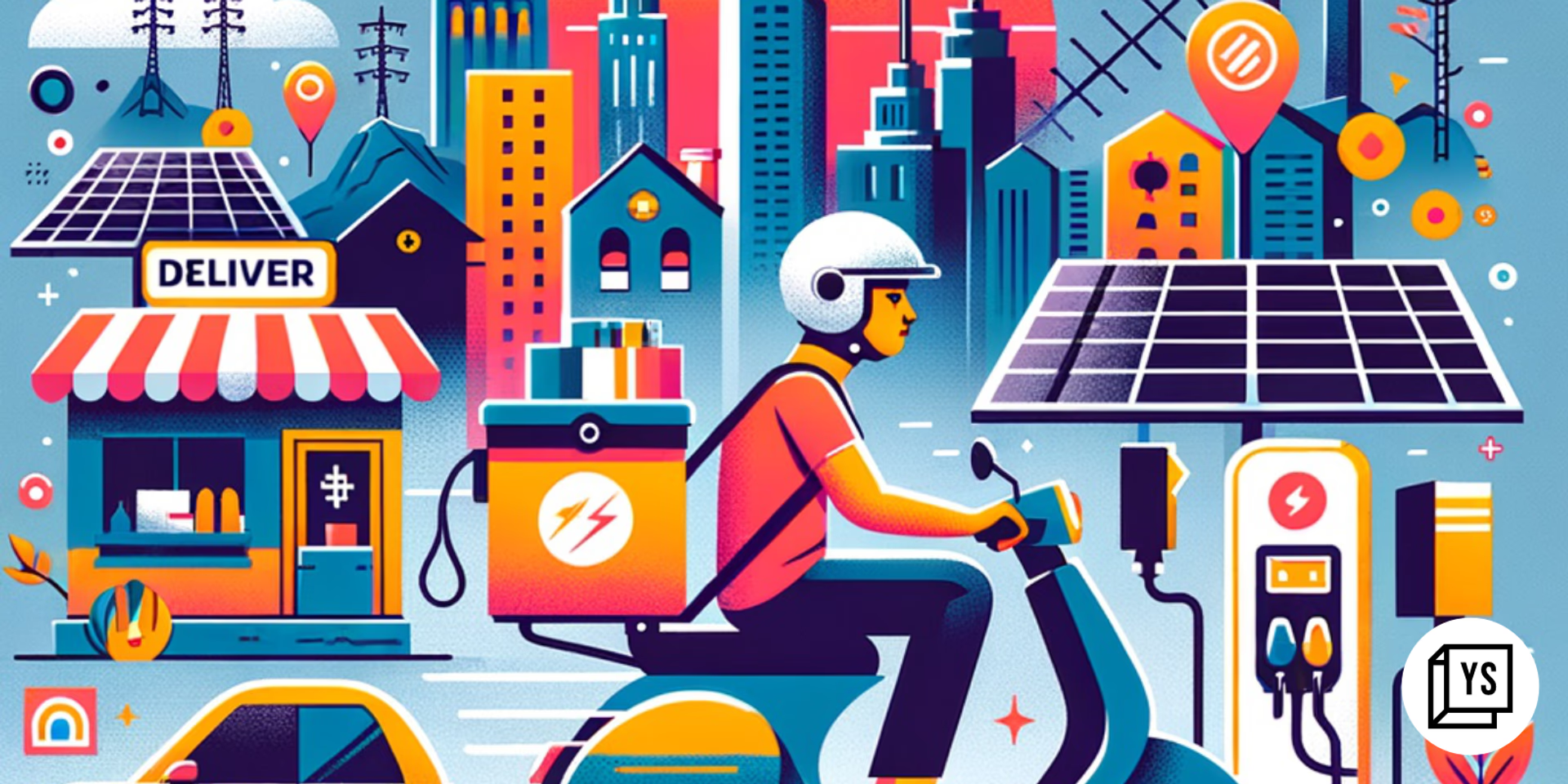
- Delivery services
- Remote work
- Online tutoring
- Freelance digital services
The pandemic created two major changes:
New Business Models
Many businesses adopted on-demand staffing.
Focus on Worker Rights
The pandemic highlighted the need for better labour protection for gig workers.
However, as gig worker numbers increased, many workers reported lower incomes because competition grew.
Gig Economy and Women
The gig economy has created both opportunities and challenges for women.
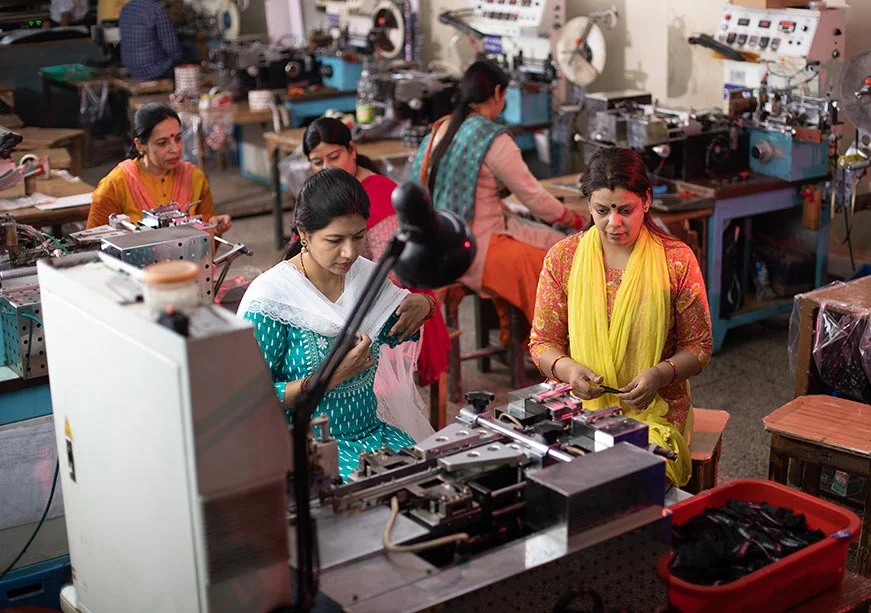
Benefits for Women
Flexible Working Hours
Women can manage both family and work responsibilities.
Work from Home
Remote jobs reduce travel and safety concerns.
Employment in Smaller Cities
Women in Tier-2 and Tier-3 cities can now access online jobs.
Financial Independence
Gig work allows women to earn and become more financially independent.
Challenges for Women
Digital Divide
Many women still lack access to smartphones and internet.
This reduces their participation in digital jobs.
Gender Pay Gap
Women often earn less than men in gig roles.
Reports suggest there is still a noticeable income gap.
Gender Stereotypes
Women are often limited to certain roles like:
- Beauty services
- Domestic work
- Caregiving
Men dominate delivery and transport work.
Time Burden
Women often handle both paid work and household duties, increasing workload and stress.
Labour Laws for Gig Workers
India has started recognizing gig workers under labour laws.
Code on Wages, 2019
This law aims to ensure universal minimum wage across organized and unorganized sectors.
Gig workers may benefit from wage protections.
Code on Social Security, 2020
This law officially recognizes gig and platform workers.
A gig worker is defined as someone who earns outside the traditional employer-employee relationship.
Potential benefits include:
- Maternity support
- Disability cover
- Life insurance
- Old age support
- Social security schemes
Problems in Existing Labour Laws
Despite progress, challenges remain.
Benefits Are Not Guaranteed
The law allows welfare schemes but does not guarantee them.
This means support depends on government action.
Unclear Responsibility
It is unclear who should provide benefits:
- Government
- Platform companies
- Workers themselves
This creates confusion.
How Gig Worker Conditions Can Improve
India must take stronger steps to protect gig workers.
Build Worker Unions
Gig workers need collective bargaining power to negotiate fair wages and safety.
Social Security Coverage
Workers should receive mandatory benefits under government schemes such as:
- PM-JAY
- PMJJBY
- PMSBY
This would improve protection.
Better Infrastructure
Safe transport, childcare, and digital access can help more women participate.
Skill Training
Training programs can improve worker productivity and earnings.
Strong Regulations
Clear rules are needed for:
- Fair wages
- Safety standards
- Insurance
- Working hours
Future of Gig Economy in India
The future of India’s gig economy looks strong. As technology grows, more jobs will move to digital platforms.

Important sectors likely to grow include:
- E-commerce
- Logistics
- IT services
- Content creation
- Education
- Healthcare
- Artificial Intelligence
The gig economy can help India reduce unemployment and support economic growth. However, growth should not come at the cost of worker safety and rights.
A balanced system is needed where companies grow while workers receive fair pay, dignity, and social security.
FAQs
1. What is gig economy?
Gig economy is a labour market where people work in temporary or flexible jobs instead of permanent employment.
2. Who are gig workers?
Gig workers are freelancers, delivery partners, drivers, consultants, and others working on short-term tasks.
3. Why is gig economy growing in India?
It is growing due to digital platforms, startups, internet access, and flexible work demand.
4. What are the benefits of gig work?
Benefits include flexibility, extra income, work-life balance, and more job opportunities.
5. What are the main problems in gig economy?
Major problems are low job security, unstable income, lack of insurance, and limited social security.