


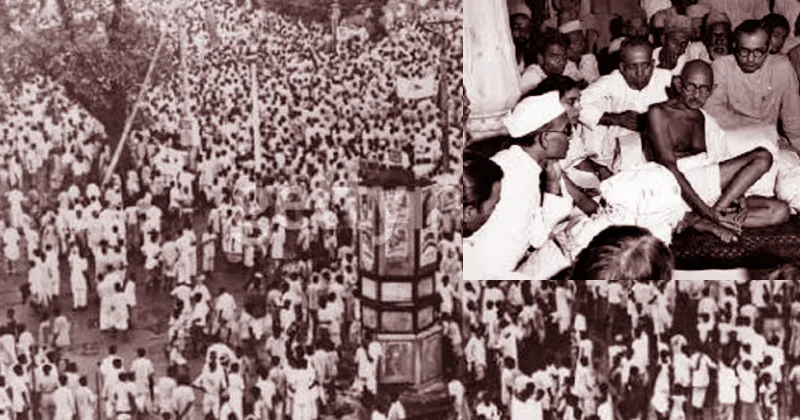
Khilafat and Non-Cooperation Movement: India’s First Mass Resistance Against British Rule

The Khilafat and Non-Cooperation Movement stands as one of the most defining chapters in India’s struggle for independence. Emerging between 1919 and 1922, this movement brought together millions of Indians Hindus and Muslims alike under a single banner of resistance against British imperialism. What made the Khilafat and Non-Cooperation Movement truly remarkable was not just its scale, but the fact that two separate grievances one religious, one political merged into a unified force that shook the very foundations of colonial rule in India.
Thank you for reading this post, don't forget to subscribe!Background of the Movement
Before understanding the Khilafat and Non-Cooperation Movement, it is important to know the conditions in India at that time.
1. Repressive British Policies
The British government introduced several harsh laws:
- Rowlatt Act (1919): Allowed arrest without trial
- Jallianwala Bagh Massacre: Hundreds of innocent people were killed
- Martial Law in Punjab: Strict control and violence against civilians
These actions showed the cruel nature of British rule and created anger among Indians.
2. Failure of Reforms
The Montagu-Chelmsford Reforms failed to satisfy Indians. The system of Dyarchy did not give real power to Indian leaders. People wanted full self-government (Swaraj), not partial reforms.
3. Economic Problems
After World War I, India faced serious economic issues:
- Rising prices of goods
- Heavy taxes and rents
- Decline in industries
- Unemployment
Almost every section of society suffered, increasing dissatisfaction against the British.
Khilafat Movement: Causes and Development
What was the Khilafat Issue?
The Khilafat Movement was started by Indian Muslims to protect the position of the Caliph (Khalifa), who was the religious leader of Muslims worldwide.
During World War I, Turkey supported Germany against Britain. After the war, Britain defeated Turkey and:
- Divided the Ottoman Empire
- Removed the Caliph from power
- Took control of holy places
This deeply hurt Muslim sentiments.
Role of Indian Muslims
Indian Muslims had supported the British during the war with the hope that the Caliph would be protected. But when this promise was broken, they felt betrayed.
Leaders of Khilafat Movement
Important leaders included:
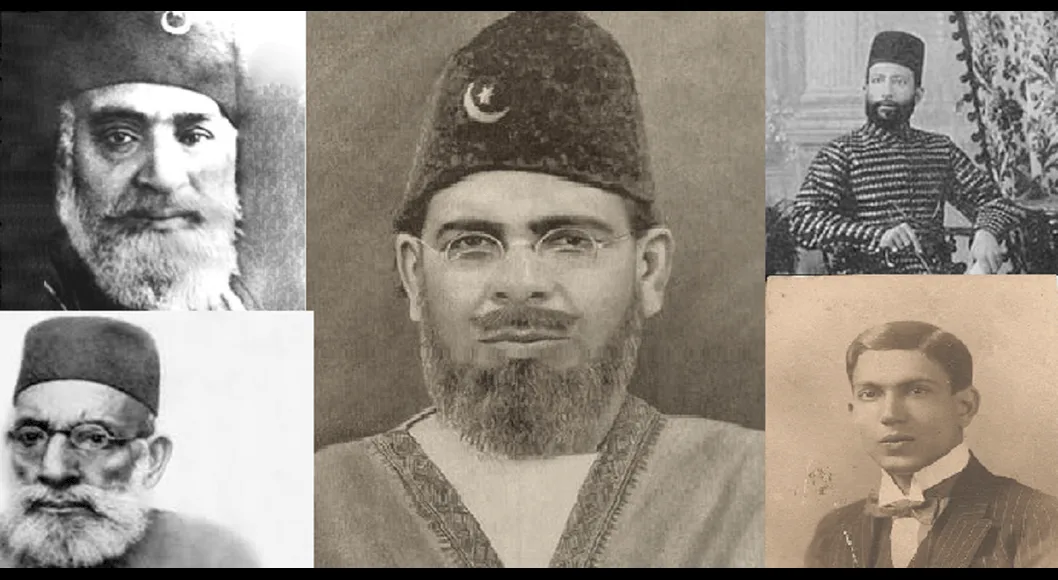
- Maulana Mohammad Ali
- Shaukat Ali
- Maulana Abul Kalam Azad
- Hakim Ajmal Khan
- Hasrat Mohani
They formed the All India Khilafat Committee in 1919.
Demands of the Movement
The Khilafat leaders demanded:
- Protection of the Caliph’s authority
- Control of Muslim holy places by the Caliph
- Fair treatment of Turkey
Congress Support to Khilafat Movement
Initially, the Indian National Congress was unsure about supporting the Khilafat Movement. But later, leaders saw it as a great opportunity to:
- Unite Hindus and Muslims
- Strengthen the national movement
- Involve more people in the freedom struggle
Role of Mahatma Gandhi
Mahatma Gandhi strongly supported the Khilafat cause. He believed that helping Muslims would build unity and make the struggle stronger.
Non-Cooperation Movement: Beginning
Start of a New Phase
The Non-Cooperation Movement marked the beginning of mass political action under Gandhi’s leadership.
Gandhi returned to India in 1915 and led small movements in:
- Champaran
- Kheda
- Ahmedabad
After seeing British injustice, he decided to launch a nationwide movement.
Launch of the Movement
The Non-Cooperation Movement officially started on 1 August 1920.
Its main aim was:
- To achieve Swaraj (self-rule)
- To protest against British injustice
- To support the Khilafat Movement
Main Features of the Movement
1. Non-Violence
The movement was strictly based on non-violence (Ahimsa).
2. Boycott of British Institutions
People were asked to:
- Give up British titles and honors
- Leave government schools and colleges
- Boycott law courts
- Avoid elections
3. Boycott of Foreign Goods
Foreign clothes and goods were boycotted. People burned imported clothes in public.
4. Promotion of Swadeshi
Indians were encouraged to:
- Use local products
- Spin Khadi using charkha
- Support Indian industries
5. Social Reforms
The movement also promoted:
- Hindu-Muslim unity
- Removal of untouchability
- Avoidance of alcohol
Participation of Different Groups
Students
Thousands of students left government schools and joined national institutions.
Middle Class
Initially active, but later became cautious due to economic risks.
Businessmen
Supported the movement because:
- Swadeshi increased their profits
- Foreign competition reduced
Peasants
Peasants actively participated but also raised issues against landlords.
Women
Women played a major role:
- Participated in protests
- Donated jewelry
- Picketed liquor shops
Tilak Swaraj Fund
After the death of Bal Gangadhar Tilak, Gandhi started the Tilak Swaraj Fund.
- Target: ₹1 crore
- Purpose: Support the freedom movement
People contributed money, jewelry, and resources.
Government Reaction
The British government responded harshly:
- Arrested leaders
- Banned public meetings
- Declared organizations illegal
- Used police force and firing
Despite repression, the movement continued to grow.
Important Leaders in the Movement
Several prominent leaders joined:
- Jawaharlal Nehru
- Subhas Chandra Bose
- Vallabhbhai Patel
- C. Rajagopalachari
- Motilal Nehru
- Chittaranjan Das
Many even gave up their professions to join the movement.
Chauri Chaura Incident and Withdrawal
In February 1922, a violent incident took place in Chauri Chaura (Uttar Pradesh):
- A mob clashed with police
- Police station was burned
- 22 policemen were killed
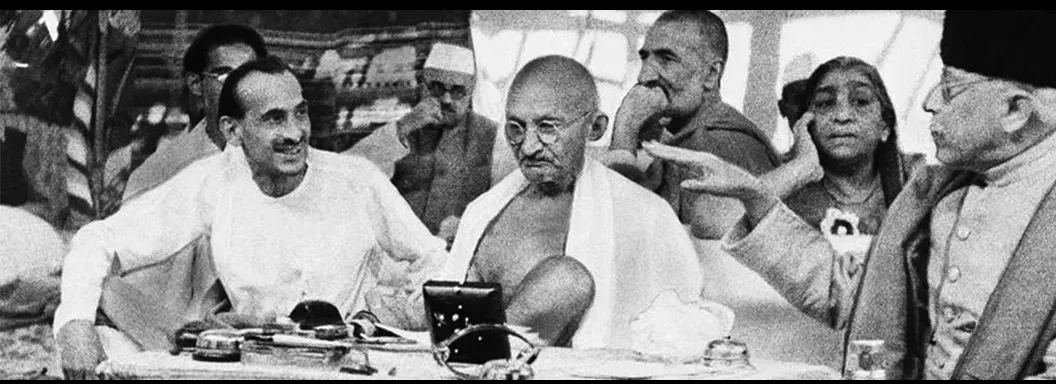
This shocked Gandhi, who strongly believed in non-violence.
Withdrawal of Movement
Gandhi immediately called off the movement.
Many leaders disagreed with this decision, but Gandhi believed violence would damage the moral strength of the struggle.
Arrest of Gandhi
In March 1922, Gandhi was arrested and sentenced to six years in jail.
Causes of Failure
1. Lack of Government Response
The British government did not agree to negotiate.
2. Decline of Khilafat Issue
In Turkey:
- Mustafa Kemal Pasha removed the Sultan
- Turkey became a secular state
- Khilafat was abolished in 1924
This ended the main issue of the Khilafat Movement.
3. Limited Participation in Some Areas
Cities like Bombay, Calcutta, and Madras showed limited response.
4. Lack of Discipline
Many people did not fully understand non-violence.
5. Rise of Violence
Incidents like Chauri Chaura weakened the movement.
Impact of Khilafat and Non-Cooperation Movement
1. Nationwide Awareness and Maximum Reach
The Khilafat and Non-Cooperation Movement spread to every corner of India. For the first time, nationalist ideas reached not only cities but also villages. People from every section of society became politically aware.
This movement successfully involved:
- Artisans
- Peasants
- Students
- Urban poor
- Women
- Traders
It transformed the freedom struggle into a true mass movement.
2. Mass Participation of People
People from all backgrounds actively joined the movement:
- Farmers protested against taxes and landlords
- Workers supported strikes and boycotts
- Students left government schools
- Women came out of their homes and joined protests
This wide participation made the movement very powerful.
3. Growth of Swadeshi and Khadi
The movement strongly promoted the idea of Swadeshi (use of Indian goods).
- People started wearing Khadi, a hand-spun cloth
- The Charkha (spinning wheel) became a symbol of self-reliance
- Foreign goods were boycotted everywhere
This created a strong feeling of economic independence.
4. Establishment of Swaraj and National Institutions
The movement led to the creation of many national educational institutions as alternatives to British institutions. These included:
- Gujarat Vidyapith
- Kashi Vidyapith
- Bihar Vidyapith
- Bengal National University
- Jamia Millia Islamia
- National Muslim University
These institutions promoted Indian values and education.
5. Strengthening the Idea of Swaraj
The movement created a strong desire for Swaraj (self-rule) among Indians.
- People started believing that freedom was possible
- National pride increased
- Swadeshi lifestyle became popular
This was a major step towards India’s independence.
6. Hindu-Muslim Unity
One of the biggest achievements of the movement was unity between Hindus and Muslims.
The Khilafat issue, though not directly related to Indian politics, helped in bringing both communities together against British rule. This unity made the movement stronger.
Also, leaders like Mahatma Gandhi became widely accepted as national leaders across communities.
7. Economic Impact
The movement had a strong impact on the Indian economy:
- Foreign goods were boycotted
- Import of foreign cloth reduced by almost half between 1921 and 1922
- Many traders refused to sell foreign goods
- Indian industries and local products gained popularity
This helped in weakening the British economic control over India.
8. Rise of National Unity and Leadership
The movement united Indians with a common goal freedom from British rule.
- People shared common grievances against British policies
- National unity became stronger
- Gandhi emerged as the most important and unchallenged leader of the time
Important Events Timeline
- May 1920: The Treaty of Sevres was signed with Turkey, which completely dismembered the Ottoman Empire and weakened the position of the Khalifa.
- June 1920: An all-party conference was held at Allahabad. It approved a programme to boycott government schools, colleges, and law courts, and requested Mahatma Gandhi to lead the movement.
- August 31, 1920: The Khilafat Committee officially started a nationwide campaign of non-cooperation, marking the formal beginning of the movement.
- September 1920: At a special session of the Congress held in Calcutta, the Non-Cooperation programme was approved. The aim was to continue the movement until the Punjab and Khilafat injustices were corrected and Swaraj was achieved.
- December 1920: During the Nagpur session of the Indian National Congress, the Non-Cooperation programme was fully endorsed. Important organisational changes were also made, including the formation of a Congress Working Committee (CWC) of 15 members to guide the movement more effectively.
Conclusion
The Khilafat and Non-Cooperation Movement was a turning point in India’s history. It transformed the freedom struggle into a mass movement and introduced new methods like non-cooperation and non-violence.
Even though the movement ended early, it created strong political awareness and prepared the ground for future movements like Civil Disobedience and Quit India.
FAQs
1. What was the Khilafat and Non-Cooperation Movement?
It was a combined movement (1919–1922) against British rule using non-violence and boycott methods.
2. Who started the Non-Cooperation Movement?
Mahatma Gandhi started it in 1920.
3. Why did the Khilafat Movement start?
To protect the position of the Caliph after World War I.
4. Why was the movement withdrawn?
Due to the violent Chauri Chaura incident.
5. What was the main goal of the movement?
To achieve Swaraj (self-rule).