


Wetlands: Nature’s Water Guardians

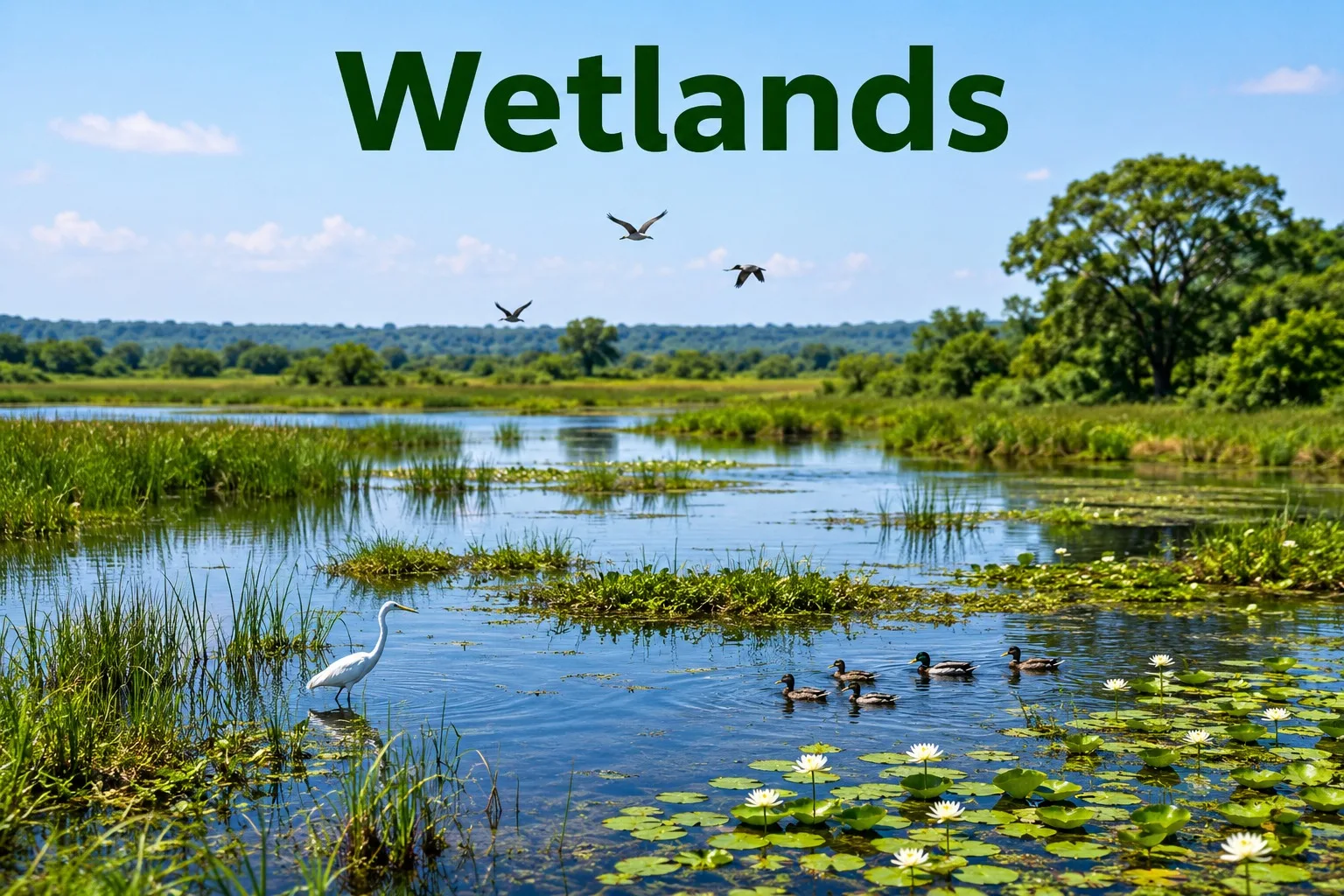
Wetlands are among the most valuable ecosystems on Earth. They support plants, animals, birds, and human life in many ways. Wetlands help store water, reduce floods, improve water quality, and protect biodiversity. They are often called the “kidneys of the Earth” because they naturally filter water and remove pollutants.
Thank you for reading this post, don't forget to subscribe!Every year, World Wetlands Day is celebrated on 2 February to raise awareness about the importance of wetlands. This date marks the adoption of the Ramsar Convention on 2 February 1971 in Iran, in the city of Ramsar. In 2022, the theme of World Wetlands Day was “Wetlands Action for People and Nature.”
What are Wetlands?
Wetlands are areas where water is the main factor controlling the environment and the life found there. These areas may be fully covered with water or may have water close to the land surface.
In simple words, wetlands are lands between dry land and water bodies such as rivers, lakes, or seas.
Wetlands may contain:
- Freshwater
- Saltwater
- Flowing water
- Still water
- Seasonal water
These ecosystems provide a perfect habitat for many plants and animals.
Types of Wetlands
Wetlands are found in many forms across the world.
1. Coastal Wetlands
Coastal wetlands are found where land meets the sea. These wetlands are usually not directly affected by rivers.
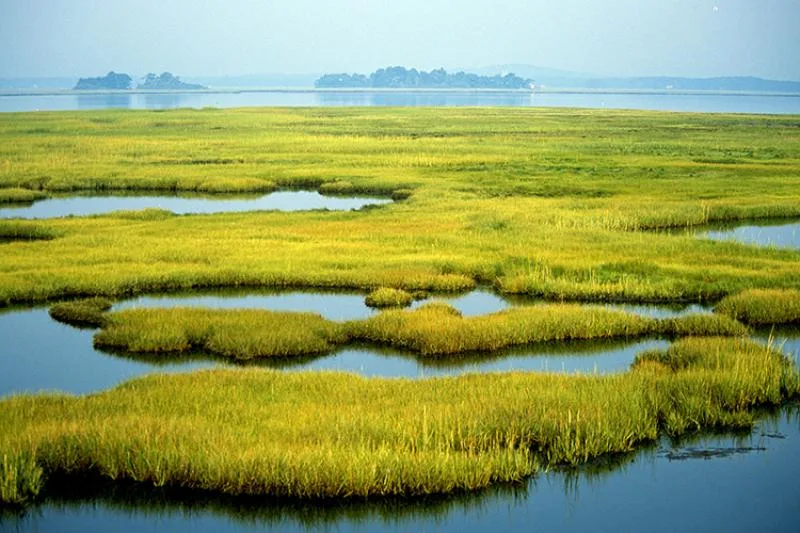
Examples include:
- Shorelines
- Beaches
- Mangroves
- Coral reefs
Mangrove forests in tropical coastal regions are excellent examples of coastal wetlands.
2. Shallow Lakes and Ponds
These wetlands contain permanent or semi-permanent water with little movement.
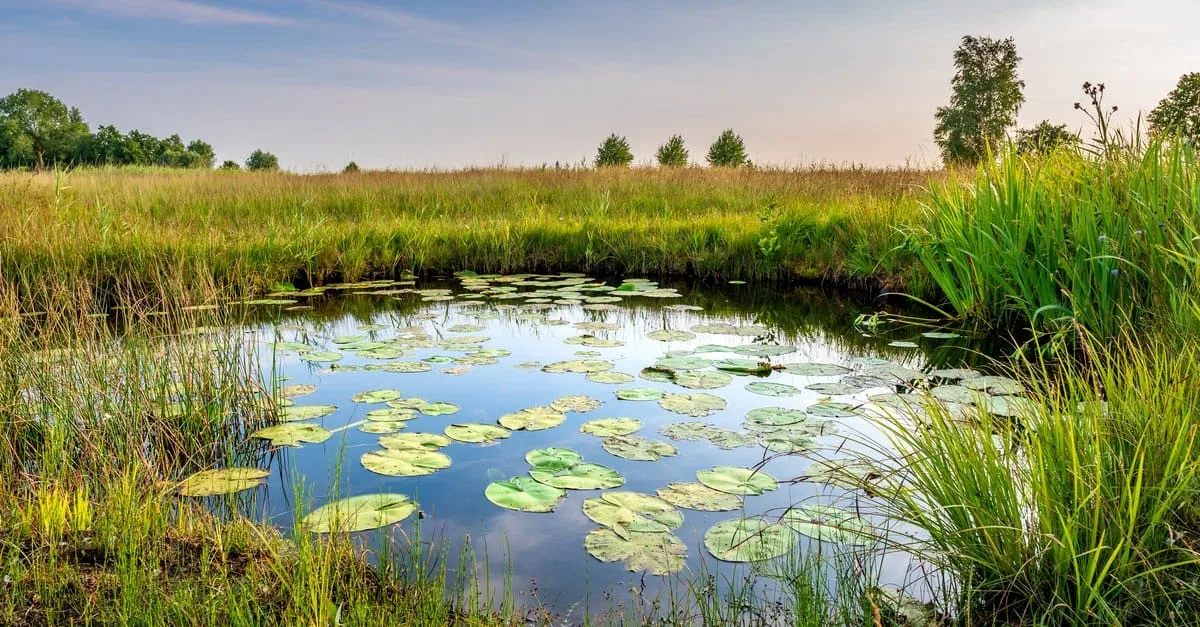
Examples include:
| Type | Description |
|---|---|
| Vernal ponds | Seasonal water bodies |
| Spring pools | Water from underground springs |
| Salt lakes | Lakes with salty water |
| Crater lakes | Lakes formed in volcanic craters |
These areas support fish, birds, and aquatic plants.
3. Marshes
Marshes are wetlands that remain flooded or waterlogged for long periods.
They mostly contain soft-stemmed plants instead of trees.
Marshes are divided into:
- Tidal marshes
- Non-tidal marshes
They are important breeding grounds for birds and fish.
4. Swamps
Swamps are wetlands dominated by trees and shrubs.
They receive water mainly from surface runoff, rivers, or floods.
Swamps can be:
- Freshwater swamps
- Saltwater swamps
They support rich biodiversity.
5. Bogs
Bogs are wetlands filled with peat and organic matter.
They usually form in old lake basins or land depressions.
Most water in bogs comes from rainfall.
Bogs store large amounts of carbon.
6. Estuaries
Estuaries are areas where rivers meet the sea.
Here, freshwater mixes with saltwater.
Examples include:
- River deltas
- Tidal mudflats
- Salt marshes
Estuaries are among the most productive ecosystems.
Status of Wetlands in India
India has a large number of wetlands that play a major role in ecology and water security.
Important facts about wetlands in India:
| Category | Data |
| Wetland coverage | Around 4.6% of India’s land |
| Total wetland area | About 15.26 million hectares |
| Ramsar sites (2022) | 49 |
| Area under Ramsar sites | 10,93,636 hectares |
India has the highest number of Ramsar Sites in South Asia.
Wetlands listed as Ramsar sites receive international recognition and protection.
Globally, there are more than 2400 Ramsar sites covering around 2.5 million square kilometers.
Ramsar Sites in India
Ramsar Sites are wetlands recognized as internationally important.
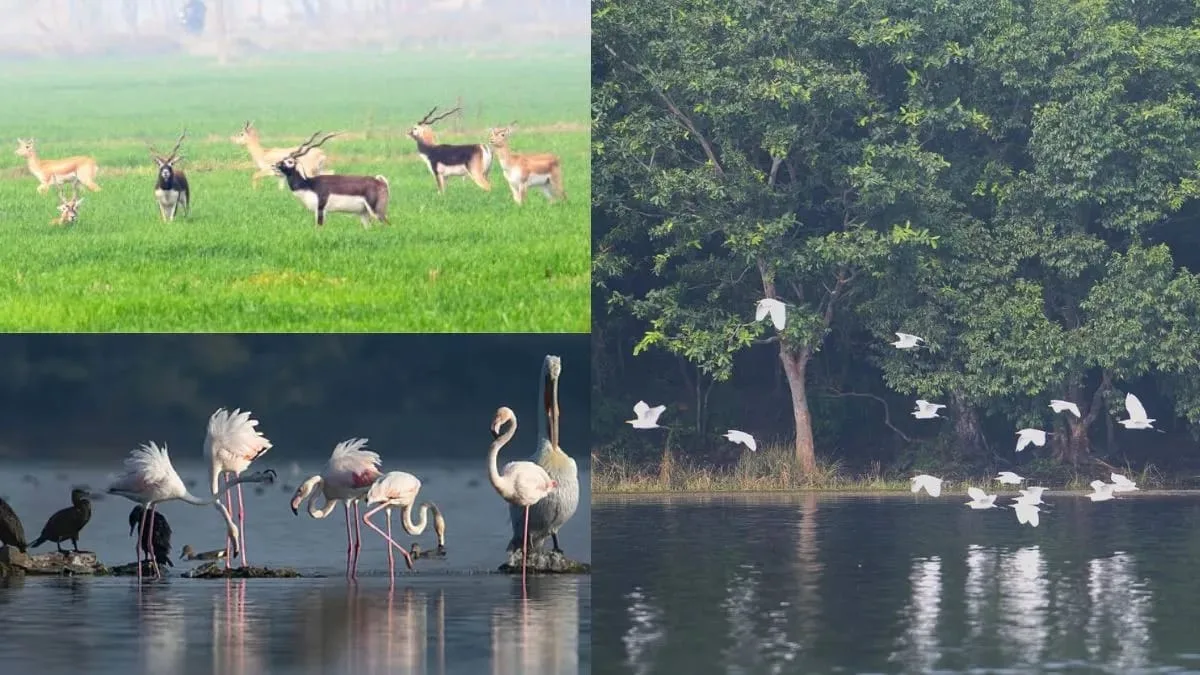
Some important Ramsar Sites in India include:
- Sundarban Wetland
- Loktak Lake
- Chilika Lake
- Keoladeo National Park
- Deepor Beel
Recent additions include:
- Khijadia Wildlife Sanctuary
- Bakhira Wildlife Sanctuary
- Sultanpur National Park
- Tso Kar Wetland Complex
Importance of Wetlands
Wetlands provide many ecological and economic benefits.
Rich Biodiversity
Wetlands support a huge number of living species.
They provide habitat for:
- Fish
- Birds
- Frogs
- Insects
- Reptiles
- Mammals
About 40% of the world’s species live or breed in wetlands.
Many rare species survive only in wetlands.
Support Food Production
Wetlands are highly productive ecosystems.
They provide:
- Fish
- Shellfish
- Rice cultivation
- Raw materials
A large part of global fish production depends on wetlands.
Natural Water Filters
Wetlands act as natural filters.
They remove:
- Dirt
- Sediments
- Excess nutrients
- Some harmful chemicals
This improves water quality.
Flood Control
Wetlands absorb extra water during heavy rainfall and floods.
This helps:
- Reduce flood damage
- Slow water flow
- Prevent soil erosion
They act like natural sponges.
Carbon Storage
Wetlands store carbon in plants and soil.
This reduces carbon dioxide in the atmosphere and helps fight climate change.
Economic Benefits
Wetlands support many industries and livelihoods.
Examples include:
| Sector | Benefit |
| Fishing | Fish breeding areas |
| Tourism | Bird watching, boating |
| Agriculture | Water supply |
| Transport | Water routes |
More than one billion people depend on wetlands for survival.
Threats to Wetlands
Despite their importance, wetlands are disappearing quickly.
Urbanization
Wetlands near cities are being destroyed for:
- Housing
- Roads
- Industries
- Shopping complexes
This reduces wetland area.
Agriculture Expansion
Large wetland areas have been converted into:
- Paddy fields
- Irrigation canals
- Reservoirs
This changes natural water flow.
Pollution
Wetlands receive pollution from many sources.
Examples include:
- Industrial waste
- Fertilizers
- Pesticides
- Sewage
Too much pollution harms plants and animals.
Climate Change
Climate change affects wetlands through:
- Rising temperatures
- Drought
- Floods
- Storms
- Sea-level rise
These changes disturb wetland ecosystems.
Dredging
Dredging means removing material from rivers or wetland beds.
This lowers water levels and dries nearby wetlands.
Draining
Some wetlands are intentionally drained for construction or farming.
This destroys the ecosystem.
Invasive Species
Non-native plants can damage wetlands.
Examples in India include:
- Water hyacinth
- Salvinia
These plants spread rapidly and block waterways.
Salinization
Excess groundwater use can increase salt levels in soil and water.
This makes wetlands unhealthy.
Wetland Conservation Efforts
Many steps are being taken to protect wetlands.
Ramsar Convention
The Ramsar Convention came into force in 1975.
Its mission is to promote:
- Wetland conservation
- Wise use of wetlands
- International cooperation
The three main pillars are:
Wise Use of Wetlands
Countries must use wetlands sustainably without damaging them.
Ramsar Site Protection
Important wetlands should be listed and properly managed.
International Cooperation
Countries should work together to protect shared wetlands and species.
Montreux Record
The Montreux Record is part of the Ramsar system.
It includes wetlands where ecological damage:
- Has happened
- Is happening
- May happen soon
Causes include:
- Pollution
- Technology development
- Human activities
In India, two wetlands in the Montreux Record are:
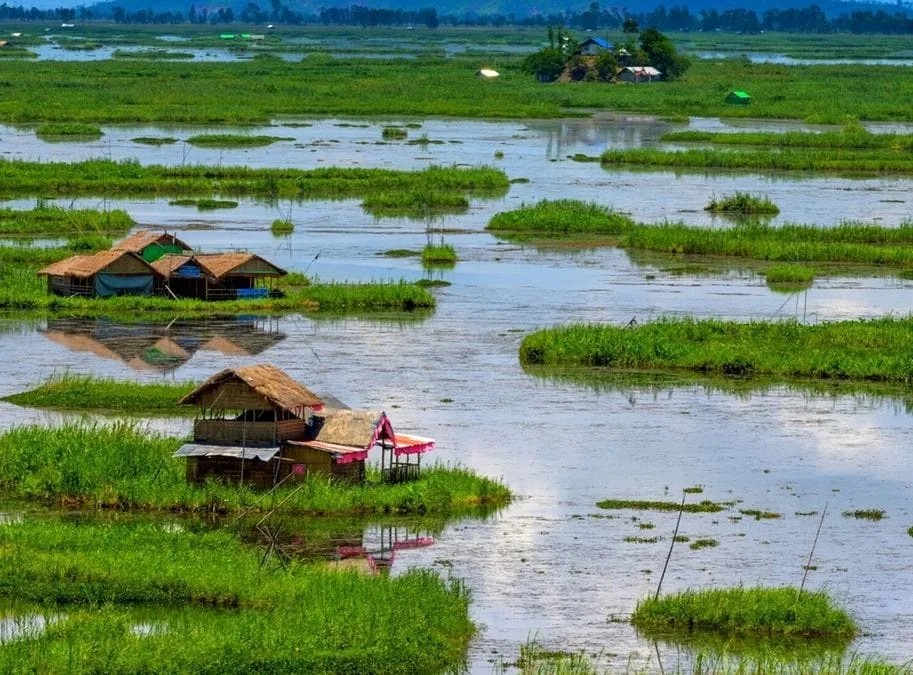
- Keoladeo National Park
- Loktak Lake
Chilika Lake was once on this record but was later removed after ecological improvement.
Wetland Rules in India
In India, wetlands are protected under the Wetlands (Conservation and Management) Rules, 2017.
These rules help in:
- Identifying wetlands
- Protecting wetlands
- Managing wetland resources
Earlier, the 2010 rules had a central authority.
The 2017 rules replaced it with:
- State-level wetland authorities
- National Wetland Committee
States now play a bigger role in wetland protection.
Way Forward
Wetlands need urgent protection.
Important steps include:
Better Planning
Development projects must avoid destroying wetlands.
Urban planning should include wetland conservation.
Public Awareness
People should understand why wetlands matter.
Awareness can be increased through:
- Schools
- Media
- Campaigns
- Community programs
Scientific Monitoring
Regular monitoring helps track:
- Water quality
- Biodiversity
- Pollution levels
This helps early action.
Strong Policy Implementation
Rules alone are not enough.
Strict implementation is necessary.
Cooperation
Wetland conservation needs teamwork among:
- Scientists
- Ecologists
- Government
- Local communities
- Policy makers
Final Thoughts
Wetlands are among the most important ecosystems on Earth. They provide clean water, food, flood protection, biodiversity, and climate support. However, urban growth, pollution, and climate change are putting them at risk. Protecting wetlands today means protecting nature and human life for future generations.
FAQs
1. What are wetlands?
Wetlands are areas where water covers the land or remains near the surface for long periods.
2. Why are wetlands important?
They reduce floods, clean water, store carbon, and support biodiversity.
3. What is a Ramsar Site?
A Ramsar Site is a wetland recognized as internationally important.
4. Which is a famous wetland in Assam?
Deepor Beel is one of Assam’s most famous wetlands.
5. What are the main threats to wetlands?
Urbanization, pollution, climate change, invasive species, and drainage.