Folk Dance of India: Unity in Diversity

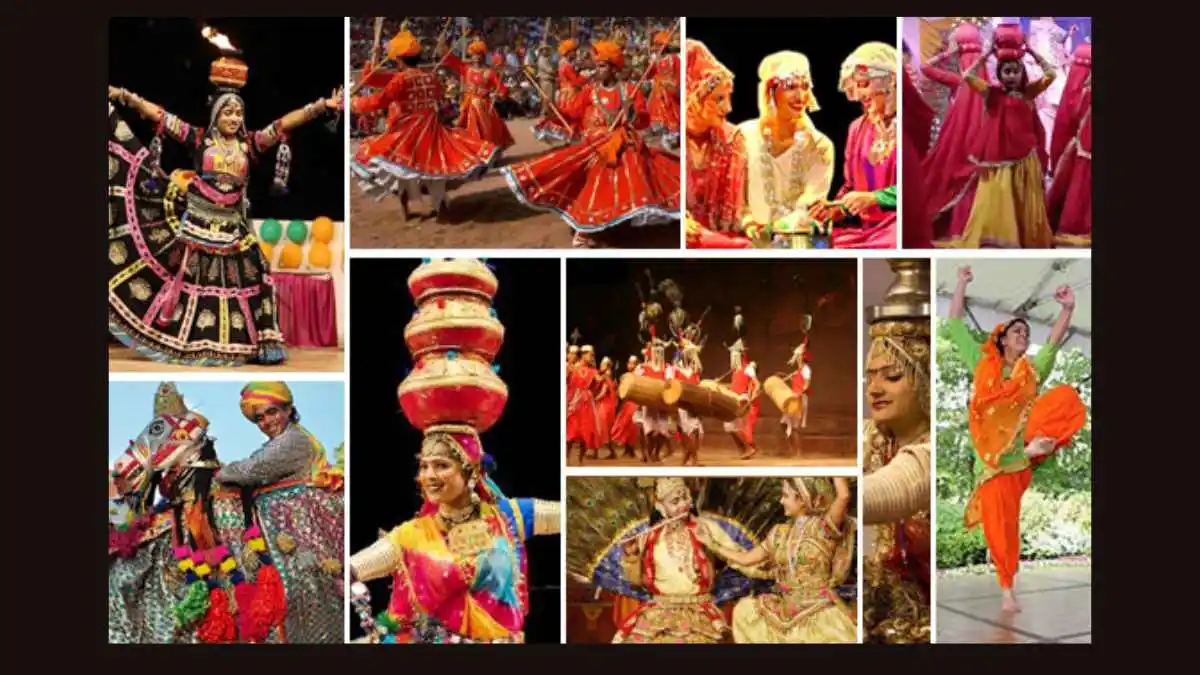
Folk Dance of India is one of the most beautiful and colorful parts of our country’s culture. India is known all over the world for its diversity. We have many languages, religions, festivals, clothes, foods, and traditions. But one thing that connects all Indians is culture. Among all cultural expressions, dance holds a very special place. The folk dance of India is not just about music and steps. It is about emotions, traditions, stories, and community life.
Thank you for reading this post, don't forget to subscribe!From the lively fields of Punjab to the peaceful hills of the North-East, from the deserts of Rajasthan to the coastal villages of Kerala, every region has its own folk dance. These dances show the lifestyle of the people, their beliefs, their festivals, and their love for nature.
What is Folk Dance of India?
Folk Dance of India refers to traditional dances performed by common people of different regions. These dances are usually performed during festivals, harvest seasons, weddings, fairs, and religious ceremonies. They are passed from one generation to another.
Unlike classical dances such as Bharatanatyam or Kathak, folk dances are simple and free. They do not follow very strict rules. People learn them by watching elders and practicing during celebrations.
Folk dances are performed to:
- Celebrate harvest and new seasons
- Worship gods and goddesses
- Celebrate marriages and social events
- Express happiness and unity
- Share stories of heroes and legends
These dances are closely connected with daily life. Farmers dance after a good harvest. Women dance during festivals. Tribal communities dance to show their bond with forests and animals.
Categories of Folk Dance of India
The folk dance of India can be divided into different categories based on purpose and style.
1. Ritualistic Folk Dances
These dances are performed as part of religious ceremonies. People believe that dancing pleases gods and brings blessings.
One example is Kavadi Attam. It is performed in Tamil Nadu to worship Lord Murugan. Devotees carry decorated structures called “Kavadi” on their shoulders.
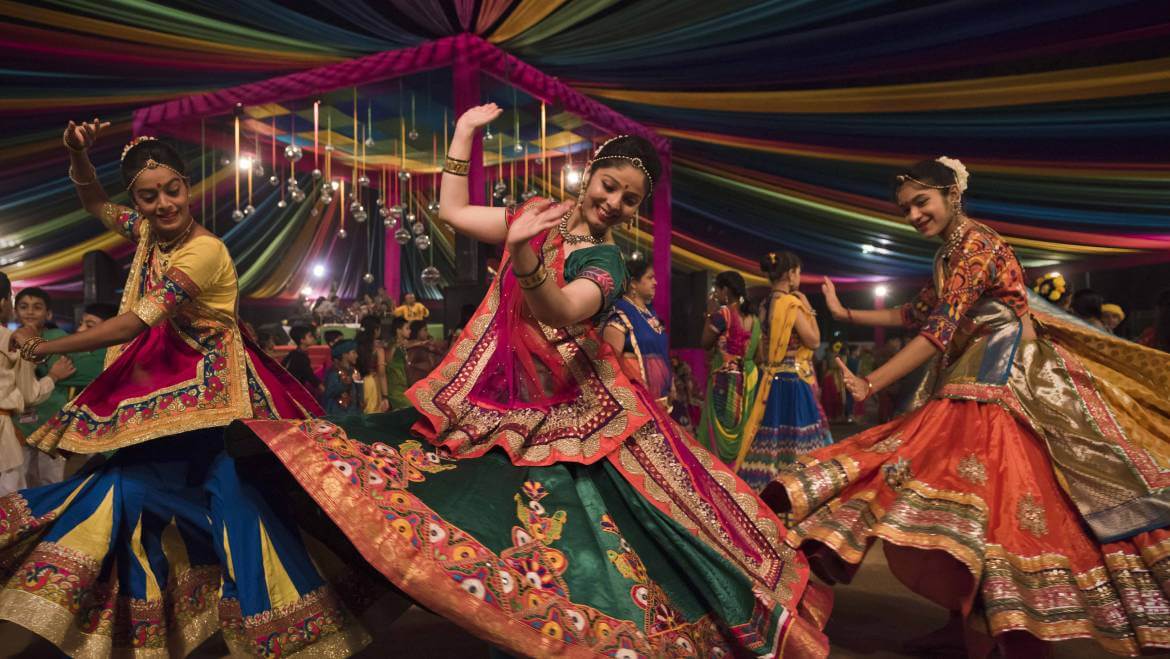
Another example is Garba. It is performed during Navratri to honor Goddess Durga. People dance in circles around a lamp.
In these dances, devotion and faith are very important.
2. Harvest and Seasonal Dances
India is mainly an agricultural country. Farmers celebrate good harvests with dance and music.
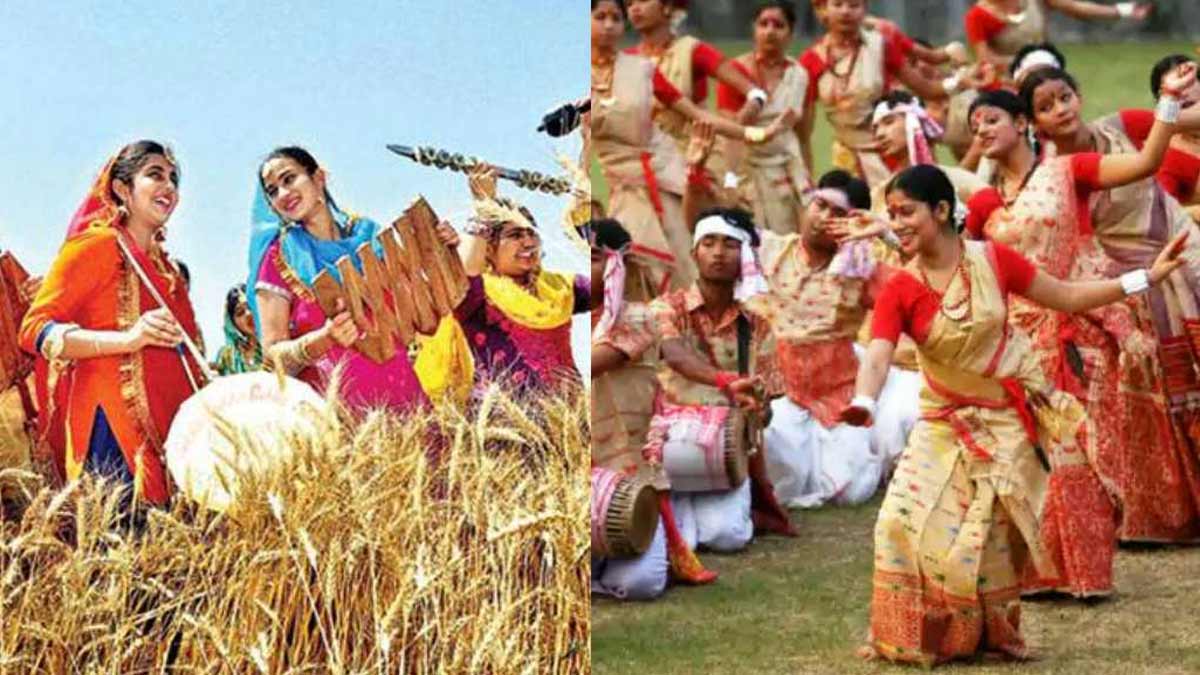
The most famous harvest dance is Bhangra from Punjab.
Men perform Bhangra during Baisakhi festival. They wear colorful turbans and dance with great energy.
Women in Punjab perform Giddha, which is full of fun and humor.
In Assam, people celebrate Rongali Bihu with Bihu. Young boys and girls dance together to welcome the Assamese New Year.
These dances show happiness and gratitude towards nature.
3. Tribal Folk Dances
India has many tribal communities. Their dances are unique and powerful.
One famous tribal dance is Kalbelia from Rajasthan.
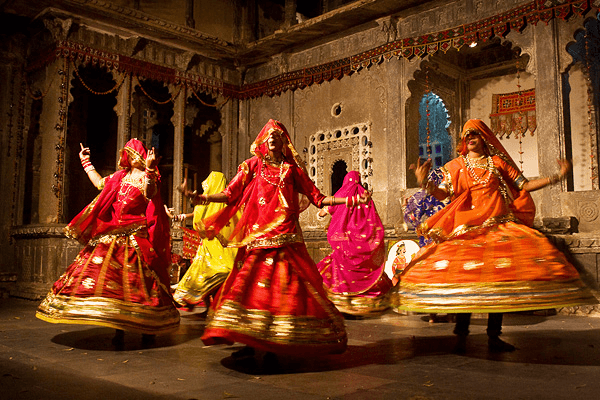
Kalbelia dancers move like snakes because the Kalbelia tribe traditionally worked with snakes.
Another famous dance is Chhau found in Odisha, West Bengal, and Jharkhand. It combines martial arts and dance. Dancers often wear colorful masks.
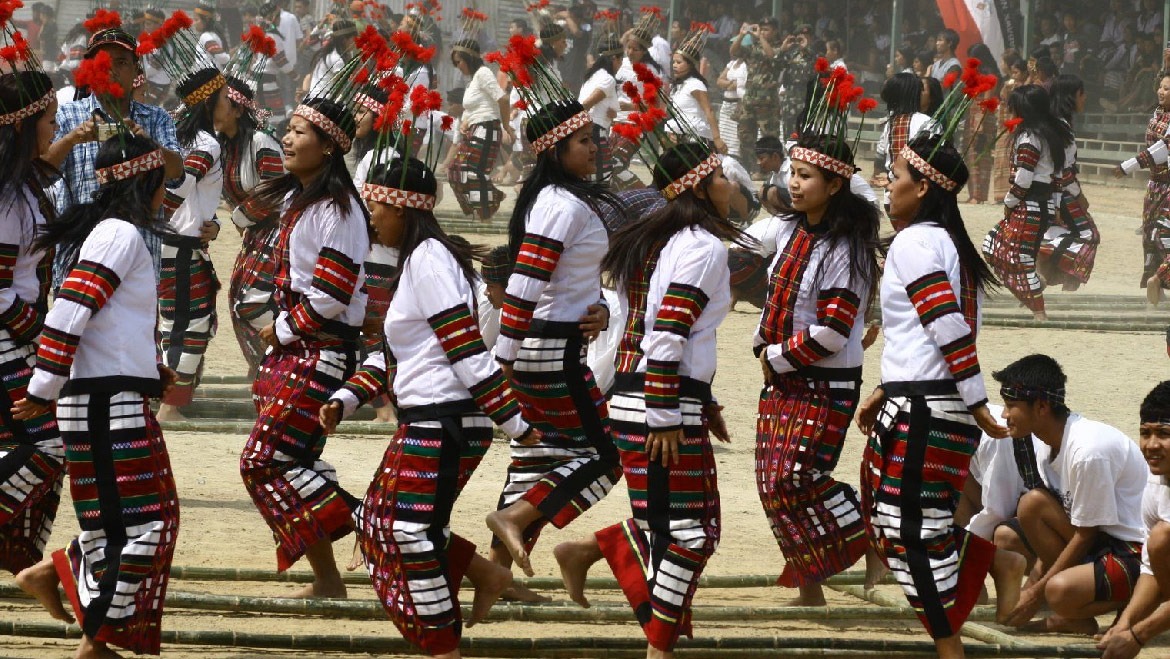
In Mizoram, the Cheraw Dance is performed with bamboo sticks. Dancers step between moving bamboo poles.
In Tripura, young girls perform Hozagiri by balancing pitchers while dancing.
Tribal dances show strength, nature, and community spirit.
4. Social and Celebratory Dances
These dances are performed during weddings and fairs.
In Maharashtra, Lavani is very popular. It is known for fast rhythm and expressive storytelling.
In Rajasthan, Ghoomar is performed by women during weddings and festivals.
These dances bring joy and unity to society.
Folk Dance of India: State-Wise Overview
India is a large country, and every state has its own dance forms.
Northern India
- Punjab – Bhangra and Giddha
- Himachal Pradesh – Kinnauri, Jhora, Chhapeli
- Uttarakhand – Jhora, Raslila
- Haryana – Jhumar, Phag, Dhamal
- Uttar Pradesh – Nautanki, Raslila, Kajri
Raslila shows stories of Lord Krishna and is devotional in nature.
Western India
- Rajasthan – Ghoomar, Kalbelia, Chakri
- Gujarat – Garba and Dandiya Raas
- Maharashtra – Lavani, Koli, Lezim
- Goa – Fugdi, Dhalo, Shigmo
During Navratri, Gujarat becomes colorful with Garba and Dandiya nights.
Eastern India
- Assam – Bihu, Bagurumba, Jhumura
- West Bengal – Chhau, Gambhira, Baul
- Odisha – Ghumura, Chhau, Dandanata
- Bihar – Jat-Jatin, Bidesia, Sama-Chakwa
Chhau dancers often wear large masks and perform mythological stories.
Southern India
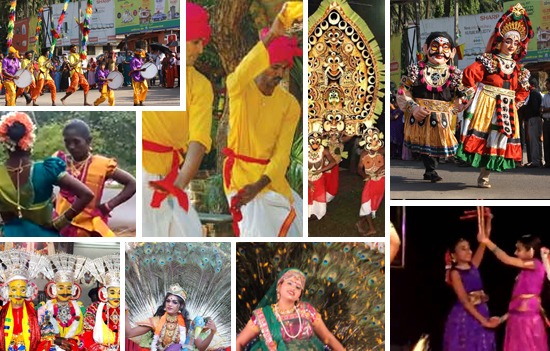
- Tamil Nadu – Kavadi Attam, Karagam, Kolattam
- Kerala – Ottam Thullal, Kaikottikali
- Karnataka – Yakshagana, Kunitha, Karga
- Andhra Pradesh & Telangana – Veeranatyam, Perini Shivatandavam
Yakshagana combines dance, music, and drama.
North-East India
- Manipur – Raslila, Lai Haraoba, Pung Cholom
- Nagaland – War Dance
- Mizoram – Cheraw Dance
- Meghalaya – Laho, Nongkrem Dance
- Tripura – Hozagiri
These dances show tribal pride and cultural identity.
Costumes and Music in Folk Dance of India
Costumes in the folk dance of India are bright and colorful. They reflect local culture.
- Punjab – Turbans and phulkari dupattas
- Rajasthan – Ghagra-choli with heavy jewelry
- Assam – Mekhela chador
- Gujarat – Mirror work dresses
Musical instruments used:
- Dhol
- Tabla
- Flute
- Shehnai
- Manjira
The beats are simple but powerful.
Importance of Folk Dance of India
1. Preservation of History
Many dances tell stories of kings, warriors, and gods.
2. Social Unity
People forget their differences and celebrate together.
3. Cultural Identity
For tribal communities, dance is their identity.
4. Emotional Happiness
Dancing reduces stress and spreads joy.
5. Education of Values
Children learn teamwork, respect, and tradition.
Challenges Faced by Folk Dance of India
Even though the folk dance of India is beautiful, it faces problems.
- Urbanization – Youth move to cities and forget traditions.
- Commercialization – Original steps are changed for TV.
- Lack of Money – Many artists are poor.
- Modern Influence – Bollywood and Western dance attract youth more.
Some dances are slowly disappearing.
Government Efforts to Protect Folk Dance of India
The Government of India has started many programs.
One important organization is Sangeet Natak Akademi. It gives awards and financial support to artists.
There are also Zonal Cultural Centres (ZCCs) that organize festivals.
The National Mission on Cultural Mapping records artists from villages.
The Scheme for Safeguarding Intangible Cultural Heritage protects traditional art forms.
These efforts help keep the folk dance of India alive.
Conclusion
Folk Dance of India is the heartbeat of our culture. It is not just dance. It is emotion, unity, tradition, and celebration of life. Every state has its own special dance form. From the energetic Bhangra of Punjab to the graceful Ghoomar of Rajasthan and the joyful Bihu of Assam, each dance shows the beauty of diversity.
However, modernization and lack of support are serious challenges. It is the duty of both government and people to protect these traditions.
If the younger generation respects and learns the folk dance of India, these beautiful traditions will shine forever.
The folk dance of India is not just a performance it is a celebration of life, culture, and unity in diversity.
FAQs on Folk Dance of India
1. What is the Folk Dance of India?
Folk Dance of India refers to traditional dances performed by people of different regions during festivals, harvest seasons, weddings, and religious events.
2. How is folk dance different from classical dance?
Folk dances are simple, free, and based on local traditions, while classical dances follow strict rules and techniques.
3. Which is the most popular folk dance of India?
Some of the most popular folk dances are Bhangra (Punjab), Garba (Gujarat), Bihu (Assam), and Ghoomar (Rajasthan).
4. Why is folk dance important in Indian culture?
Folk dance preserves history, promotes unity, strengthens cultural identity, and spreads happiness among people.
5. What are harvest dances in India?
Harvest dances like Bhangra and Bihu are performed to celebrate good crops and thank nature.
6. What challenges does the Folk Dance of India face today?
Urbanization, lack of financial support, modernization, and influence of Western culture are major challenges.
7. How does the government protect folk dances?
The government supports artists through cultural programs, awards, and schemes to protect traditional art forms.
8. Are tribal dances part of Folk Dance of India?
Yes, tribal dances are an important part of Indian folk culture and show the close bond between tribal communities and nature.