Complete List of Presidents of India (1950–2025)

Every year, more than 1.2 million students search for the List of Presidents of India, but many still get confused about exact tenures, dates, and important firsts.
Thank you for reading this post, don't forget to subscribe!Just before the exam, students often flip through old notes and outdated PDFs. Names and years get mixed up. At the same time, well-prepared candidates easily answer Static GK questions worth five marks, which can decide the final rank. One forgotten date or one wrong name can cost valuable marks.
This guide is designed to remove that confusion completely. All information here is collected from official government records and Rashtrapati Bhavan sources. It includes the latest updates up to 2025, details of acting Presidents, and exam-ready practice questions that many coaching websites miss.
By the time you finish reading, you will have a clear and well-organised one-page revision note. You will not need extra books or last-minute searching. Everything is explained in a simple way that helps you revise quickly for UPSC Prelims, SSC, and State PCS exams.
What you will learn in this guide:
- A complete list of all 15 Presidents of India with exact dates
- The inspiring journey of the current President, Droupadi Murmu
- Important historical milestones and record holders
- Details of acting Presidents, which many students forget
- Salary, allowances, and benefits of the President of India
- Common exam mistakes and traps to avoid
- 20 practice MCQs to test your understanding
This section is written to help you remember facts clearly and revise confidently before the exam.
What is the List of Presidents of India?
The List of Presidents of India is the official record of all the people who have served as the President of India since January 26, 1950, the day India became a republic. This important constitutional position is defined under Article 52 of the Indian Constitution, which clearly states that there shall be a President of India.
Since 1950, India has had 15 Presidents who have held this highest constitutional office. The President is the ceremonial head of the country, the first citizen of India, and the Supreme Commander of the Indian Armed Forces. Although most of the powers are exercised on advice, the role of the President is very important in India’s parliamentary system.
The current President of India is Droupadi Murmu. She created history by becoming the first tribal woman President of India. She took the oath of office on July 25, 2022, and her election is seen as an important step toward inclusive representation in India.
Constitutional Framework of the President of India
The office of the President is explained under Articles 52 to 78 in Part V of the Indian Constitution.
Article 53 states that the executive power of the Union is vested in the President.
However, in practice, these powers are exercised on the advice of the Council of Ministers, which is led by the Prime Minister. This ensures the smooth functioning of the parliamentary democracy.
Selection Process of the President of India
The President of India is not directly elected by the people.
Instead, the election is conducted by an Electoral College. This Electoral College includes:
- Elected members of the Lok Sabha
- Elected members of the Rajya Sabha
- Elected members of State Legislative Assemblies
The election is held through a secret ballot system, following proportional representation.
Why This Topic Matters for Exams
Questions related to the List of Presidents of India appear regularly in competitive exams. They are asked in UPSC Prelims, SSC CGL, Banking exams, State PCS, and even during interview stages.
These questions test your basic constitutional knowledge, awareness of current affairs, and understanding of India’s political system.
Why the List of Presidents of India Matters in 2026
Learning about the Presidents of India is not just about remembering names. It helps you understand how India’s democracy and Constitution have evolved. For UPSC 2026 and other competitive exams, this topic is very important.
Recent exam trends show that three to five questions in Prelims are asked directly or indirectly from this topic. These questions may be about the current President, the first woman President, the longest serving President, acting Presidents, constitutional articles, powers of the President, or the election process.
In 2025, Droupadi Murmu completed three years as President and took part in several important constitutional decisions. Because of this, questions related to her tenure, tribal representation, and recent constitutional developments are more likely to appear in exams.
Many coaching notes still wrongly mention Ram Nath Kovind as the current President. Some also ignore acting Presidents like V V Giri, Mohammad Hidayatullah, and B D Jatti. Knowing these correct details gives you a clear advantage over other candidates.
What Makes This List Different
This list is prepared to cover everything you need for exams in one place. It includes:
- Exact start and end dates of every President
- Political background, where relevant
- Important contributions and decisions
- Records and historical milestones
- Lesser-known facts that are often used as tricky options in MCQs
This approach helps you avoid common mistakes and answer questions with confidence.
Current President of India 2025 to 2026
Droupadi Murmu is the 15th President of India. She continues her historic tenure that began on July 25, 2022. Her election marked an important moment in Indian democracy, as she became the first President from India’s tribal communities to live and work in Rashtrapati Bhavan.
She was born on June 20, 1958, in Uparbeda village of Mayurbhanj district in Odisha. She belongs to the Santhal tribal community, one of the largest tribal groups in India. Her journey from a small village to the highest constitutional post reflects the inclusive and democratic nature of India.
Early Life and Education
Droupadi Murmu completed her primary education in her village school. Later, she moved to Bhubaneswar for higher studies. She became the first woman from her village to earn a college degree.
She graduated in 1979 with a Bachelor of Arts degree in Political Science and Economics from Ramadevi Women’s College, Bhubaneswar.
In her early career, she worked as a junior assistant in the Irrigation and Power Department of the Odisha Government from 1979 to 1983. Later, she worked as a teacher at Sri Aurobindo Integral Education Centre in Rairangpur from 1994 to 1997.
Political Journey of Droupadi Murmu
Droupadi Murmu began her political career as a councillor in the Rairangpur Notified Area Council in 1997.
She was elected as a Member of the Odisha Legislative Assembly from the Rairangpur constituency for two consecutive terms from 2000 to 2009.
She later served as the Governor of Jharkhand from 2015 to 2021, becoming the first tribal woman Governor of any Indian state.
As a minister in the Odisha Government, she handled:
- Commerce and Transport from 2000 to 2002
- Fisheries and Animal Resources Development from 2002 to 2004
Her work during this period earned her wide recognition.
Presidential Election 2022
Droupadi Murmu was nominated by the Bharatiya Janata Party as the National Democratic Alliance candidate for the Presidential election in 2022.
She defeated the opposition candidate Yashwant Sinha, securing 6,76,803 electoral votes, which was 64.03 per cent of the total votes.
She won in 21 out of 28 states and received support not only from the ruling alliance but also from several opposition parties such as BJD, YSRCP, JMM, BSP, and Shiv Sena.
Key Achievements as President of India
Some important achievements and records of Droupadi Murmu include:
- First President born after India became independent
- Youngest person to become President at the age of 64
- First President to serve alongside three Vice Presidents
- Promoted health initiatives like Pradhan Mantri TB Mukt Bharat to eliminate tuberculosis
- First President to inaugurate the Mysuru Dasara festival in Karnataka
- Undertook extensive visits to northeastern states to promote cultural unity
- Strong supporter of tribal rights, women’s empowerment, and education
Personal Life
Droupadi Murmu has faced deep personal hardships. She lost her two sons in 2009 and 2013, and her husband in 2014. Despite these tragedies, she continued her public service with strength and determination.
Her life journey has made her an inspiration for millions of Indians, especially women and people from marginalised communities.
Historic Firsts and Record Holders
The Presidents of India have created many historic records that are often asked in competitive exams. Knowing these firsts and achievements helps you score easy marks in Static GK.
Below are the most important record holders you must remember.
Dr. Rajendra Prasad (1950 to 1962)
The Pioneer President
Dr. Rajendra Prasad was the first President of India. He is also the only President to serve two full terms, completing a total of twelve years in office.
He was a close associate of Mahatma Gandhi and played an important role in India’s freedom struggle. He was a lawyer, scholar, and freedom fighter.
Dr. Rajendra Prasad also presided over the Constituent Assembly, which drafted the Indian Constitution. Many traditions followed by Presidents today were started during his tenure.
He was awarded the Bharat Ratna in 1962 for his exceptional service to the nation.
Dr. Sarvepalli Radhakrishnan (1962 to 1967)
The Scholar President
Dr. Sarvepalli Radhakrishnan was a famous philosopher, teacher, and academician.
His birthday, September 5, is celebrated as Teachers’ Day across India. He had already received the Bharat Ratna in 1954, even before becoming President.
He is among the few Presidents who received India’s highest civilian award before holding the office.
Dr. Zakir Husain (1967 to 1969)
First Muslim President
Dr. Zakir Husain was the first Muslim President of India. He was a respected educationist and one of the founders of Jamia Millia Islamia University.
He became the first President to die while in office, passing away on May 3, 1969. His tenure lasted for less than two years.
V V Giri (1969 to 1974)
The Independent Victor
Varahagiri Venkata Giri was the only President elected as an independent candidate, without support from any major political party.
He is also unique because he served as both Acting President and elected President.
Before becoming President, he was a trade union leader and worked for labour rights. He received the Bharat Ratna in 1975.
K R Narayanan (1997 to 2002)
Breaking Caste Barriers
K R Narayanan was the first Dalit President of India.
He was a distinguished diplomat and served as India’s Ambassador to the United States before becoming President.
He was also the first President to vote in a general election while in office, setting a strong democratic example.
Dr. A P J Abdul Kalam (2002 to 2007)
The People’s President
Dr. A P J Abdul Kalam was the first scientist to become President of India. He is popularly known as the Missile Man of India for his role in India’s missile and nuclear programs.
He was deeply loved for his simplicity, humility, and inspiring speeches. People remember him as the People’s President.
He is the only President who did not own a car or personal property.
Pratibha Patil (2007 to 2012)
First Woman President
Smt. Pratibha Patil was the first woman President of India, ending fifty-seven years of male leadership.
She earlier served as the Governor of Rajasthan and was a five-time MLA from Maharashtra.
She created history by becoming the first woman head of state to fly a Sukhoi 30 MKI fighter aircraft.
Droupadi Murmu (2022 to Present)
Historic Triple First
Droupadi Murmu holds several unique records:
- First tribal President of India
- Youngest President at the time of taking office at age sixty-four
- First President born after India’s independence
She is also the second woman President of India and the first President to serve with three different Vice Presidents.
Exam Tip for Aspirants
Questions on the first President, the first woman President, the first tribal President, the longest serving President, and Presidents with special records are high probability questions in Prelims.
Complete List of Presidents of India 1950 to 2026
This section gives you a complete and exam-ready list of all 15 Presidents of India from 1950 to 2026.
The table includes every President with correct dates and details. It is designed especially for students preparing for UPSC, SSC, State PCS, and other competitive exams.
You can print this list, keep it on your study wall, and revise it daily. Regular revision of this table will help you remember names, dates, and important facts without confusion.
This list is made to support quick revision, last-minute preparation, and error-free learning.
| No. | Name | Tenure | Party/Background | Key Highlights |
|---|---|---|---|---|
| 15 | Droupadi Murmu | Jul 25, 2022 – Present | NDA (BJP) | First tribal woman; youngest at 64; born in independent India |
| 14 | Ram Nath Kovind | Jul 25, 2017 – Jul 25, 2022 | BJP | Second Dalit President, lawyer, ex-Governor of Bihar |
| 13 | Pranab Mukherjee | Jul 25, 2012 – Jul 25, 2017 | INC | Finance expert; longest political career before presidency |
| 12 | Pratibha Patil | Jul 25, 2007 – Jul 25, 2012 | INC | First woman President; ex-Governor of Rajasthan |
| 11 | Dr. APJ Abdul Kalam | Jul 25, 2002 – Jul 25, 2007 | Independent | Missile Man; People’s President; first scientist President |
| 10 | K.R. Narayanan | Jul 25, 1997 – Jul 25, 2002 | INC | First Dalit President; diplomat; first to vote in election |
| 9 | Dr. Shankar Dayal Sharma | Jul 25, 1992 – Jul 25, 1997 | INC | Legal scholar; ex-CM of Madhya Pradesh; ex-Vice President |
| 8 | R. Venkataraman | Jul 25, 1987 – Jul 25, 1992 | INC | Freedom fighter; Defence Minister; ex-Vice President |
| 7 | Giani Zail Singh | Jul 25, 1982 – Jul 25, 1987 | INC | First Sikh President; ex-CM of Punjab; used pocket veto |
| 6 | Neelam Sanjiva Reddy | Jul 25, 1977 – Jul 25, 1982 | Janata Party | Only the President elected unopposed; youngest at 64; ex-Lok Sabha Speaker |
| 5 | Fakhruddin Ali Ahmed | Aug 24, 1974 – Feb 11, 1977 | INC | Second Muslim President; declared Emergency 1975; died in office |
| 4 | V.V. Giri | Aug 24, 1969 – Aug 24, 1974 | Independent | Only independent candidate elected; trade unionist; Bharat Ratna 1975 |
| 3 | Dr. Zakir Husain | May 13, 1967 – May 3, 1969 | INC | First Muslim President; educationist; first to die in office |
| 2 | Dr. Sarvepalli Radhakrishnan | May 13, 1962 – May 13, 1967 | INC | Philosopher-teacher; birthday celebrated as Teacher’s Day; Bharat Ratna 1954 |
| 1 | Dr. Rajendra Prasad | Jan 26, 1950 – May 13, 1962 | INC | First President; only two-term President (12 years); freedom fighter; Bharat Ratna 1962 |
Acting Presidents (Important for Exams!)
These three Vice Presidents served as Acting Presidents during transitions:
| Name | Acting Period | Reason | Later Became President? |
|---|---|---|---|
| V.V. Giri | May 3, 1969 – Jul 20, 1969 | After Zakir Husain’s death | Yes (Aug 1969) |
| Mohammad Hidayatullah | Jul 20, 1969 – Aug 24, 1969 | After Giri resigned to contest | No |
| B.D. Jatti | Feb 11, 1977 – Jul 25, 1977 | After Fakhruddin Ali Ahmed’s death | No |
Exam Tip
V V Giri is the only person in Indian history who served as both Acting President and later as an elected President.
This fact is often used as a tricky MCQ option, so remember it carefully.
Understanding Presidential Tenure in India
The tenure of the President of India is clearly explained in the Constitution under Article 56. This topic is asked more often in exams than many students expect, so it is important to understand it properly.
Standard Five-Year Term
Every President of India serves a fixed term of five years from the date they take the oath of office.
Unlike the Prime Minister, whose term depends on the support of the Lok Sabha, the President’s tenure is fixed and predictable.
For example, Droupadi Murmu took the oath on July 25, 2022, so her normal term will end on July 24, 2027, unless she resigns or is removed through impeachment.
Can a President Serve More Than One Term?
Yes, a President can serve more than one term.
The Constitution does not set any limit on the number of terms a person can serve as President, as long as the person is eligible and wins the election again.
However, in actual practice, only Dr. Rajendra Prasad served two full consecutive terms, from 1950 to 1962. All other Presidents have served only one five-year term.
What Happens If a President Dies or Resigns?
If the office of the President becomes vacant due to death, resignation, removal, or any other reason, the Vice President of India immediately takes charge as Acting President under Article 65.
This situation has occurred three times in Indian history:
- In 1969, after Dr. Zakir Husain died, V V Giri, who was Vice President, became Acting President
- Later in 1969, when V V Giri resigned to contest the Presidential election, Chief Justice Mohammad Hidayatullah became Acting President
- In 1977, after Fakhruddin Ali Ahmed died, B D Jatti, the Vice President, became Acting President
The Acting President remains in office until a new President is elected. A new election must be completed within six months.
How to Remove a President of India (Impeachment)
According to Article 61, a President can be removed before completing the term only through impeachment for violation of the Constitution.
The impeachment process is very strict and difficult:
- Either House of Parliament can start impeachment charges
- The charge must be signed by at least one-fourth of the members of that House
- A fourteen-day notice must be given to the President
- The charges must be passed by a two-thirds majority of the total membership of that House
- The other House then investigates the charges
- If the second House also passes the charges by a two-thirds majority, the President is removed
Important Fact for Exams
No President of India has ever been impeached.
This shows the dignity and constitutional respect given to the office.
Resignation Process of the President
If a President wants to resign, they must give a written resignation to the Vice President under Article 56.
The resignation becomes effective immediately once it is submitted.
President of India Salary and Benefits 2025
Many students wonder how much salary the President of India receives. The salary and benefits given to the President reflect the dignity, responsibility, and importance of the highest constitutional office in the country.
Monthly Salary of the President of India
The President of India receives a monthly salary of ₹5,00,000, which is ₹5 lakh per month.
Earlier, the salary was ₹1.5 lakh per month, but it was revised in 2018. After this revision, the salary increased to more than three times the earlier amount.
Annual Salary of the President
Every year, the President earns ₹60 lakh per year as basic salary alone.
This makes the President of India the highest-paid government official in the country.
Why the Salary Is Important for Exams
Questions related to the salary of the President of India are often asked in Static GK and Polity sections. UPSC and other exams sometimes compare the salaries of constitutional authorities, so remembering this figure can help you score easily.
Historical Salary Growth of the President
Over the years, the salary of the President of India has increased gradually to match the importance of the office and rising economic conditions. The most significant revision took place in 2018, when the salary was raised significantly.
| Year | Monthly Salary | With Allowances |
|---|---|---|
| 1951 | ₹10,000 | ₹15,000 |
| 1985 | ₹15,000 | ₹30,000 |
| 1989 | ₹20,000 | ₹30,000 |
| 1998 | ₹50,000 | – |
| 2008 | ₹1,50,000 | – |
| 2018 | ₹5,00,000 | – |
Salary Revision and Global Standard
The last major salary revision in 2018 brought the President of India’s salary closer to global standards followed for heads of state across the world. This revision reflected the dignity and importance of the office.
Perks and Benefits During the Tenure of the President
Apart from salary, the President of India enjoys several important benefits during the term of office.
Official Residence: Rashtrapati Bhavan
The President lives in Rashtrapati Bhavan, which is one of the largest presidential residences in the world.
- It has 340 rooms and is spread across 330 acres
- The total floor area is about two lakh square feet
- It is fully furnished and maintained by the government
- A complete household staff is provided, including cooks, attendants, and gardeners
- The famous Mughal Gardens are open to the public every spring
Transportation Facilities
The President is provided with special transport facilities for safety and official work.
- A specially protected Mercedes-Benz S600 Pullman Guard car
- A fleet of luxury vehicles for official use
- Access to Air India One, which is similar to Air Force One
- Free and unlimited first-class travel by train and air, both in India and abroad
Security Arrangements
The President receives the highest level of security in the country.
- Protection by the President’s Bodyguard, an elite ceremonial unit
- Multi-layer security provided by intelligence agencies
- Round-the-clock protection at all locations
Medical Facilities
The President receives complete medical support.
- Free and high-quality medical treatment for life
- A medical team is always available at Rashtrapati Bhavan
- Access to the best hospitals and medical specialists in India
Other Important Benefits
- Personal secretarial staff of more than thirty officers
- Annual office expense allowance of ₹1 lakh
- Telephone and communication expenses fully paid
- Entertainment and hospitality support for state functions
Post Retirement Benefits for Former Presidents
Even after leaving office, former Presidents continue to receive several benefits.
Pension
- Monthly pension of ₹1.5 lakh
- This comes to ₹18 lakh per year for life
- The pension amount was revised in 2018
Accommodation
- A fully furnished, rent-free Type Eight bungalow
- Located in a prime area
- All maintenance and utility bills are paid by the government
Staff Assistance
- Five personal staff members provided
- Annual staff allowance of ₹60,000
- Secretarial staff, including a Private Secretary and a Personal Assistant
Communication Facilities
- Two free landline connections
- One mobile phone with all expenses covered
- Internet and broadband facilities
Travel Benefits
- Free first-class train travel for life with one companion
- Thirty-four free domestic air travel tickets every year
- All travel expenses are covered by the government
Benefits for the President’s Spouse After Death
After the death of a President, the spouse continues to receive certain benefits.
- Family pension of ₹30,000 per month
- Furnished accommodation
- Medical facilities
- Travel benefits
- Annual secretarial assistance allowance of ₹20,000
Comparison with Other Constitutional Authorities
| Position | Monthly Salary |
|---|---|
| President of India | ₹5,00,000 |
| Vice President of India | ₹4,00,000 |
| Prime Minister of India | ₹1,60,000* |
| Chief Justice of India | ₹2,80,000 |
| Supreme Court Judge | ₹2,50,000 |
| Governors | ₹3,50,000 |
Important Exam Facts
- The Prime Minister’s basic salary is technically the same as that of a Member of Parliament, which is ₹1.24 lakh per month, along with additional allowances.
- The President of India is the highest-paid constitutional authority in the country.
Exam Tip
Questions related to salary, pension, residence, and post-retirement benefits of the President are often asked in Static GK and Polity sections. Remember the 2018 revision clearly, as it is a common exam trap.
President vs Prime Minister: Understanding the Difference
Students often confuse the roles of President and Prime Minister. Let’s clear this up once and for all with a simple comparison table:
| Feature | President | Prime Minister |
|---|---|---|
| Official Title | Head of State | Head of Government |
| Role Type | Ceremonial/Constitutional | Executive/Real Power |
| Election Method | Indirect – by Electoral College of MPs and MLAs | Indirect – by the Electoral College of MPs and MLAs |
| Term Length | Fixed 5 years (can be re-elected) | Up to 5 years (depends on Lok Sabha confidence) |
| Age Requirement | Minimum 35 years | No specific age limit |
| Residence | Rashtrapati Bhavan, New Delhi | 7 Lok Kalyan Marg (formerly Race Course Road) |
| Salary | ₹5 lakh/month | ₹1.6 lakh/month (plus allowances) |
| Real Power | Nominal (acts on PM’s advice) | Substantial (runs day-to-day government) |
| Appointment Power | Appoints PM, Governors, Judges (on advice) | Selects Cabinet, takes policy decisions |
| Legislative Role | Signs bills into law (can return once) | Introduces legislation, steers policy |
| Commander-in-Chief | Nominal (defense decisions by Cabinet) | Real authority through the Cabinet Committee on Security |
| Accountability | To Constitution | Leader of the majority party/coalition in Lok Sabha |
| Diplomatic Role | Receives foreign dignitaries, state visits | Conducts foreign policy, international negotiations |
Key Point to Remember
Think of it this way. The President of India is like a respected elder in a family who gives final approval and guidance.
The Prime Minister is like the family member who handles daily work and makes real decisions.
The President ensures that the government works according to the Constitution.
The Prime Minister ensures that the government works efficiently on a day-to-day basis.
This simple comparison helps you clearly understand their roles and is useful for answering conceptual questions in exams.
Common Mistakes Students Make (Do Not Be One of Them)
After checking many answer sheets and mock tests, some common mistakes appear again and again. If you avoid these errors, you can easily score better in exams.
Mistake 1: Mixing Up the “Firsts”
Many students confuse different types of “first” Presidents.
❌ Wrong: Zakir Husain was the first President
✅ Correct: Rajendra Prasad was the first President, while Zakir Husain was the first Muslim President
Easy Way to Remember
- First President: Rajendra Prasad
- First Muslim President: Zakir Husain
- First Woman President: Pratibha Patil
- First Dalit President: K R Narayanan
- First Sikh President: Giani Zail Singh
- First Tribal President: Droupadi Murmu
- First Scientist President: A P J Abdul Kalam
Mistake 2: Forgetting Acting Presidents
Many students do not remember Acting Presidents. This is a common exam trap.
Acting Presidents of India
- V V Giri (May to July 1969), later became elected President
- Mohammad Hidayatullah (July to August 1969), then Chief Justice of India
- B D Jatti (February to July 1977), Vice President of India
Exam Trick
V V Giri is the only person who served as both Acting President and elected President. This fact is asked very often.
Mistake 3: Getting the Current President Wrong
Using old notes can cost you marks.
Always remember:
The current President of India (as of December 2025) is Droupadi Murmu, in office since July 25, 2022.
Mistake 4: Confusing Political Backgrounds
Not all Presidents belonged to the Congress party.
Presidents Not From Congress
- Neelam Sanjiva Reddy – Janata Party
- V V Giri – Independent
- A P J Abdul Kalam – Independent (supported by NDA)
- Ram Nath Kovind – BJP
- Droupadi Murmu – BJP
Mistake 5: Wrong Tenure Calculations
Students often calculate tenure incorrectly.
❌ Wrong: Rajendra Prasad served 11 years
✅ Correct: Rajendra Prasad served 12 years and 4 months (January 1950 to May 1962)
Pro Tip
Most recent Presidents serve exactly five years, usually from July 25 to July 25. This pattern helps in MCQs.
Mistake 6: Ignoring Deaths in Office
Two Presidents died while serving in office:
- Dr. Zakir Husain – Died on May 3, 1969 (first President to die in office)
- Fakhruddin Ali Ahmed – Died on February 11, 1977
This is a high probability MCQ topic.
Mistake 7: Not Knowing Important Constitutional Articles
Basic Constitution questions are often asked.
- Article 52 – There shall be a President of India
- Article 53 – Executive power of the Union
- Article 54 – Election of the President
- Article 56 – Term of office (five years)
- Article 61 – Impeachment of the President
- Article 65 – Vice President acts when office is vacant
Mistake 8: Assuming All Presidents Completed Full Terms
This is not true.
- Zakir Husain – Died before completing two years
- Fakhruddin Ali Ahmed – Died after about two and a half years
- Rajendra Prasad – Only President to serve more than one term
Final Exam Reminder
Most mistakes happen due to confusion, outdated notes, or poor revision.
If you revise first, acting Presidents, articles, and current details regularly, this topic becomes easy marks in Prelims and Mains.
Tools and Resources for Mastering This Topic
To master the Presidents of India topic, you need the right tools. Below are simple and effective resources that help in quick learning and strong revision.
Free Downloadable Resources
1. Printable One-Page Revision Sheet
A single-page PDF that lists all 15 Presidents, their tenures, and key facts.
This is perfect for last-minute revision before exams.
2. Flashcards for Quick Learning
Digital flashcards were:
- One side shows the President’s name
- The other side shows important facts
These are useful for mobile revision, especially while travelling.
3. Easy Mnemonics and Memory Tricks
Use these simple tricks to remember important facts:
- RAJ started it all
Rajendra Prasad was the first President - ZAKIR was the first Muslim
Zakir Husain was the first Muslim President - PRATIBHA broke the PATRIARCHY
Pratibha Patil was the first woman President - MURMU made murmurs
Droupadi Murmu became the first tribal President, creating history
Study Timeline Method
Visual Timeline Chart
Make a horizontal timeline from 1950 to 2025 and mark all the Presidents.
Use colours to remember better:
- Blue for Congress Presidents
- Green for Non-Congress Presidents
- Red for Presidents who died in office
- Gold for record holders (firsts, longest serving, etc.)
This method improves visual memory and helps with MCQs.
Practice Question Banks
Solve practice questions regularly to test your knowledge:
- Static GK MCQs on Constitutional Bodies
- Presidents and Vice Presidents’ full notes for Polity
Practising MCQs helps you identify weak areas quickly.
Apps and Online Tools
These platforms are useful for daily practice:
- UPSC Pathshala – Dedicated content on Presidents
- Gradeup – Regular Static GK quizzes
- Testbook – Previous year question analysis
YouTube for Visual Learners
If you learn better through videos, search for
“Presidents of India explained”
Many short 10 to 15-minute videos explain the entire topic using visuals, timelines, and simple language.
Final Advice for Aspirants
Do not rely on only one source.
Combine revision sheets, flashcards, MCQs, and visual timelines to master this topic completely.
Your 7 Day Mastery Plan
Follow this simple and proven study plan to fully master the Presidents of India topic.
Day 1: Foundation (30 minutes)
- Read the complete Presidents list table slowly three times
- Focus on names, spelling, and exact dates
- Write down the five most recent Presidents
- Watch one short explanatory video
Target: Remember at least the first five and last five Presidents
Day 2: Historical Background (45 minutes)
- Study the first five Presidents from 1950 to 1977
- Learn about their backgrounds and contributions
- Remember the two Presidents who died in office
- Note the acting Presidents and their time periods
Target: Clearly explain Rajendra Prasad, Radhakrishnan, Zakir Husain, V V Giri, and Fakhruddin Ali Ahmed
Day 3: Modern Era (45 minutes)
- Study the Presidents from 1977 onwards
- Focus on Pratibha Patil, A P J Abdul Kalam, and the recent Presidents
- Learn all records and historic firsts
- Understand party affiliations
Target: Master Presidents from Neelam Sanjiva Reddy to Droupadi Murmu
Day 4: Constitutional Provisions (30 minutes)
- Memorise important Articles: 52, 53, 54, 56, 61, 65
- Understand how the President is elected
- Learn the powers and functions
- Study the impeachment process
Target: Answer any Constitution-based question with confidence
Day 5: Practice MCQs (60 minutes)
- Solve 50 multiple-choice questions
- Check every wrong answer carefully
- Make a list of your mistakes
- Revise weak areas again
Target: Score at least 40 out of 50 (80 per cent or more)
Day 6: Comparison and Clarity (30 minutes)
- Make comparison charts like the President vs the Prime Minister
- Revise salary and benefits
- Learn tenure rules again
- Recheck acting Presidents
Target: Remove all confusion and weak points
Day 7: Final Revision (45 minutes)
- Quick revision of the entire Presidents’ table
- Revise using flashcards
- Attempt 20 quick questions
- Teach the topic to a friend or explain it aloud
Target: Full confidence and exam-ready
Pro Tip for Aspirants
Revise this topic once every month until your exam.
Regular revision helps you remember facts for a long time and avoid silly mistakes.
Presidents of India: 1950 to 2025
The Presidents of India have played an important role in protecting the Constitution and guiding the country during major political and social changes. From Dr. Rajendra Prasad, the first President who helped build the democratic foundation of independent India, to Droupadi Murmu, the first tribal woman President, each leader has made a unique contribution to the nation.
1. Dr. Rajendra Prasad
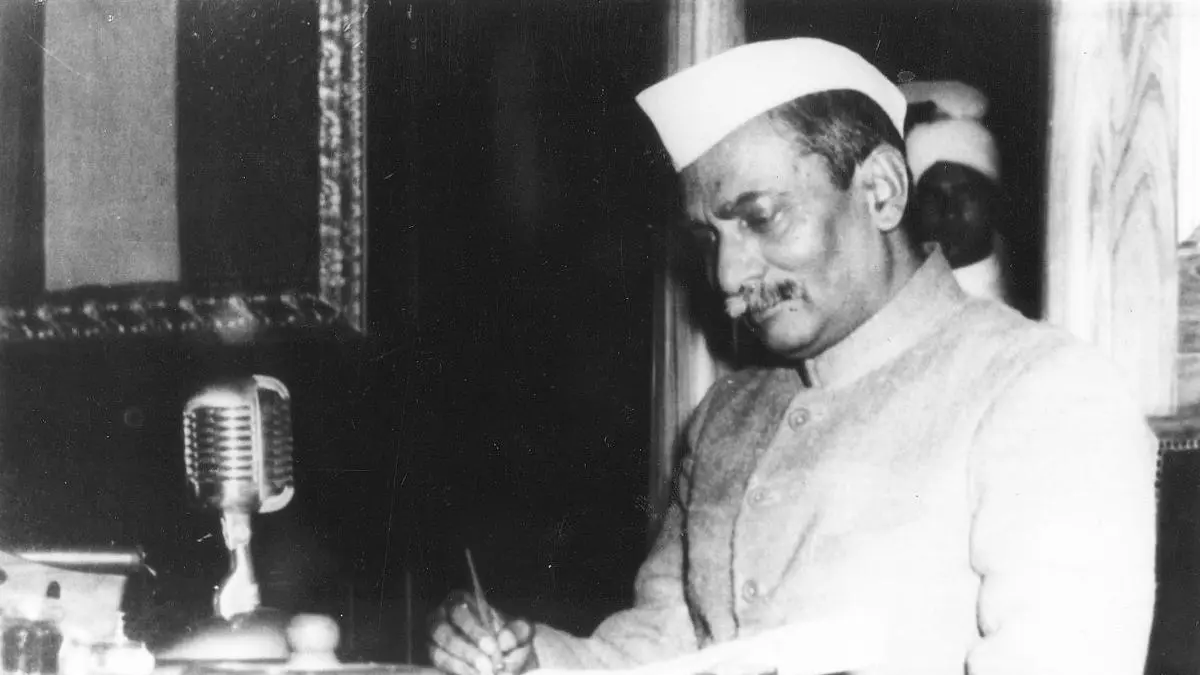
Dr. Rajendra Prasad was the first President of India, serving from 1950 to 1962. He was a respected freedom fighter and a close associate of Mahatma Gandhi. He played an important role in India’s freedom movement and in building the nation after independence.
He is the only President to serve two full terms. Dr. Rajendra Prasad was known for his humility, simple lifestyle, and major contribution to the making of the Indian Constitution.
2. Dr. Sarvepalli Radhakrishnan

Dr. Sarvepalli Radhakrishnan was the second President of India, serving from 1962 to 1967. He was a famous philosopher, teacher, and scholar.
His birthday, September 5, is celebrated as Teachers’ Day in India. During his life, he strongly supported education, moral values, and Indian culture. He believed that good education and ethics are essential for a healthy public life.
3. Dr. Zakir Husain
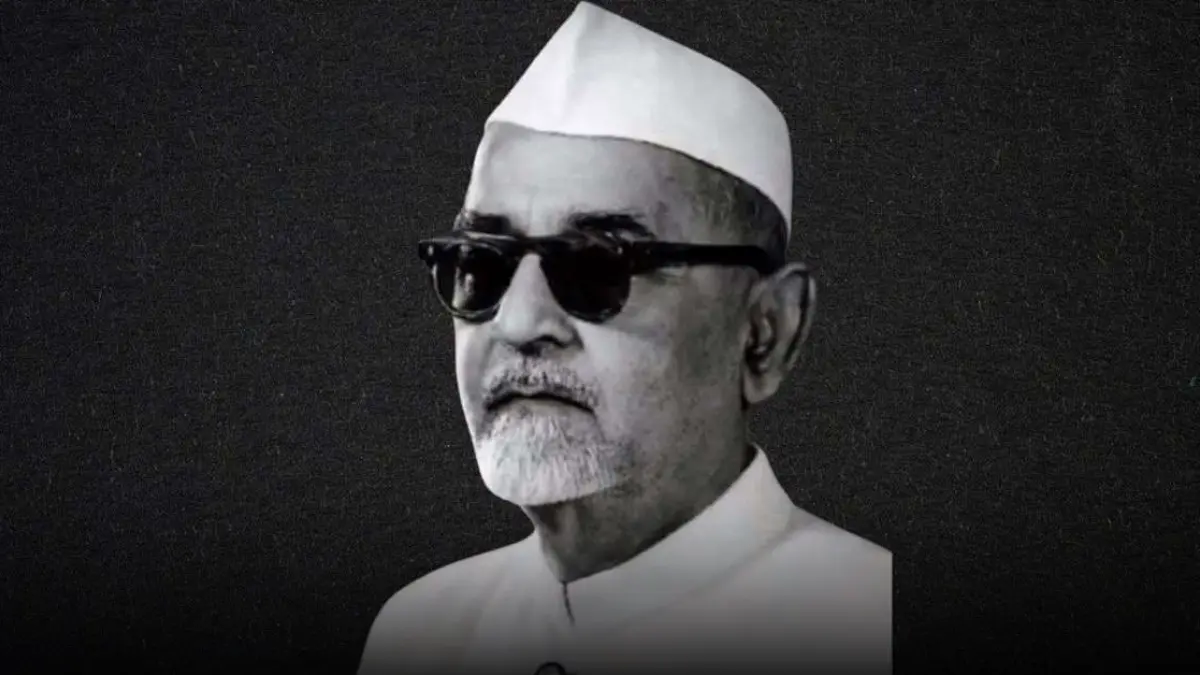
Dr. Zakir Husain was the third President of India, serving from 1967 to 1969. He was the first Muslim President of India.
He was a well-known educationist and one of the founders of Jamia Millia Islamia University. Dr. Zakir Husain passed away while in office, making him the first President of India to die during his term.
4. V. V. Giri
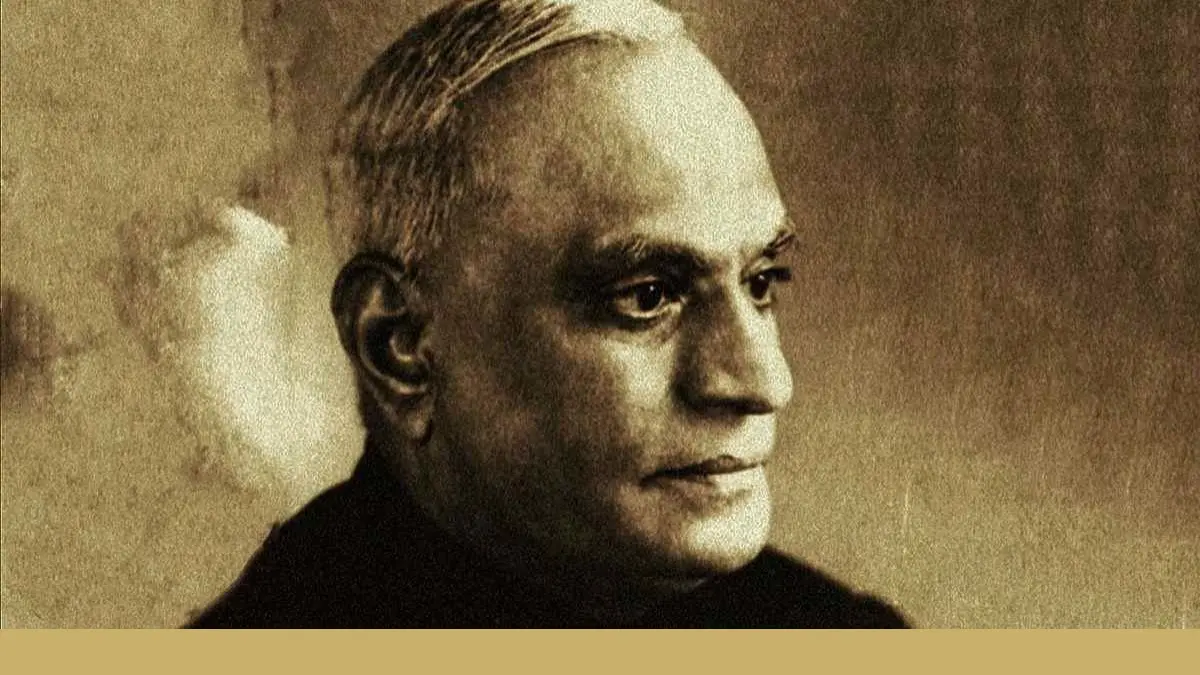
V. V. Giri was the fourth President of India, serving from 1969 to 1974. He was a well known trade union leader who worked for the rights and welfare of workers.
He is the only President of India who was elected as an independent candidate. Because of his important contributions to labour rights and public service, he was awarded the Bharat Ratna.
5. Fakhruddin Ali Ahmed
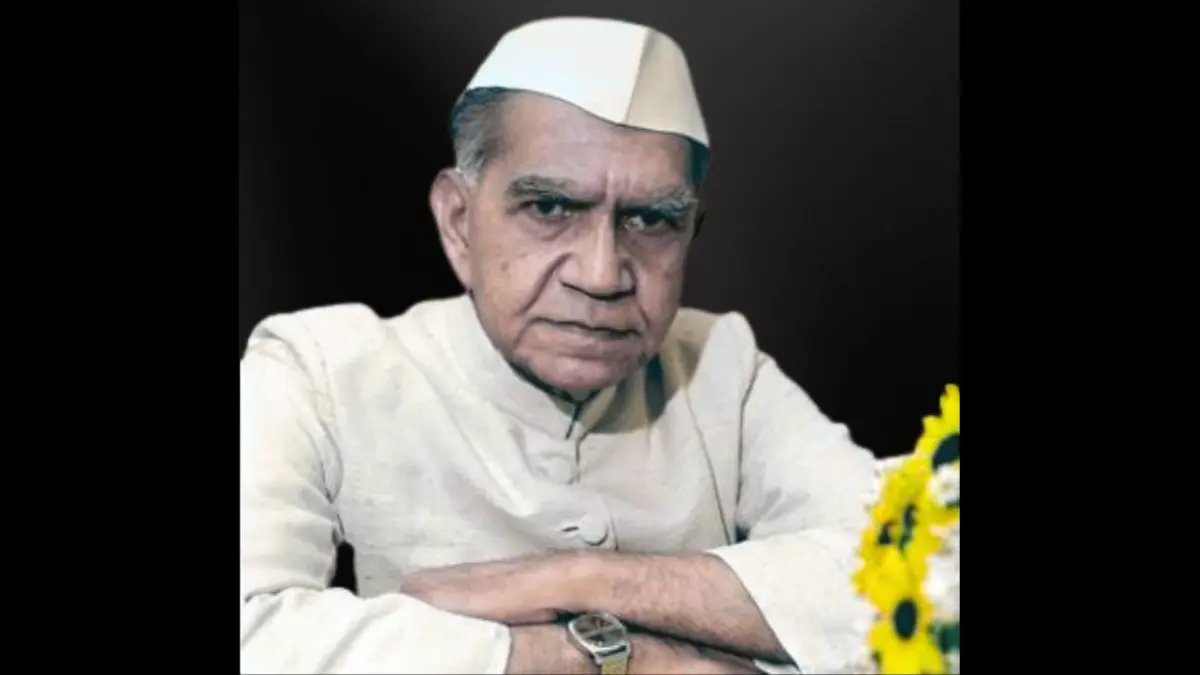
Fakhruddin Ali Ahmed was the fifth President of India, serving from 1974 to 1977. He is mainly remembered for declaring the National Emergency in 1975, on the advice of Prime Minister Indira Gandhi.
His term as President is considered an important and sensitive period in India’s political history, as it had a strong impact on democracy and governance in the country.
6. Neelam Sanjeeva Reddy
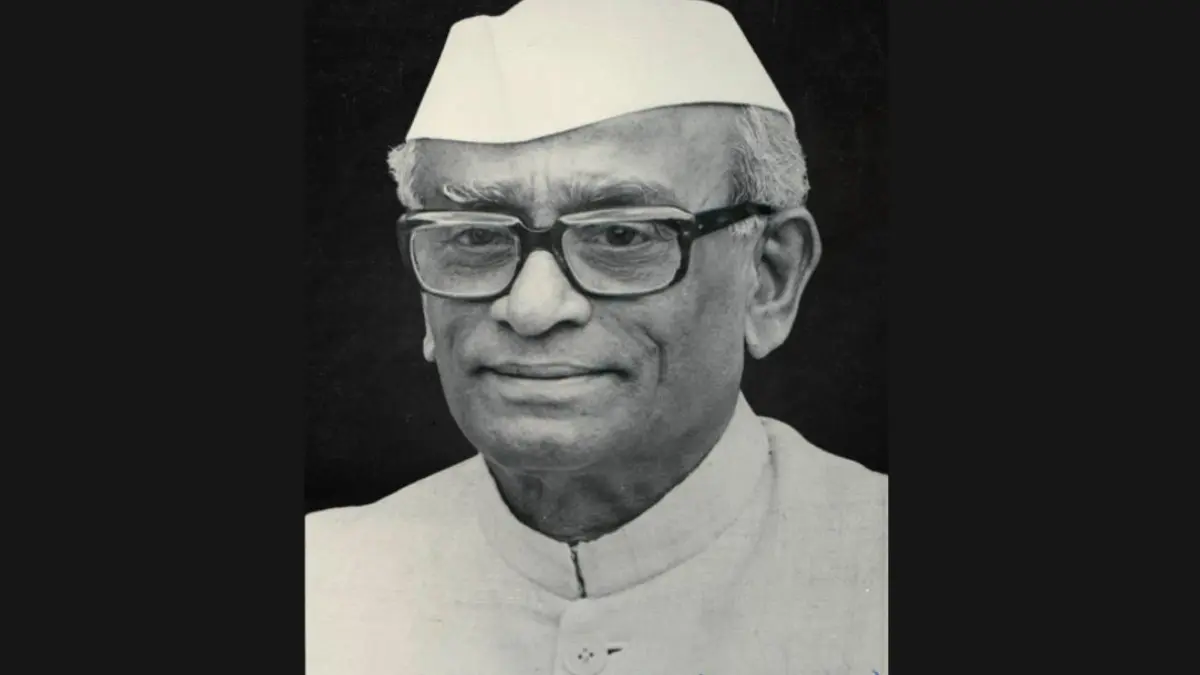
Neelam Sanjeeva Reddy was the sixth President of India, serving from 1977 to 1982. He is the only President of India who was elected without any opposition.
He was a senior politician and a freedom fighter. During his term, he focused on administrative reforms and worked to promote honesty and integrity in public life.
7. Giani Zail Singh
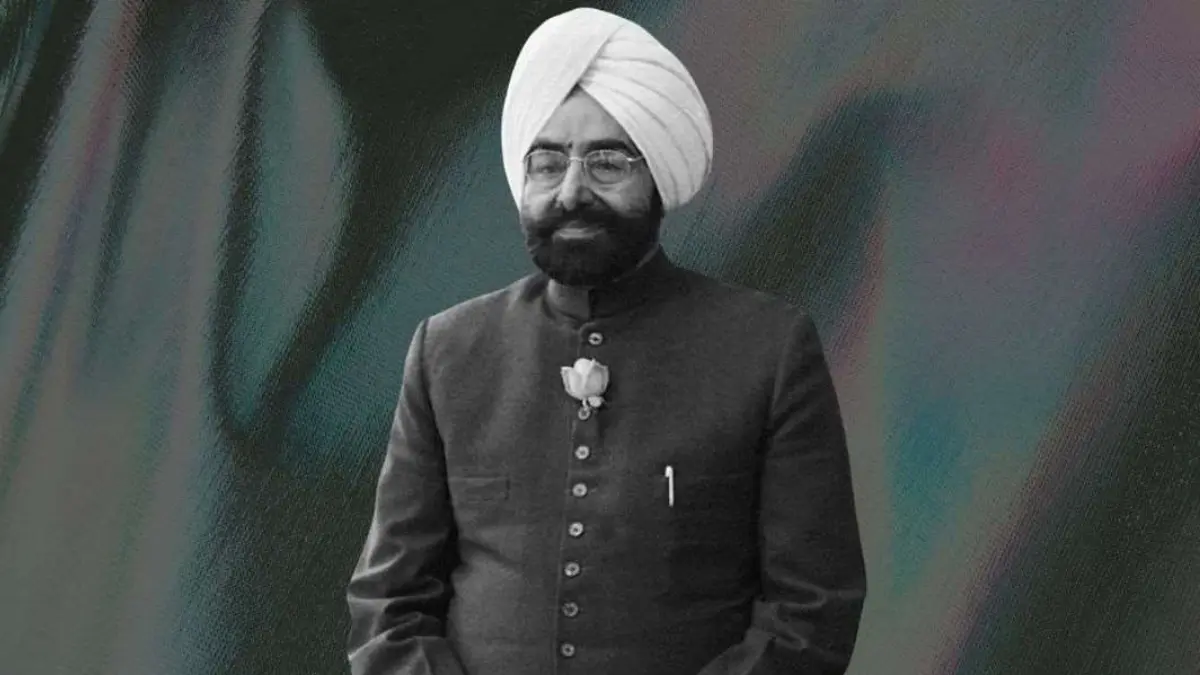
Giani Zail Singh was the seventh President of India, serving from 1982 to 1987. He was the first Sikh President of India.
Before becoming President, he served as the Home Minister of India. His term as President saw many important political events, including Operation Blue Star and the assassination of Prime Minister Indira Gandhi.
8. R. Venkataraman
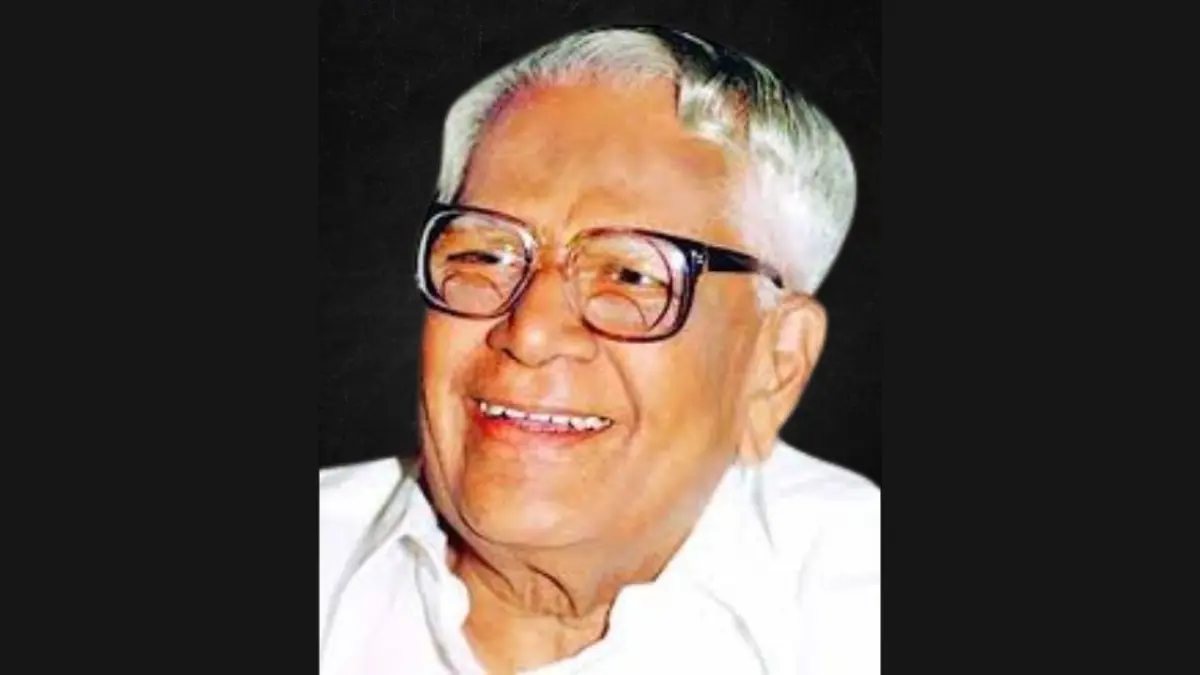
R. Venkataraman was the eighth President of India, serving from 1987 to 1992. He was a lawyer and a freedom fighter.
Before becoming President, he served as the Defence Minister and the Finance Minister of India. During his term as President, India went through important political and economic changes.
9. Dr. Shankar Dayal Sharma
Dr. Shankar Dayal Sharma was the ninth President of India, serving from 1992 to 1997. He was a scholar and legal expert.
Before becoming President, he served as the Vice President of India and also as the Chief Minister of Madhya Pradesh. During his term, he strongly emphasised respect for the Constitution and discipline in governance.
10. K. R. Narayanan
K. R. Narayanan was the tenth President of India, serving from 1997 to 2002. He was the first Dalit President of India.
He was known for his intelligence, humility, and strong belief in social justice. During his time as President, he highlighted the importance of equality, democracy, and inclusive development for all citizens.
11. Dr. A. P. J. Abdul Kalam
Dr. A. P. J. Abdul Kalam was the 11th President of India, serving from 2002 to 2007. He was popularly known as the “Missile Man of India.”
He was a great scientist and visionary who played an important role in India’s space and missile programs. Because of his simple lifestyle, kind nature, and inspiring speeches, he was loved by people across the country and was called the “People’s President.”
12. Shrimati Pratibha Singh Patil
Shrimati Pratibha Singh Patil was the 12th President of India, serving from 2007 to 2012. She was the first woman President of India.
Before becoming President, she served as the Governor of Rajasthan. During her term, she focused on women’s empowerment, social equality, and inclusive development across the country.
13. Pranab Mukherjee
Pranab Mukherjee was the 13th President of India, serving from 2012 to 2017. He was a senior politician and an economist.
Before becoming President, he held important positions such as Finance Minister and Defence Minister of India. He was known for his deep knowledge of governance and public administration. In 2019, he was awarded the Bharat Ratna for his service to the nation.
14. Ram Nath Kovind
Ram Nath Kovind was the 14th President of India, serving from 2017 to 2022. He was the second Dalit President of India, after K. R. Narayanan.
Before becoming President, he served as the Governor of Bihar. During his term, he focused on education, social harmony, and strengthening constitutional values in the country.
15. Droupadi Murmu
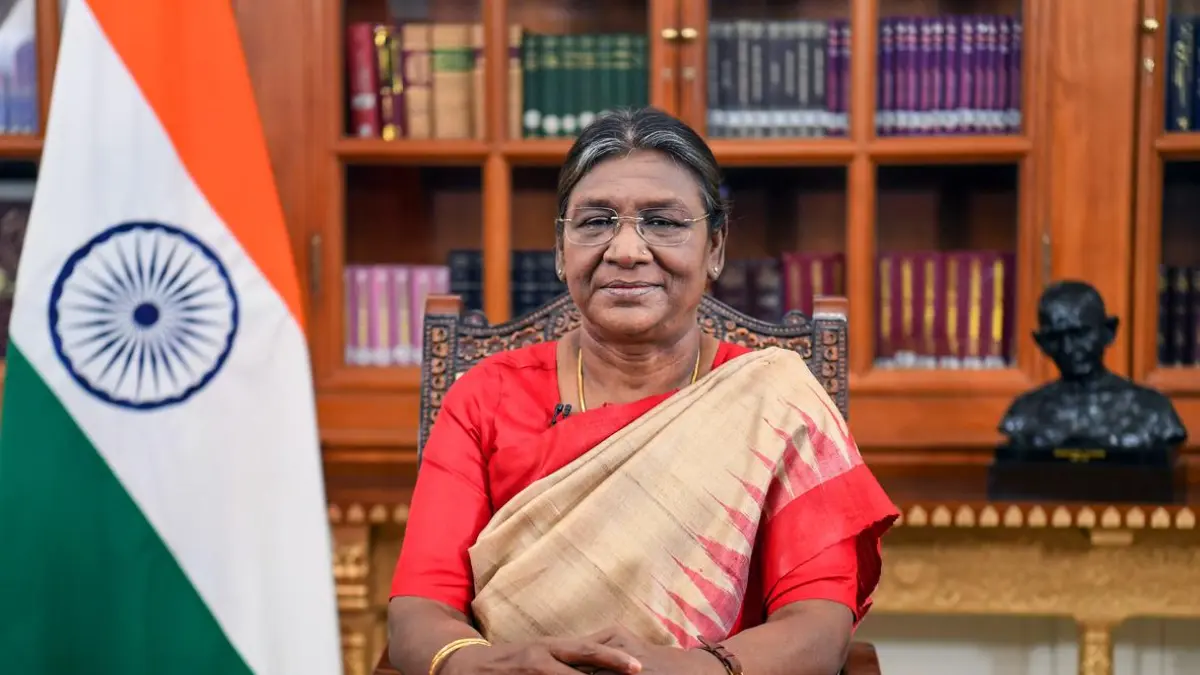
Droupadi Murmu is the 15th and current President of India, in office since 2022. She is the first tribal woman to become President of India.
Her journey from a small village in Odisha to Rashtrapati Bhavan is truly inspiring. It represents empowerment, equality, and inclusive growth in modern India.
Also Read:
Some Important Static GK MCQs about Presidents of India
Below are 20 Static GK Questions with answers about the Presidents of India, which are useful for UPSC, SSC, Banking, and other competitive exams.
1. Who was the first President of India?
➡️ Answer: Dr. Rajendra Prasad
2. Who is the current President of India (as of 2025)?
➡️ Answer: Droupadi Murmu
3. Who was the first woman President of India?
➡️ Answer: Pratibha Patil
4. Whose birthday is celebrated as Teachers’ Day in India?
➡️ Answer: Dr. Sarvepalli Radhakrishnan
5. Who was the first Muslim President of India?
➡️ Answer: Dr. Zakir Husain
6. Which President of India died while in office?
➡️ Answer: Dr. Zakir Husain
7. Who was the only President of India elected unopposed?
➡️ Answer: Neelam Sanjeeva Reddy
8. Who was known as the “Missile Man of India”?
➡️ Answer: Dr. A.P.J. Abdul Kalam
9. Who was the first Sikh President of India?
➡️ Answer: Giani Zail Singh
10. Who was the first Dalit President of India?
➡️ Answer: K. R. Narayanan
11. Who was the first acting President of India?
➡️ Answer: V. V. Giri
12. Who is the youngest person ever to become President of India?
➡️ Answer: Neelam Sanjeeva Reddy
13. Which President was in office during the Kargil War (1999)?
➡️ Answer: K. R. Narayanan
14. Who was the President of India during the Emergency (1975–77)?
➡️ Answer: Fakhruddin Ali Ahmed
15. Who was the President when the Right to Information Act (RTI) was passed?
➡️ Answer: Dr. A.P.J. Abdul Kalam
16. Which President’s term saw the implementation of GST (Goods and Services Tax)?
➡️ Answer: Pranab Mukherjee
17. Who administered the oath to India’s first Prime Minister, Jawaharlal Nehru?
➡️ Answer: Dr. Rajendra Prasad
18. Who was the President when India celebrated its 50th year of Independence?
➡️ Answer: K. R. Narayanan
19. Who was the first tribal woman to become President of India?
➡️ Answer: Droupadi Murmu
20. Who was the President of India when the 73rd and 74th Constitutional Amendments were enacted?
➡️ Answer: R. Venkataraman