List of All Prime Ministers of India (1947-2025)

The term Prime Ministers of India (1947–2025) refers to all the leaders who have led our country’s government since India became independent in 1947. The Prime Minister is the most important leader in the government. This person looks after the country, takes major decisions, helps make new rules and policies, and also represents India in other countries.
Thank you for reading this post, don't forget to subscribe!The Prime Minister works with ministers, government officers, and different departments to make sure the country runs smoothly. They play a big role in improving education, health, transport, the economy, and the overall development of the nation.
This list gives a clear and simple summary of every Prime Minister of India. It includes the years they were in office and the major contributions they made to India’s growth, safety, and progress. This information helps us understand how different leaders have shaped our country over the years.
Knowing about the Prime Ministers of India from 1947 to 2025 is an important part of Static GK and general knowledge. Many school exams and competitive exams ask questions from this topic. It is also useful for students who study Indian Static GK, Static GK 2026, and different Static GK MCQs. This topic is especially important for students preparing for SSC and other competitive tests.
Learning about the Prime Ministers helps us understand how India has grown and changed over the years. Each Prime Minister has played a special role in the development of the country. The list given below starts the full record of all Prime Ministers of India. It will help students learn the names, years of service, and major contributions of each leader. This makes it easier to build strong knowledge about India’s political history.
Detailed Table of All Prime Ministers of India (1947–2025)
The list below shows the names of all the Prime Ministers of India from 1947 to 2025. India became independent in 1947, and Jawaharlal Nehru became the first Prime Minister. He led the country for 17 years and helped shape India’s early future.
As of 2025, the current Prime Minister is Narendra Modi. He started his third term on 9 June 2024, which means he was chosen again to lead the country. This list helps students see how India’s leadership has changed over time and how each Prime Minister of India has contributed to the nation’s growth and development.
| S.No | Prime Minister | Period |
|---|---|---|
| 1 | Pandit Jawaharlal Nehru | 15th Aug 1947 – 27th May 1964 |
| 2 | Gulzarilal Nanda (Interim) | 27th May 1964 – 9th Jun 1964 |
| 3 | Lal Bahadur Shastri | 9th June 1964 – 11th January 1966 |
| 4 | Gulzarilal Nanda (Interim) | 11th January 1966 – 24th January 1966 |
| 5 | Indira Gandhi | 24th January 1966 – 24th March 1977 |
| 6 | Morarji Desai | 24th March 1977 – 28th July 1979 |
| 7 | Charan Singh | 28th July 1979 – 14th January 1980 |
| 8 | Indira Gandhi | 14th January 1980 – 31st October 1984 |
| 9 | Rajiv Gandhi | 31st October 1984 – 2nd December 1989 |
| 10 | Vishwa Pratap Singh | 2nd December 1989 – 10th November 1990 |
| 11 | Chandra Shekhar | 10th November 1990 – 21st June 1991 |
| 12 | P. V. Narasimha Rao | 21st June 1991 – 16th May 1996 |
| 13 | Atal Bihari Vajpayee | 16th May 1996 – 1st June 1996 |
| 14 | H. D. Deve Gowda | 1st June 1996 – 21st April 1997 |
| 15 | Inder Kumar Gujral | 21st April 1997 – 18th March 1998 |
| 16 | Atal Bihari Vajpayee | 18th March 1998 – 22nd May 2004 |
| 17 | Dr. Manmohan Singh | 22nd May 2004 – 17th May 2014 |
| 18 | Narendra Modi | 26th May 2014 – Incumbent |
Dr. Manmohan Singh: Former Prime Minister of India
The list below shows the names of all the Prime Ministers of India from 1947 to 2025. India became independent in 1947, and Jawaharlal Nehru became the first Prime Minister. He led the country for 17 years and helped shape India’s early future.
Dr. Manmohan Singh was the Prime Minister of India from 22 May 2004 to 26 May 2014. He was the first Sikh to become Prime Minister, an important moment in India’s history. People respect him for being very knowledgeable about the economy, honest, and for leading the country calmly and steadily. During his ten years in office, he helped India grow in areas like finance, education, and technology. His time as Prime Minister is remembered for peaceful leadership and thoughtful decisions.
As of 2025, the current Prime Minister is Narendra Modi. He started his third term on 9 June 2024, which means he was chosen again to lead the country. This list helps students see how India’s leadership has changed over time and how each Prime Minister of India has contributed to the nation’s growth and development.
Key Highlights of His Leadership:
- Dr. Manmohan Singh helped India move forward by supporting important economic reforms and keeping the country’s growth steady.
- He guided India safely during difficult times in the world economy, including financial crises that affected many countries.
- Under his leadership, India improved in several areas such as education, healthcare, and programmes that supported villages and rural families.
- He was known for being calm, polite, and soft-spoken, and he always tried to solve problems by talking to others and building agreement.
- Dr. Singh also focused on friendly relations with other countries and worked to strengthen India’s position through peaceful and respectful diplomacy.
Dr. Manmohan Singh’s work as Prime Minister is an important part of India’s recent political history. His contributions are often included in Static GK topics, especially in sections related to the Prime Ministers of India (1947–2025), making them useful for students preparing for competitive exams.
List of all the Prime Ministers of India from 1947 to 2025
The role of the Prime Minister has been one of the most important parts of India’s government since 1947. From Jawaharlal Nehru to the leaders serving in 2025, every Prime Minister has played a key part in guiding the country’s politics, economy, and overall development.
The full list of all Prime Ministers of India from 1947 to 2025 is given below to help readers easily follow how the country’s leadership has changed over time. This makes it simple to understand the order of their service and the historical background of each term.
List of all the Prime Ministers of India – Important Points
The Prime Ministers of India play the most important role in the country’s parliamentary system. According to Article 75 of the Constitution, the President of India formally appoints the Prime Minister. However, even though the President is the official head of the country, the real day-to-day power rests with the Prime Minister. The Prime Minister leads the Council of Ministers and manages the main work of the Union Government, ensuring that the government runs smoothly.
Constitutional Basis
- Article 75 creates the post of the Prime Minister and says that the President must appoint the leader who has the support of the majority members in the Lok Sabha.
- Article 78 explains the main duties of the Prime Minister, such as keeping the President informed and acting as the link between the President and the Council of Ministers.
Key Executive Responsibilities
- Leads the team of Cabinet Ministers and guides all major decisions of the government.
- Decides the dates, plans, and topics for Parliament meetings.
- Chooses when the Lok Sabha should take a break or be dissolved.
- Speaks for the government, shares important policies, and answers major national issues.
- Advises the President on choosing people for important constitutional posts.
- Gives and changes work responsibilities (portfolios) of ministers.
- Leads meetings of the Council of Ministers and plays a big role in all government decisions.
- Can ask any minister to resign or suggest their removal to the President.
Important Facts About the Prime Ministers of India
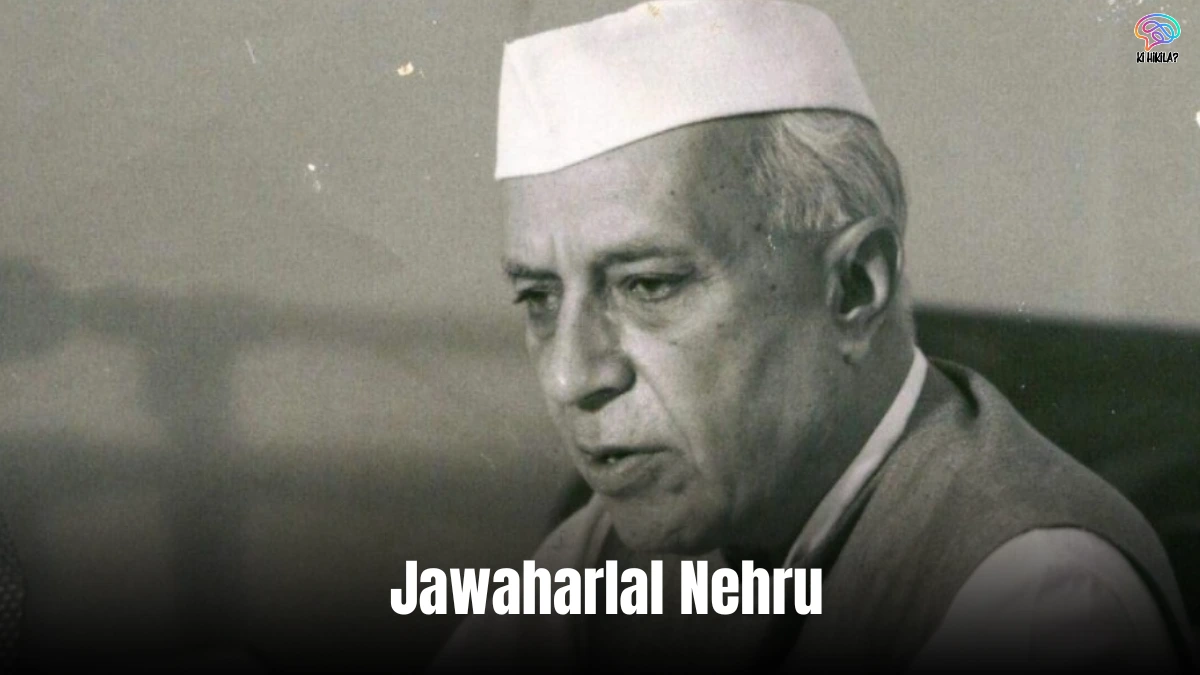
- Jawaharlal Nehru was the first Prime Minister and served the longest, leading India for 16 years and 286 days.
- Indira Gandhi was the first and only woman Prime Minister, serving a total of 15 years and 350 days in two terms.
- Rajiv Gandhi became the youngest Prime Minister at the age of 40 on 31 October 1984.
- Morarji Desai was the first non-Congress Prime Minister, serving from 24 March 1977 to 28 July 1979.
- Atal Bihari Vajpayee had the shortest term of just 16 days during his first time in office in 1996.
- Dr. Manmohan Singh was the first Sikh Prime Minister and completed two full terms from 22 May 2004 to 26 May 2014.
- P. V. Narasimha Rao was the first Prime Minister from South India, serving from 21 June 1991 to 16 May 1996.
- Gulzarilal Nanda served twice as Acting Prime Minister, each time for 13 days.
- Narendra Modi has been in office since 26 May 2014 and is now in his third term, which began in June 2024.
List of all the Prime Ministers of India: Important Facts
India’s progress from 1947 to 2025 includes many leaders who guided the country at different times. Each Prime Minister played an important role in improving the nation, strengthening democracy, and helping India grow in politics and the economy. The points below share the most important facts and milestones linked with the Prime Ministers of India during this entire period.
The Prime Ministers of India have been central to the country’s parliamentary system. According to Article 75 of the Constitution, the President formally appoints the Prime Minister, but the real day-to-day power lies with them. The Prime Minister leads the Council of Ministers, makes key decisions on policies and administration, coordinates between different ministries, and represents India in international matters. Their leadership is vital for maintaining political stability, guiding economic growth, and ensuring that the government works effectively for the welfare of the people.
This overview helps students and readers understand how India’s leadership has evolved and how each Prime Minister contributed to the nation’s journey over the decades.
- Jawaharlal Nehru was India’s first Prime Minister and helped build modern India.
- Indira Gandhi is the only woman Prime Minister, known for strong leadership.
- Rajiv Gandhi became the youngest Prime Minister at 40 years old.
- Morarji Desai was the first Prime Minister from a non-Congress party.
- P. V. Narasimha Rao made big changes in India’s economy.
- Atal Bihari Vajpayee served 16 days in 1996, the shortest term, and became full-term Prime Minister in 1998.
- Dr. Manmohan Singh was the first Sikh Prime Minister and helped India grow economically.
- Gulzarilal Nanda served twice as Acting Prime Minister.
- Narendra Modi is the first leader after Nehru to win a third consecutive term (from June 2024).
What is the Retirement Age of the Prime Minister in India?
In India, the Prime Minister does not have a fixed retirement age. The Constitution does not set any maximum age for holding the position. A person can continue to serve as Prime Minister as long as they meet the required qualifications and retain the support of the majority in the Parliament.
- They remain a member of either the Lok Sabha or the Rajya Sabha.
- They have the support and confidence of the Lok Sabha.
This means that the length of time a person can serve as Prime Minister depends entirely on elections, the support of Parliament, and the overall political stability in the country, rather than their age. A Prime Minister can continue in office as long as they maintain the confidence of the majority of members in the Lok Sabha and can lead the government effectively. Unlike other important constitutional positions, such as judges, governors, or election commissioners, which have fixed terms or retirement ages, the role of the Prime Minister is fully determined by the democratic process. Their tenure is flexible and can change with the outcome of elections, shifts in political alliances, or changes in public support.
Constitutional Provisions Related to the Prime Minister of India
The office of the Prime Minister is described in several important parts of the Constitution, which explain the structure, powers, and duties of the position. These rules make sure the parliamentary system works properly and recognize the Prime Minister as the leader of the Council of Ministers, responsible for guiding the government and making key decisions.
Key Constitutional Articles
Article 74
It states that the Prime Minister leads the Council of Ministers and gives advice to the President on how to use executive powers.
Article 75
- States that the Prime Minister is appointed by the President.
- The Council of Ministers is collectively responsible to the Lok Sabha.
- Ministers, including the Prime Minister, hold office at the pleasure of the President, acting on the advice of the Prime Minister.
Article 78
Defines the duties of the Prime Minister, including:
- Communicating all Cabinet decisions to the President.
- Furnishing information as required by the President.
- Submitting decisions of the Cabinet for Presidential consideration when needed.
Article 88
Allows the Prime Minister and Ministers to participate in the proceedings of both Houses of Parliament, including joint sittings, though they may not vote unless they are members of that House.
Importance of These Provisions
These articles collectively establish the Prime Minister as the central figure in the executive branch. They ensure coordination between the President, Parliament, and the Council of Ministers, allowing for the effective implementation of national policies.
Historical Context
The role of the Prime Minister of India developed from the Westminster-style parliamentary system that India adopted after gaining independence in 1947. When India became a fully democratic republic on 26 January 1950, the Constitution established a parliamentary system where real executive power was given to the Prime Minister and the Council of Ministers. This arrangement ensured that the country was led by elected representatives with actual authority, while the President served mainly as a ceremonial head of state.
Early Development
- Jawaharlal Nehru, the first Prime Minister, played a central role in shaping India’s political identity, foreign policy, and democratic institutions.
- The early decades were marked by nation-building, economic planning, and establishing administrative structures that continue to guide India today.
Evolution Across Phases
- The 1970s and 1980s saw periods of political consolidation, economic challenges, and institutional reforms under different leaders.
- The 1990s marked a major transition with economic liberalisation, coalition governments, and significant policy shifts.
- From the 2000s onward, India experienced rapid technological growth, economic expansion, and stronger global engagement.
Democratic Significance
Throughout these years, the office of the Prime Minister has remained the core of India’s governance system, reflecting the will of the electorate and steering national progress through changing political and economic landscapes.
Who Are the Cabinet Ministers of India?
Cabinet Ministers are senior members of the Union Council of Ministers who head important ministries and play a key role in national decision-making. They work under the leadership of the Prime Minister and are responsible for administering major departments such as Home Affairs, Defence, Finance, External Affairs, Education, and more.
Key Points
- Cabinet Ministers handle the most critical portfolios and shape national policies.
- They are appointed by the President on the recommendation of the Prime Minister.
- Their decisions directly impact national security, economic growth, social welfare, and foreign relations.
- Cabinet Ministers attend Cabinet meetings, where major legislative and administrative decisions are taken.
- They are collectively responsible to the Lok Sabha for all actions of the government.
Knowing the leading Cabinet Ministers is useful for students preparing for Indian current affairs and selective topics in Static GK for exams.
Conclusion
The Prime Ministers of India (1947–2025) have played a defining role in shaping the nation’s governance, economy, and global position. Each leader contributed uniquely to India’s progress, guiding the country through periods of growth, challenges, reforms, and transformation. Understanding their tenures, major decisions, and historical context helps build a clear picture of India’s democratic journey since independence.
For students preparing competitive exams, this topic remains highly relevant, and questions are often framed around important facts, constitutional provisions, and key milestones related to India’s Prime Ministers.
FAQ on Prime Ministers of India (1947–2025)
1. Who was the first Prime Minister of India?
Jawaharlal Nehru was the first Prime Minister of India, serving from 1947 until he died in 1964.
2. Who is the current Prime Minister of India in 2025?
Narendra Modi is the current Prime Minister as of 2025.
3. How many Prime Ministers has India had since Independence?
India has had several Prime Ministers between 1947 and 2025, including those who served multiple terms.
4. Who served as the longest-tenured Prime Minister of India?
Jawaharlal Nehru holds the record for the longest continuous tenure.
5. Who served the shortest term as Prime Minister of India?
Gulzarilal Nanda served the shortest terms twice as an acting Prime Minister.
6. Who was the first woman Prime Minister of India?
Indira Gandhi was India’s first and only woman Prime Minister.
7. How many times did Indira Gandhi serve as Prime Minister?
Indira Gandhi served two separate terms, from 1966 to 1977 and 1980–1984.
8. Who was the youngest Prime Minister of India?
Rajiv Gandhi became the youngest Prime Minister at the age of 40.
9. Which political party has produced the most Prime Ministers in India?
The Indian National Congress has produced the highest number of Prime Ministers.
10. Has India ever had a Prime Minister from a coalition government?
Yes, several Prime Ministers, including Atal Bihari Vajpayee and Manmohan Singh, led coalition governments.
11. Who was the first non-Congress Prime Minister of India?
Morarji Desai became the first non-Congress Prime Minister in 1977.
12. Which Prime Minister introduced economic liberalisation in India?
Dr. Manmohan Singh, as Finance Minister, initiated liberalisation in 1991, later becoming Prime Minister in 2004.
13. How is the Prime Minister of India appointed?
The President appoints the Prime Minister, usually the leader of the majority party or coalition in the Lok Sabha.
14. What is the official residence of the Prime Minister of India?
The official residence is 7, Lok Kalyan Marg, New Delhi.
15. Can someone be Prime Minister without being a Member of Parliament?
Yes, but they must become a member of either House of Parliament within six months.
16. Who were the acting Prime Ministers of India?
Gulzarilal Nanda served twice as acting Prime Minister after the deaths of Nehru and Shastri.
17. Who was the first Prime Minister born after Independence?
Narendra Modi is the first Prime Minister born after 1947.
18. How many Prime Ministers have been assassinated in India?
Two Prime Ministers—Indira Gandhi (1984) and Rajiv Gandhi (1991)—were assassinated.
19. Which Prime Minister served two non-consecutive terms?
Atal Bihari Vajpayee served two non-consecutive terms, first in 1996 and later from 1998 to 2004.
20. Which Prime Minister introduced large-scale digital governance reforms?
Narendra Modi’s tenure marked major digital governance initiatives such as Digital India, Aadhaar-linked services, and online public service delivery.